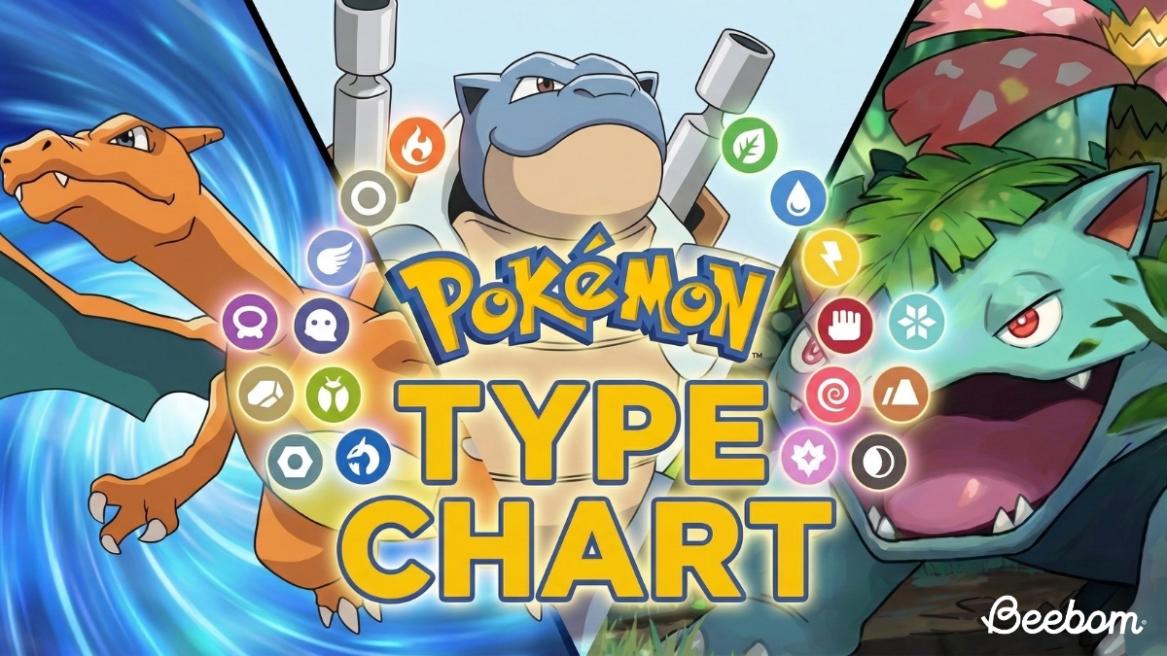
Pokemon types have been a core mechanic of the series since 1996, when the first games, Pokemon Red and Green, launched in Japan. At the launch of these games, it was observed that every Pokemon is assigned at least one type, and understanding how these types interact with each other became fundamental to winning battles.
The anime series further brought this into the mainstream space by showcasing type advantages and disadvantages in iconic matchups during its run, and modern video games like Scarlet & Violet, Legends Z-A, and Pokemon GO continue to build on this system with their own layers of depth.
So, whether you’re an OG trainer or just starting out, mastering type effectiveness is one of the most important skills in any Pokemon game. It influences everything from team building to move selection to your combat strategy. That’s where the Pokemon Type Chart comes in. It is a single reference point that lays out every type interaction you need to know. Below we’ll break down the full type chart alongwith each type’s strengths, weaknesses, resistances, and immunities.
Pokemon Type Chart (Main Series)
There are a total of 18 Pokemon types in the Main Series of Pokemon. This includes the mainline Pokemon games like Scarlet & Violet, Legends Z-A, anime series, and other games like Pokemon GO, Pokemon Stadium, and Pokemon Champions. Each type has its own strengths and weaknesses, while also being immune to and resisting others. That said, here’s a detailed Pokemon Type Chart that covers all of them:
| Type | Super Effective Against | Not Very Effective Against | Resistant To | Weak To | Immune To |
|---|---|---|---|---|---|
 Normal | — | Rock, Steel | — | Fighting | Ghost |
 Fire | Grass, Ice, Bug, Steel | Fire, Water, Rock, Dragon | Fire, Grass, Ice, Bug, Steel, Fairy | Water, Ground, Rock | — |
 Water | Fire, Ground, Rock | Water, Grass, Dragon | Fire, Water, Ice, Steel | Electric, Grass | — |
 Grass | Water, Ground, Rock | Fire, Grass, Poison, Flying, Bug, Dragon, Steel | Water, Electric, Grass, Ground | Fire, Ice, Poison, Flying, Bug | — |
 Electric | Water, Flying | Electric, Grass, Dragon | Electric, Flying, Steel | Ground | — |
 Ice | Grass, Ground, Flying, Dragon | Fire, Water, Ice, Steel | Ice | Fire, Fighting, Rock, Steel | — |
 Fighting | Normal, Ice, Rock, Dark, Steel | Poison, Flying, Psychic, Bug, Fairy | Bug, Rock, Dark | Flying, Psychic, Fairy | — |
 Poison | Grass, Fairy | Poison, Ground, Rock, Ghost | Grass, Fighting, Poison, Bug, Fairy | Ground, Psychic | — |
 Ground | Fire, Electric, Poison, Rock, Steel | Grass, Bug | Poison, Rock | Water, Grass, Ice | Electric |
 Flying | Grass, Fighting, Bug | Electric, Rock, Steel | Grass, Fighting, Bug | Electric, Ice, Rock | Ground |
 Psychic | Fighting, Poison | Psychic, Steel | Fighting, Psychic | Bug, Ghost, Dark | — |
 Bug | Grass, Psychic, Dark | Fire, Fighting, Poison, Flying, Ghost, Steel, Fairy | Grass, Fighting, Ground | Fire, Flying, Rock | — |
 Rock | Fire, Ice, Flying, Bug | Fighting, Ground, Steel | Normal, Fire, Poison, Flying | Water, Grass, Fighting, Ground, Steel | — |
 Ghost | Psychic, Ghost | Dark | Poison, Bug | Ghost, Dark | Normal, Fighting |
 Dragon | Dragon | Steel | Fire, Water, Electric, Grass | Ice, Dragon, Fairy | — |
 Dark | Psychic, Ghost | Fighting, Dark, Fairy | Ghost, Dark | Fighting, Bug, Fairy | Psychic |
 Steel | Ice, Rock, Fairy | Fire, Water, Electric, Steel | Normal, Grass, Ice, Flying, Psychic, Bug, Rock, Dragon, Steel, Fairy | Fire, Fighting, Ground | Poison |
 Fairy | Fighting, Dragon, Dark | Fire, Poison, Steel | Fighting, Bug, Dark | Poison, Steel | Dragon |
How Pokemon Type Effectiveness Works
As discussed, Pokemon and their attacks have different types, which strongly influence the effectiveness of defense and attacks in battle. Each type has various strengths and weaknesses as mentioned in the Pokemon Type Chart. That’s why it’s crucial to design your Pokemon team with a strategic combination of types to cover a wide range of potential attacks or specifically target their weaknesses.

There are four Pokemon Type effectiveness interactions that you need to know about. Here’s a list of them:
- Super effective = 2x damage
- Not very effective = 0.5x damage
- No effect / Immunity = 0x damage
- Dual-type stacking (4x and 0.25x)
Mastering type effectiveness will be very helpful in winning competetive Pokemon battles, like the official 2v2 VGC tournaments, Pokemon GO Trainer Battles, and some turn-based battles in the mainline games.
Super Effective Explained
Every Pokemon type has a weakness, and when a move that has been used matches the weakness of the Pokemon, it deals super-effective damage. For example, a Fire-type move will deal super effective damage to Grass-type, as Grass is weak against Fire.
The damage dealt by super effective moves is increased by 2x. This means that if the base damage of a move is 100, it will deal 200 damage when super effective. That’s why type advantage is very important to win matches and boss fights in games like Pokemon GO Raids, Scarlet and Violet Tera Raids, and Legends ZA Rogue Mega Evolutions.
Not Very Effective Explained
Not very effective is the exact opposite of super effective. A move is not very effective when the defending Pokemon resists the move’s type. For example, Water-type moves deal reduced damage to Grass-types, Fire-type moves deal reduced damage to Water-types, and Grass-type moves deal reduced damage to Fire-types. Some types even resist themselves as Fire, Water, and Grass all take reduced damage from moves of their own type.
The damage dealt by not very effective moves is reduced by 0.5x. This means that if the base damage of a move is 100, it will deal 50 damage when not very effective. That’s why you’ll want to avoid using not very effective moves in Pokemon battles.
No Effect / Immunity Explained
Certain types are completely immune to others, meaning the move deals zero damage. For example, Normal-type Pokemon are immune to Ghost-type moves, and Ground-type Pokemon are immune to Electric-type moves. No matter how powerful the attack, it simply won’t connect. It’s worth noting that Pokemon GO handles this differently, as instead of full immunity, these matchups deal heavily reduced damage instead.
Dual-Type Stacking Explained
Most Pokemon have two types rather than one, and this is where type effectiveness can stack to create extreme results. When both of a Pokemon’s types are weak to the same attacking type, the damage multiplies to 4x instead of the usual 2x. For example, a Pokemon that is both Flying and Water would take 4x damage from Electric-type moves, since both Flying and Water are individually weak to Electric. Similarly, Mega Greninja in Legends ZA is a Water and Dark type Pokemon.
The reverse also applies, which means that if both types resist the same attacking type, the damage drops to 0.25x, only a quarter of the normal output. Understanding dual-type stacking is essential for identifying which Pokemon on your opponent’s team are most vulnerable and which of yours can wall certain threats effectively.
Dual-Type Pokemon Interactions Explained

Dual-Type Interactions come into play when a Pokemon shares two types instead of one. The combination of those types affects how much damage it takes from incoming attacks in several ways.
- Double Weakness (×4 damage): A Pokemon has double weaknesses when both the types share the same weakness. A Pokemon with such effectiveness takes 4x damage due to its weakness. For example, a Fire / Flying-type Pokemon like Charizard takes 4x damage from Rock-type moves since it’s weak to Rock-type.
- Weakness + Resistance (1x damage): When one of a Pokemon’s types is weak to an attacking type but the other resists it, the two cancel out, and the damage becomes neutral. Reshiram in Pokemon GO is a Fire / Dragon-type Pokemon and while Dragon is weak to Ice, Fire resists it, so Reshiram takes neutral (1x) damage from Ice-type moves.
- Double Resistance (×0.25 damage): Double Resistance is the exact opposite of double weakness. A Pokemon has double resistance when both types share the same resistances. Pokemon with double resistance take 0.25x damage from the resisted type. Charizard, being a Fire / Flying-type Pokemon takes 0.25x damage from Bug and Grass-type moves because both Fire and Flying resist those types.
- Immunity + Any Type (0 damage): Immunity always takes priority. If one of a Pokemon’s types is immune to an attacking type, it doesn’t matter what the other type’s interaction is, the move will deal no damage. For example, Flying is weak to Electric, but a Ground/Flying-type Pokemon like Gliscor is still immune to Electric-type moves because Ground’s immunity overrides Flying’s weakness.
What Does Same Type Attack Bonus (STAB) Mean in Pokemon?
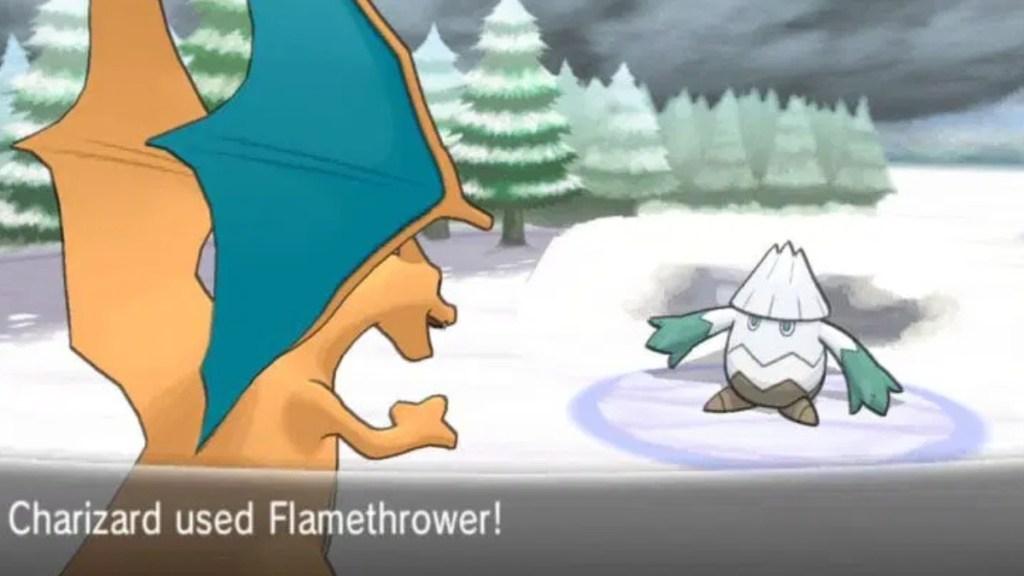
Same Type Attack Bonus or STAB is a term used for a damage boost that applies when a Pokemon uses a move that matches one of its own types. In the mainline games, STAB increases the damage of a move by 1.5x (and 1.2x in Pokemon GO).
For example, if a Psychic-type Pokemon like Solgaleo in Pokemon GO uses a Psychic-type move, it receives the STAB bonus. A Pokemon that doesn’t share the Psychic type using the same move would not. Pokemon with two types benefit from STAB on moves matching either type, giving them more flexibility in battle.
Some abilities and mechanics can modify the STAB multiplier further. The ability Adaptability increases the STAB bonus from 1.5x to 2x, and Terastallizing into a matching type in Scarlet & Violet also grants a 2x STAB boost.
STAB damage is multiplicative, which means it depends on the Base Damage of the move and its type effectiveness. Here’s a formula that will help you to calculate the total damage of a move with STAB.
Total Damage = Base Damage × STAB × Type Effectiveness
For a better understanding, let’s say that we have a move with 100 Base Damage. Here’s the damage analysis for different type effectiveness:
- Total Super Effective damage with STAB: 100 x 1.5 x 2 = 300 damage
- Total Not Very Effective damage with STAB: 100 x 1.5 x 0.5 = 75 damage
- No Effect with STAB: 100 x 1.5 x 0 = 0 damage
Keep in mind that STAB is a built-in mechanic across all Pokemon games. It applies automatically and doesn’t bypass resistances or immunities.
Pokemon Tera Type and Type Changes (Scarlet & Violet)
The Tera Type, Terastal phenomenon, or Terastallization is a temporary transformation that changes the type of the affecting Pokemon. This was introduced in Pokemon Scarlet and Violet during Generation IX, and was later introduced in Pokemon Masters EX. Tera Type will also be featured in Pokemon Champions after the game’s release. On the other hand, Pokemon in Pokemon Pokopia and Pokemon GO cannot have a Tera Type.

You can Terastallize your own Pokemon using 50 Tera Shards (outside of battle) or Tera Orbs (during battle), gathering Terastal energy and channeling it into your Pokemon. When a Pokemon Terastallizes, it temporarily transforms into its Tera Type, matching one of its original 18 types or a completely different Stellar Type. Tera Type isn’t permanent and remains for the duration of the battle, and increases the STAB damage by 2x. For example, if a Cinderace has a Rock Tera Type, it will gain STAB on Rock-type moves in addition to its regular Fire-type STAB after Terastallizing.
There is also a 19th Tera Type called Stellar, which works differently from the rest. A Stellar Tera Type Pokemon receives a one-time attack boost for each move type it uses, but once a type has been boosted, no other move of that same type gets the bonus again during the battle. Stellar Tera Type Pokemon keep their original type’s resistances and weaknesses, but they also become vulnerable to Stellar-specific moves like Tera Blast and Tera Starstorm.
Pokemon GO Type Chart Differences
Pokemon GO features a different kind of multiplier based on the Pokemon Type Chart compared to the Main Series. This is because Pokemon GO’s combat system is real-time rather than turn-based, so the multipliers are compressed to keep battles more balanced. Here’s a table that lists all the multipliers, what it does, and how they are different from the main series:
| Multiplier | What It Does | How Is It Different (vs Main Series) |
|---|---|---|
| 1.6× (Super Effective) | Increases damage dealt when a move is super effective against the target’s type. | Main series uses ×2. Pokemon GO lowers it to 1.6× to reduce the impact of type advantages in its real-time combat system. |
| 0.625× (Not Very Effective) | Reduces damage dealt when a move is not very effective (target resists it). | Main series uses ×0.5. Pokemon GO uses 0.625×, meaning resistances are slightly weaker and resisted moves still deal a bit more damage proportionally. |
| 2.56× (Double Weakness) | Significantly increases damage when a move is super effective against both types of a dual-type Pokemon (double weakness). | Main series uses ×4. Pokemon GO stacks its super effective multiplier twice (1.6 × 1.6 = 2.56×), making double weaknesses less extreme. |
| 0.39× (Immunity / Double Resistance) | Significantly lowers damage when both types resist the move (double resistance), or when a type matchup would normally be immune. | Main series uses ×0.25 for double resistance and ×0 for immunity. Pokemon GO treats both as 0.39× (0.625 × 0.625), so immune matchups still deal a small amount of damage instead of zero. |
| 1.2x (STAB) | Increases damage when a Pokemon uses a move that matches one of its own types. | Main series uses a ×1.5 STAB multiplier. Pokemon GO lowers it to 1.2× to keep overall damage output balanced in its real-time combat system. |
Pokemon Type Breakdown
As of 2026, there are a total of 18 Pokemon types, as seen in the Type Chart above. This includes Normal, Fire, Water, Grass, Flying, Fighting, Poison, Electric, Ground, Rock, Psychic, Ice, Bug, Ghost, Steel, Dragon, Dark, and Fairy. Apart from that, there’s a special 19th type known as the Stella Tera Type, exclusive to Scarlet & Violet. Here’s a detailed breakdown of every Pokemon types:
Normal

Normal-type is quite straightforward. It has the least number of weaknesses and resistances, while dealing neutral damage to every other type. That said, some of the bulkiest Pokemon in the series are Normal-types, including Snorlax, Blissey, and Slaking.
Fire
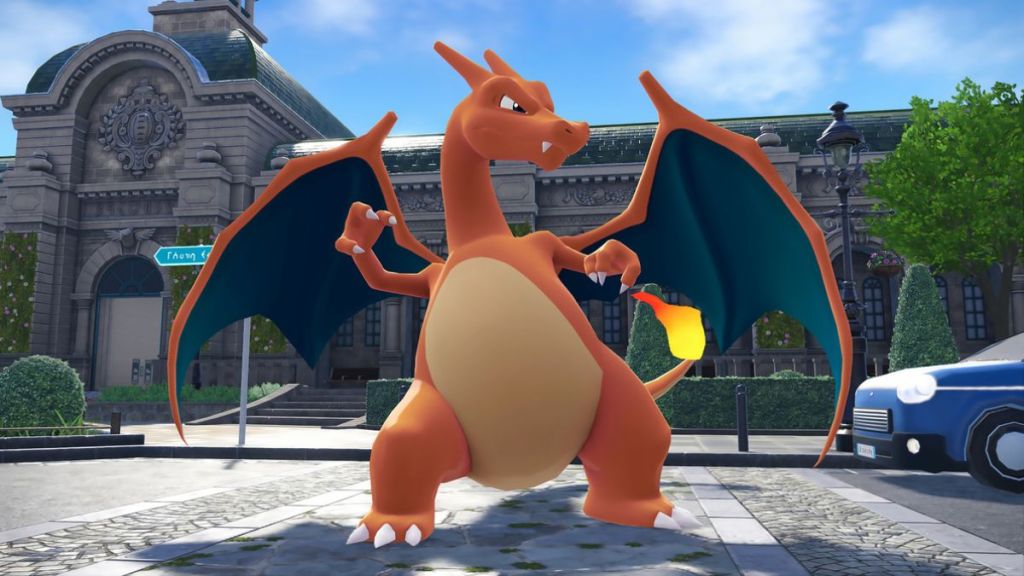
Fire is one of the three classic starter types that players can choose from at the beginning of most Pokemon games. It’s super effective against Grass, Bug, Ice, and Steel, making it a strong offensive option. Fire-type includes some of the most popular Pokemon in the series, like Charizard, Blaziken, and Arcanine.
Water
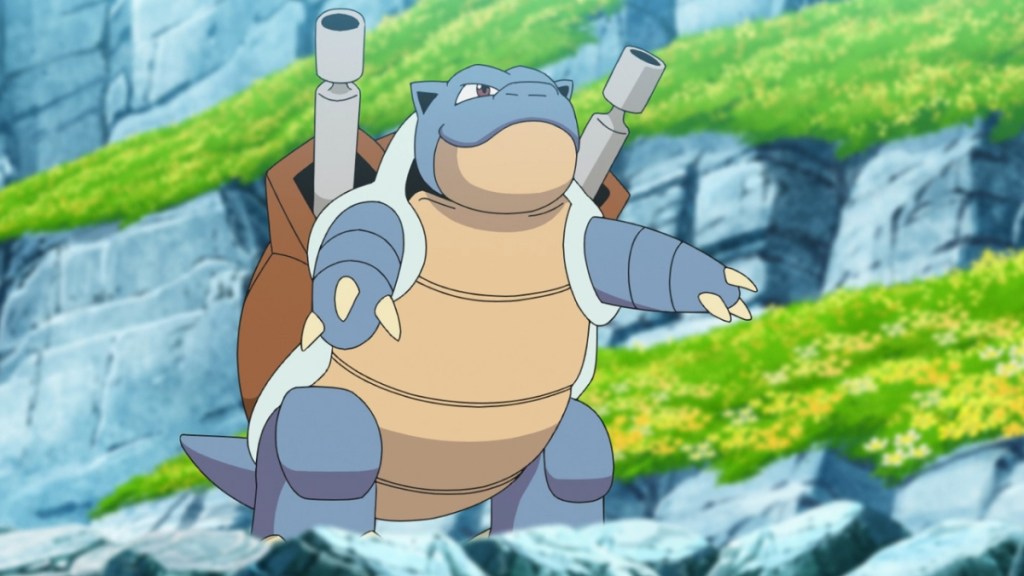
Water-type is another classic starter type and one of the most common in the series. It’s only weak to Electric and Grass, giving it solid defensive coverage. Water-types are also known for their versatility, with many learning a wide range of utility moves. Kyogre, Swampert, and Blastoise are among the most well-known Water-types.
Grass
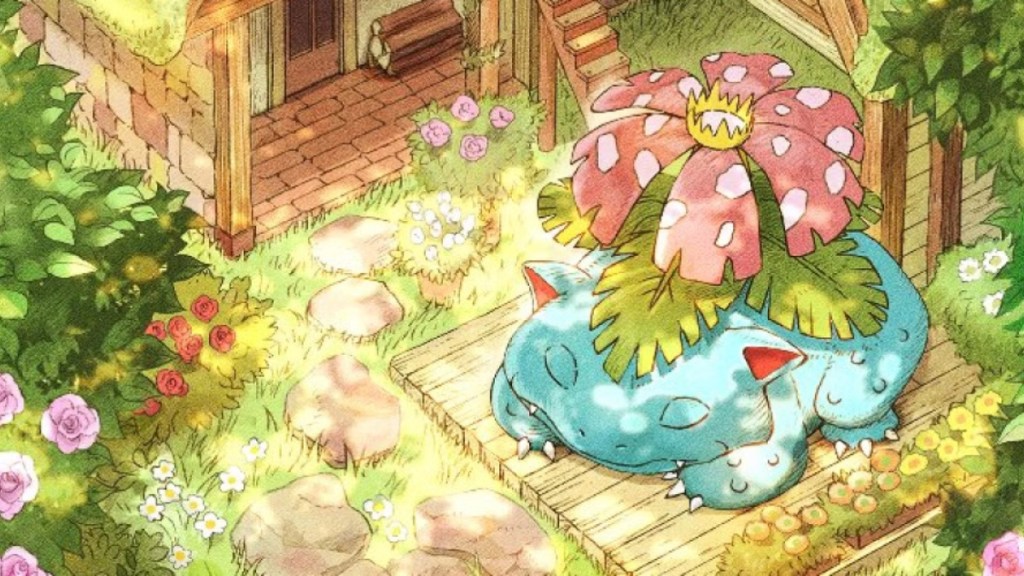
Grass-type rounds out the starter Pokemon trio. It’s super effective against Water, Ground, and Rock, and many Grass-types have access to useful status moves like Sleep Powder, Stun Spore, and Leech Seed. However, it also has five weaknesses, making it one of the more vulnerable types defensively. Venusaur, Sceptile, and Roserade are some popular Grass-types.
Flying
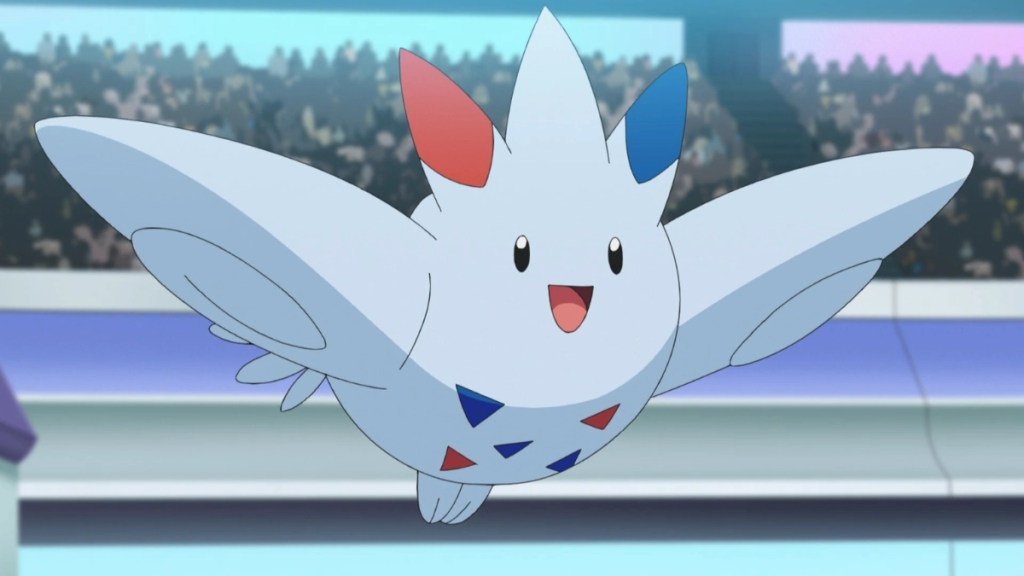
Flying-type features some of the fastest Pokemon that we’ve ever seen, and it’s also one of the most common dual types in the series. It’s super effective against Grass, Fighting, and Bug, and immune to Ground-type moves, which is a significant defensive advantage. Notable Flying-types include Staraptor, Togekiss, and Corviknight.
Fighting

Fighting-types have some of the highest strengths and are one of the best offensive types in the Pokemon series. They have five types for super effective damage: Normal, Ice, Rock, Dark, and Steel. However, it also has three weaknesses, which are Flying, Psychic, and Fairy. Top Fighting-types include Lucario, Conkeldurr, and Machamp.
Poison

Poison-type Pokemon are ferocious and were quite strong in the early Pokemon games. But, as of now, it’s considered one of the weakest as it’s super effective against Fairy and Grass. Competitively, Poison-types like Toxapex, Nihilego, and Gengar (part Poison) have found strong niches.
Electric

Electric-type is known for its speed, with many Electric Pokemon having high Speed stats. It has only one weakness, and that is to Ground type, making it defensively reliable. Pikachu is the most iconic Electric-type, but powerful options like Zekrom, Miraidon, and Raikou are top-tier in competitive play.
Ground
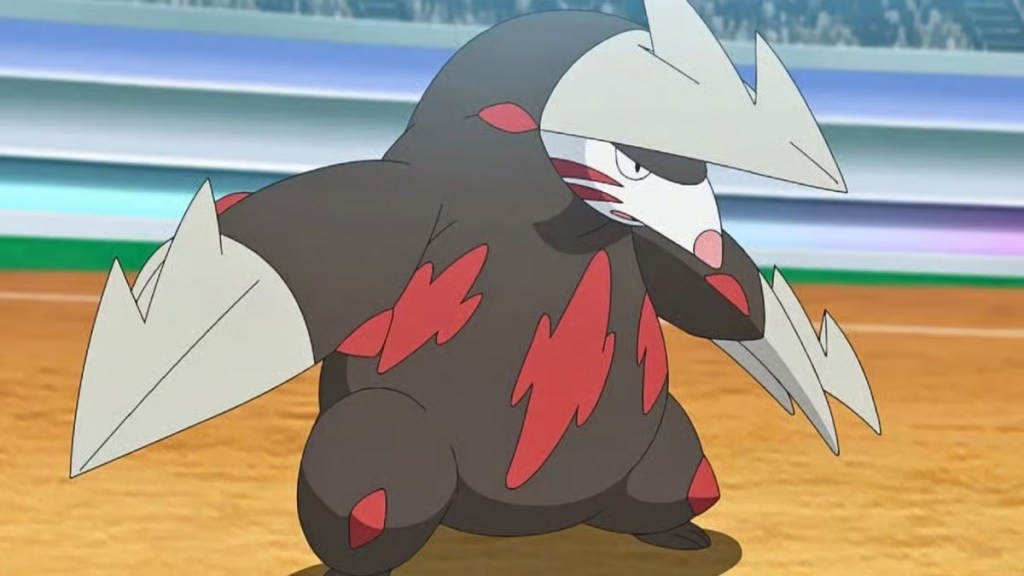
Ground-type has some of the highest Special Defense, and any Pokemon with this type can work great against Steel, Poison, Rock, Fire, and Electric. This is also one of the best types to use in Pokemon GO Trainer Battles, with great options like Groudon and Excadrill.
Rock
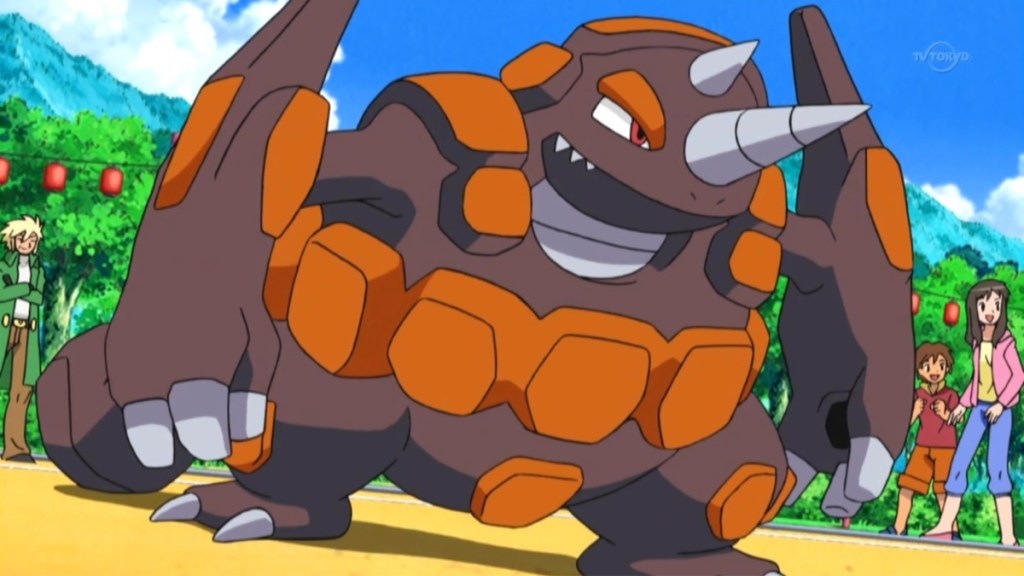
Rock-type has to be one of the sturdiest types in Pokemon. They have a very high Defense and Special Defense, and work great in any neutral matchup. However, it has five weaknesses: Water, Grass, Fighting, Ground, and Steel, making it defensively fragile. Tyranitar, Rhyperior, and Aerodactyl are well-known Rock-types.
Psychic
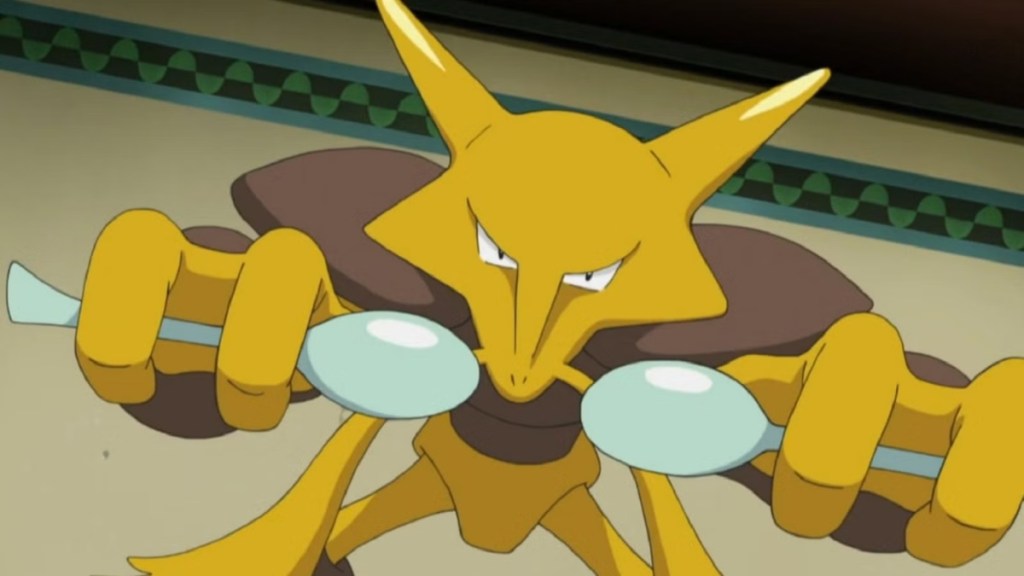
Psychic-type was dominant in Pokemon Generation I due to limited counters, and it remains a strong type today. It’s super effective against Fighting and Poison, with weaknesses to Bug, Ghost, and Dark. Mewtwo is the most iconic Psychic-type, and others like Gardevoir, Alakazam, and Lunala are also highly regarded.
Ice
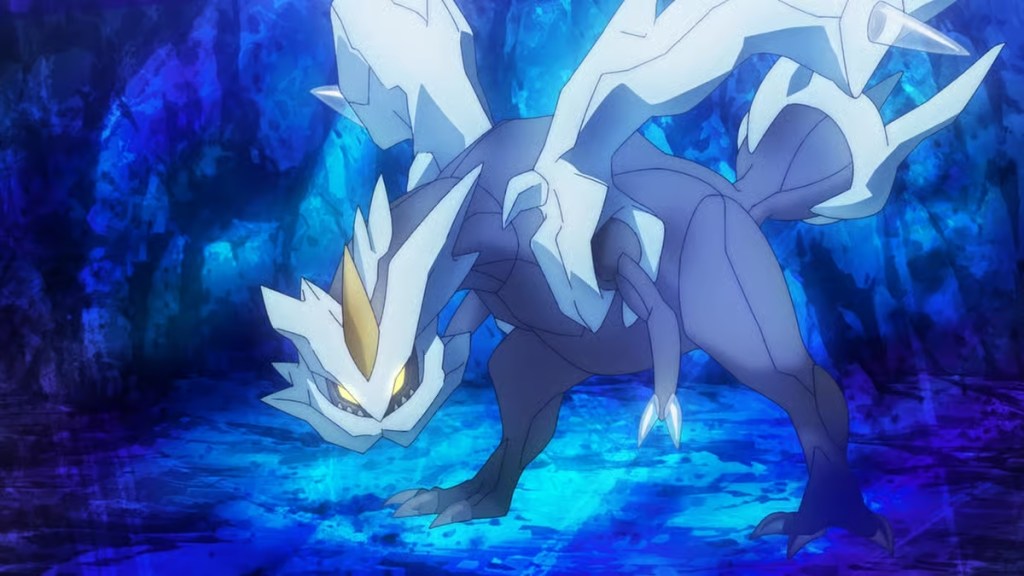
Ice-type is a powerful offensive Pokemon type, super effective against Dragon, Flying, Grass, and Ground, which are four very common types. However, it’s one of the worst defensive types, with four weaknesses and only one resistance (itself). Kyurem and its fusion forms (Black Kyurem and White Kyurem) are among the best Ice-types across mainline games and Pokemon GO.
Bug
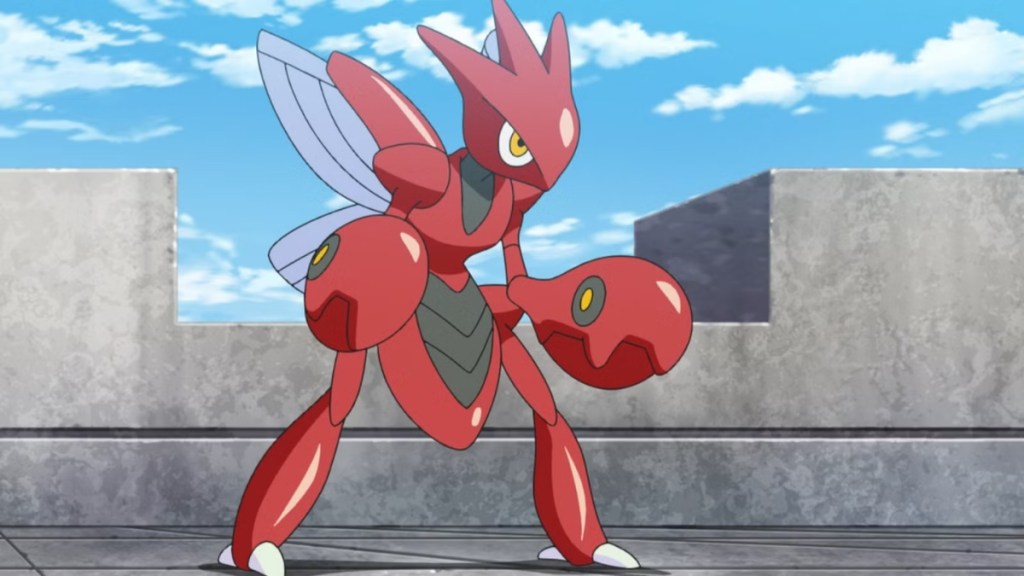
Bug-type is often considered one of the weaker types due to its limited offense and lower base stats on many Bug Pokemon. It’s super effective against Grass, Psychic, and Dark, but is resisted by seven types. That said, Bug-types like Volcarona, Scizor, and Genesect can be very effective when used strategically.
Ghost
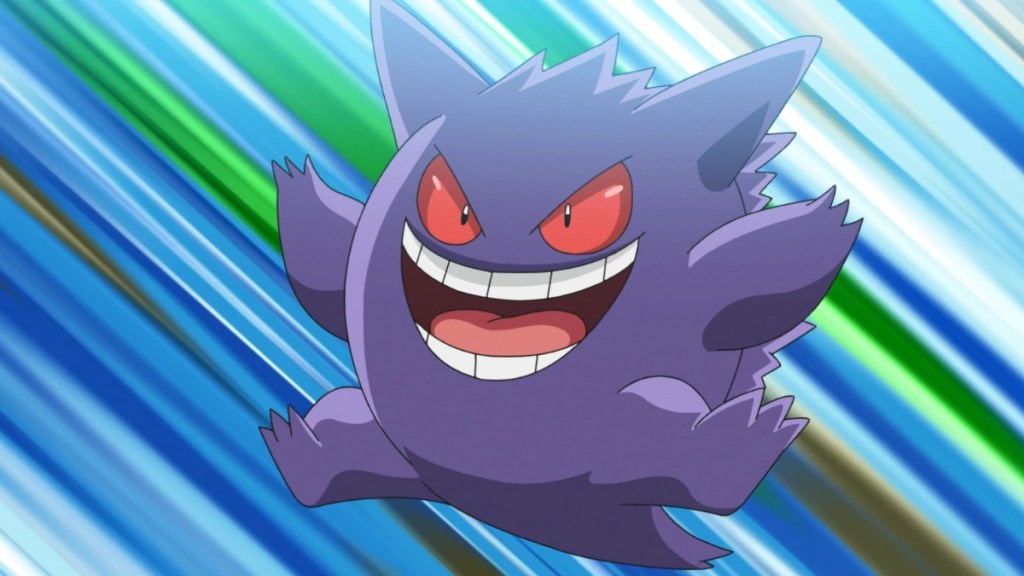
Ghost-type Pokemon are mischievous, and most of them have dual typing. It’s super effective against Psychic and Ghost, and weak to Ghost and Dark. Notable Ghost-types include Gengar, Dragapult, Lunala, and Giratina, many of which carry powerful dual typings.
Steel
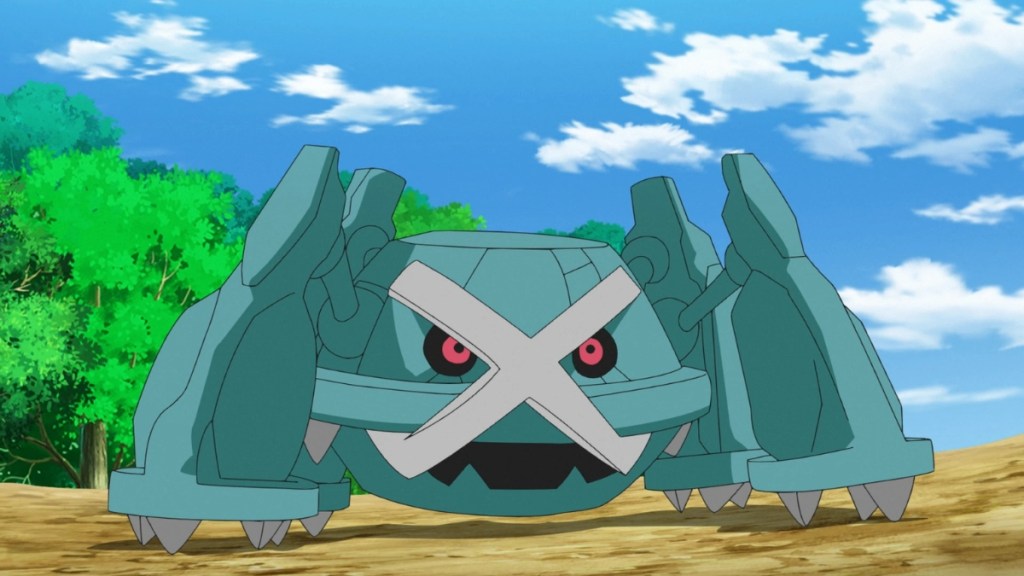
Steel-type is arguably the best defensive type in the game, right before Dragon. Pokemon that share this type are quite chunky. On top of that, Steel resists 10 types and is immune to Poison, while only being weak to Fire, Fighting, and Ground. Top Steel-types like Metagross, Melmetal, and Dialga are highly valued in both competitive play and Pokemon GO.
Dragon
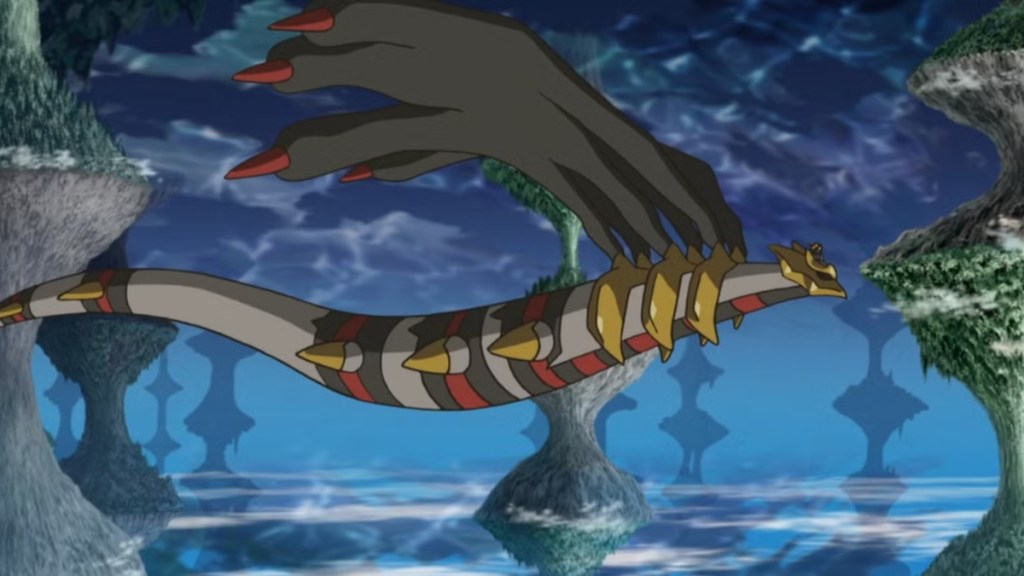
Dragon-type is known for housing some of the most powerful and iconic Pokemon in the series. It’s super effective against itself and resists Fire, Water, Grass, and Electric. Many Legendary Pokemon share the Dragon type, including Rayquaza, Dialga, Zekrom, and Giratina. Its main counters are Ice, Fairy, and Dragon.
Dark
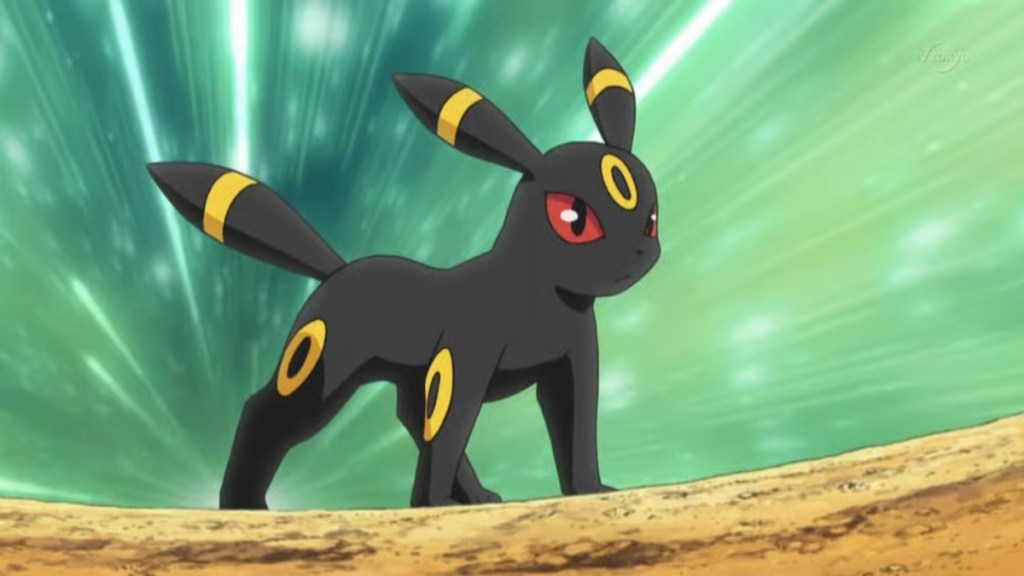
Dark-type was introduced in Pokemon Generation II (Gold & Silver) alongside Steel to balance the type chart, specifically to counter the dominance of Psychic-types in Generation I. It’s super effective against Psychic and Ghost, and immune to Psychic-type moves. Some of the competitive Pokemon used in dark-type include Umbreon, Darkrai, Tyranitar, and Sableye.
Fairy

With Gen 6’s release, the Fairy-type was added to curb the dominance of Dragons. It’s super effective against Dragon, Dark, and Fighting, while being weak to Steel and Poison. Fairy-type is also immune to Dragon-type moves. Moreover, this type has some of the cutest Pokemon, like fan favorite Togepi.
Stellar (BONUS)
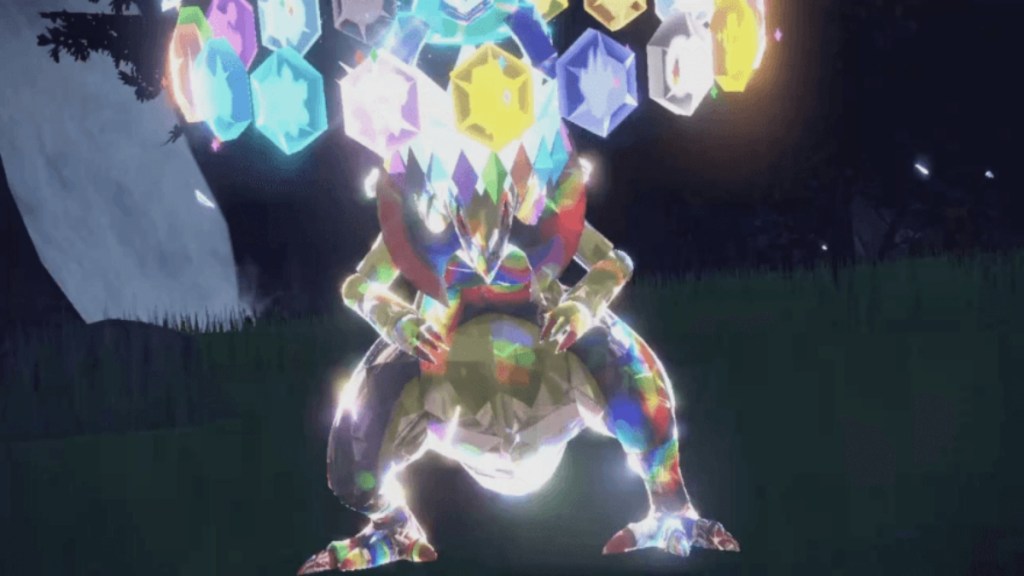
Stellar is a special Tera Type introduced in Pokemon Scarlet & Violet’s DLC, The Indigo Disk. Unlike the standard 18 types, Stellar isn’t a traditional type as it can only be accessed through Terastallization. When a Pokemon Terastallizes into Stellar type, it gains a one-time damage boost for each move type it uses, but retains its original type’s weaknesses and resistances.
Visually, Stellar Pokemon are coated in a crystallized rainbow aura with a crown of 18 diamonds representing every type. All Pokemon can Terastallize into Stellar type in Scarlet & Violet, except Ogerpon, while Terapagos has a unique relationship with the Stellar type as its signature form.
Pokemon Type Chart Changes Across Generations
Did you know that Pokemon didn’t have all 18 types when it first started? Originally, there were a total of 15 types that were released in the first Pokemon game: Red and Green in 1996. At that time, Dragon and Psychic Pokemon ruled the meta as the best types. That’s when the Dark and the Steel types were added a few years later in Generation II Pokemon Gold and Silver in 1999. These two types were also added in Pokemon FireRed and LeafGreen, the remakes of the first Pokemon games.
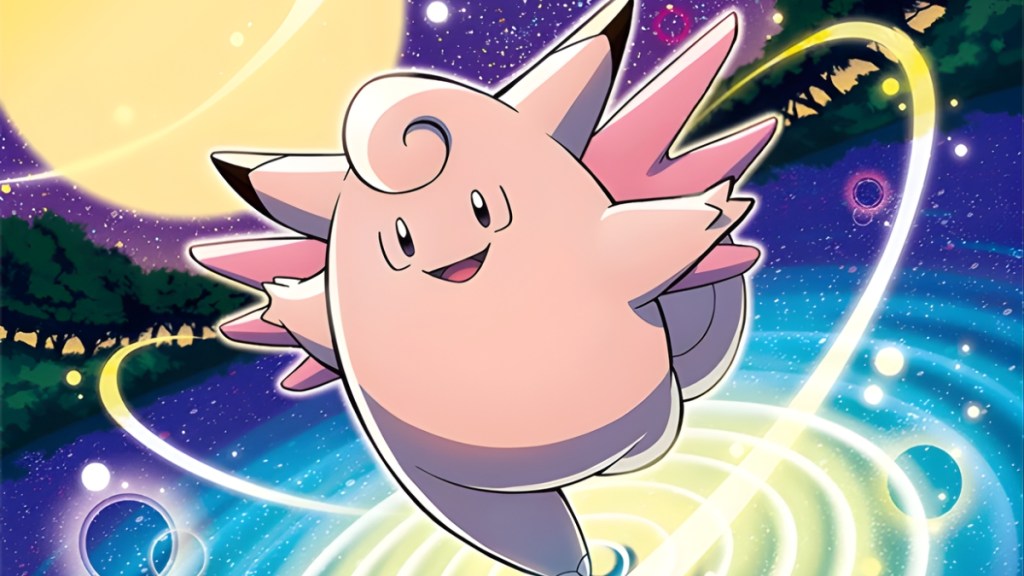
Yet, there felt to be an imbalance in the types. And to balance it out, the Fairy type was introduced, with the release of Pokemon X and Y in October 2013. Fairy-type was added as an extra counter against Dragon, Dark, and Fighting-types. After its release, all the Pokemon that existed were retroactively retyped, and Clefable, for instance, changed from pure Normal-type to pure Fairy-type, and others like Jigglypuff gained Fairy as a secondary type.
Similar to Mega Evolutions in Pokemon Legends ZA and XY, which are Generation 6 games, Scarlet & Violet also got a new feature of Terastallization. This was exclusive to the Paldean region and Generation 9 Pokemon games, and allowed Pokemon to change their types. Scarlet & Violet also introduced the Stellar-type, which can be considered as strong as Mega Evolutions. We can also expect a similar special type, or a 19th original type from the upcoming Generation 10 game, Pokemon Winds and Waves.
What Is the Best Pokemon Type?
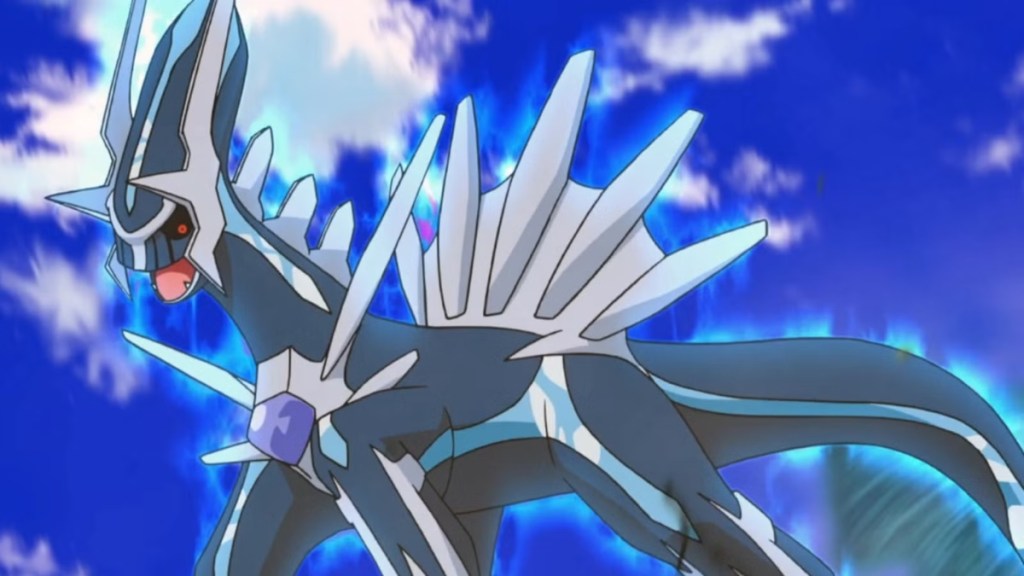
As of now, Steel is the best Pokemon type to ever exist. Steel-type resists a total of 10 different types: Normal, Grass, Ice, Flying, Psychic, Bug, Rock, Dragon, Steel, Fairy, and is immune to Poison. On top of that, it has only three weaknesses: Fire, Fighting, and Ground. Offensively, Steel also hits key types like Fairy, Ice, and Rock for super effective damage, giving it solid coverage on both sides of the battle.
With such a dominant set of resistances, Steel-type is a staple on competitive teams across every format. Many Steel-type Pokemon also boast high Defense or Special Defense stats, and their dual typings often create incredibly strong defensive profiles and Corviknight (Steel/Flying), Heatran (Fire/Steel), and Ferrothorn (Grass/Steel) are prime examples of how versatile Steel can be when paired with the right secondary type.
That wraps up everything you need to know about all the Pokemon Types and the Type Chart. What is your favorite type? Let us know in the comments below!
There are a total of 18 Pokemon types. However, a 19th type was added in Generation 9, as a special type.
Grass-type and Rock-type Pokemon have the most weaknesses.
Normal-type and Electric-type Pokemon have the fewest weaknesses.
No. While most of the type chart is the same in Pokemon GO, there’s no concept of immunity in the game, along with different Type Effectiveness multipliers.
STAB or Same Type Attack Bonus is a damage boost that automatically applies when a Pokemon uses a move that matches one of its own types.
While it is not officially confirmed, we can expect new special types in the upcoming Gen 10 game Pokemon Wind and Waves, similar to Gen 9 Pokemon Scarlet & Violet.