
- Microsoft confirms Project Helix will be a console that plays PC games, not a gaming PC.
- Xbox wants instant access to games, customizable settings, and backward compatibility.
- Project Helix will focus on neural rendering, improved graphics, and cross-device gaming.
Microsoft has clarified that its next-generation Xbox, codenamed Project Helix, will be a traditional gaming console capable of running PC games rather than a gaming PC that also supports console games. The company also shared more details about its plans for the new hardware, which will use a custom AMD processor, including backward compatibility, graphics technology, and a unified Xbox experience across devices.
In the official Xbox 25th Anniversary Magazine, Xbox Vice President of Next Generation, Jason Ronald, explained Microsoft’s vision for Project Helix. “Helix is designed to be a console capable of playing games from your PC,” Ronald said, adding, “It is not a PC that can also play console games.”
Xbox Project Helix Will Combine Console Simplicity With PC Flexibility
Ronald explained that Microsoft wants players to enjoy the convenience of a traditional console without dealing with operating system updates, drivers, or complicated settings. Players should be able to launch their games instantly, while those looking for more control will still have options to customize settings and performance.

This unified approach builds on Microsoft’s experience with the ROG Xbox Ally handheld. Ronald revealed that feedback from players using the handheld, particularly its Xbox Mode and unified gaming library, has helped shape Project Helix’s development.
Microsoft wants to create a familiar Xbox interface that works across consoles, PCs, handhelds, TVs, and other screens. Backward compatibility is another crucial part of that vision. Xbox wants players to retain access to their existing game libraries and progression across four generations of Xbox consoles. The company has also expanded Xbox backward compatibility on PC as part of its 25th anniversary celebrations.
To achieve these goals, Microsoft has been working closely with its first-party studios since the early stages of development. Developers were asked about their creative ambitions and the technical limitations they wanted future hardware to overcome.
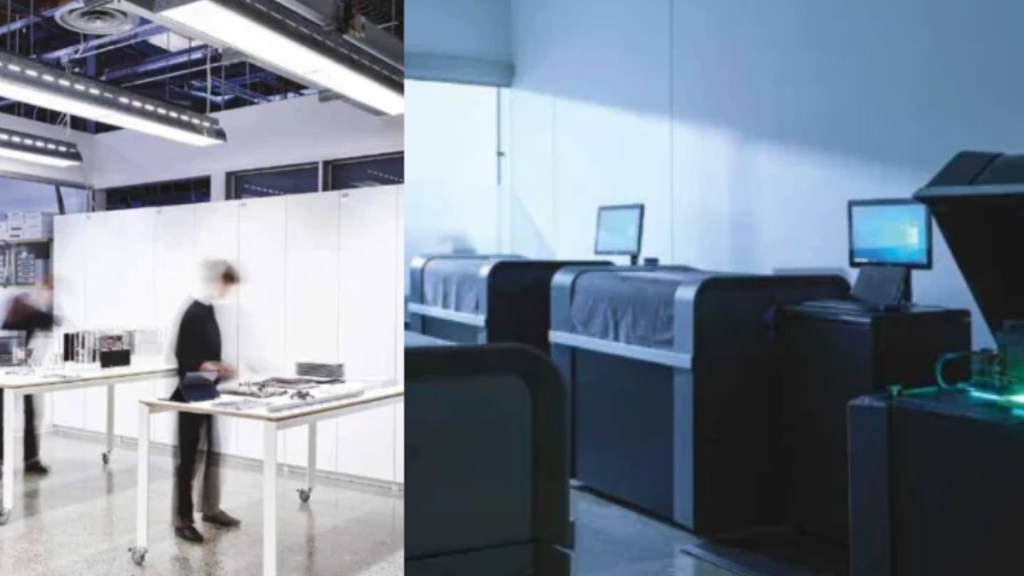
The company is also using its Human Factors Lab to study controller ergonomics and accessibility, while its Advanced Prototyping Center tests hardware designs using CNC machines and industrial 3D printers.
Beyond the hardware design, Microsoft is exploring neural rendering to deliver higher visual fidelity more efficiently. Ronald explained that the next generation should focus on deeper immersion and new gameplay experiences rather than simply chasing specifications such as 8K resolution or 240Hz refresh rates.
However, rising component costs like RAM prices remain a challenge. Ronald acknowledged that the ongoing component crisis is making gaming hardware more expensive, forcing Microsoft to balance technological improvements with affordability. These decisions also reflect how gaming habits are changing.
Players now expect to switch between consoles, PCs, handhelds, and other devices without losing access to their games or progress. Project Helix aims to reduce those traditional platform barriers while retaining the familiar Xbox experience.
While alpha hardware is expected to reach developers in 2027, its official release date, pricing, and final launch lineup remain unannounced.