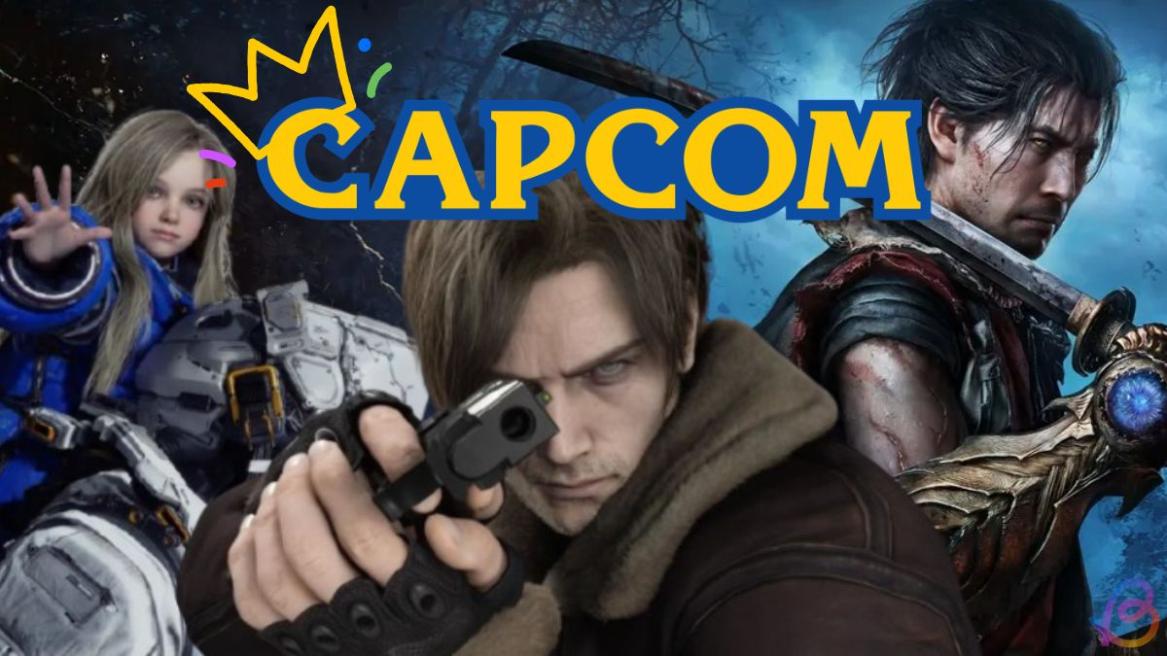
The entire gaming industry has spent the last year holding its collective breath for GTA 6, treating it as the only release that matters. Yet, while everyone has their eyes glued to Rockstar’s return to Vice City, Capcom, the legendary Japanese publisher, has been quietly executing the most flawless combo in modern gaming history.
We are nearly halfway through the year, and the reality is that the gaming crown is already firmly in place. This makes Capcom the actual final boss of the 2026 video games calendar and not Rockstar. Here’s how they are doing everything right.
Capcom’s Early Hattrick Is Already the Story of the Year
While the world waits for GTA 6 to break the internet this November, Capcom has already dominated the year. And let’s be honest, it is just the spring of 2026. Capcom did so with three back-to-back hits: Resident Evil Requiem, Monster Hunter Stories 3, and the breakout success of Pragmata.
Another Resident Evil, Another Hit
It takes an absurd level of institutional confidence to stack your release calendar this heavily. And well, the gambit has paid off in spades. Capcom kicked off the year with Resident Evil Requiem, a masterclass in survival horror that proved the undead are dead set on remaining highly profitable.
RE: Requiem sold over 6 million units globally as of mid-March 2026, becoming the fastest-selling game in the franchise’s 30-year history. It is also the best-selling game of the year so far in the US, which is a massive deal.
And if it were any other publisher, the year would end with that banger. But it is Capcom after all, they always go for the KO. So, after Requiem, came Monster Hunter Stories 3. This sequel is a genre-bending, creature-collecting RPG that devoured our free time like a hungry Rathalos crashing an all-you-can-eat buffet. Despite being a niche game, it sold over a total of 54,906 physical copies and remained in the top 3 of Steam sellers chart.
And finally, we were hit with Pragmata, which cemented this run not just as a lucky streak but as a masterfully orchestrated campaign. My daily editorial grind usually involves analyzing the metagames of shooters like Deadlock and Valorant. Yes, I also enjoy Roblox games regularly, but trying new single-player games had been a distant concept for me. Moving gears from those live-service treadmills to digest three massive AAA single-player games felt like a genuine shock to my gaming brain cells.
But the quality here is entirely undeniable. Capcom has moved beyond just releasing games; they have monopolized the cultural conversation. They have engineered a relentless cadence of hits that keeps players perpetually engaged without ever asking them to buy a battle pass or grind daily challenges.
Resident Evil Requiem announced DLC already, and so is the situation with almost any Capcom game. They have the future of their sing-player games planned more clearly than any studio with AAAA games. Another key reason behind Capcom’s triple success comes from risk-taking with new IPs.
Capcom Bet on New IP and Won Big with Pragmata
If you look at the modern AAA landscape, you will find a market that is largely allergic to creative risk. This is characterized by endless remasters, safe reboots, and an obsessive reliance on legacy properties. It is somewhat ironic that Capcom, the undisputed king of the modern remake, is the studio stepping up to challenge this stagnation.
We must analyze how Pragmata defied the industry’s obsession with remakes. It sold an astonishing 1 million units in just 48 hours. By dropping a profoundly bizarre, mechanically complex sci-fi adventure, Capcom proved it can still mint brand-new, high-fidelity franchises. It did so without relying solely on the safety net of existing IP.
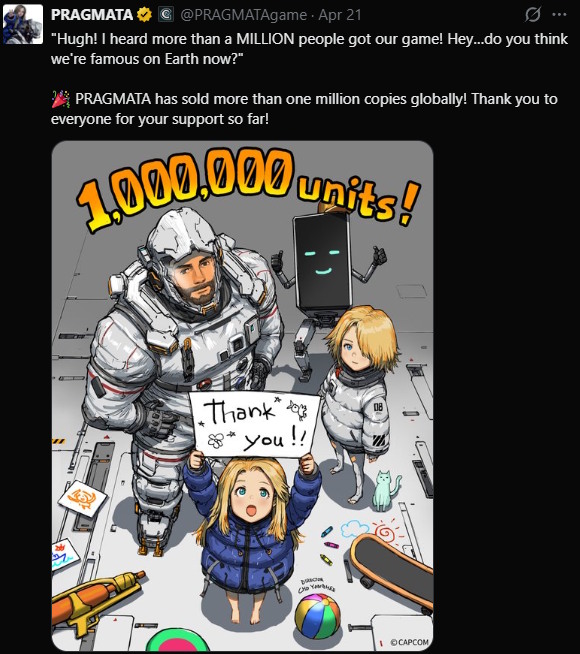
This is not a success story built on the fumes of nostalgia. Pragmata is a triumph of pure creative bravery. The game’s real-time tactical hacking systems stand out. So does the narrative weight of the android-human dynamic. Together, they provide a massive breath of fresh air.
By refusing to compromise on a wildly original vision, the developers kept the focus tight. The shorter, filler-free campaign makes a perfect hook. Capcom cashed in on a decade of accumulated player goodwill. They also proved a simple point. Consumers will show up for new ideas. Execution just has to be uncompromising. And that story will follow with their next sequel, too.
Onimusha Returns to Close Capcom’s Banger Year
After proving it can build new worlds from scratch, Capcom pivots. It reminds us it still knows how to handle its most requested legacy properties. The late-2026 return of Onimusha: Way of the Sword works as the ultimate closer.
The reason is simple. It locks in a “Perfect Season” with an eagerly anticipated sequel to cap off the year. A brand-new IP like Pragmata captures the imagination. A sharp, mechanically flawless samurai action sequel provides the anchoring stability hardcore fans crave.
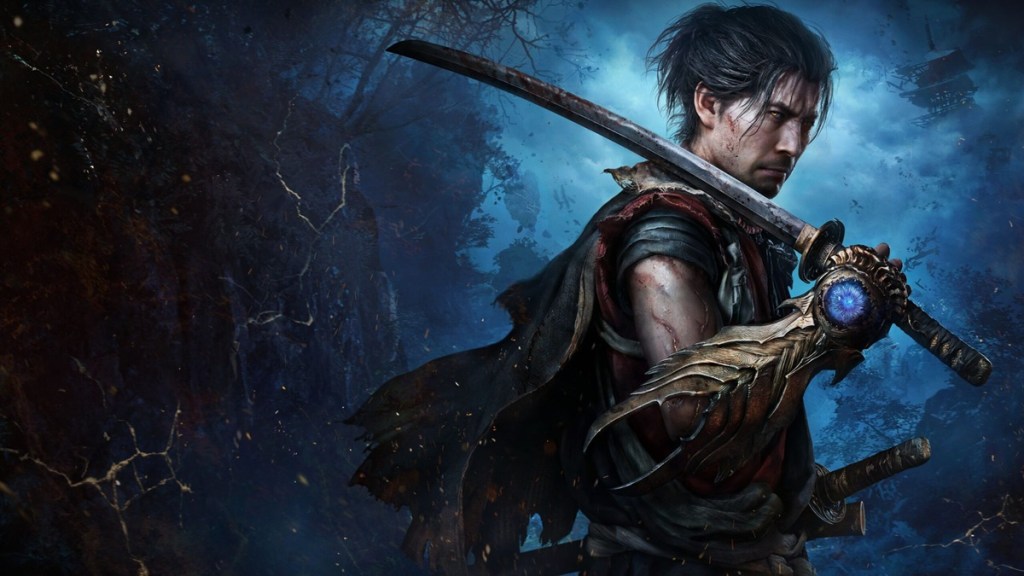
This dual-pronged approach is clear. Original sci-fi pushes boundaries in the spring. Demon-slaying nostalgia lands in the fall. Yes, the same window for the GTA 6 release date. But the Capcom games in total offer more consistent value across the calendar than a single high-budget Rockstar Games release.
Onimusha promises crisp parry windows and cathartic combat. It is the punctuation mark on a year of non-stop releases. It ensures players have a reason to boot up a Capcom title in every quarter. But is it just the game’s story or gameplay?
RE Engine: The Backbone of Capcom’s Dominance
Of course, none of this software dominance happens by magic. It rests on a strong base of proprietary tech. A close look at the RE Engine shows why it stands as one of the most optimized techs in the industry today.
In an era where many AAA releases ship in rough shape, it feels rare. Large day-one patches are common just to reach a stable frame rate. The RE Engine avoids that pattern. It delivers a consistent experience across high-end hardware like PlayStation 5 Pro and new platforms such as Nintendo Switch 2. It scales with a level of polish that few studios match in 2026.
Most Western game dev teams switched over to Unreal Engine 5. This brings a set of issues, including frame drops and uneven performance overall. Capcom’s in-house tech gives it full control of the pipeline.
RE Engine handles the tight, photoreal spaces of Resident Evil. The engine is so optimized that RE9 runs easily with GeForce Now. In our testing, Requiem ran at 60 FPS on both iPhone 15 and Nothing Phone 2a.
This amount of support shows how solid a performance RE Engine can produce. It supports the bright, stylized worlds of Monster Hunter. It also powers the dense systems and effects in Pragmata.
Each release builds on the last. This lowers the development time, and internal knowledge grows. What is often a high cost for large studios becomes a sharp advantage here. But is Capcom stopping at the video game space anymore?
Capcom Takes the Fight to Hollywood
When we discuss industry titans, there is a common belief that Rockstar Games holds a unique grip on the mainstream cultural moment. Only a Grand Theft Auto 6 launch can break out of the gaming bubble and become a global event. Capcom is starting to challenge that view. It is expanding far beyond consoles and into film and television.
The upcoming Street Fighter movie sits at the center of that push. It is not a small project. A wide theatrical release puts the brand in front of audiences who may never pick up a controller. Moreover, the Street Fighter movie cast list is packed with recognizable names like 50 Cent, Noah Centineo, Jason Momoa, and more. This brings in more attention from outside the usual gaming crowd.
SF movie is not the only movie Capcom is making in 2026 to go mainstream. It also has a new Resident Evil project lined up and the second season of Devil May Cry arriving this year.
We have already seen how strong adaptations can boost interest. Fallout and The Last of Us both drove players back to their source material. A big-budget Street Fighter film works the same way. It acts as a two-hour showcase for one of Capcom’s core franchises. It pulls in new viewers, brings back older fans, and keeps the brand active in public conversation.
By showing up in cinemas and on streaming platforms while also releasing strong games, Capcom builds a steady presence across media. The message is clear. Capcom is no longer just a game publisher. It is building a broader entertainment footprint that can stand alongside the biggest names in the industry.
We love to build towering monuments to mega-releases. We act as if gaming only moves forward when a two-billion-dollar crime simulator finally hits the shelves. But Capcom’s 2026 run tells a different story. It is a masterclass in operational control and artistic range. The studio reached beyond $400 million in revenue on Steam alone.
Capcom shows that the industry doesn’t need one giant release anymore. That leaves a necessary question the executives should be asking now. As budgets swell and timelines stretch into full decades, is the high-stakes, eggs-in-one-basket model tied to Rockstar Games still the peak? Or has Capcom quietly laid out a more durable path for the industry’s future?




 Ishan Adhikary

![[OPINION] GTA 6’s Ultimate Edition May Have Fans Reaching for the Upgrade Because of FOMO](https://static.beebom.com/wp-content/uploads/2026/06/gta6-lucia.jpg?w=300&quality=75)
 Rishabh Sabarwal


 Ajith Kumar