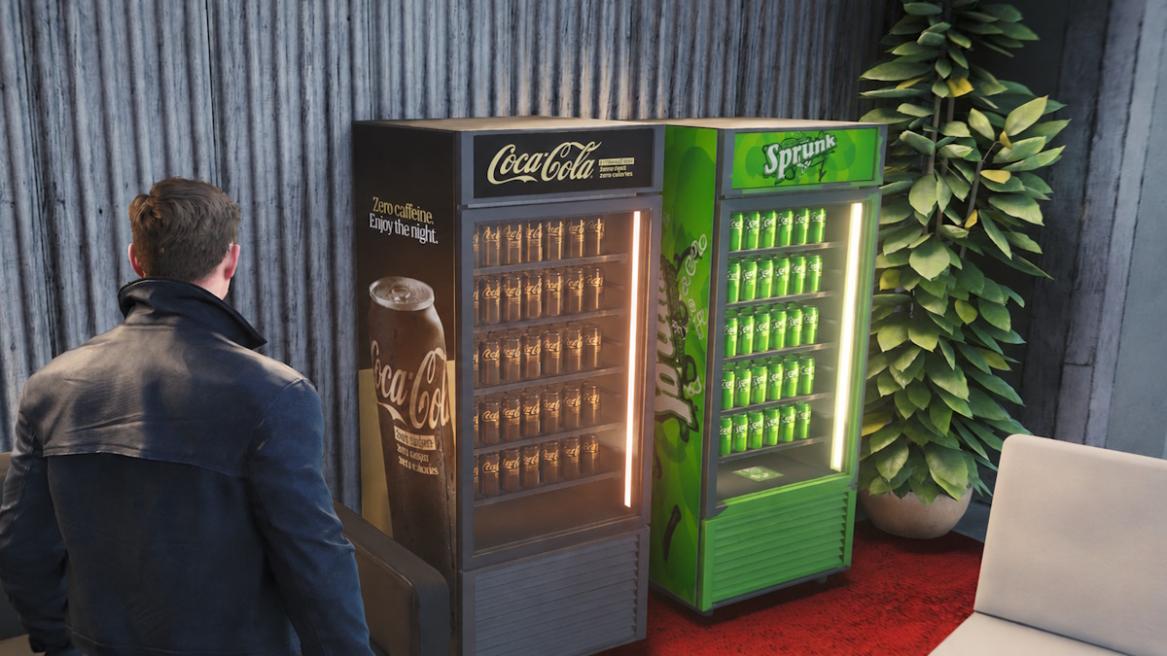
The idea of paying $70 on a product that shows you ads can feel like quite the anti-consumer concept. Yet millions of people pay that amount to buy video games with ad placements, and to be fair, these advertisements are way better than what we see in movies.
They drive Aston Martins in 007 First Light, race Ford and Ferrari vehicles across Japan in Forza Horizon 6, pass hundreds of billboards in Grand Theft Auto V, and run through sponsor-covered stadiums in EA Sports FC. Somehow, none of it feels like advertising. In many cases, removing those brands would actually make the games worse. Or at least, take away their unique identity.
That is the strange advantage video games have over movies. Product placement in films often feels like an obligation. Ad placements in video games feel like world-building.
Video Games Let Brands Live Rent-Free in Their Worlds
The biggest difference between games and movies is simple. Video games, in most cases, need believable worlds. A city without advertisements feels artificial. A football stadium without sponsors looks unfinished. A racing festival without major car manufacturers makes little sense.
Real life is filled with brands, logos, and advertisements, and games often recreate those environments in remarkable detail. That is why some of the most successful video game ad placements barely register as advertisements. They are environmental details that help sell the illusion.
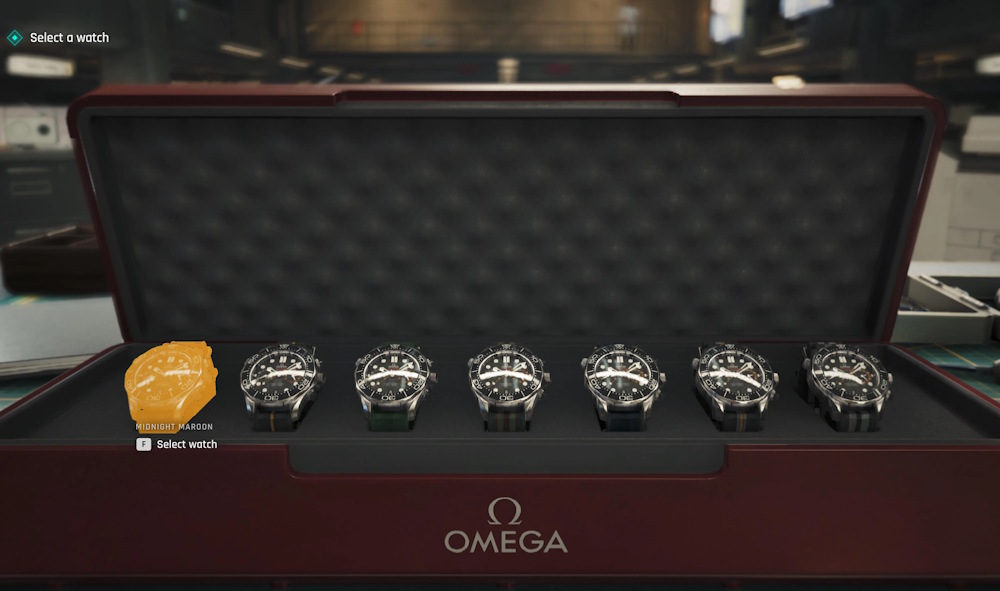
The recently released 007 First Light is a perfect example. The game features Aston Martin, Omega, Coca-Cola, Land Rover, and several other recognizable brands throughout Bond’s journey. Yet the ads in 007 First Light never feel intrusive because those companies have been part of the James Bond identity for decades.

Nobody sees Bond driving an Aston Martin Valhalla and thinks about corporate partnerships. They think about James Bond. The placement succeeds because it serves the character first and the brand second. And even the community has taken a positive view of a good ad placement.
A Great In-Game Ad Can Be as Memorable as a Quest
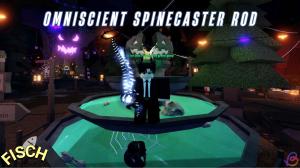
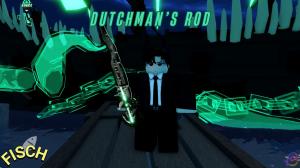
When product placement works in games, it usually makes the fantasy stronger. The Forza Horizon series would lose part of its appeal without real manufacturers. The entire experience revolves around collecting dream cars and driving them through a beautiful open world. Seeing Ferrari, Lamborghini, Ford, and Porsche logos is not a distraction. It is one of the reasons players show up in the first place.
Sports games operate the same way. EA Sports FC and NBA 2K are filled with sponsor boards, arena advertisements, and branded partnerships. Remove them, and the presentation immediately feels less authentic.


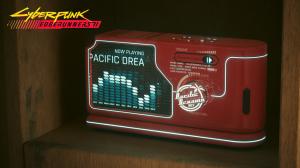
Beyond these common tropes, there are many unusual examples as well. Death Stranding’s Monster Energy partnership sparked plenty of discussion, but it also became one of the most memorable product placements in modern gaming. Players interacted with the product directly instead of watching it sit on a table in the background of a cutscene.
The best ad placements in video games are not trying to grab attention. They are trying to convince players that the world is real. But it is not just about making everything feel real.
Rockstar’s Fake Companies Have Better Marketing Than Some Real Ones
Perhaps the strongest argument comes from a studio that rarely uses real companies at all. Grand Theft Auto is one of the most advertisement-filled franchises in gaming. Its cities are packed with billboards, radio commercials, storefronts, and corporate branding. Yet most players never think about GTA as a game full of ads.
That is because Rockstar created its own ecosystem. Brands like Sprunk, eCola, Cluckin’ Bell, and Ammu-Nation feel like genuine businesses operating inside the world. They make Los Santos feel busy, chaotic, and alive. More importantly, they demonstrate that successful ad placements in video games are not really about advertising.

Rockstar proves that a believable brand, even a fictional one, is often more valuable than a real logo awkwardly pushed into the spotlight. And of course, the real counterparts of the parody brands won’t mind as long as the community is talking about them.
Movies Keep Flexing the Brand Deal While Games Keep You Immersed
This is where movies or TV shows often stumble. Many film placements are designed to ensure viewers notice the product. The camera, logo, and dialogue suddenly become suspiciously specific. Instead of supporting the story, the product becomes the story.
Games take the opposite approach. The strongest ads in video games disappear into the environment. They help players believe the city, stadium, racetrack, or spy fantasy they are exploring. And sometimes they are so well coded into the system that the product is a part of your story. One moment, you are using an Omega watch as your primary gadget in the 007 game, and the other, a blue and white BMW M3 GTR E46 is the protagonist of your NFS Most Wanted story.
This shows that video game ads are not just about the placement of a product like movies; it is about integrating it throughout the world. What are your thoughts on ads in video games? Let us know in the comments.


 Ishan Adhikary

 Ishan Adhikary

![[OPINION] GTA 6’s Ultimate Edition May Have Fans Reaching for the Upgrade Because of FOMO](https://static.beebom.com/wp-content/uploads/2026/06/gta6-lucia.jpg?w=300&quality=75)
 Rishabh Sabarwal