Beebom Score
The world of spies in video games has been operating in a blackout for the better part of a decade. My favorite, Sam Fisher, has been asleep in his trifocal night-vision goggles since Blacklist. While Agent 47’s World of Assassination trilogy is a masterpiece, it doesn’t give me more than just a sequenced sandbox experience. For years, fans of the traditional, shadow-clinging spy thriller have been left waiting for a savior in a tailored suit. Enter 007 First Light, and with that, our detailed review.
Since the days of GoldenEye 007 and Everything or Nothing, Bond games have always carried a certain fantasy. Stylish danger, explosive set pieces, ridiculous gadgets, and just enough stealth to make you feel smarter than everyone else in the room. Somewhere after that era, the magic disappeared.
As a longtime fan of spy stories, I was excited for two reasons: a brand-new James Bond adventure and that it was arriving as a video game rather than yet another Bond movie. Before getting my hands on the 007 First Light review copy, I was skeptical. Part of me feared it would feel like a glorified Hitman expansion wearing a Bond tuxedo, which honestly would not have been the worst thing in the world.

But the moment the game opened up, that doubt disappeared. IO Interactive did not simply borrow the 007 license for familiarity. The studio delivered something that feels strikingly cinematic while still understanding what makes espionage games special. The slow tension, the careful pacing, the pressure of staying composed when every plan threatens to collapse.
So the real question is this: does the new James Bond saga truly understand the spy fantasy, or is it just another cover shooter hiding behind a well-tailored suit? Here’s my review of 007 First Light and why I think when a game like this stands tall, all the overhyped adventures are bound to crumble.
007 Trusts No One and Checks Every Corner
The biggest strength of James Bond’s origin story in 007 First Light is just how committed IO Interactive is to the fantasy. The studio does not leave a single martini unstirred. From the sharp dialogue to the deliberate mission design, this younger Bond constantly steals the scene. Sure, the main plot follows a familiar spy-thriller setup.
Chase the enemy, uncover the betrayal, and question everyone in the room with the suspicious accent. But that simplicity works in the game’s favor because it pulls you deeper into the paranoia. In First Light, you trust nobody and check every corner as your life depends on it. Most of the time, it probably does.
The story throws plenty of deaths (no spoilers), betrayals, and emotional blows your way, but it never loses that classic Bond charm. Even in the middle of a disaster, someone still has enough confidence to crack a joke moments before bullets start flying.
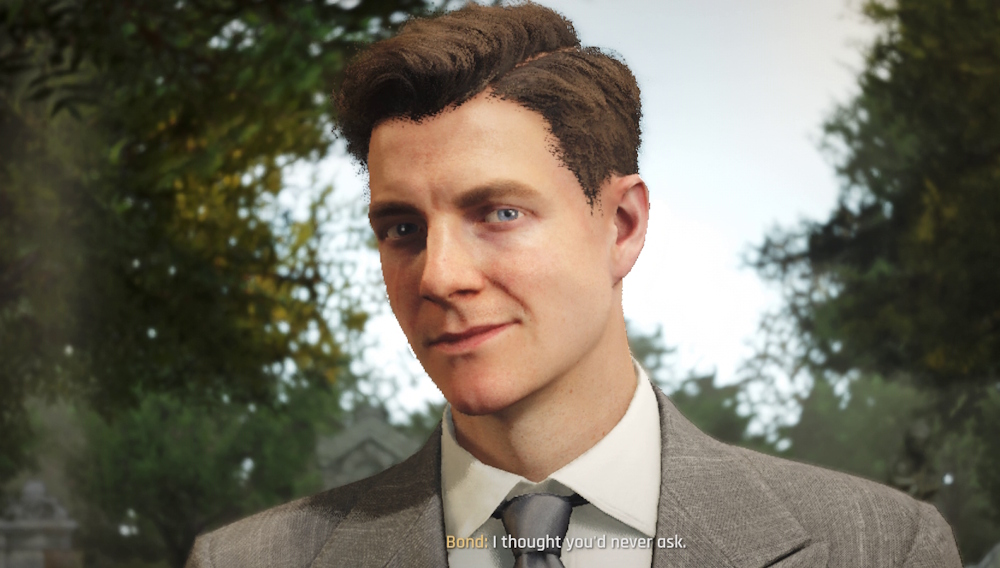
Somehow, it works every single time. Without spoiling anything, this first chapter does a great job showing that, beneath the flirting, bad Bond decisions, and complete disregard for workplace safety, 007 is still a patriot at heart. For him, protecting people comes before finishing the mission. Usually by a very thin margin.
IOI World-Building is Another Lesson Yet to Learn for the Others
What also deserves praise is the world-building surrounding the story. Despite having a linear narrative and a fixed ending, 007 First Light constantly encourages exploration and player freedom. Fittingly enough, it lets you approach missions the way Bond himself probably would. Smooth talking when possible, improvising when necessary, and occasionally causing international incidents when things go sideways.
Several objectives can be completed in wildly different ways, and smart exploration often rewards you with faster solutions. During the Aleph money-making mission (a hell lot of), I managed to collect enough cash within three tasks while my friend needed four. Not to brag, but MI6 should probably start returning my calls any day now.
Every Mission in First Light Has a Backup Plan
That flexibility only works because of the game’s excellent sandbox design, but even more importantly, because the gameplay genuinely fits the Bond universe. Everything from stealth to combat feels built around maintaining tension, improvisation, and style instead of turning Bond into another generic action hero with an unlimited ammo supply and emotional immunity.
Looking Suspiciously Calm Under Pressure
Let us start with the stealth part because, of course, this is a spy game, and spying usually involves being sneaky. Sadly, subtlety is not exactly Bond’s strongest personality trait. In 007 First Light, you are almost always carrying enough weapons to start a small international conflict, but the game smartly refuses to let you go full action hero right away.
Instead, the game pushes you toward infiltration, decision-making, and silent takedowns. Sneak past guards, knock enemies out cold, mess with security systems, and use gadgets so absurdly cool that Q probably violates several laws of science designing them.
Q Branch Clearly Needs No Supervision
In almost every mission, you are practically married to the Q-Watch and Q-Lens. These gadgets handle everything from hacking electronics and stunning enemies to poisoning a brute guard’s lunch like the world’s fanciest workplace prank.
Tired of playing nice? Pull out the missile pen, and suddenly the stealth mission turns into a deleted Fast & Furious scene. The game’s technology feels like Tony Stark locked himself in a Bond villain bunker sometime around 2077 and never came out.
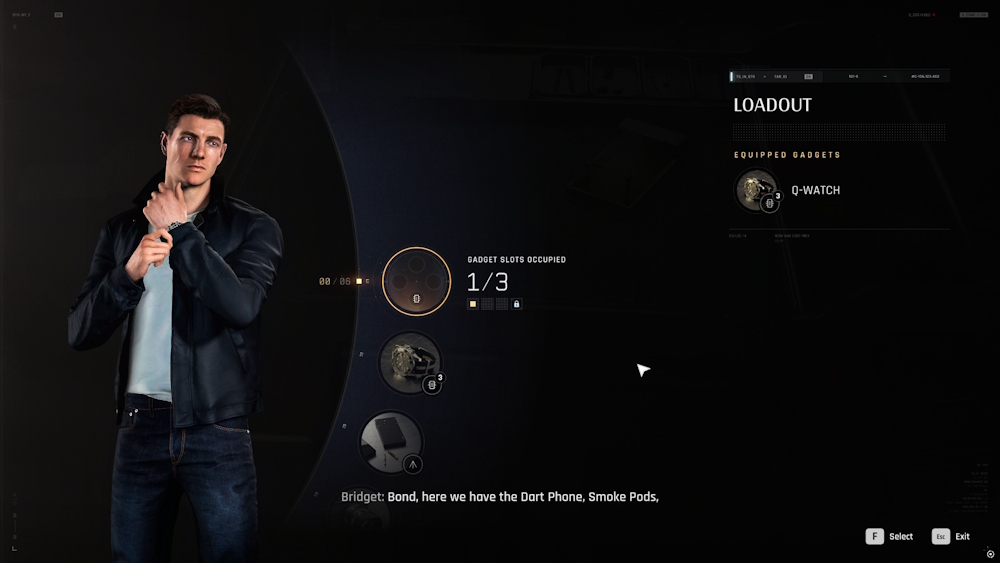
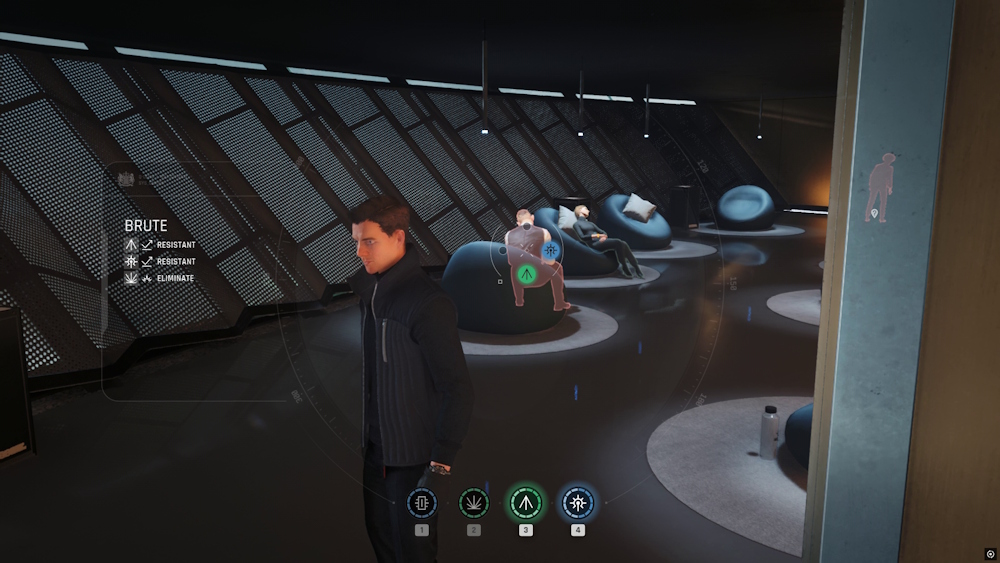
This is the first Bond game since Everything or Nothing where gadgets feel genuinely essential instead of optional toys hidden in a menu.
Talking Your Way Out of Trouble Since 1962
But gadgets are only one part of the equation. First Light also lets you weaponize Bond’s greatest ability: talking nonsense with absolute confidence. Yes, this is where Bond shows how to properly use your mouth in a video game. You can bluff your way through checkpoints, manipulate enemies with sharp dialogue choices, or lure targets into perfectly timed takedowns.
Just eavesdrop, gather intel, and act as if you know them enough. Half the fun is watching heavily armed guards believe the most suspicious man alive simply because he sounds charming enough. And trust me, one wrong decision, and you are pulped to death or a crocodile feast.
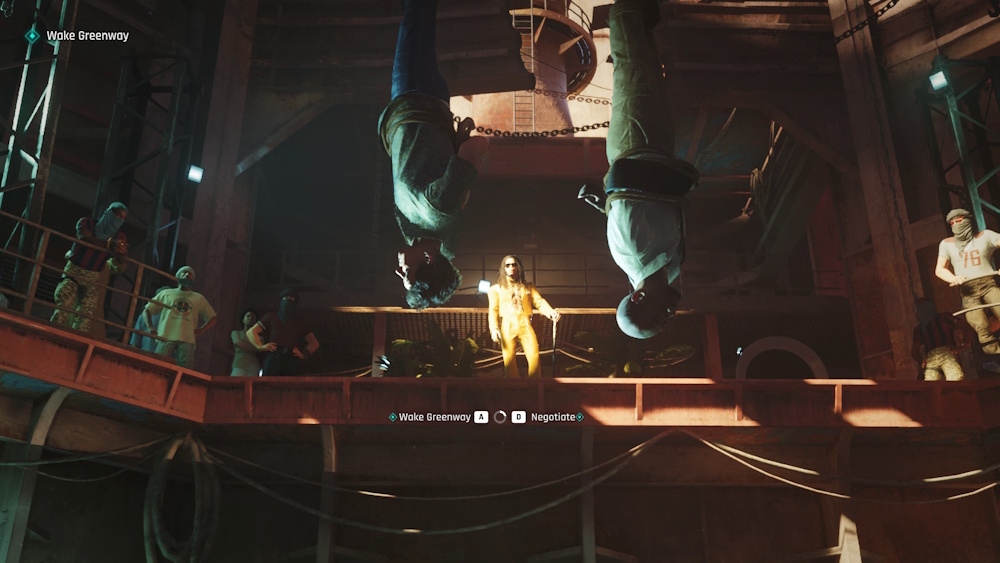
When Diplomacy Fails, Let the Sky Fall
And naturally, when every carefully constructed plan collapses, because this is still James Bond, Plan C activates your license to kill. Combat swings between brutal Arkham-style fistfights and explosive old-school Call of Duty shootouts that fully embrace cinematic chaos. One second, you are silently choking out a guard in the shadows, and the next, you are diving across cover while expensive furniture explodes around you. Bond truly believes property damage is part of espionage.
What really impressed me, though, was how intelligently IO Interactive handles NPCs and enemy AI. Guards are not just mindless obstacles waiting for a takedown animation. Characters casually discuss mission details, security routes, and hidden information during normal conversations, meaning you actually need to listen instead of blindly following glowing markers across the map.
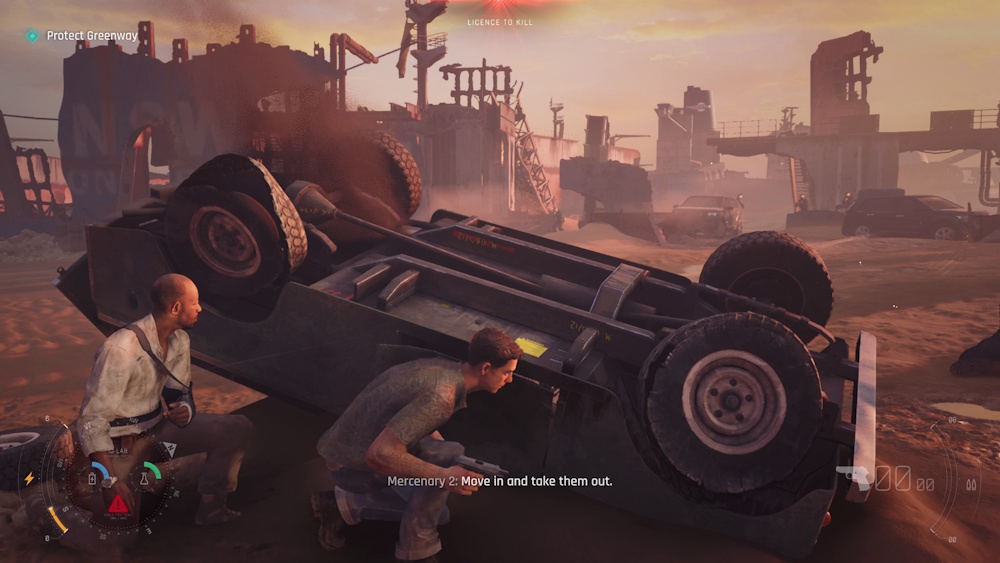
Hitman did something similar before, but First Light feels more demanding. It expects involvement. It trusts players to observe, think, and figure things out naturally. Fans of modern “walk forward and press button during cutscene” design may need a quiet moment in the corner after this one.
Move Like Jagger Bond, James Bond
Speaking of moving forward, Bond is obviously doing far more than just running and jumping around rooftops. Sure, 007 First Light has some genuinely insane parkour sequences that occasionally make Bond look like Ezio Auditore after three tequila shots, but movement is only part of the plan.
While sprinting through collapsing buildings and enemy compounds, Bond can seamlessly pick up weapons, fire on the move, or simply throw the entire gun at someone’s face because, apparently, concussions are also part of MI6 training.
Still Learning How to Drive in GTA? Nobody Does It Better Than Bond
And when running stops being practical, the vehicles arrive to remind you that this is still James Bond. One mission has you chasing 009 through narrow roads in a sleek red sports car, while another throws you into the middle of England, driving a massive truck like you accidentally wandered into a spy version of Top Gear.
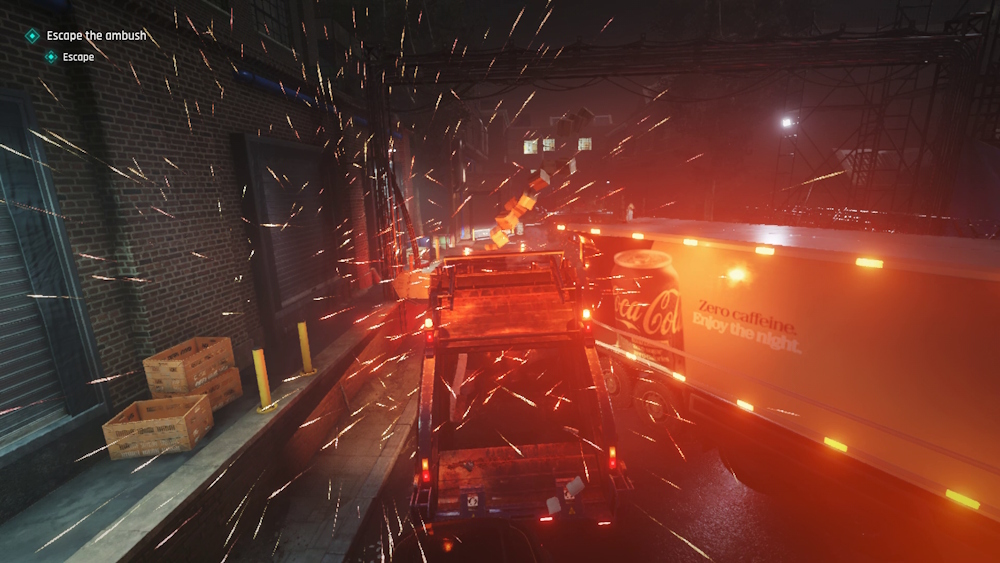
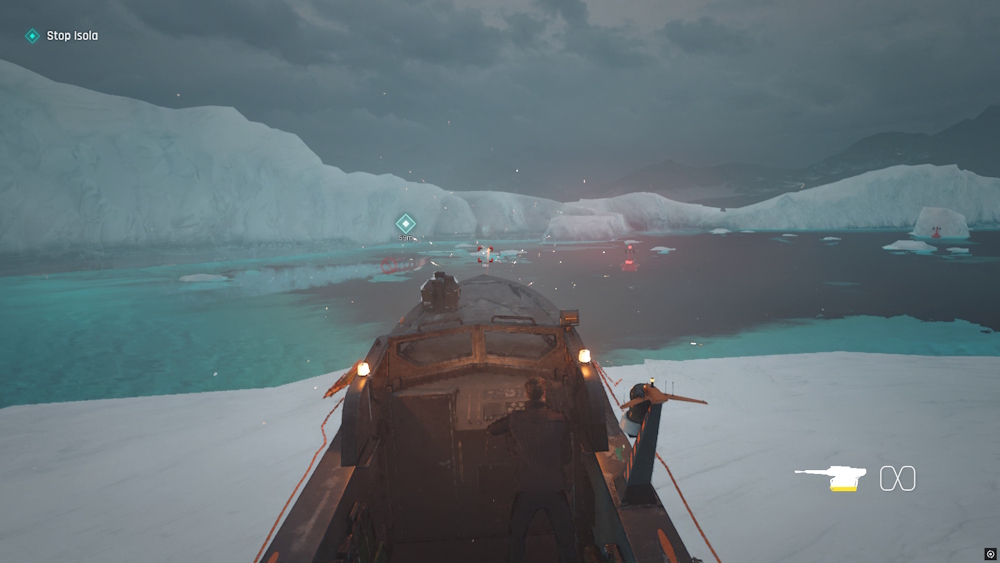
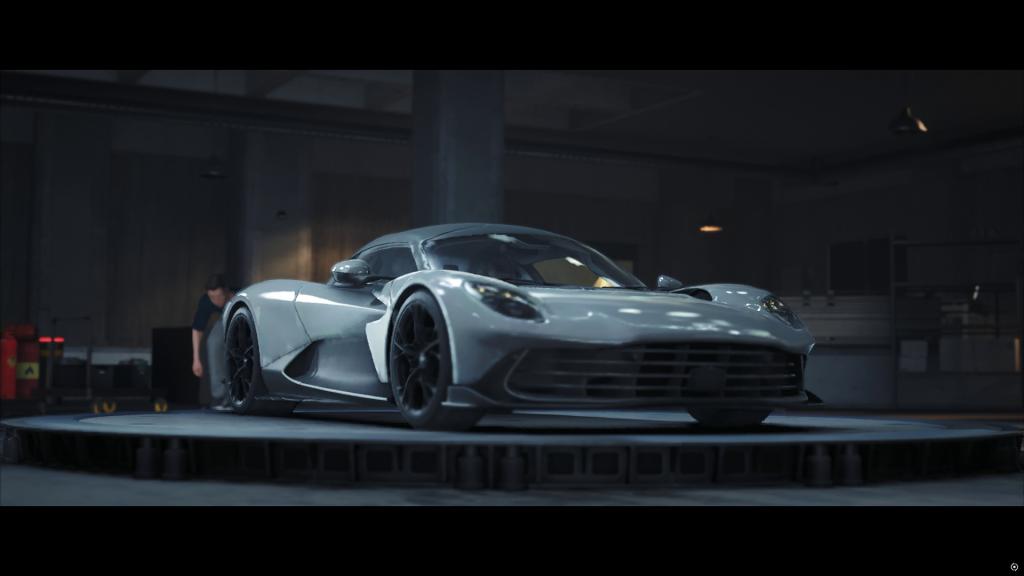
The variety is fantastic, but nothing compares to finally getting behind the wheel of the Valhalla. Yes, that Valhalla. The car feels less like a vehicle and more like an angry billionaire’s midlife crisis on wheels. Sleek McLaren-inspired design, machine guns, missile launchers, and enough speed to make traffic laws feel optional (wish we could drive it outside the goddamn Q lab). At this point, I am convinced Bond only saves the world because MI6 keeps giving him cool cars.
The driving itself strikes a great balance between cinematic chaos and player control. Chases feel explosive without becoming frustratingly scripted, and every sequence carries that signature Bond energy. The vehicle sequences also capture the same chaotic energy Nightfire fans will instantly recognize, except now the driving actually feels good.
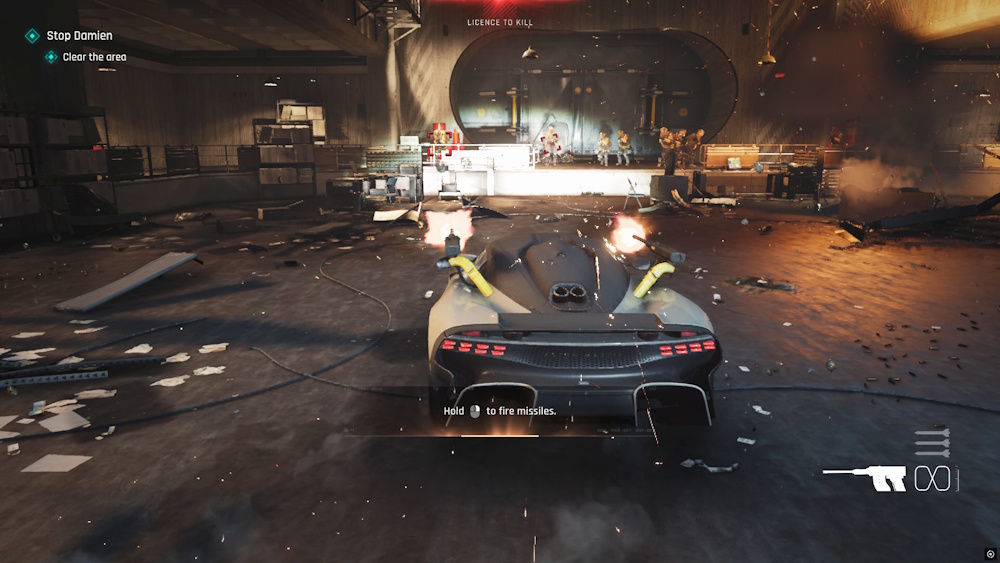
For an origin story, First Light already delivers enough adrenaline to kickstart a new era of Bond games, and if IO Interactive expands the scale of these sequences in future entries, MI6 may need a much bigger insurance budget. Editor, don’t share my crashing scenes with them before the next game, please.
A Spy Fantasy Never Looked Better
To make all those cars, crashes, explosions, collapsing buildings, and even an entire snow-covered desert look this good, IO Interactive once again proves that the Glacier Engine deserves far more respect in modern AAA conversations. And honestly, the team absolutely cooked here.
Before talking pure performance numbers, I need to get something out of the way. Throughout this entire Unreal Engine 5 generation, I have grown tired of how many games chase the exact same visual style. The same lighting tricks, the same recycled assets, the same “hyper-realistic” environments that somehow all blur together after five minutes.
And somehow, despite looking similar, half of them still struggle to maintain stable performance unless you are willing to accept 30 FPS on consoles or turn on enough fake frame generation to qualify as science fiction. Fool me once, shame on you. Fool me twice, and suddenly my GPU sounds like it is preparing for takeoff.
Then, IO Interactive walks in with 007 First Light and casually reminds everyone what proper optimization looks like. From the snowy mountains of Slovakia to the burning deserts of Aleph, from the tropics of Vietnam to the high-tech interiors of MI6 headquarters, every location feels handcrafted and cinematic without losing its identity.
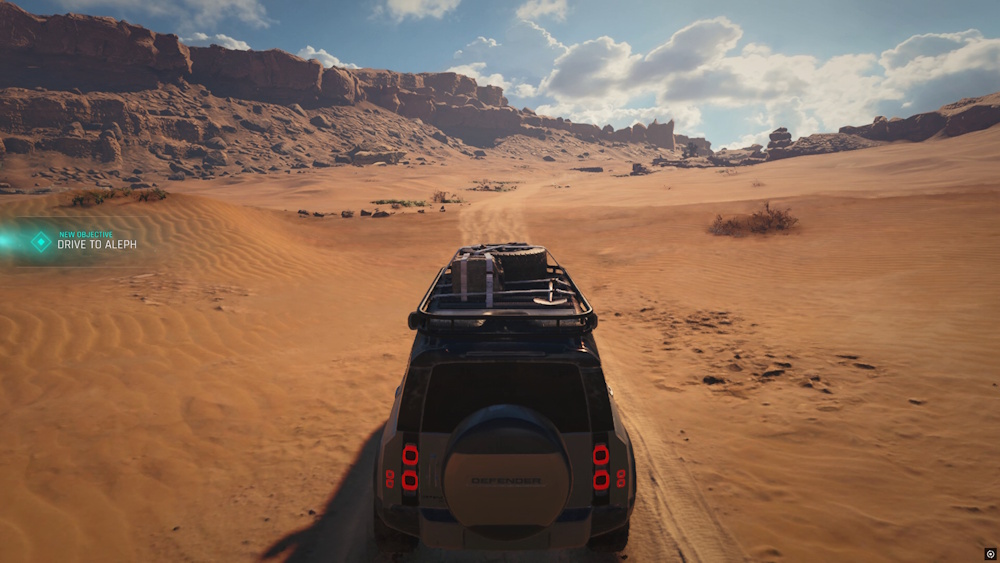
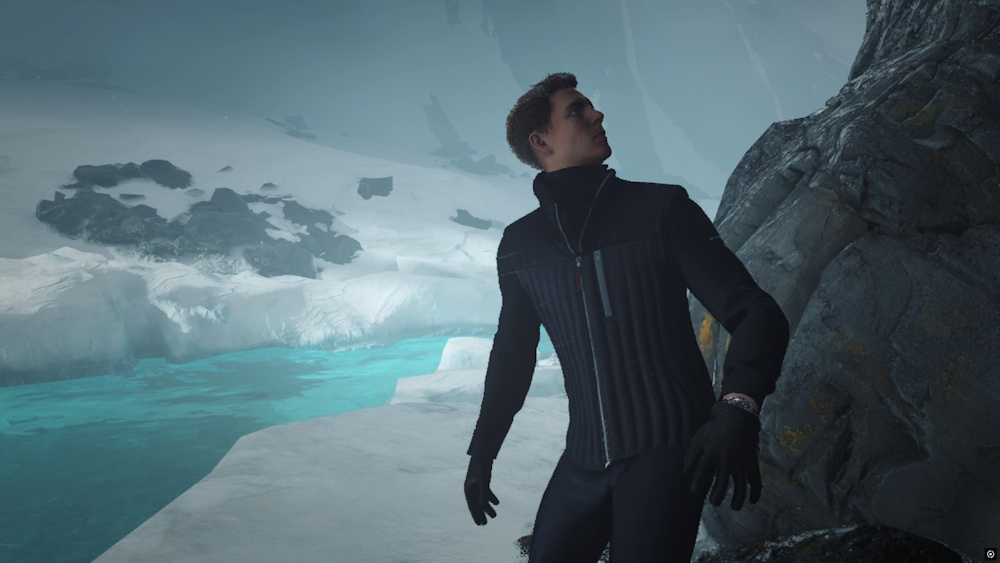

The environments are packed with detail, but more importantly, they actually feel alive. One moment you are quietly sneaking through a lavish chess tournament, and the next you are sprinting across chaos while half the environment explodes around you like Bond forgot the meaning of subtlety again.
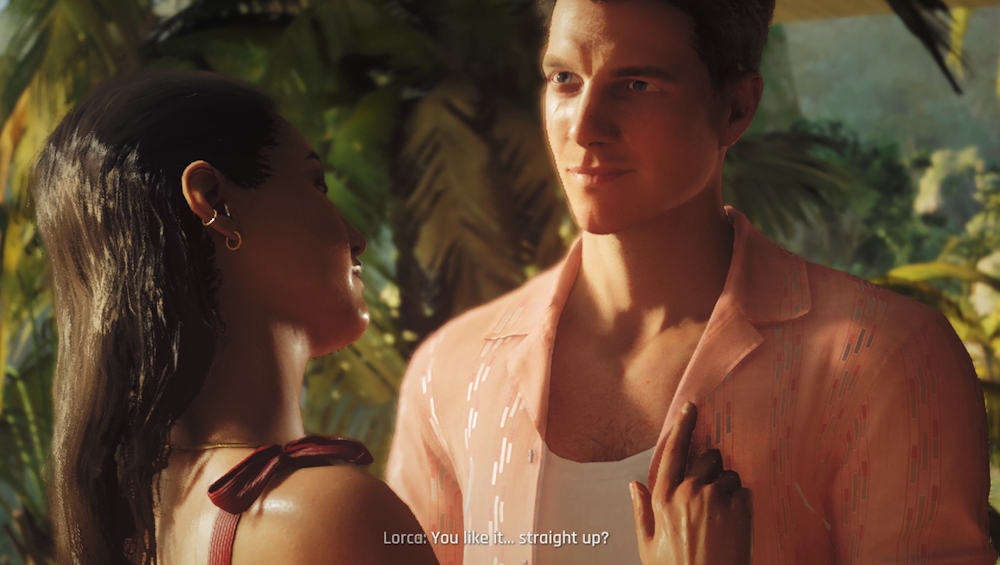
And while I usually avoid comparing games to movies because video games are far superior at creating interactive experiences, it genuinely captures that blockbuster spy-thriller energy without sacrificing player control. 007 First Light looks expensive in the best possible way, unlike some movies that act like video games and even win Game of the Year occasionally.
007 First Light Performance Review: Clean Frames Even in Chaos
Even better, IO Interactive optimized this thing like MI6 threatened to cut Q Branch funding. I played the game on a GTX 1650 Super paired with a Ryzen 5 3600, and the game consistently stayed above 60 FPS on medium settings. In an era where some AAA titles treat optimization like an optional side quest, that alone deserves a slow clap from every PC player alive.
Don’t worry, we also tested with full RT mode on a higher-end device with the following config:
My Setup:
CPU: Intel i7 14700K 3.40 GHz
CPU Cooler: CORSAIR H150 RGB 360mm
Motherboard: MSI Z790 Pro Wifi
GPU: NVIDIA RTX 5080
RAM: Crucial (2x16GB) 5200MHz DDR5
SSD: Kingston 3 TB NVMe SSD
Monitor: Alienware 34 AW3425DW 2K OLED @ 240Hz
When it comes to testing on a full-blown rig with an RTX 5080, the game turned into absolute cinema. For a moment, it seemed like I was using the Tactical Simulation rig at MI6 to embark on a mission of my own. So, I went ahead and treated myself to the highest settings possible, and the framerate didn’t break a sweat. To give you a rundown, here are the graphics settings we used:
- V-Sync Turned Off
- Resolution Scaling: DLSS Turned On to Balanced
- DLSS Frame Generation: Turned On to 6x
- All Scalability Options Turned On to Ultra
- All Lighting Options Turned On to Ultra
- Global Illumination Quality (GI): Turned On to Ultra
- Reflection Quality (SSR/Raytracing): Turned On to Ultra
- All Post Effects Turned Off
Even though I was using a beefy Nvidia 5080 GPU with 16 gigs of visual memory, I turned on DLSS 4.5 and enabled frame-gen all the way up to 6x. This gave me a steady 300 FPS, where frame rates dipped as low as 246 FPS in gameplay and 130 FPS in cutscenes. The ray tracing, when turned on to Ultra, lit up dark areas and lit up narrow passages with small pockets of light I otherwise saw were absent in performance settings.
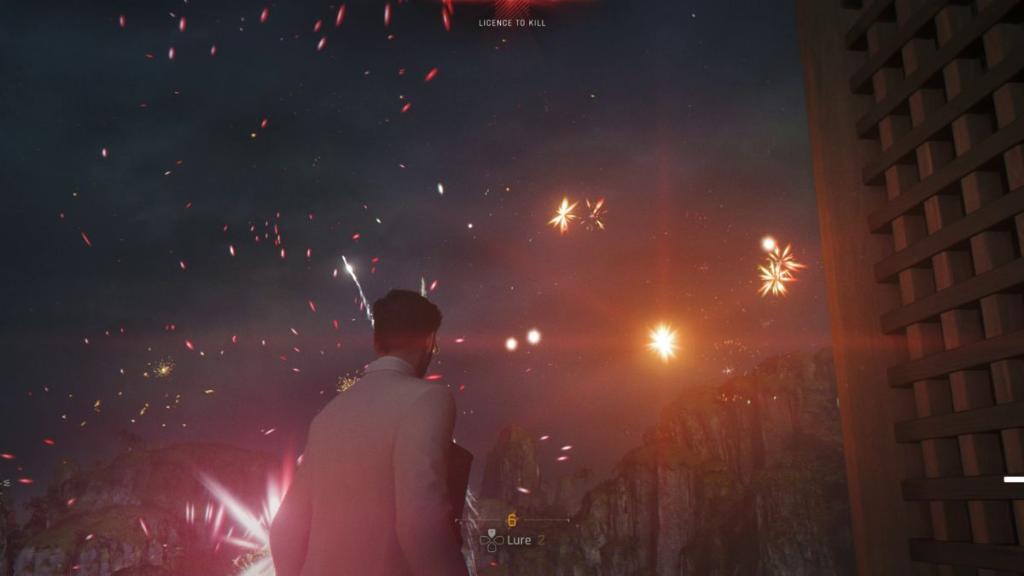
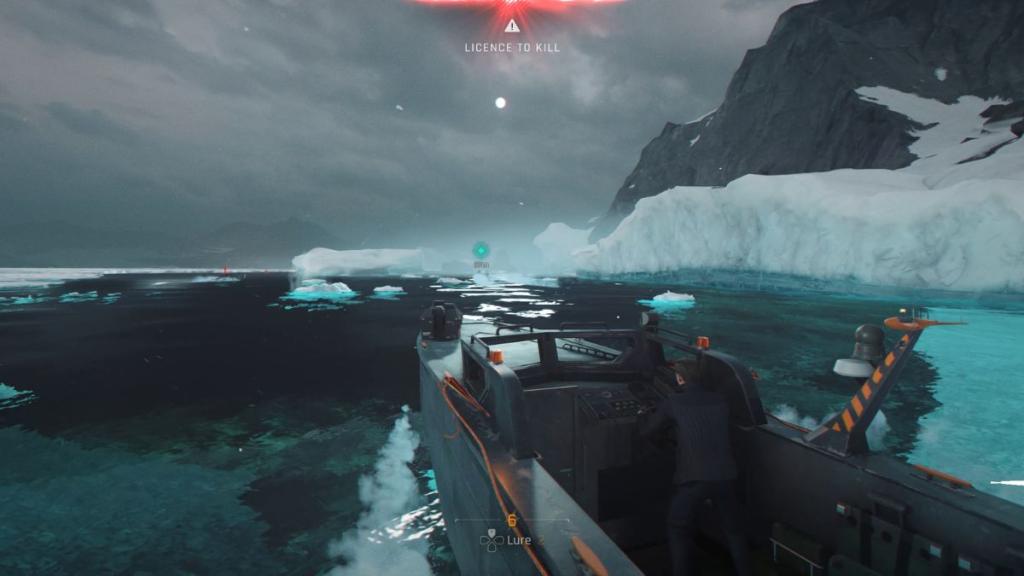
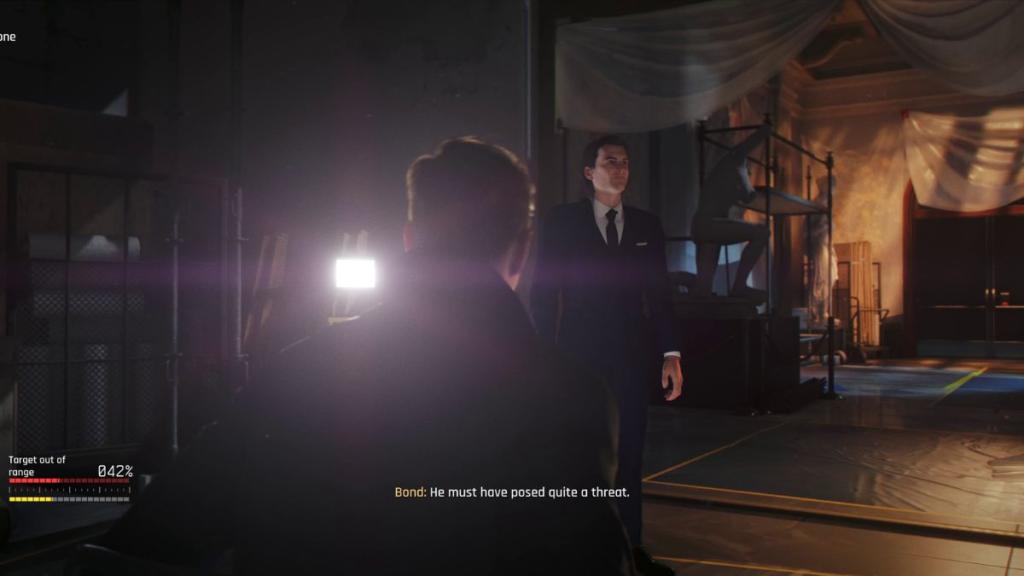
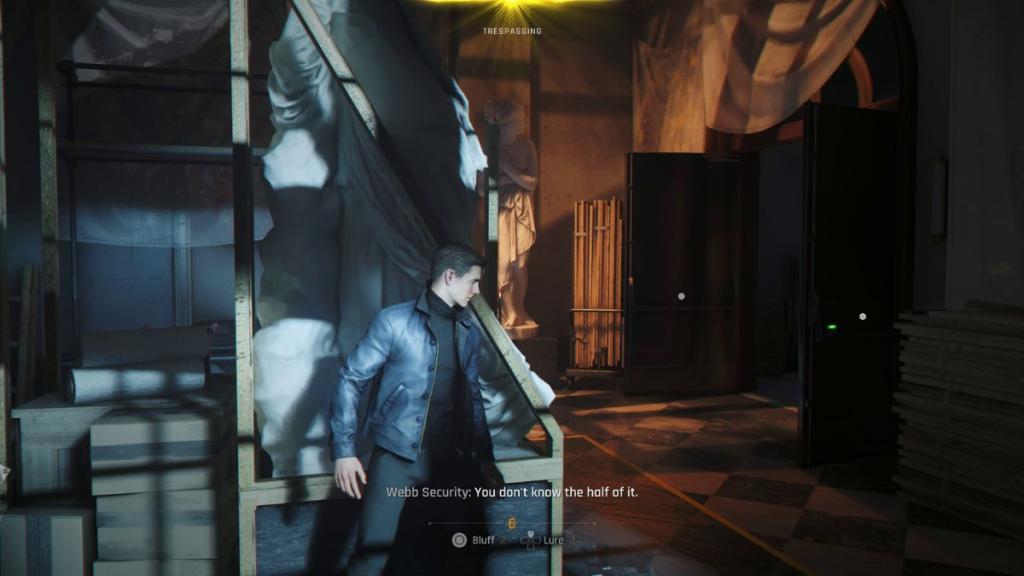
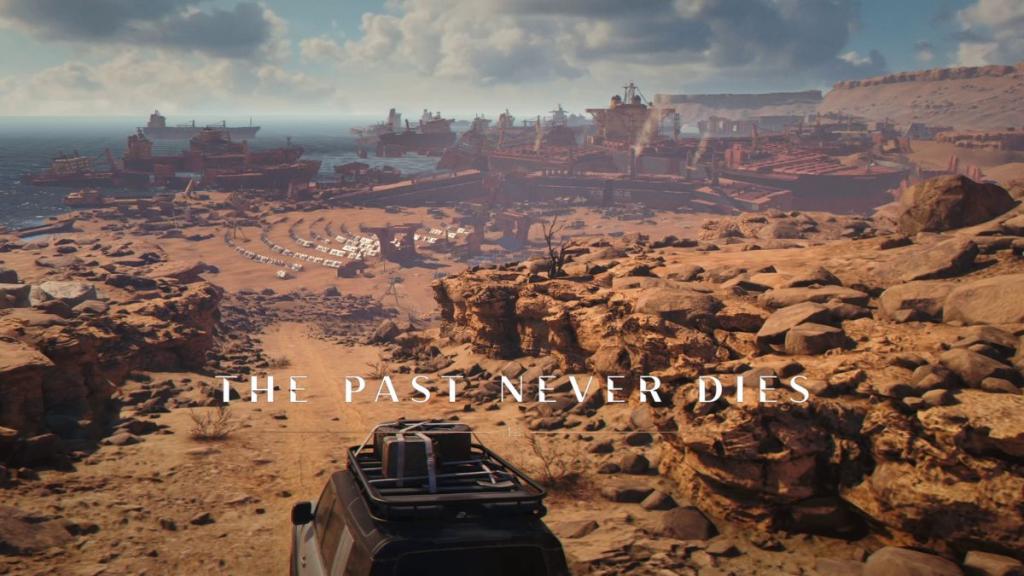
The fun didn’t just stop there. While playing 007 First Light is great on a standard 16:9 monitor, we took things up a notch and played it with the 5080 on an ultra-wide OLED panel, Alienware 34 AW3425DW, which we also reviewed earlier this month. The cutscenes were restricted to a standard aspect ratio with black bars on the sides and top and bottom of the panel, but the gameplay didn’t shy away from glorifying the Glacier engine in full.
Gameplay expanded to a full 21:9 aspect ratio where the world looked as stunning as Bond in a crisp Tom Ford suit. Thanks to DLSS 4.5, the world upscaled using AI looked even sharper and more detailed, which further reduced the load my GPU would’ve stressed on the PC. Every stream of water, every snow-draped cliff, every spark from a gunfire looked glorious in full raytraced glory.
With path-tracing arriving later this summer, you can expect us to put the game through its paces and actually bask in the wonders of MI6 and global locations that IOI has crafted from Denmark, with love.
Strings, Acting, and Voices Blend a Perfect Symphony
A James Bond story can survive bad gadgets, ridiculous villain plans, and even invisible cars, but it cannot survive weak music. Thankfully, 007 First Light absolutely nails the audio side of the spy fantasy. The background score constantly elevates the tension, whether you are quietly sneaking through enemy territory or causing millions in property damage during a collapsing firefight.
More importantly, IO Interactive understands the value of Bond history. Several classic musical renditions are woven into missions with incredible restraint, appearing at just the right moment instead of screaming nostalgia every five minutes.
Then comes the opening theme by Lana Del Rey, and honestly, this might be one of the best decisions IO has made. After her Spectre rejection years ago, finally hearing Lana perform a Bond theme feels like cinematic justice.
Her haunting vocals perfectly capture the loneliness, danger, and seductive melancholy surrounding this younger Bond. And yes, I will say it: she does it better than some Oscar-winning Bond songs. Now, I don’t want this to become a 007 First Light music review, so let us talk about the acting, which carries that strong gameplay as a perfect companion.
The performances across the board are equally strong. Patrick Gibson delivers an exceptional Bond, balancing charm, recklessness, and vulnerability without losing that classic 007 confidence. But for me, the standout was Noemie Nakai as Ms. Roth.
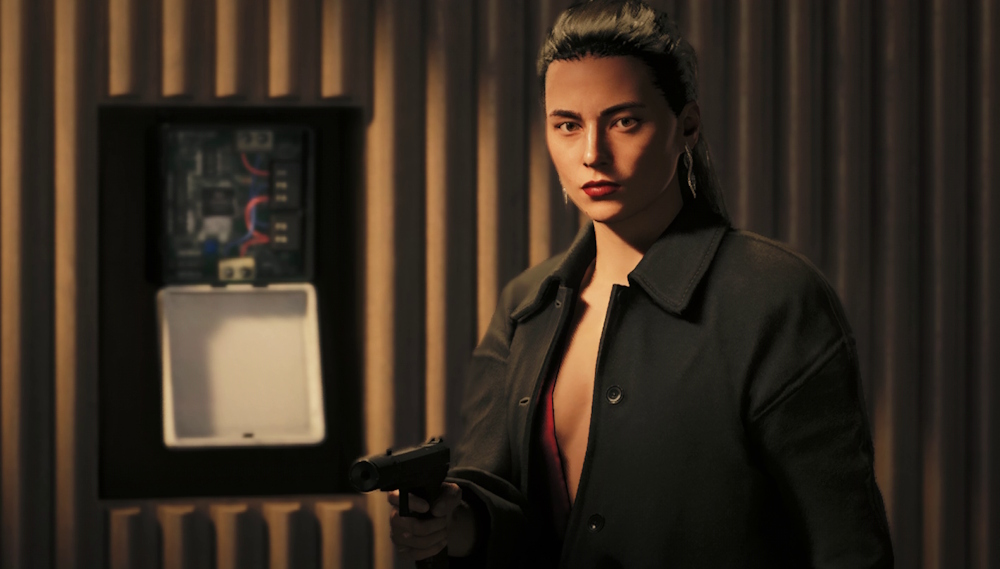
Between the writing, voice acting, and motion capture work, Roth constantly steals every scene she enters. Even alongside Bond himself, she feels impossible to ignore. IOI, we demand her in the next game.
007 First Light Verdict: Bond Finally Has a Game Worthy to Dress For
There was a time when spy games trusted players to think. Games like GoldenEye 007, Nightfire, and especially Everything or Nothing understood that the Bond fantasy was never just about shooting enemies. It was about tension, style, gadgets, improvisation, and somehow surviving disasters while looking cooler than everyone else in the room. And if you consider my honest review, 007 First Light finally brings it back.
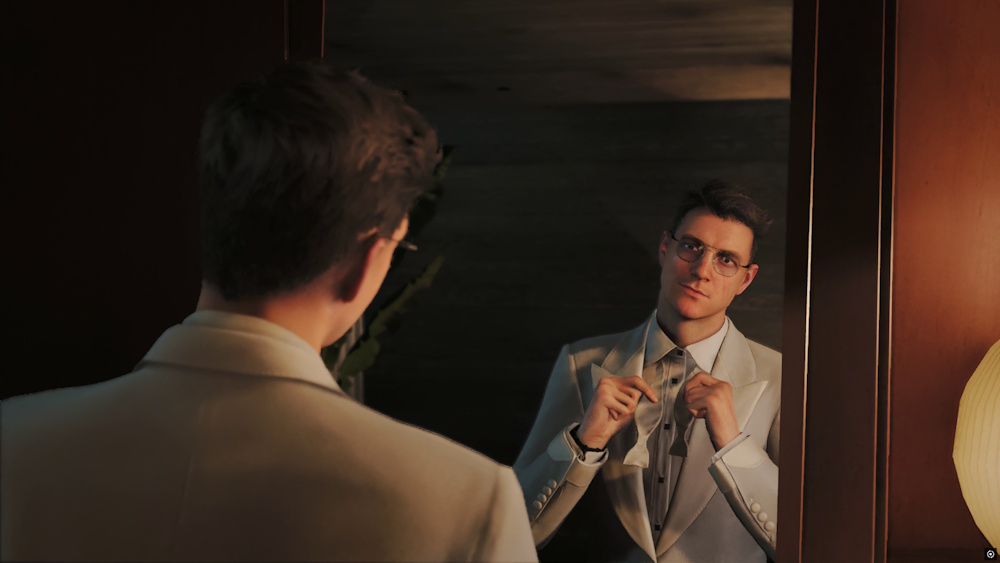
IO Interactive did not make another generic licensed action game hiding behind a famous tuxedo. The studio delivered one of the best stealth-action adventures of the modern generation. From its sandbox mission design and clever gadget systems to its explosive vehicle sequences and excellent writing, First Light constantly feels handcrafted by developers who genuinely understand espionage fiction.
More importantly, it captures something most modern AAA games lost years ago: trust in the player. The game expects you to listen, observe, improvise, and recover when plans inevitably collapse into chaos. And honestly, that is where our young Bond shines brightest.
For the first time since Everything or Nothing, James Bond finally feels at home in video games again. 007 First Light is the game that finally reminds the industry why cinematic stealth adventures mattered in the first place.
Reviewed on Nvidia GTX 1650 Super and RTX 5080 on PC






 Ishan Adhikary
 Ishan Adhikary
![[EXCLUSIVE] "Pure Body Horror and Graphic Stuff" – ILL's Creator on Building the Game That Knows Exactly What Scares You](https://static.beebom.com/wp-content/uploads/2026/06/Beeboms-ILL-interview-with-Maxim-Verehin.jpg?w=300&quality=75)






 Ishan Adhikary