In 2026, the DJI Mavic 4 Pro remains the best drone with a camera you can get out there. But there are other popular choices too that cater to different kinds of explorers, travelers, photographers, movie makers, and your average consumer, too. But while the market seems flooded with drones right now, there are only a few limited picks that stick out. So, I have tested out the best drones with cameras that you can consider buying in 2026.
Our Top Picks at a Glance: Best Drones With Cameras in 2026
Here I have summarized the top picks for the best drones with cameras in the table below. I have also made sure to mention the flight time, camera specs, and pricing to make the decision easy and quick for you.
Best Drones with Camera Flight Time Camera Specs Pricing DJI Mavic 4 Pro Upto 51 minutes max (45 min in hover mode) Triple cameras: 100MP + 48MP + 50MP, can record 6K video at 60 FPS, 4K video at 120FPS, 10-bit log supported, 3-axis 360° Infinity Gimbal $2,198 DJI Mini 5 Pro Upto 36 minutes max (52 minutes with Intelligent Flight Battery Plus mode) 50MP main camera with 1-inch sensor, upto 4K 60 FPS recording in HDR, 10-bit LOG supported, 3-axis gimbal for stablization $1,099 DJI Air 3S Upto 45 minutes max 50MP main camera with 1-inch sensor, 48MP telephoto lens with 70mm focal length, upto 4K 60 FPS recording in HDR, 4K 120 FPS slow motion, 10-bit LOG supported $1,099 DJI Neo 2 Upto 19 minutes max 50MP main camera, upto 4K 60 FPS recording, 4K 100 FPS slow motion, 2-axis mechanical gimbal stabilization $429 DJI Avata 2 Upto 23 minutes max 12MP main camera with 1/1.3-inch CMOS sensor, upto 4K 60 FPS recording in HDR, 2K 120 FPS slow motion, 10-bit LOG supported $729 Antigravity A1 Upto 24 minutes max (39 minutes with high capacity battery) Dual lens 6 360 degree recording, Upto 8K videos at 30FPS, 72MP 360 photos, electronic stabilization $1,599
How We Test Drones and Why You Can Trust Us?
To find the best drones with cameras in 2026, I spent 2 days trying and testing out each drone on our office terrace to see how they fare individually in real-life scenarios. I tried out performing simple long-term flights, taking photos, and capturing videos during the dawn. This helped us understand what the quality looks like under daylight and low-light situations.
I also focused on other important factors like obstacle detection, maneuvering, battery life, and, of course, portability. Some drones require a license and need to be registered, while others don’t. So, I even made sure to give some of the lighter ones a try for more everyday consumers and travelers out there. I also paid attention to how beginner-friendly each drone felt, and here are my findings.
Best Overall Camera Drone
Let’s start the list with what I consider the overall best drone in the list, the DJI Mavic 4 Pro, and why it stands out among the rest of the options in this list.
DJI Mavic 4 Pro: Best All-Rounder Drone
The DJI Mavic 4 Pro has to be the best drone with a camera overall, just because of the specs it offers. It houses an overkill camera setup, with a 100MP main 4/3-inch CMOS Hasselblad sensor, a 48MP telephoto with 70mm, and another 50MP telephoto lens with a 168mm focal length. This means it can capture the most detailed close-up footage while in flight. I was baffled by the quality, stabilization, and object tracking features of this drone.

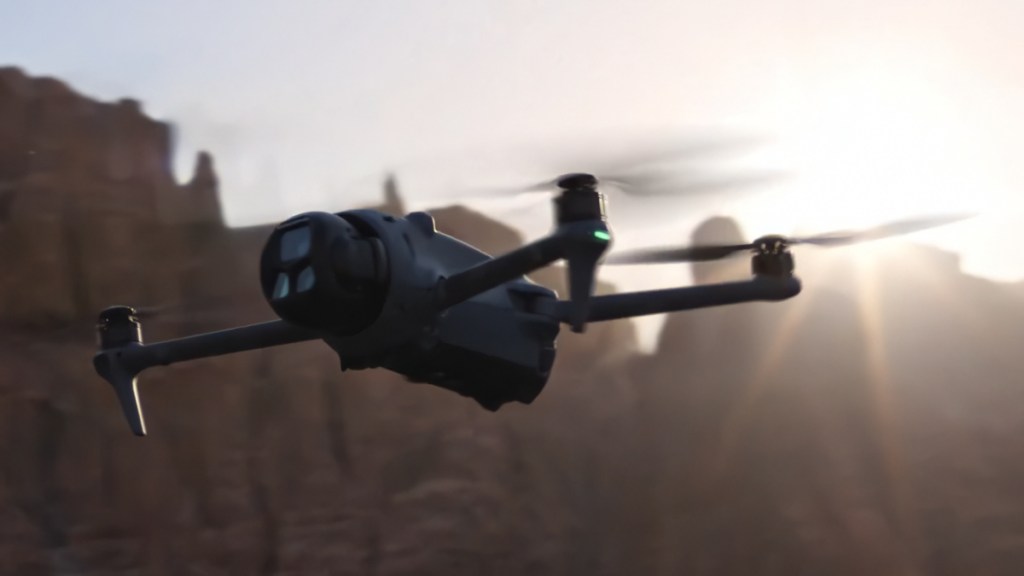
It gives you the most flexibility, able to record in up to 6K 60 FPS and 4K 120 FPS. This makes it an excellent choice for filmmakers and professionals alike. Combine that with long battery life and reliable obstacle avoidance, and the Mavic 4 Pro feels like a complete camera crew in the air. This is a flagship drone, so of course, it brings the best of what DJI has to offer, but it also comes at a high price, requires registration, and is definitely not something you will be taking with you for travel.
PROS CONS Exceptional camera quality with large sensor Very expensive for casual users Advanced obstacle avoidance and tracking Requires registration in many regions Long flight time compared to most drones Not travel-friendly Can record detailed close-ups with 2 telephoto lenses
Pricing: $2,198
Best No-Registration Drone
Many casual consumers and beginner drone enthusiasts look for options that don’t require any registration. These types of drones need to be lighter than 0.55 pounds or 250 grams. But the weight limit shouldn’t come at a compromise, which is why I picked the DJI Mini 5 Pro.
DJI Mini 5 Pro: Best Lightweight Drone
DJI Mini 5 Pro is the best drone with a camera for up and coming filmakers and content creators, who want a compact but powerful drone. The biggest upgrade here compared to previous generations is the camera. DJI has managed to fit a large 1-inch sensor into this sub-250-gram drone. This allows it to capture stunning images and videos compared to other mini drones.
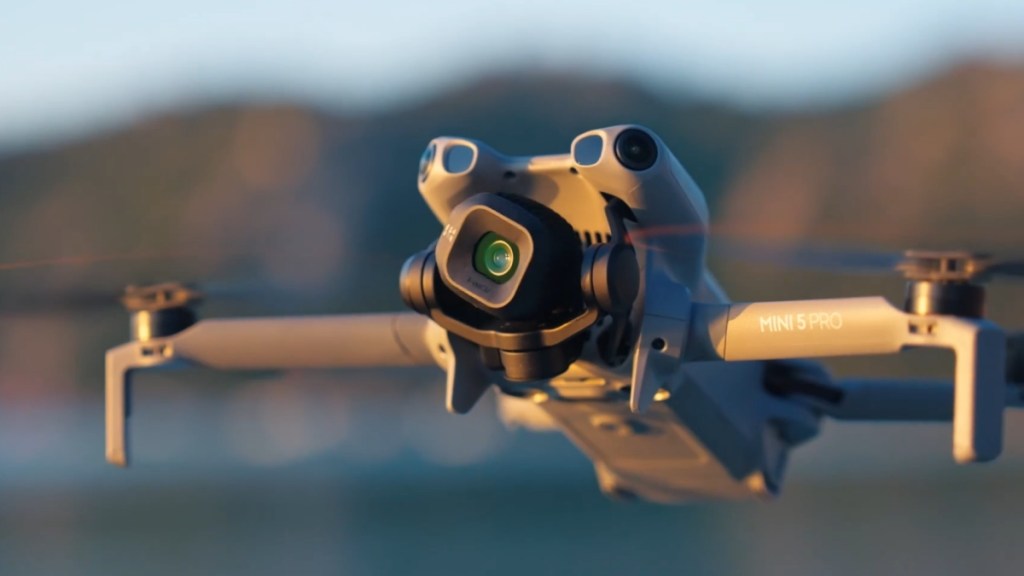
In my testing, I have noticed that the photos take fron the DJI Mini 5 Pro look noticeably cleaner, especially during sunset or night city shots. I also like the experience of flying it, which was how well it handled despite its size. However, like any drone of this size, it is not fond of strong gusts of wind.
DJI has also included its obstacle-sensing tech with LiDAR. This helps a lot to maneuver the drone, especially in crowded environments. Combine that with long flight time and strong subject tracking, and the Mini 5 Pro feels like the best professional drone that you can get, if you don’t want to get it registered.
PROS CONS Large 1-inch sensor in a compact drone Expensive compared to older Mini models Long flight time for a mini drone Limited advanced filming options available Comes with DJI’s obstacle avoidance and smart tracking features Could struggle against strong winds Lightweight and travel-friendly design
Pricing: $1,099
Best Value Drone
When it comes to value, the DJI Air 3S and the Neo 2 both take the crown, thanks to their prices and the advantages they bring to the table. Let’s take a closer look at these two.
DJI Air 3S: Best Budget for Cinematic Shots
DJI Air 3S hits the sweet spot between a flagship-level drone, with not so flagship price tag. It delivers excellent cinematic footage and is considered by many professionals as the best drone with a camera if you want to capture those jaw-dropping scenic videos. What stood out to me in my testing was how good its dual-camera setup is.
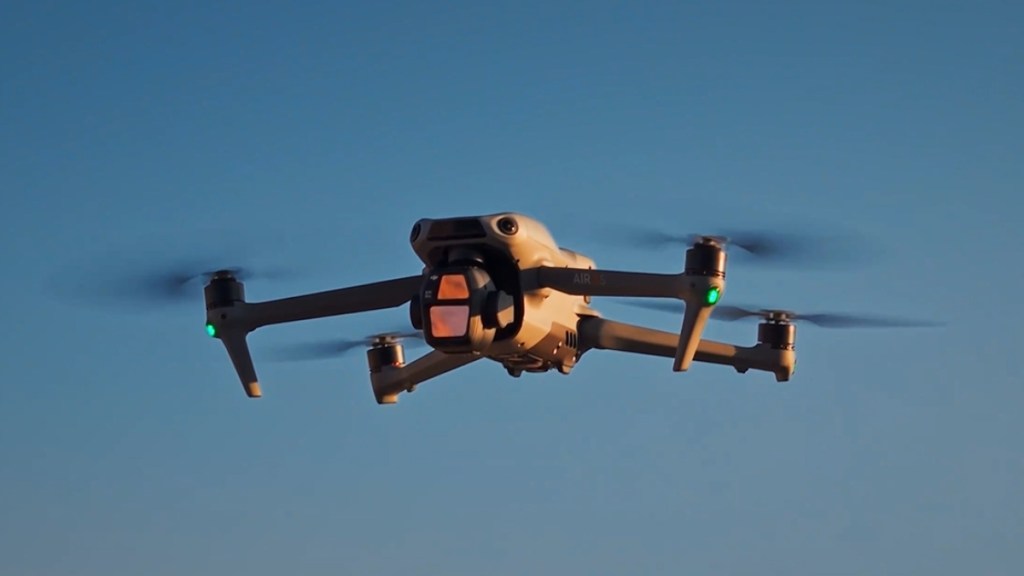
The main wide camera is perfect for shooting footage of the landscapes, while the 70mm medium tele lens lets you capture cinematic shots without flying too close to the subject.
Plus, like the DJI Mini 4 Pro, it also brings LiDAR technology and omnidirectional sensors to actively avoid obstacles. It also features a strong battery, with a max flight time of 45 minutes. This is far better than most drones with cameras out there. This is why the DJI Air 3S stands out to me as a complete all-rounder and would stand as my preferred option if I personally had to get a drone for myself.
PROS CONS Large 1-inch sensor with detailed image quality Heavier than Mini series drones LiDAR-assisted obstacle avoidance Requires registration in many regions Reliable tracking and transmission system Includes 70mm telephoto lens for close ups
Pricing: $1,099
DJI Neo 2: Best Drone for Beginners
In case you are starting out your drone journey and looking for a good option to begin with, then look no further than the DJI Neo 2. This drone is extremely compact and lightweight at around 151 grams, which makes it easy to carry during your vacations and outdoorsshoots. During my hands-on time flying this drone, I liked how easy it feels to handle compared to other options in this list.
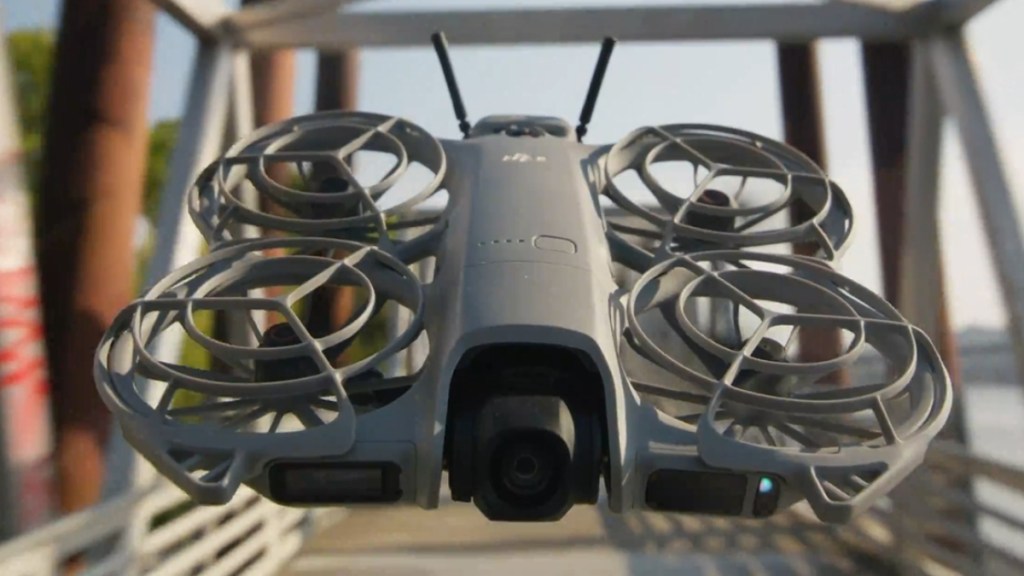
The controls are quite basic, and nothing feels intimidating. So you get a clear confidence in operating it. This is the one that my friends recommended to begin with, and they were not wrong. There are additional control options, too. You can launch it from your palm, use gesture or voice control, and let the AI tracking handle most of the work.
The camera is not meant to compete with larger drones, but it delivers solid 4K footage for social media and YouTube video purposes. Plus, it also comes with the same omnidirectional sensors with LiDAR seen on expensive DJI models. So, if you want something simple, portable, and fun, the Neo 2 is a great entry point.
PROS CONS Extremely lightweight and portable Camera quality is not as good as top models Very beginner-friendly controls Shorter flight time Good tracking and automatic shooting modes No expandable storage Affordable compared to most DJI drones
Pricing: $429
Best FPV Drone
If you are looking for a more thrilling experience while flying a drone, then FPV is the way to go. And the DJI Avata 2 is no doubt the best drone with a camera to consider in that department.
DJI Avata 2: Best FPV Drone Overall
DJI Avata is the first drone that I bought, and for a simple reason. It lets me see things from the drone’s point of view. This is why it is called an FPV drone (First-person view). It streams the real-time footage of the drone’s camera straight into the supplied viewfinder for a more immersive and thrilling experience.
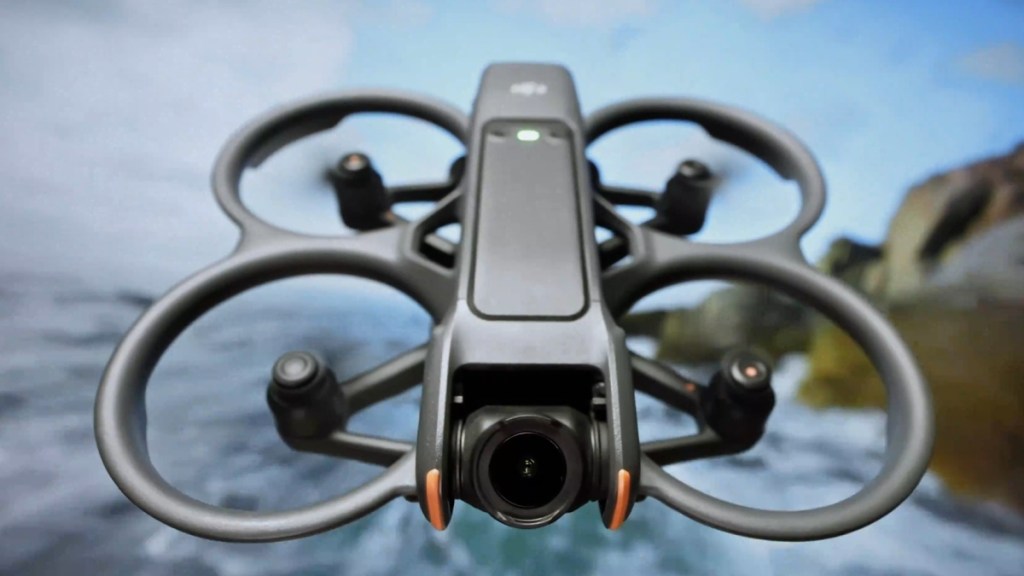
The Avata 2 further improves on the 1st generation with quieter propellers, 5 minutes more flight time, and an improved camera system. It now brings a 1/1.3-inch sensor that delivers noticeably better dynamic range and low-light performance, which is important because FPV shots often involve fast movement and changing lighting conditions.
This, combined with the ultra-wide 155° field of view and 4K HDR recording, makes the footage look cinematic and energetic. However, the controls feel more complicated, especially if you are flying it with the included DJI Goggles 3. But for creators who want action shots, travel footage, or the thrill of feeling like you are flying, the Avata 2 offers the best drone with camera experience.
PROS CONS Immersive FPV flying experience Shorter flight time Strong video quality for an FPV drone Requires additional accessories which may cost extra Beginner-friendly flight modes Not ideal for photography Excellent stabilization for smooth cinematic footage Huge learning curve to master FPV controls
Pricing: $729
Antigravity A1: Best for 360-degree Camera
Antigravirty A1 is a great option if you are looking for a drone with 360-degree capturing capability, and something other than DJI. Instead of a traditional camera, this drone uses a dual-lens 360-degree camera system that captures everything around it. What that means is that you can fly first and decide framing later, which removes the pressure of getting the perfect angle mid-flight. That alone makes it incredibly appealing for content creators and filmmakers.
You can take a shot, see it from different angles, and pick the one you like. Or, stitch all the different perspectives together in a single long shot. This is the kind of flexibility that you can only get with a 360 degree drone.
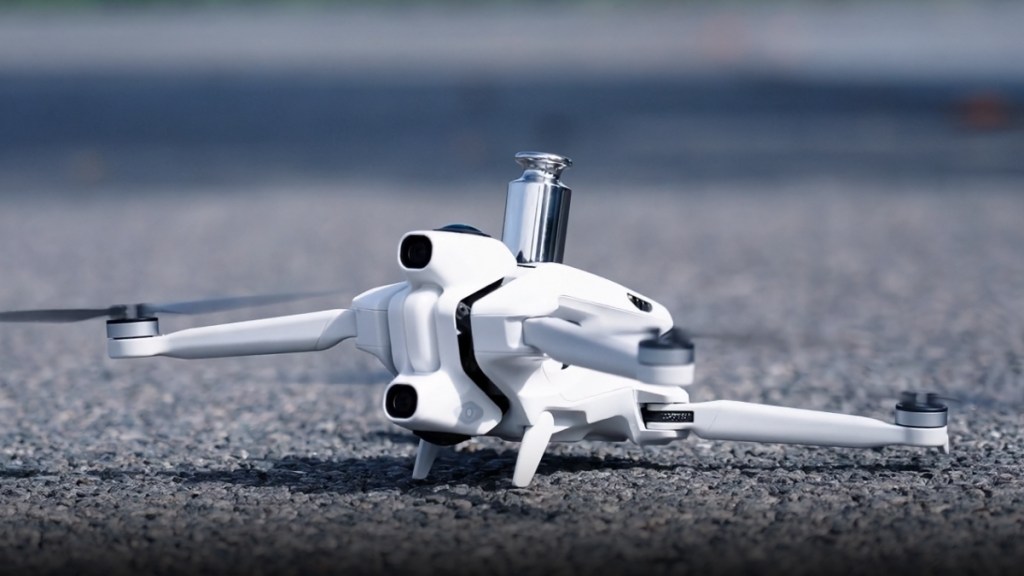
Plus, like the DJI Avata, the Antigravity A1 is also an FPV drone with goggles and a motion controller, which makes flying feel more intuitive, almost like pointing where you want the drone to go. At just around 249g, it is travel-friendly while still offering advanced features like AI tracking and autonomous flight paths, too. The camera quality is also impressive in good lighting, especially considering you can capture the footage in 8K quality.
| PROS | CONS |
|---|---|
| Can shoot footage in 360 degrees | Slightly unusual controls than DJI drones |
| Lightweight and travel-friendly design | Low light capture quality is poor |
| Also offers immersive FPV flying experience | Expensive compared to similarly sized drones |
| Strong AI tracking and automated flight modes |
Pricing: $1,599
What to Look for in a Camera Drone in 2026?
From my day out using these drones, it becomes very clear that choosing the best drone with a camera in 2026 depends upon various factors. You should pay attention to the camera quality, stabilization, battery life, transmission range, and obstacle avoidance systems.
Other aspects, such as subject tracking, way-point flying, and automated return-to-home, also make a huge difference, especially if you are a beginner or content creator. Portability is also important. But 2 factors that are especially important in 2026.
Sensor Size vs. Megapixels
Many novice buyers often make the mistake of focusing only on the megapixels when picking the best drone with a camera. But, in reality, it is the sensor size that delivers better image quality. Larger sensors capture more light, which improves dynamic range, low-light performance, and overall detail.
For example, A 12MP camera with a large sensor can easily beat a 48MP camera with a smaller sensor. In case you want more cinematic videos, get drones with a 1-inch camera sensor.
Understanding Remote ID & Compliance
Many drones nowadays require a Remote ID, which is essentially a license plate for your drone. It broadcasts your drone’s ID and location during flight for safety and security reasons. It is mandatory in many regions, especially for drones weighing over 0.55 pounds or 250 grams.
Since Remote ID has been made mandatory in many regions, like the U.S. and Europe, you should always consider buying a drone that comes with built-in Remote ID, or you will have to suffer flying limitations.
So, those are the best camera drones between different price points. Depending on your budget, you probably have multiple options to choose from. However, we’re glad we could help you shorten your list. Are you planning on buying one soon? If yes, let us know which one you’re going for and why. If not, you probably still enjoyed reading the article. So, if you want similar articles in the future, please do mention it in the comments section below.