The Sony A7 V and the Nikon Z6 III are by far the best mirrorless cameras that you can get in 2026. But there are so many other options to consider if you have a specific use case in mind. Some excel at videos, some at videos, while others provide better stability for videos. So, are you in the market to make the transition to mirrorless cameras? Then we have prepared a list of the best mirrorless cameras in 2026 that you can take a look at.
Overview of the Best Mirrorless Cameras in 2026
Here we have created a quick summary table of the best mirrorless cameras, their best fitting use case, along with the pricing from Amazon.
| Best Mirrorless Camera | Best Suited for | Pricing |
|---|---|---|
| Sony A7 V | Best All-Around Mirrorless Camera | $2,898 |
| Nikon Z6 III | Best for Versatility | $2,096.95 |
| Canon EOS R10 | Best for Hybrid Creators | $1,029.95 |
| Sony A1 II | Best Professional Full-Frame | $6,998 |
| Nikon Z5 II | Best Entry-Level Full Frame | $1,596.95 |
| Canon EOS R7 | Best APS-C for Photography | $1,599 |
| Sony A6700 | Best APS-C for Video | $1,698 |
| Sony FX3A | Best Mirrorless Camera for Video | $4,298 |
| Sony ZV-E10 II | Best for Content Creators | $1,298 |
| Canon EOS R50 | Best Budget Mirrorless Camera | $799 |
How We Chose the Best Mirrorless Cameras
To compile this list of the best mirrorless cameras in 2026, I had to narrow down the available options. Only focusing on three key factors that most professional camera users care about: real-world usability, camera performance, and overall value.
For starters, I read popular opinions across photography communities on Reddit, long-term user feedback, and detailed reviews from trusted outlets. Moreover, I relied on my personal experience and suggestions from in-house professionals. Of course, I made sure the specs met the 2026 standards. Finally, concluding with the final list discussed below.
What to Look for in a Mirrorless Camera
See if you are a professional, then choosing the best mirrorless camera comes down to your requirements. Modern cameras are designed as hybrids, as they can take both photographs and videos. Some excel at one, and some deliver the best of both worlds. So, here are a few key things to consider when choosing a mirrorless camera.
- Sensor size and image quality: If your primary objective is to take photos, pick a camera with the best dynamic range, strong colors, and the most detail.
- Video performance: Look for cameras that support at least 4K recording. Higher-end models even offer 6K or 8K video recording with log support and advanced color profiles.
- In-body image stabilization (IBIS): IBIS allows the camera sensor to stay stable during handheld shooting. If you plan to take a lot of outdoor videos, go with a mirrorless camera with a five-axis stabilization system for improved handheld shooting.
- Lens compatibility: Niche cameras have limited support for third-party lenses. So, if you want versatility, consider a brand with a varying lens lineup for future support.
- Build quality: If you are planning to shoot in challenging environments, then it is important to get a mirrorless camera with weather sealing, durable build quality, and a comfortable grip.
- Connectivity features: You should also think about getting a camera that allows for faster data transfer, dual SD card slots, wireless file transfer, and USB-C charging for convenience.
Best Mirrorless Cameras Overall in 2026
Starting with the overall best mirrorless cameras, I think most camera nerds would agree that the Sony Alpha 7 V is hands down the best option for this title. Followed very closely by Nikon Z6 Mark III. Let’s take a closer look at why we picked these two for this category.
Sony Alpha 7 V – Best All-Around Mirrorless Camera
The Sony Alpha 7 V is one of those cameras that can be called a master of everything. What stands out is how balanced the camera is for both photography and video. Sony has kept the familiar Alpha design but added a new 33MP partially stacked full-frame sensor along with the BIONZ XR2 processor and a dedicated AI unit. This results in a camera that feels incredibly fast and responsive, especially when shooting bursts or tracking moving subjects.
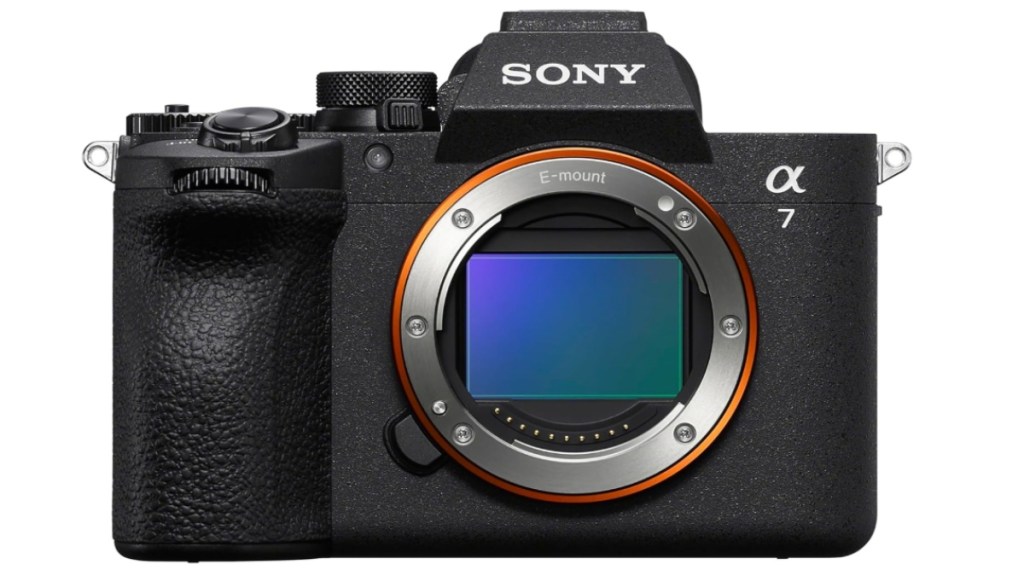
For videos, the Alpha 7 V supports 4K recording from a higher-resolution sensor and includes advanced stabilization and color profiles. This makes it suitable for professional-quality recording, too. Combined with its weather-sealed body, improved ergonomics, and versatile lens ecosystem, this camera easily earns its place as one of the best all-around mirrorless cameras available today.
Key Features
- 33MP full-frame partially stacked Exmor RS CMOS sensor
- BIONZ XR2 processor with dedicated AI processing unit
- 759-point phase-detection autofocus with real-time tracking
- 4K video recording with oversampling and advanced color profiles
- 4-axis multi-angle LCD and high-resolution OLED EVF
| PROS | CONS |
|---|---|
| Excellent autofocus with advanced AI subject tracking | Expensive for enthusiasts and beginners |
| Fast burst shooting up to 30fps | Complex feature set may overwhelm new users |
| Large Sony E-mount lens ecosystem |
Nikon Z6 III – Best for Versatility
The Nikon Z6 III is another hybrid champion of the mirrorless camera category. The camera uses a 24.5MP full-frame partially stacked CMOS sensor, which allows significantly faster readout speeds than the Z6 II. The EXPEED 7 processor powers advanced subject detection, autofocus, and fast burst photos, making it a good choice for sports, wildlife, and event photos.
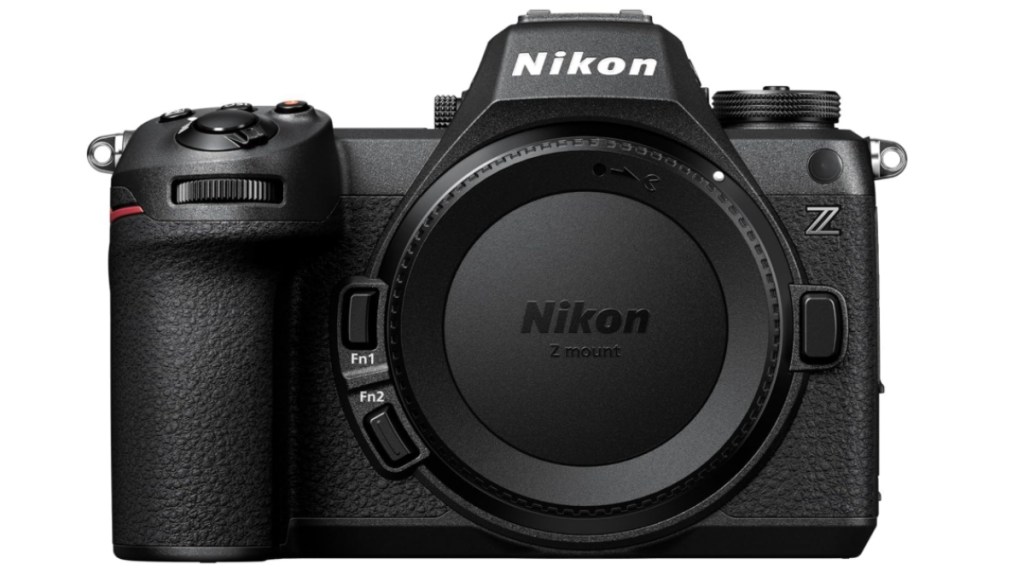
For video creators, it comes with 6K RAW recording support and oversampled 4K video, along with professional codecs like ProRes RAW and N-RAW. Another strong point is stabilization. The camera features 5-axis in-body image stabilization, delivering smoother video. All in all, the Z6 III feels like a versatile mirrorless camera for professional creators who need a camera that can switch between photo and video without compromise.
Key Features
- 24.5MP full-frame partially stacked CMOS sensor
- EXPEED 7 image processor for faster performance
- 6K/60p RAW video, and 4K oversampled recording
- Up to 120fps burst shooting
| PROS | CONS |
|---|---|
| Fast partially stacked sensor for faster autofocus | 24MP resolution may feel limited for high-resolution photographers |
| Excellent hybrid features for both photos and video | No 8K video recording option |
| Strong in-body stabilization |
Best Mirrorless Camera for Beginners in 2026
Many beginners often find themselves confused when searching for the best mirrorless camera on the market. Well, in 2026, there’s only one camera that we feel deserves this title, and it is the much-praised Canon EOS R10.
Canon EOS R10 – Best for Hybrid Creators
The Canon EOS R10 is one of the best beginner-friendly mirrorless cameras out there. It is highly recommended by most people who have used it. Why? Well, it uses a 24.2MP APS-C CMOS sensor paired with Canon’s DIGIC X processor, delivering sharp images and fast performance. Plus, it feels quite responsive to use. The camera supports continuous shooting up to 15FPS with the mechanical and 23FPS electronic shutter, making it surprisingly good even for sports or wildlife photography.
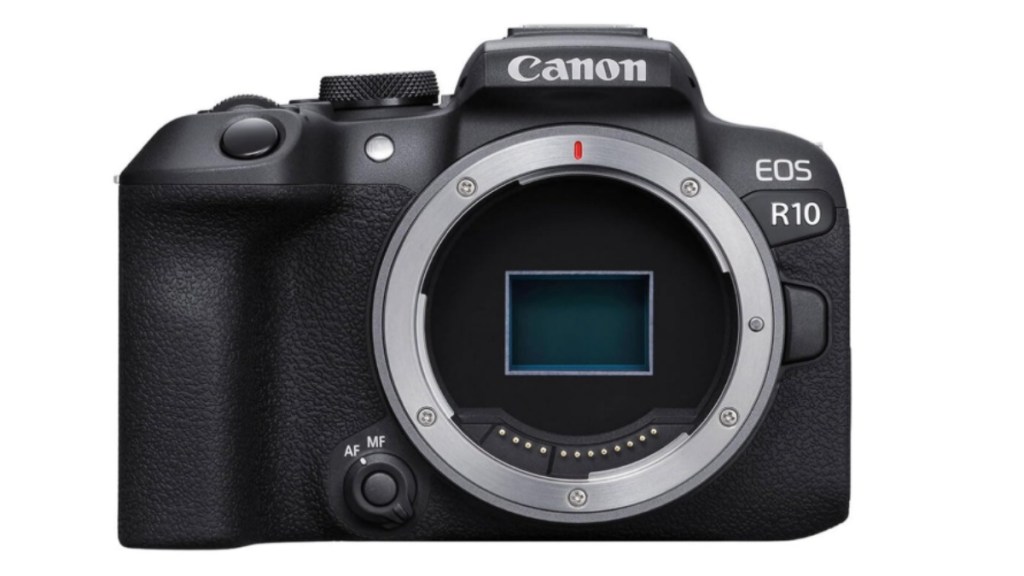
The R10 uses Dual Pixel CMOS AF II with up to 651 autofocus zones, offering reliable subject detection for people, animals, and vehicles. In terms of video, it can record 4K videos oversampled from 6K data, producing detailed footage without heavy cropping. So, overall, the EOS R10 feels like a camera that is simple enough for beginners but reliable enough for those who want to experiment with both photography and video.
Key Features
- 24.2MP APS-C CMOS sensor with DIGIC X processor
- Dual Pixel CMOS AF II with up to 651 autofocus zones
- 4K video recording oversampled from a higher resolution
- Compact and lightweight RF-mount mirrorless body
| PROS | CONS |
|---|---|
| Good balance between photo and video modes | Battery life is average |
| Good image quality for an APS-C camera | Limited native RF-S lens selection |
| Excellent autofocus with reliable subject tracking | Buffer can fill quickly during burst shooting |
Best Full-Frame Mirrorless Cameras
If you are looking for a full-frame camera for superior image quality in low light and nighttime situations, then there are only two options you should consider in 2026: the Sony Alpha Mark II and the Nikon Z5 Mark II. Here’s why I picked them.
Sony A1 II – Best Professional Full-Frame
The Sony A1 II is a professional camera designed for photographers who need both speed and resolution. The camera features a 50.1MP stacked full-frame sensor. It can shoot up to 30fps with full autofocus and exposure tracking, making it ideal for sports, wildlife, and fast-moving subjects. At the same time, the high resolution means you can crop the image without losing much detail.
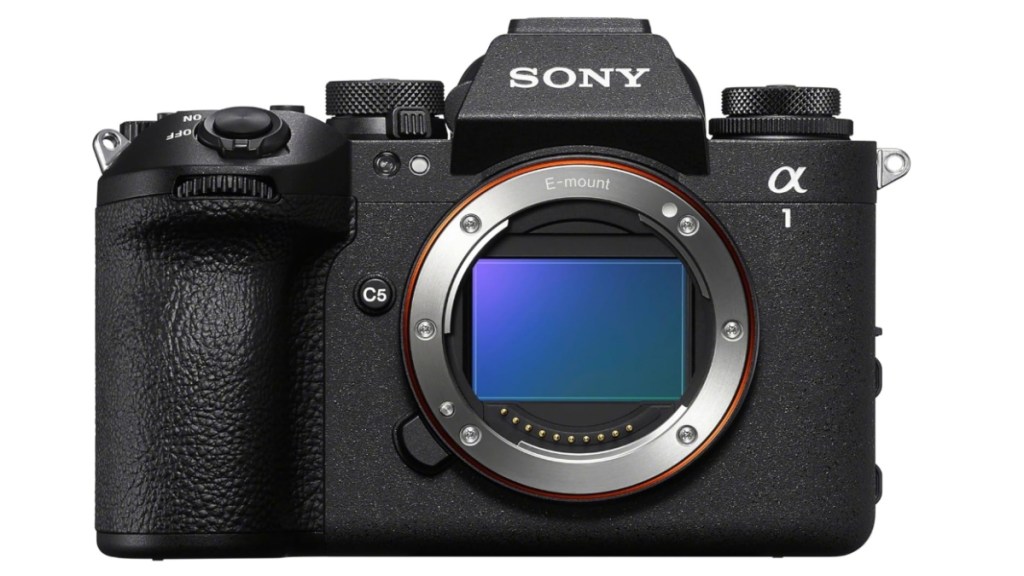
It also supports 8K video recording and high-quality 4K up to 120fps, along with professional 10-bit color profiles. Add in Sony’s AI-powered subject recognition and advanced stabilization, and the A1 II becomes one of the best full-frame mirrorless cameras for wildlife photography and cinematic productions.
Key Features
- 50.1MP full-frame stacked Exmor RS sensor
- 8K 30p and 4K 120p video recording with 10-bit color
- AI-based subject recognition autofocus for humans, animals, birds, and vehicles
- 5-axis in-body stabilization up to ~8.5 stops
| PROS | CONS |
|---|---|
| Industry-leading autofocus with AI subject recognition | Lens ecosystem can become expensive |
| Extremely fast burst shooting | |
| Robust weather-sealed body and good connectivity options |
Nikon Z5 II – Best Entry-Level Full Frame
The Nikon Z5 II is the best mirrorless camera if you want more for less. It builds on the original Z5 but adds many improvements borrowed from Nikon’s higher-end models. It has a 24.5MP full-frame BSI CMOS sensor paired with the EXPEED 7 processor, the same chip used in cameras like the Z6 III and Z8. This combination delivers excellent image quality, faster performance, and improved autofocus.
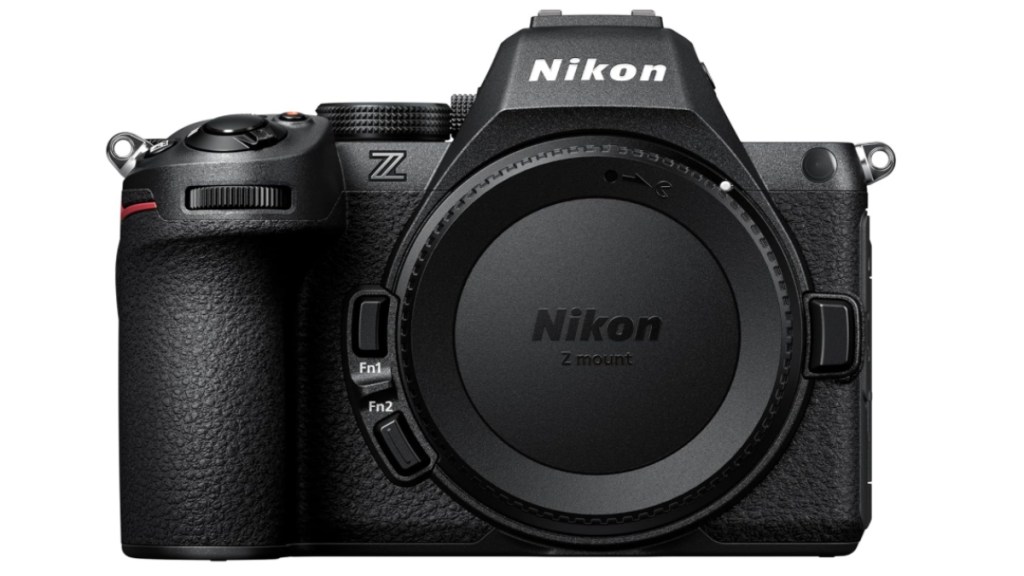
It can also shoot bursts up to 30fps with the electronic shutter, making it much faster than most beginner cameras. The camera can also record 4K video up to 60fps with crop and Full HD at 120fps for slow motion. This makes it a decent hybrid option for creators.
Key Features
- 24.5MP full-frame BSI CMOS sensor
- Up to 30fps burst shooting (electronic)
- 4K video up to 60fps and Full HD 120fps
- 5-axis in-body image stabilization
- Dual SD UHS-II card slots and fully articulating touchscreen
| PROS | CONS |
|---|---|
| Strong autofocus with AI recognition | Video features are good but not class-leading |
| Powerful processor borrowed from Nikon’s higher-end cameras | Resolution may feel limited |
| Great value for a full-frame mirrorless camera |
Best APS-C Mirrorless Cameras in 2026
APS-C cameras are generally considered the best mirrorless cameras if you are looking for a compact and lightweight option for your travels. In this category, the Canon EOS R7 and the Sony A6700 are the best tried and tested choices to go with.
Canon EOS R7 – Best APS-C for Photography
The Canon EOS R7 is one of the most capable APS-C mirrorless cameras you can buy if your focus is photography. It comes with a 32.5MP APS-C CMOS sensor paired with the DIGIC X processor, which produces detailed images while offering fast performance. The camera can shoot up to 15fps with the mechanical shutter and up to 30fps using the electronic shutter.
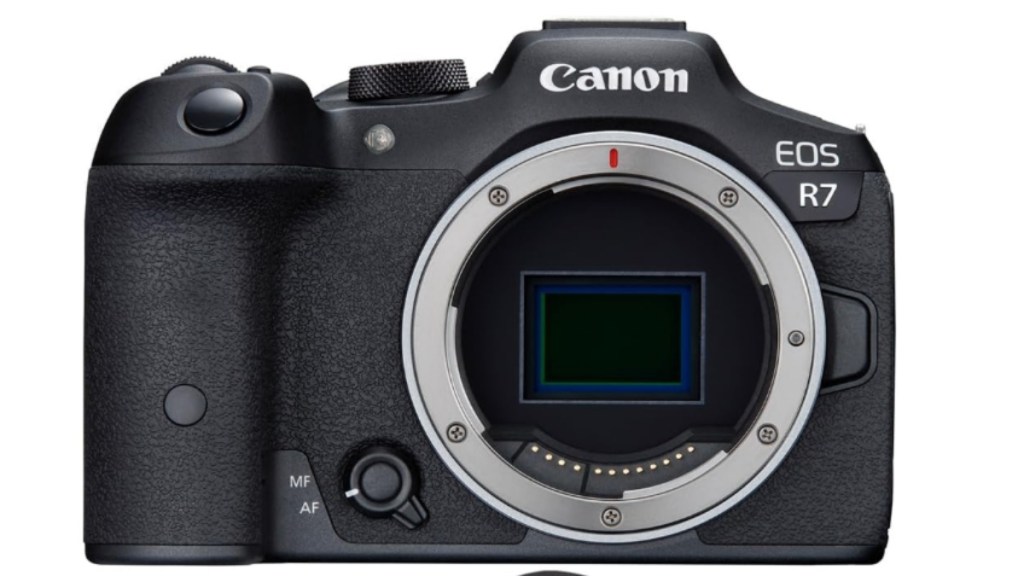
The autofocus system uses Dual Pixel CMOS AF II with subject detection. Another key feature of this mirrorless APS-C camera is stabilization. The camera includes 5-axis in-body image stabilization, helping capture sharp handheld photos even with longer lenses. Combined with dual card slots and solid build quality, the EOS R7 feels like a powerful camera for photographers who want a reliable APS-C camera.
Key Features
- 32.5MP APS-C CMOS sensor with DIGIC X processor
- Dual Pixel CMOS AF II with subject detection and tracking
- Burst shooting up to 30fps (electronic) and 15fps (mechanical)
- 4K video up to 60fps with 10-bit HDR and Canon Log 3
| PROS | CONS |
|---|---|
| Excellent resolution for detailed photography | RF-S lens ecosystem is still limited compared to competitors |
| Reliable subject tracking and good battery life | |
| Great built-in stabilization for handheld videos |
Sony A6700 – Best APS-C for Video
The Sony A6700 is the best APS-C camera for videos, and I have seen many content creators swear by it. At its core is a 26MP back-illuminated APS-C Exmor R sensor paired with Sony’s BIONZ XR processor. This offers amazing photos and videos, all packed in a compact shell. Sony has also added AI processing that improves subject recognition and tracking for humans, animals, and vehicles. This makes the camera incredibly good at shooting moving subjects.
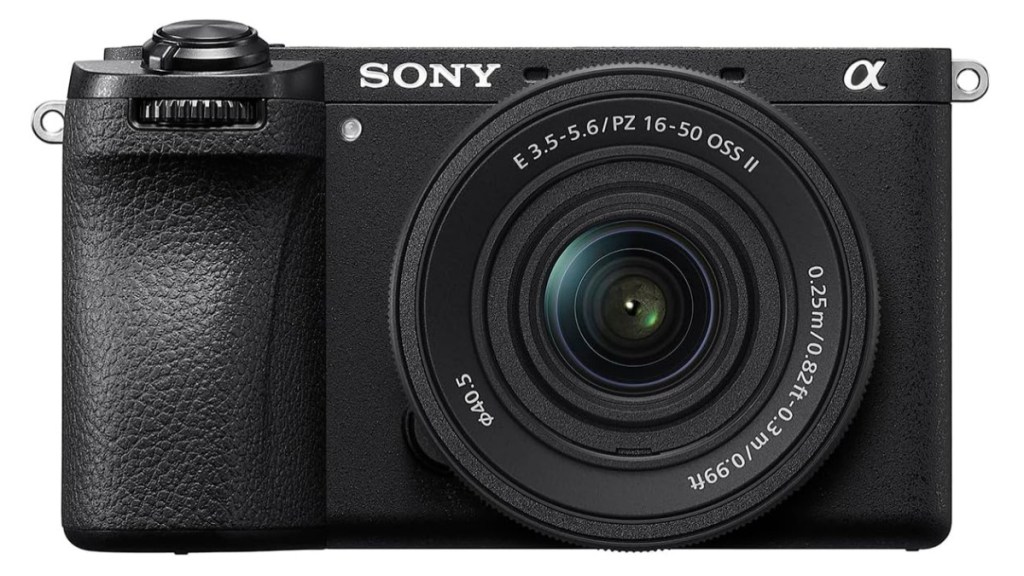
As I said, content creators love this mirrorless camera because it can do 4K recording oversampled from 6K, producing crisp footage with 10-bit 4:2:2 color. It can even shoot 4K at 120fps for slow-motion work, which is rare in APS-C cameras at this size. With these features and Sony’s extensive E-mount lens ecosystem, the A6700 becomes an excellent APS-C camera for videos.
Key Features
- 26MP APS-C Exmor R CMOS sensor with BIONZ XR processor
- AI-powered autofocus
- 4K video up to 120fps, oversampled from 6K
- 5-axis in-body image stabilization
- Continuous shooting up to 11fps with AF/AE tracking
| PROS | CONS |
|---|---|
| High-quality 4K video with 10-bit recording | Burst shooting slower than some competing cameras |
| Access to Sony’s large E-mount lens ecosystem | Menu system can feel complex for beginners |
| Compact and lightweight design | 4K 120fps introduces a crop |
Best Mirrorless Camera for Video
Mirrorless cameras are great for videos as well as photos. But if you only want the best option to record crisp footage, then the Sony FX3A is the best option you can go for. Let’s take a closer look at it.
Sony FX3A – Best Mirrorless Camera for Video
The Sony FX3A is one of the most compelling options if your primary focus is videos. Unlike most mirrorless cameras that try to balance photo and video, the FX3A is built as a compact cinema camera. It is part of Sony’s Cinema Line lineup and shares much of its DNA with the professional FX6 and FX9 cameras, but in a smaller body that’s easier to carry for solo creators.
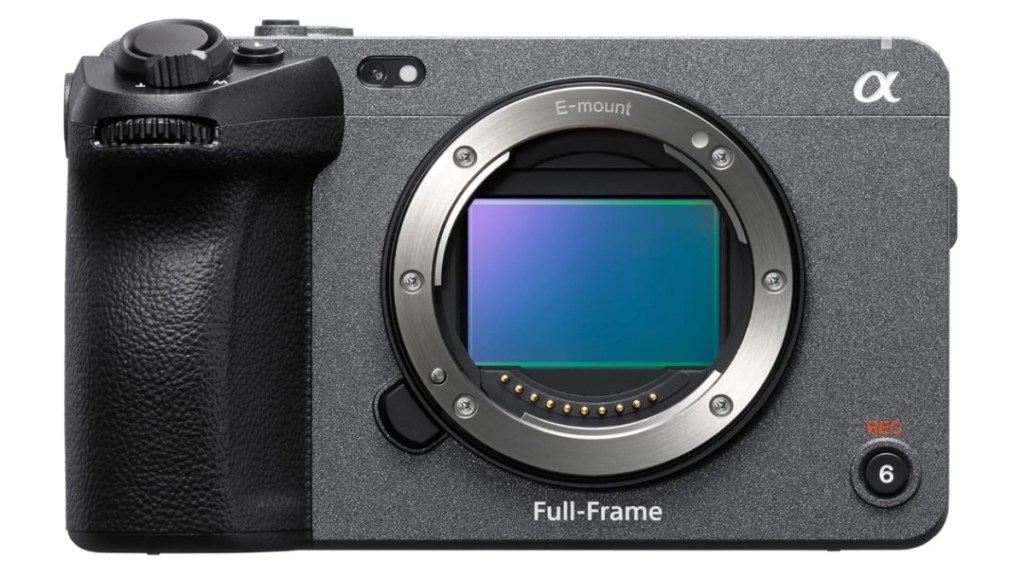
It comes with a 12.1MP full-frame Exmor R CMOS sensor paired with the BIONZ XR processor. This low megapixel count is intentional, allowing larger pixels that capture more light and deliver excellent low-light performance and dynamic range. The FX3A can record 4K video at up to 120fps internally with 10-bit 4:2:2 color, and even output 16-bit RAW over HDMI when paired with an external recorder.
Key Features
- 12.1MP full-frame Exmor R CMOS sensor optimized for video
- 4K recording up to 120fps with 10-bit 4:2:2 internal recording
- 16-bit RAW output, S-Cinetone, S-Log3, and HLG profiles
- Advanced phase-detection autofocus with real-time eye tracking
| PROS | CONS |
|---|---|
| Outstanding video quality with professional codecs | Limited still-photo capabilities |
| Active cooling for long recording sessions | Requires expensive accessories for a full filmmaking setup |
| Professional audio with detachable XLR handle |
Sony ZV-E10 II – Best for Content Creators
The Sony ZV-E10 II is also built for people who spend more time shooting videos than photos. This one features a 26MP APS-C back-illuminated Exmor R sensor paired with Sony’s BIONZ XR processor, which delivers excellent low-light performance. It can record 4K video up to 60fps with 10-bit color. The camera also supports Full HD slow motion, vertical video, and Sony’s S-Log3 and S-Cinetone profiles.
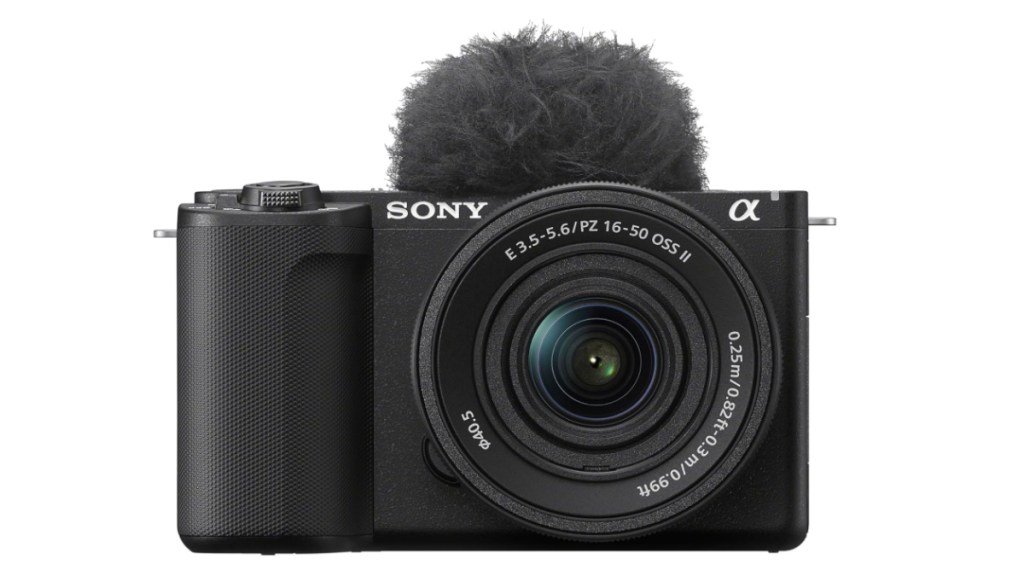
Sony has also designed the camera around vloggers. It features a fully movable touchscreen, a built-in directional microphone, and a dedicated Product Showcase mode that shifts focus between your face and objects you hold up to the camera. It’s compact, powerful, and packed with features that make shooting YouTube videos, vlogs, or social media content much crisper.
Key Features
- 26MP APS-C Exmor R BSI CMOS sensor with BIONZ XR processor
- 4K video up to 60fps with 10-bit recording
- Fully articulating 3-inch touchscreen for vlogging
- Built-in three-capsule directional microphone with windscreen
| PROS | CONS |
|---|---|
| Excellent 4K video quality with 10-bit color | No built-in electronic viewfinder |
| Creator-focused features like Product Showcase mode | No in-body image stabilization |
| Fast and reliable autofocus for vlogging |
Best Mirrorless Camera Under $1,000
Those looking for a great mirrorless camera option under $1,000 should consider the Canon EOS R50. This is one of the best best budget mirrorless options, almost as capable as some other expensive options.
Canon EOS R50 – Best Budget Mirrorless Camera
The Canon EOS R50 is one of the easiest cameras to recommend if you want a mirrorless camera photography without spending a fortune. You get a 24.2MP APS-C CMOS sensor paired with Canon’s DIGIC X processor, for sharp images, good dynamic range, and reliable performance. Despite being entry-level, it still includes Dual Pixel CMOS AF II with up to 651 autofocus zones, giving it excellent subject tracking.
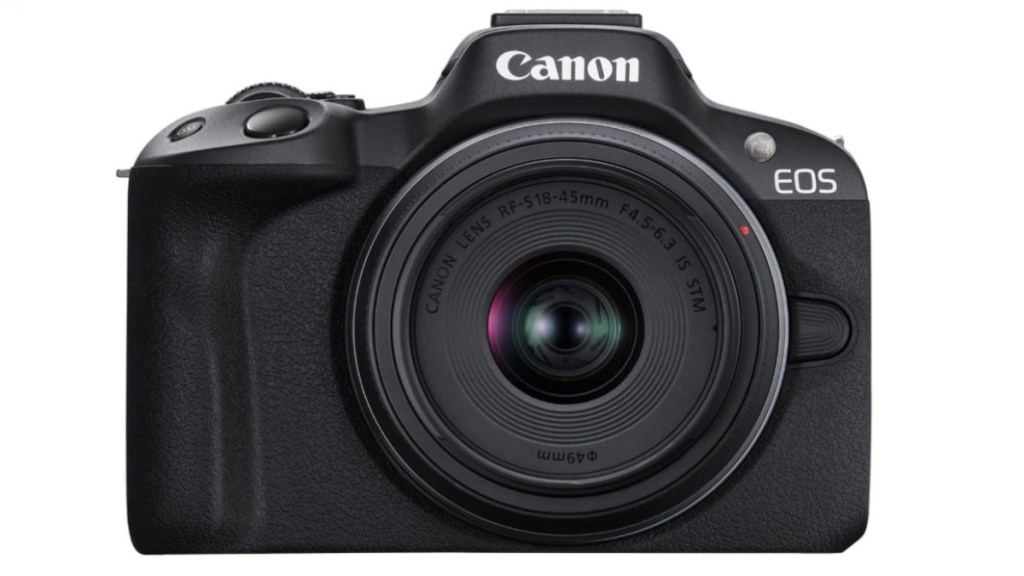
The camera also performs well for video. It records 4K video at up to 30fps oversampled from 6K, without heavy cropping. Combined with the fully articulating touchscreen, lightweight body, and Canon’s reliable color science, the EOS R50 becomes a great option for beginners, vloggers, and creators who want the best value for money mirrorless camera.
Key Features
- 24.2MP APS-C CMOS sensor with DIGIC X processor
- Dual Pixel CMOS AF II with up to 651 AF zones
- 4K video recording up to 30fps oversampled from 6K
- Burst shooting up to 15fps with electronic shutter
| PROS | CONS |
|---|---|
| Excellent value for a mirrorless camera | No in-body image stabilization |
| Strong 4K video quality for beginners | Single SD card slot limits professional workflows |
| Lightweight and travel-friendly design | RF-S lens selection is limited |
Mirrorless vs DSLR: Which Should You Buy?
Both DSLR and Mirrorless cameras deliver excellent image quality, but they each have their own benefits and downsides. The key difference comes down to their technology, portability, and, of course, preference. Here’s a table to better understand this difference and help you find out which one to buy.
| Feature | Mirrorless Camera | DSLR Camera |
| Viewfinder | Electronic viewfinder where light goes directly to the sensor | Optical viewfinder where light hits a lens before reaching the sensor |
| Size & Weight | Smaller and lighter since there is no mirror in between | Larger and heavier because of the mirror system |
| Autofocus | On-sensor autofocus and AI-powered subject tracking | Good autofocus which is usually aligned towards the center |
| Burst Shooting | More than 20FPS fast burst mode | Slower burst mode than mirrorless |
| Video Capabilities | Great for videos, and capable of recording in 4K, 6K, or 8K | Generally not good for videos |
| Battery Life | Half the battery life of a DSLR due to electronic components | Longer battery life of up to 6-8 hours |
| Lens Ecosystem | Growing market with new design and launches | Huge lens library from decades of DSLR’s |
Final Verdict: Which Mirrorless Camera is Right for You?
Nikon and Canon may rule the DSLR market, but when it comes to mirrorless cameras, it’s tough to beat Sony. It dominates this segment with its variety of options, suited for photographers, travellers, beginners, and budget-oriented consumers. That said, none of the cameras that we discussed are mediocre by any means. Each of them has its fair share of strengths and weaknesses. So, which mirrorless camera caught your eye? Let us know in the comments section below.
For most beginners in 2026, the Canon EOS R10 is one of the best mirrorless cameras. It’s easy to learn photography and video at the same time. It is also compact and lightweight, so you can get comfortable shooting in different situations. That said, if you have a little more experience with cameras, then the Sony A6700 and Nikon Z5 are also good alternatives.
In most cases, yes. Mirrorless cameras offer faster autofocus, better video features, and lighter bodies. On the other hand, DSLRs provide longer battery life and an optical viewfinder, which many photographers prefer.
Look for key features like sensor size, autofocus, video capabilities, and image stabilization. Also consider build quality, battery life, and available lenses, since these will directly affect your long-term usability.
There isn’t a single “best” per se, since all three are industry legends. But. Sony is often considered the leader in mirrorless cameras. Canon offers stronger color science, and Nikon focuses on durability and ergonomics.