There was a time when the superhero games felt secondary. We would get a superhero movie and a rushed superhero-inspired video game that would barely scratch the itch of what it means to be a hero. A lot of these games, such as Spider-Man, Hulk, Iron-Man, weren’t terrible; however, they rarely stood on the same level as other heavy hitters, including the OG Call of Duty, Metal Gear Solid, Assassin’s Creed, God of War series, and more.
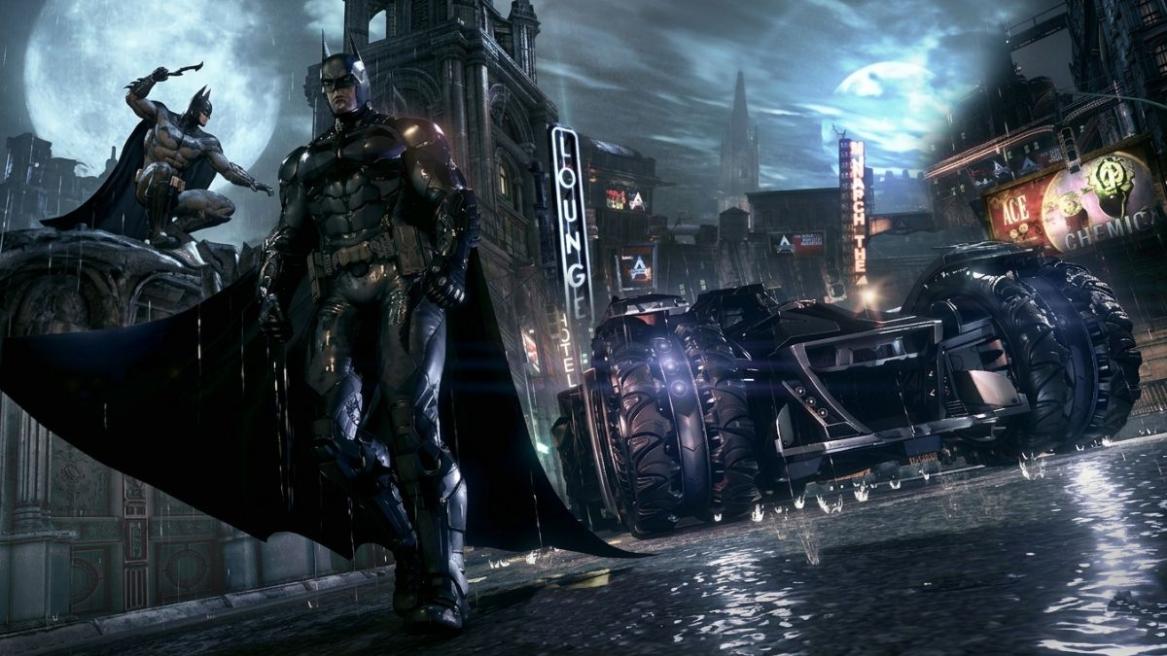
Then, in 2009, Batman: Arkham Asylum dropped like a thunderclap, and everything changed. By the time Arkham City and Arkham Knight were released, the Batman Arkham Trilogy quietly became the blueprint for modern superhero games.
These weren’t just another licensed game but rather polished, ambitious experiences for every fan who wanted to be Batman. If you’re someone who hasn’t yet tried these titles, remember that here you won’t just play as Batman; you’ll feel like him. The Arkham trilogy perfected and refined every game mechanic it used, and here’s why I believe that modern superhero games still follow the same steps today.
Batman Arkham Trilogy Revolutionised Combat That Changed Everything
The first and most important point to note is the birth of free-flow combat in the Batman Arkham games. It simply redefined the expectations of fighting as a superhero that often felt clunky or overly simplistic in other titles. The Arkham trilogy introduced a fluid and rhythmic gameplay where every punch, counter, and gadget flowed into the next.
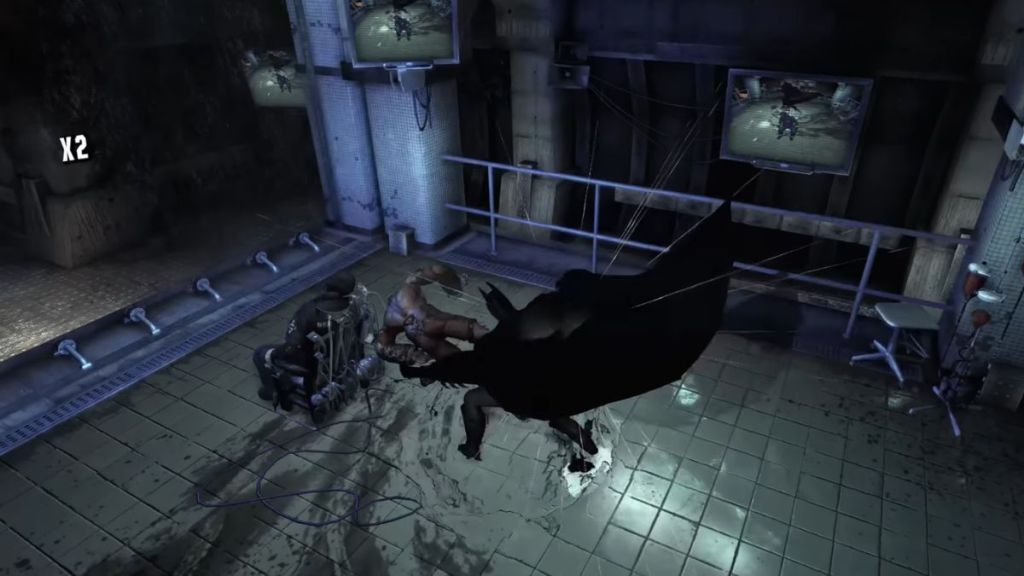

Yes, all of these might sound very normal to you, reading a story about the Batman games trilogy in 2026. However, more than a decade ago, when you were fighting Electro or Vulture in Spider-Man: Web of Shadows, or the Titanium Man in Iron Man, fluid combat was not at all the norm.
Although at the core, you could press a handful of buttons to attack, counter, and stun in the Arkham games, the way you interacted with the buttons created endless variation. If you could further add gadgets, the fights became a dynamic playground.
And now, you can’t talk about the modern action games without seeing Batman Arkham’s fingerprints all over them. The titles like Marvel’s Spider-Man, Middle-earth Shadow of Mordor, and Sleeping Dogs all borrowed heavily from this combat philosophy.
And honestly, this isn’t a bad thing. If a game is this good and works so well among the community, it should be studied, and yes, take inspiration as well.
Batman Arkham Elevated the Bar for AAA Games
Before the trilogy of Batman games, superhero titles felt just stuck in a weird limbo, as a lot of them felt rushed due to the tie-up with the movie releases. As such, they lacked the polish and refinement expected from AAA titles.
Then came Batman Arkham Asylum and flipped the script of such games. It had top-tier voice acting, detailed environments, and a level of refinement that rivaled the biggest titles of its time, including Assassin’s Creed 2 and Call of Duty: Modern Warfare 2. The involvement of voice actors like Kevin Conroy and Mark Hamill added a level of authenticity that felt like stepping into a living, breathing comic book.
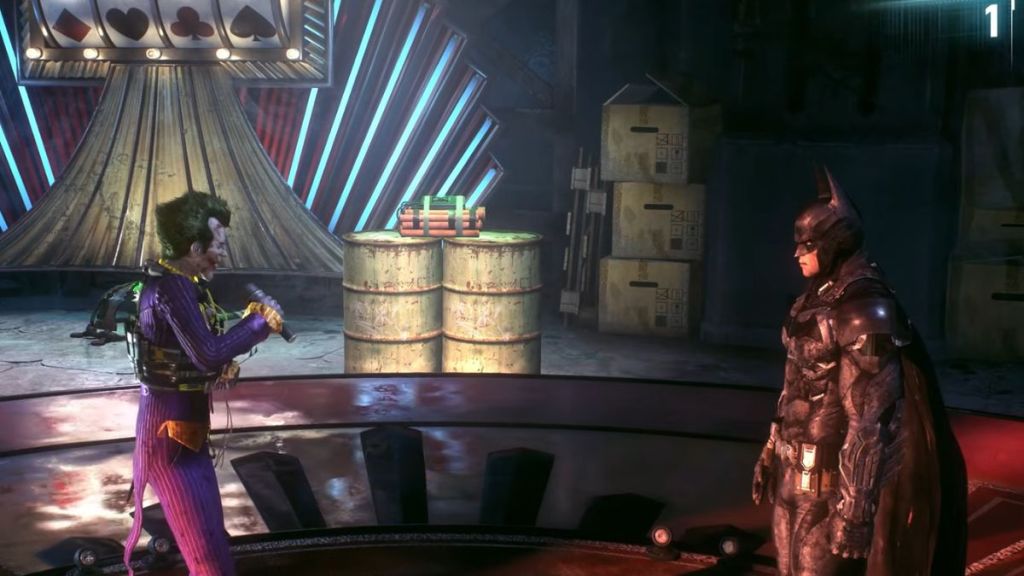
While Asylum showcased the basic concept of how AAA games should be, Arkham City perfected it with engaging and meaningful side missions. One of my favorite part of Arkham missions were the iconic stealth encounters where Batman perched on gargoyles, picking enemies off one by one while they panicked and talked to each other. You were rewarded for exploring the city, and the open world in Batman Arkham games became a part of the storytelling.
After Arkham, there were no excuses left, and one could not simply release a mediocre superhero game and call it a day. The bar has been raised high by the players, and it stayed there for future games to come.
Grounded Storytelling That Treated Players Like Adults
A lot of superhero stories often tend to struggle with the tone, as they often go too light and feel shallow. However, if you try to lean on a darker side, there’s a fear of losing the audience. The Batman Arkham games walked on this tight rope perfectly. The narrative in this trilogy wasn’t just about stopping the villains, but rather exploring Batman’s psyche, his fears, and the moral boundaries that he swears not to cross. The trilogy showcases each of these complex themes brilliantly instead of hand-holding.
Instead of throwing villains into boss fights, Arkham gave each of them a purpose and made them feel like a piece of a larger puzzle. This contributed to making the world feel interconnected. One of the prime strengths of Batman is not portraying him as a hero, but rather as a human being. The Batman Arkham game shows his internal struggles, adding an emotional layer that many games still fail to achieve.
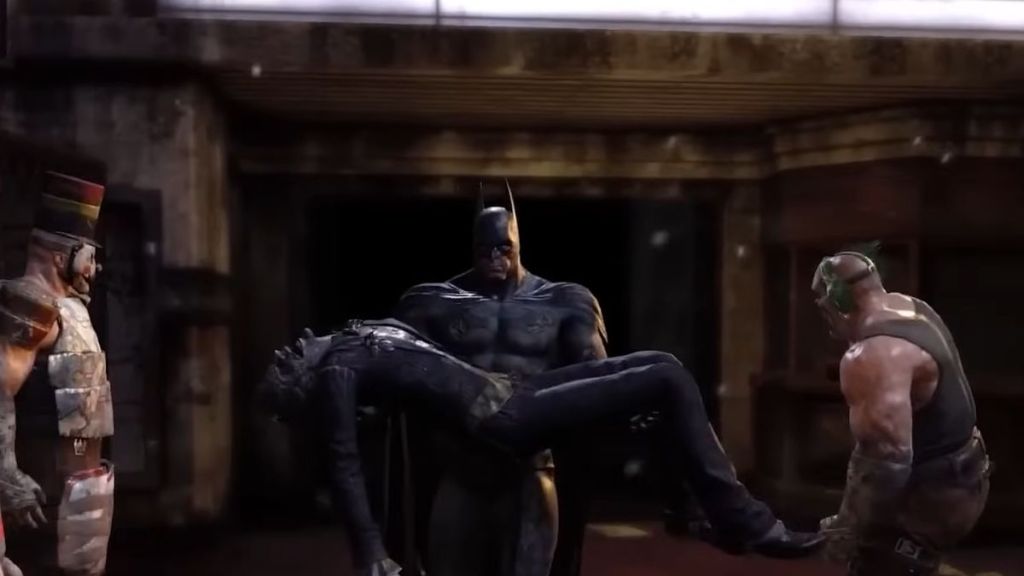
You might have experienced this while playing Batman Arkham City, when Joker dies after the cure is lost, Batman carries his body out silently. There’s no heroic victory speech, and the relationship between Batman and Joker is treated with unusual depth. Arkham City understands that a superhero story isn’t just about winning, but what that victory costs to people.
We see a similar concept of empathy used in Marvel Spider-Man by Insomniac Games, where Peter uses the last bottle of Antiserum to cure the people of the city, but sacrifices his beloved Aunt May in the process. With that scene, we realise that Uncle Ben must have been really proud of Peter, and finally understand his last words — With great power comes great responsibility. We can further hope that Marvel’s Wolverine can live up to the expectations of the gaming community.
An Immersive World Design That Made You Feel Like the Hero
Gotham City in Arkham isn’t just a simple setting, but a character in itself. Every alley, rooftop, and the flickering neon lights tell a story about the crimes happening there. Here, you glide across the rooftops and grapple between the buildings like it’s all natural. Again, do note that the three games were released back in 2009-2015, so each of these features was on a next level.
Tons of hidden easter eggs and visual clues led to side missions, and ultimately, you received handsome rewards. The Batman Arkham trilogy series did not stop experimenting with the new systems, and the Batmobile is one of the most useful examples here.
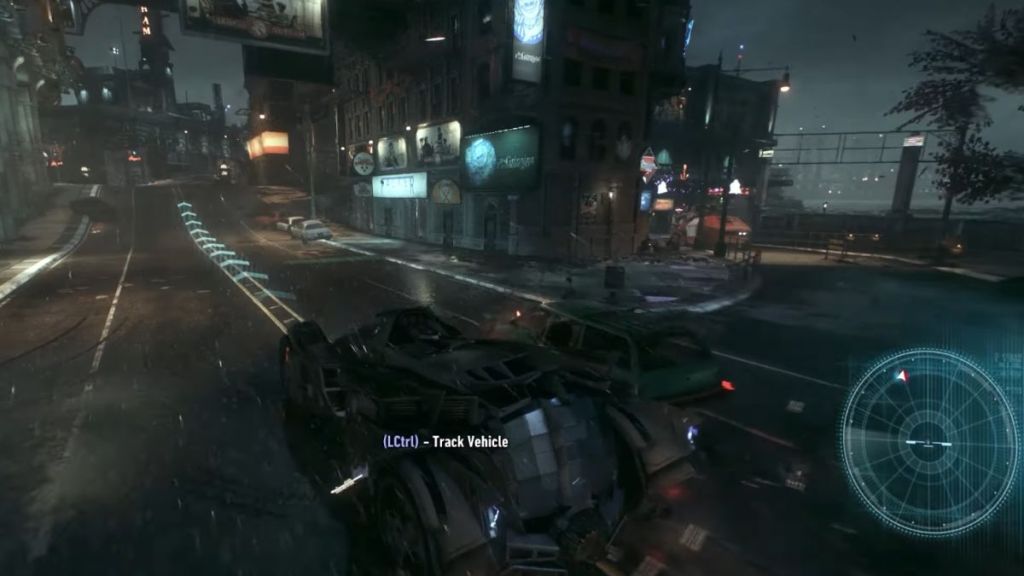
Although it’s a bit controversial, and a part of the gaming community absolutely dislikes those car missions, they highlight that imperfect features can be ambitious, too. Another powerful example is the Scarecrow hallucination sequences, where the game suddenly breaks, the screen glitches, and the controls invert, as if you’re thrown into a nightmare version of Gotham.
The Batman Arkham Trilogy didn’t just raise the bar, but it became the bar. It showed that games could be deep, polished, and emotionally engaging. It proved that licensed games didn’t have to settle for mediocrity and gave players something that they didn’t realize was missing for years. With that, let’s just hope that the LEGO Batman: Legacy of Dark Knight offers us something great to recall the experiences we had.











![[OPINION] GTA 6’s Ultimate Edition May Have Fans Reaching for the Upgrade Because of FOMO](https://static.beebom.com/wp-content/uploads/2026/06/gta6-lucia.jpg?w=300&quality=75)