Subnautica 2 drops players into the dangerous alien world of Proteus, where you have to explore the devastating secret of 40,000 Alterra colonists. Although the game is still in early access mode, it is packed wth ecosystems, resources, creatures, and a hidden lore. The beginner biomes and regions might seem friendly and easy to explore due to the passive creatures; however, as you progress, the regions might start feeling like a nightmare. So, here are the currently known Subnautica 2 biomes and regions that you can explore right now, including all their important areas as well.
List of All Subnautica 2 Biomes
We already have a large number of Subnautica 2 biomes, despite the game being in early access. Each biome has a different progression style, as some might be rich in survival materials while others can provide a ton of crafting materials. Below is a complete table of all the currently known Subnautica 2 biomes, including their resources and notable points of interest:
Biomes Key Resources Points of Interest Shallows Coral Shavings, Fibrous Pulp, Acidic Ration Pouch, Lucifer Rotsac, Quartz, Titanium, Water Slug Welcome Center, Lifepod Plateaus Deepwing Egg Clump, Cherimoya Rotsac, Copper, Silver, Titanium Old Habitat Graveyard Deepwing Egg Clump, Gold, Salt, Sulfur, Titanium Tailings Village, Tadpole Pens Necrolei Hills Deepwing Egg Clump, Copper, Necrolei Cyst, Titanium Unknown Dolerite Spires Deepwing Egg Clump, Lithium, Titanium Unknown Lead Zone Deepwing Egg Clump, Lead, Copper, Titanium Atoll, Nook, Wreck Anemone Hills Acidic Raion Pouch, Cherimoya Rotsac Angel Comb Shallows Caves Copper, Fibrous Pulp, Acidic Raion Pouch, Medical Gel Sac, Titanium, Water Slug. Cave Networks Plateaus Caves Copper, Silver, Titanium Cave Systems Graveyard Caves Gold, Lithium, Sulfur, Titanium, Water Slug Hot Cave Tar Cascades Titanium, Copper, Quartz, Celestine, Dragon’s Scale Coral Collector Leviathan Observatory Island Titanium, Copper, Lead, Salt, Quartz, Freesia Flower, Water Slug Observatory, Alien Ruins, Ruby’s Blackbox, Rosetta Stone Karakorum Power Plant Quartz, Conduit Crystal Angel Comb Root Canyon Celestine, Fulgur, Titanium, Quartz, Copper, Atacamite, Silver, Gold, Sulfur, Salt Wrecks, Angel Comb, Control Room, Resonator Wreck, tech Sites, Blighted Wreck Karakorum Metal Farms Atacamite, Axum Bacterial Culture, Metal Farms, Troilite, Celestine Collector Leviathan Observatory Island Caves Copper, Quartz, Titanium, Water Slug, Flash Slug Angel Comb Needler Nest Creature Enamel, Celestine Needler Habitat Silver Mines Silver Mining Areas Thermal Vent Clusters Gold, Sulfur Thermal Zones Out of Bounds Terrain None World Tree, Spiff Island
With the brief breakdown out of the way, let’s have a look at the list of all Subnautica biomes in detail:
Shallows

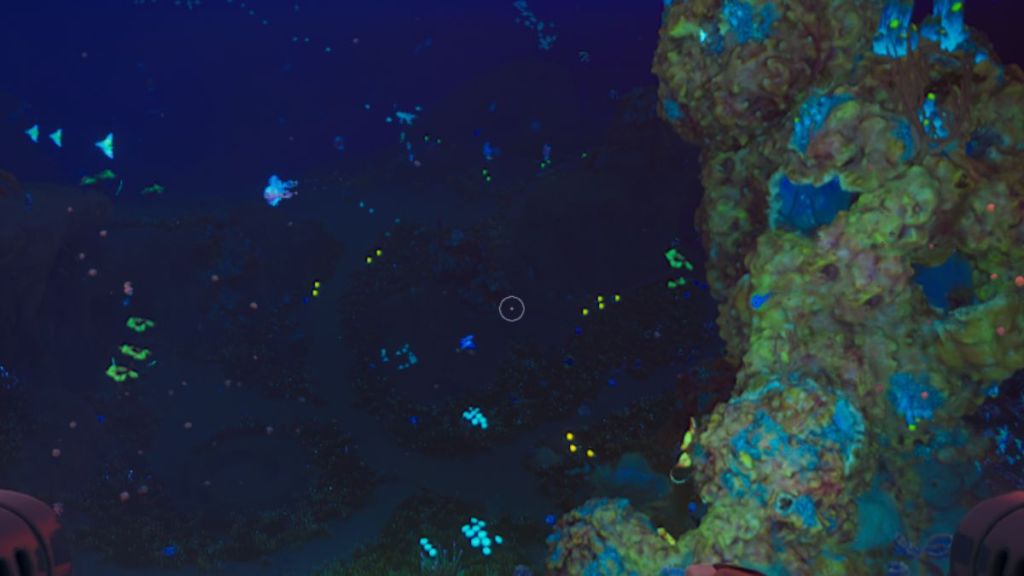
The Shallows are the first biome that the players encounter after first landing on Proteus. This area consists of some bright coral reefs on the ocean floor, and the atmosphere feels very peaceful and friendly. Players can also encounter the water slugs that will help in finding drinkable water early.
This biome is important because most of the life forms found here are passive. So, you must explore the nearby areas to find Lucifer Rotsac, Titanium, and Quartz that are essential for early crafting recipes in the game.
Plateaus
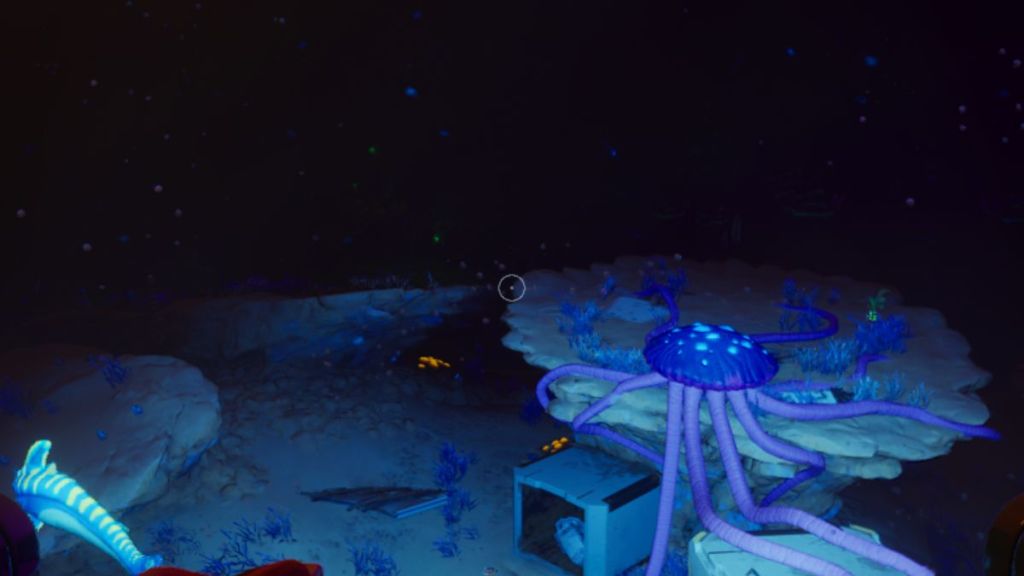
The Plateaus become slightly harsher than the Shallows due to the uneven rock formations and deep trenches across the area. These uneven areas can be quite harsh for your Tadpole vehicle because it can easily receive damage if not handled properly.
Silver can be easily found here, including Copper, Titanium, Cherimoya Rotsac, and more. Moreover, the Deepwing Egg clumps are also abundant within this region. Some common creatures found here are the BFJs and the Jelly Leis.
Graveyard
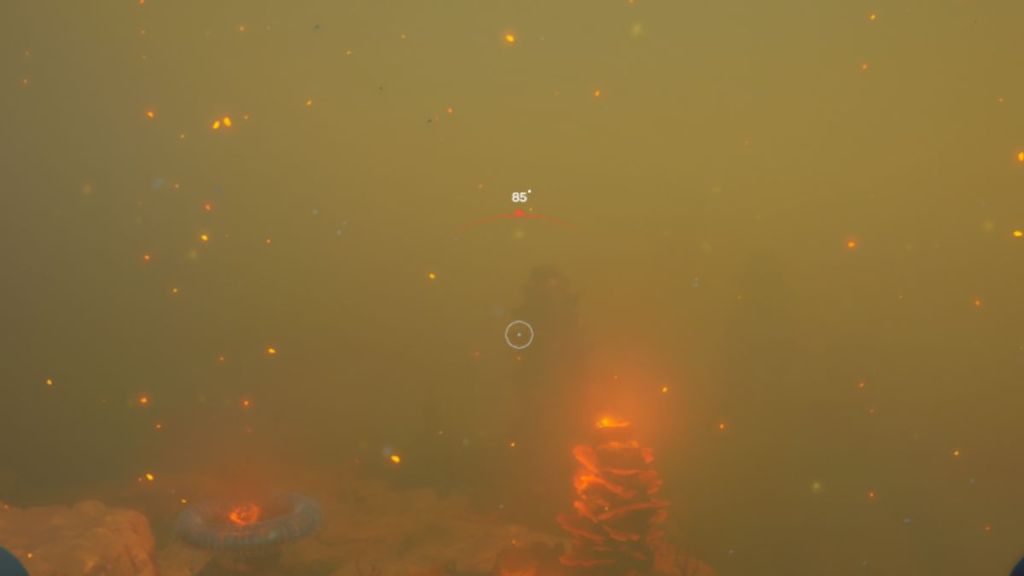
The Graveyard is where the true elements in Subnautica 2 biomes appear. The ocean shifts into an orange hue, and the temperature warning systems start to trigger. It feels so oppressive around here; the whole biome wants you gone.
Gold, Sulfur, Salt, and Titanium are the common elements found throughout the Graveyard, and therefore, it is an important mid-game farming location. The Tailings Village and the Tadpole Pens are two of the main memorable locations here. These are abandoned settlements, telling a story about the colonists. Here, you would also find some strange aquatic creatures like the Jelly Ring, Tallshroom, Marrowbeach, Halfmoon, Houndgar, and Radiator Coral.
Necrolei Hills
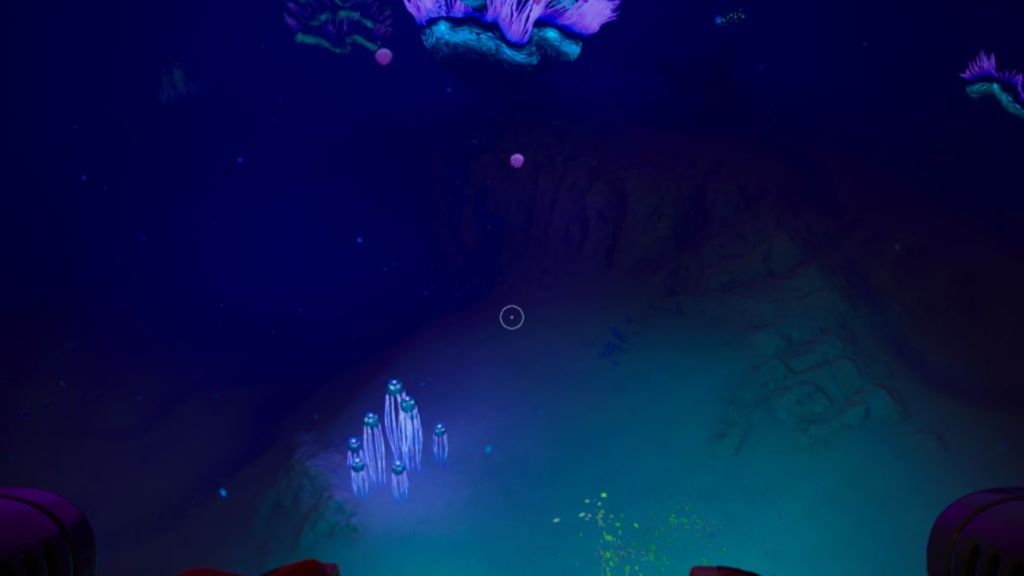
Necrolei Hills remain one of the most mysterious Subnautica 2 biomes in the early access mode. This is the main hub for the Necrolei Cysts that are required for making Strong Acids in Subnautica 2. As you progress through the mid-game stages, Strong Acids would become one of the main ingredients for making Power Cells, Batteries, and other electronic items.
The various lifeforms present here include the Halfmoon, Foureye, Hycean, Stilt Orb, Necrolei, Waxmoon, and Periscopic Clowncrab. You might look at certain fauna being heavily mutated because the infection that has been affecting Proteus has placed its mark on this biome.
Dolerite Spires
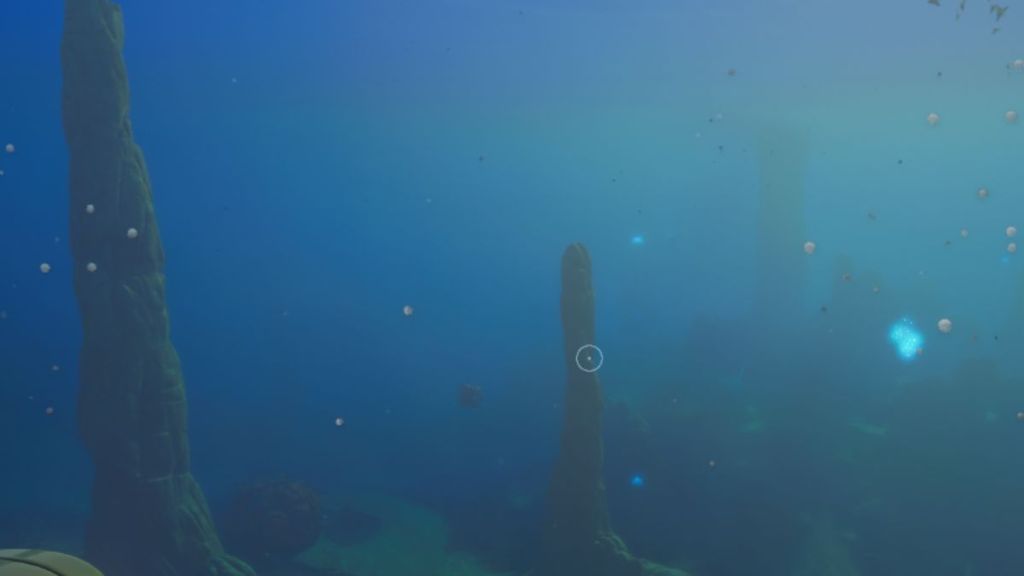
The Dolerite Spires Subnautica 2 biome stands out due to the jagged volcanic formations rising from the ocean floors. There are massive stone pillars, creating a maze-like route that quickly becomes confusing when you dive in without any light sources.
The major resources found here are Lithium, which is extremely valuable for your submarine upgrades. Alongside, you could spot the Coral Crabs, Great Jaw, Hammerhead, and the Surge Jelly as the lifeforms present here.
Lead Zones
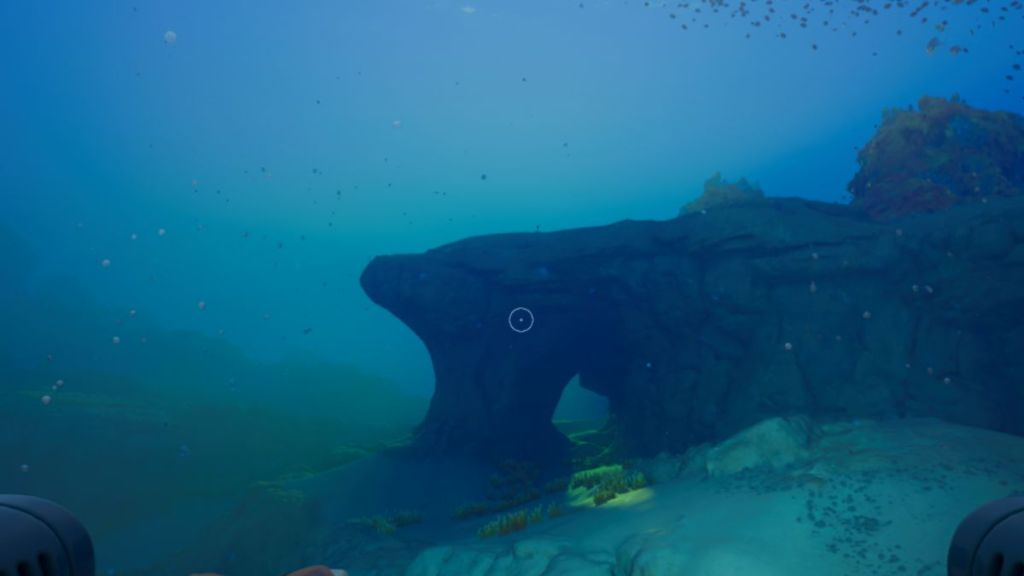
The Lead Zone consists of sandy ridges and rocky formations, thus creating a barren environment. Compared to the lush coral-heavy biomes, the Lead Zones are very low in lifeforms. You can only spot the Deepwing Brooder here that nests and lays clusters of eggs in this biome.
A few points of interest here are the Atoll, Atoll cave, Nook, and the Wreck. The key resource found here is Lead required for manufacturing a few tools and gears in Subnautica 2.
Anemone Hills
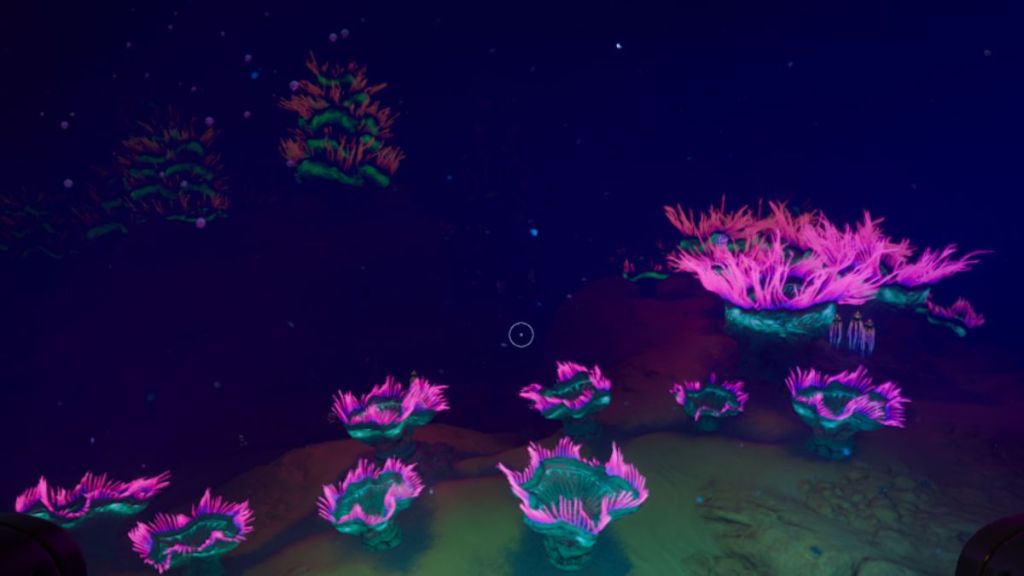
Anemone Hills is one of the most visually unique biomes in Subnautica 2. You could easily spot some of the massive Flora and Fauna the moment you enter this area. It includes Foureye, Geordie, Hammerhead, Halfmoon, Jetocaris, Marrowbeach, Acid Anemone, Cherimoya Rotsac, and more.
You could easily find most of the ingredients required in the Subnautica 2 crafting recipes here. Several Wrecks can be explored in this region, offering lore discoveries and valuable blueprints as well.
Shallows Caves
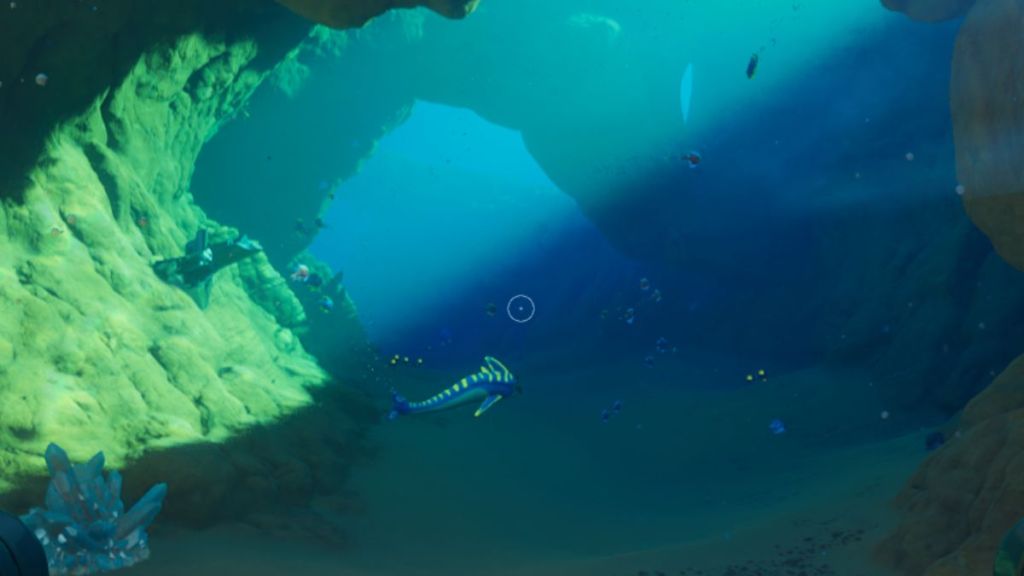
The Caves region consists of three major areas, including the Shallow, Graveyard, and Plateau Caves. Firstly, the Shallow Caves can be found beneath the Shallows and dramatically change the atmosphere compared to the bright waters above.
Copper, Fibrous Pulp, Medical Gel Sacs, and Titanium are commonly found here. So, it easily becomes one of the best places to look for Titanium and craft the Titanium Ingots in Subnautica 2. Players quickly realize how the Shallow Caves can turn out to be horrific when their oxygen levels start dropping fast due to the immense depth of these biomes.
Plateaus Caves
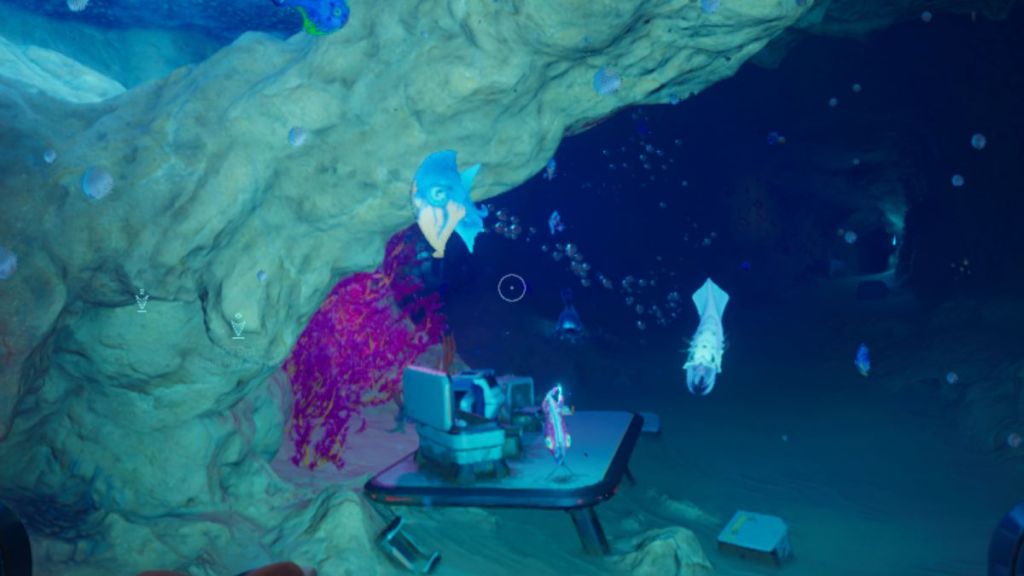
The Plateaus Caves are deeper and more complex than the Shallow Cave systems. The tunnels stretch beneath the rocky cliffs and even connect to the multiple Subnautica 2 biomes together.
There are mainly some Silver and copper deposits that make exploring such caves rewarding. However, you can also encounter some aggressive creatures in the deeper sections of the caves, where the visibility becomes incredibly poor.
Graveyard Caves
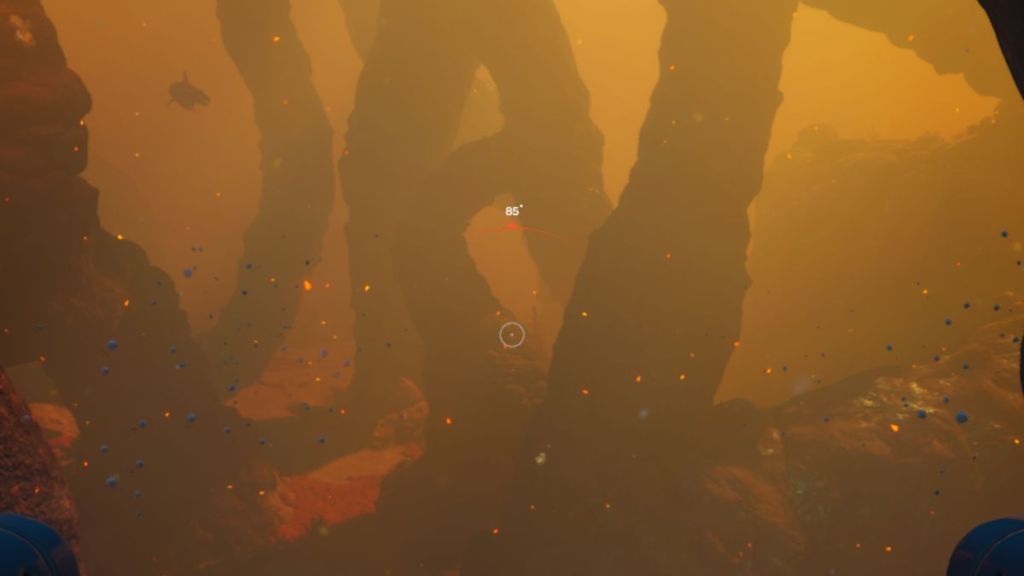
The Graveyard Caves are among the most intimidating cave systems in Subnautica 2 right now. These are underground tunnels that extend hundreds of meters down into heated volcanic chambers filled with Sulfur, Gold, and Lithium.
If you’re about to go inside these biomes, consider taking an upgraded version of the Tadpole vehicle. Even with the Tadpole, you must be aware of the strong, hostile creatures that might cause damage to the vehicle and eventually make it difficult for you to return.
Tar Cascades
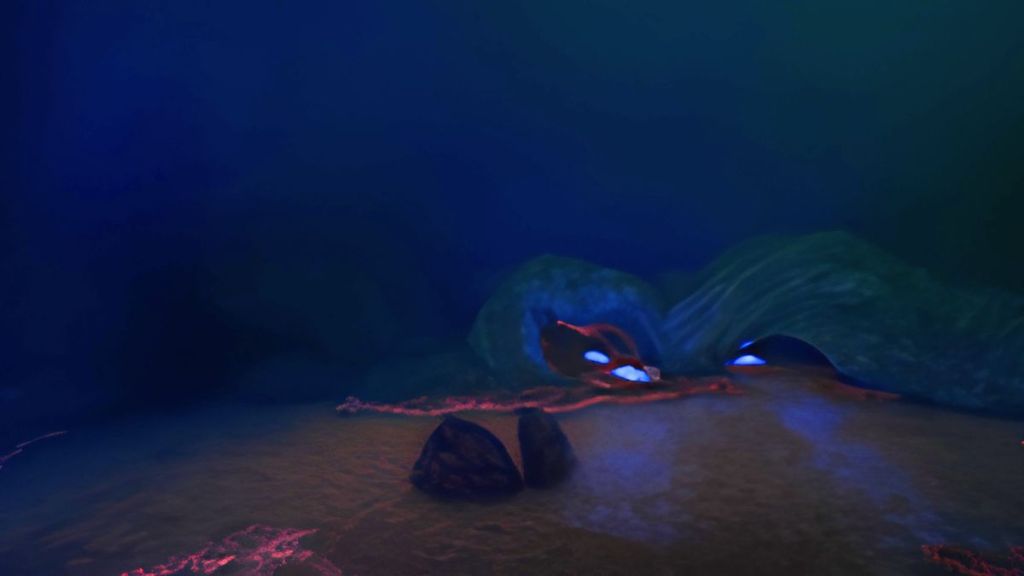
The Tar Cascades biome feels different from the Coral Gardens due to a contrasting, darker, and harsher environment compared to the colorful coral marine life. You would find black tar-like substances coating the portions of the terrain, creating a hostile-like environment, even before you can spot any Subnautica 2 creatures.
The main resources found in this Sparse Plains region are Titanium, Quartz, Copper, Celestine, and Dragon’s Scale. You can find large deposits of such elements, making it easier for you to farm and use them for your crafting recipes. One of the primary lifeforms you would encounter here is the Collector Leviathan.
Observatory Island
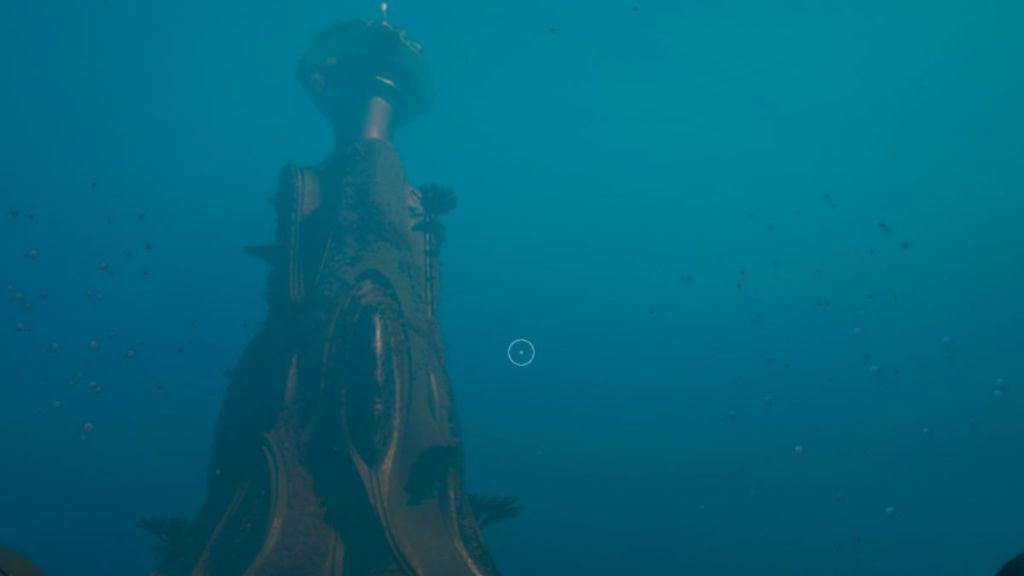
The Observatory Island is arguably one of the most important locations among all the Subnautic 2 biomes. The reason is a massive alien tower rising from the water that immediately captures the attention of the players the moment they arrive there.
Flash Slugs, Water Slugs, Surge Jelly, Pneuma are among the few lifeforms present here, while Titanium, Copper, Silver, and Gold are some of the resources found here. Among the many points of interest, you will spot the Alterra Base, the massive Axum Observatory, the Rosetta Stone, the Needler Nest, and a Hot Cave.
Karakorum Power Plant
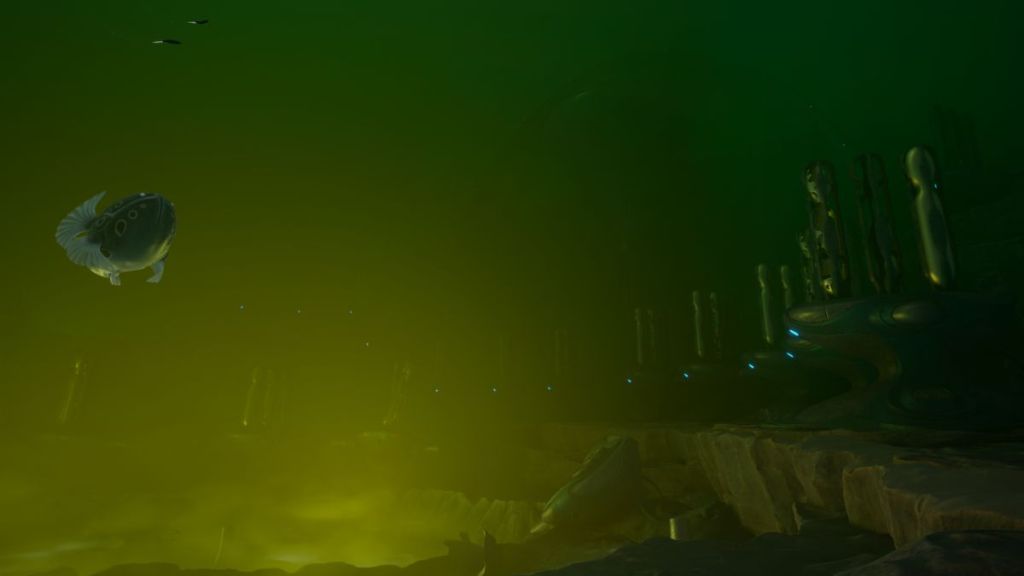
The Karakorum Power Plant biome in Subnautica 2 displays some of the most advanced alien architectures seen in the game so far. You would find massive mechanical structures like the water turbine and the Angel Combs. This is proof that this region was once a large area for the Axum activity.
The Conduit Crystals are the primary resource here, alongside the Angel Combs. This biome feels heavily connected to the larger alien civilization that once inhabited Proteus.
Root Canyon
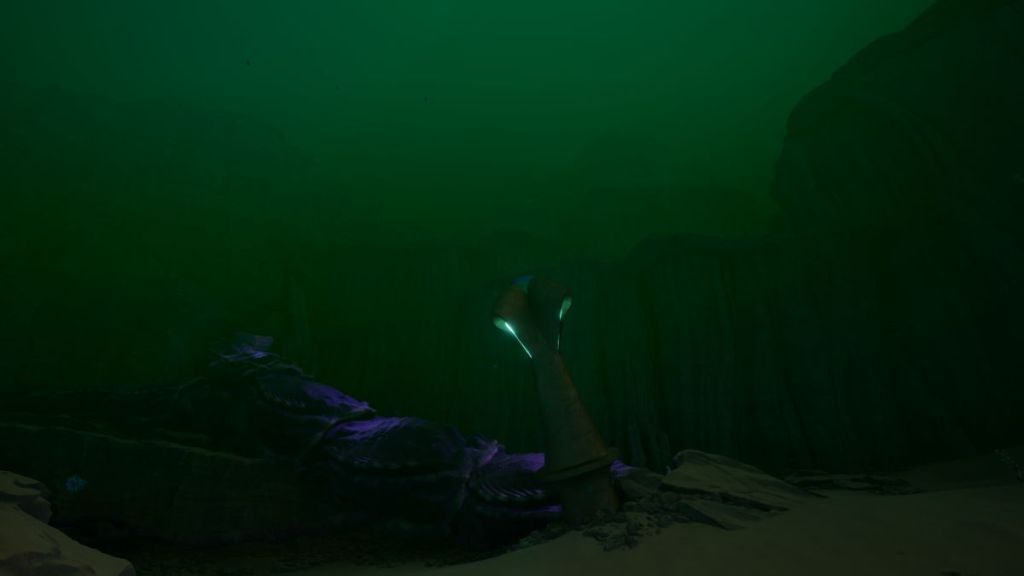
Root Canyon is one of the deepest explorable areas in the Subnautica 2 early access, which reaches a depth of 365 to 750 meters. You can spot the massive root-like formations that stretch across the canyon walls. The massive mining operations also hint at a previous colonist activity as well.
This biome is rich in Celestite, Gold, Sulfur, Silver, and Atacamite. There are multiple wrecks, tech sites, and blight nodes that can be discovered throughout the canyon. Due to the pitch-black darkness, navigation in this biome is quite difficult.
Karakorum Metal Farms
The Karakorum Metal Farms are found on the northeastern side of the Karakorum Power Plants. This Subnautica 2 biome is filled with strange alien machinery and metal-processing structures. You can find Troilite, Celestine, and Atacamite as they are the major resources.
Apart from the resources, you can also spot one of the most powerful hostile creatures of the game, the Collector Leviathan, patrolling here. However, if you are looking for more spots to find this creature, have a look at the guide on all confirmed Leviathans in Subnautica 2.
Observatory Island Caves
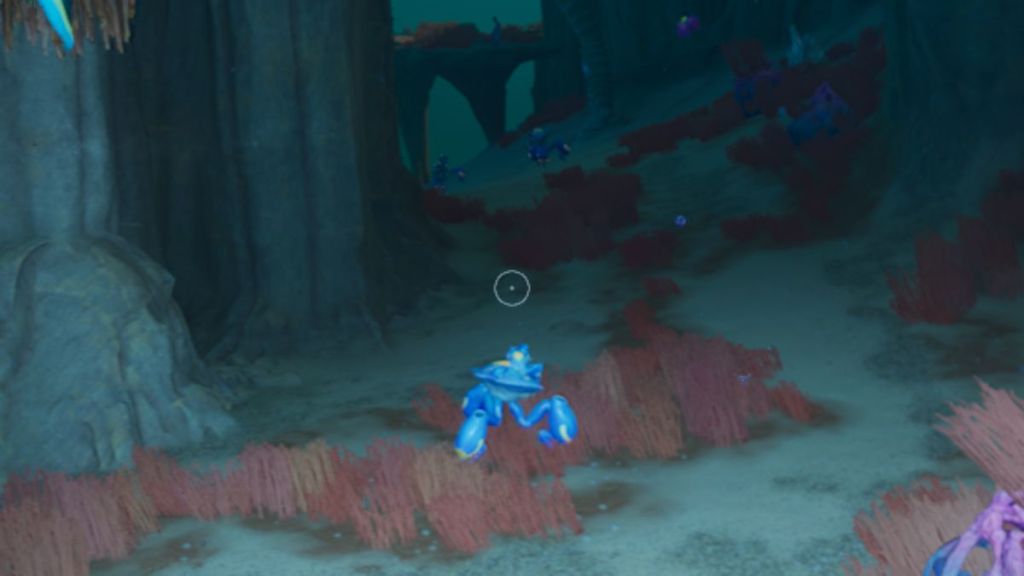
The Observatory Island Caves contain Flash Slugs, Angel Comb structures, and various rare crafting materials. There are tunnels beneath the Observatory Island that lead to this area. However, these caves can be very dense and confusing, and often force you into dangerous close encounters with the aggressive, hostile creatures of Subnautica 2.
Needler Nest
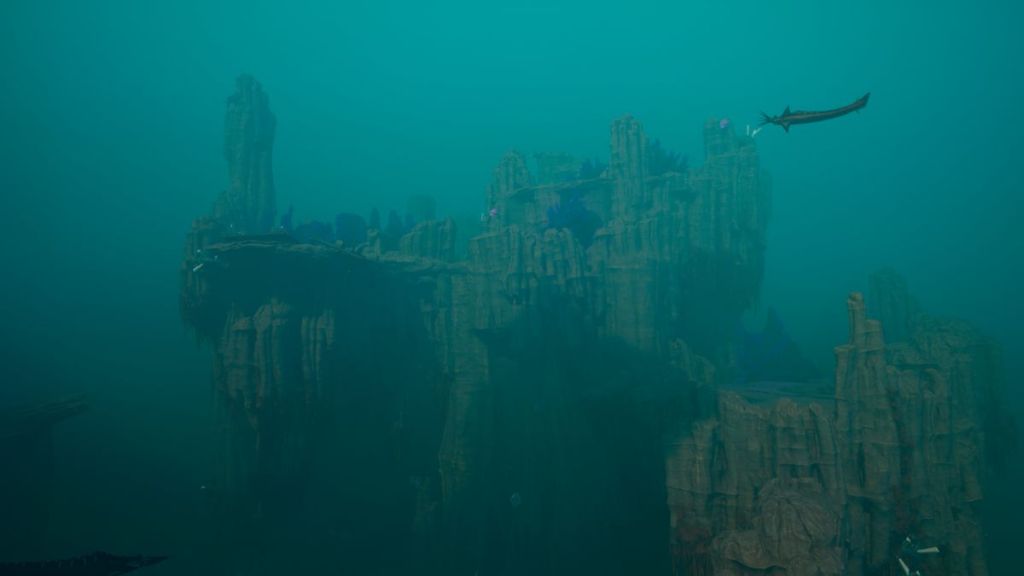
Apart from the above regions, there are some micro biomes in Subnautica 2, including the Needler Nest, Silver Mines, and Thermal Vent Clusters. The Needler Nest is packed with hostile Needler Mango creatures. However, despite this danger, it is an excellent source of Creature Enamel and Celestine.
Silver Mines
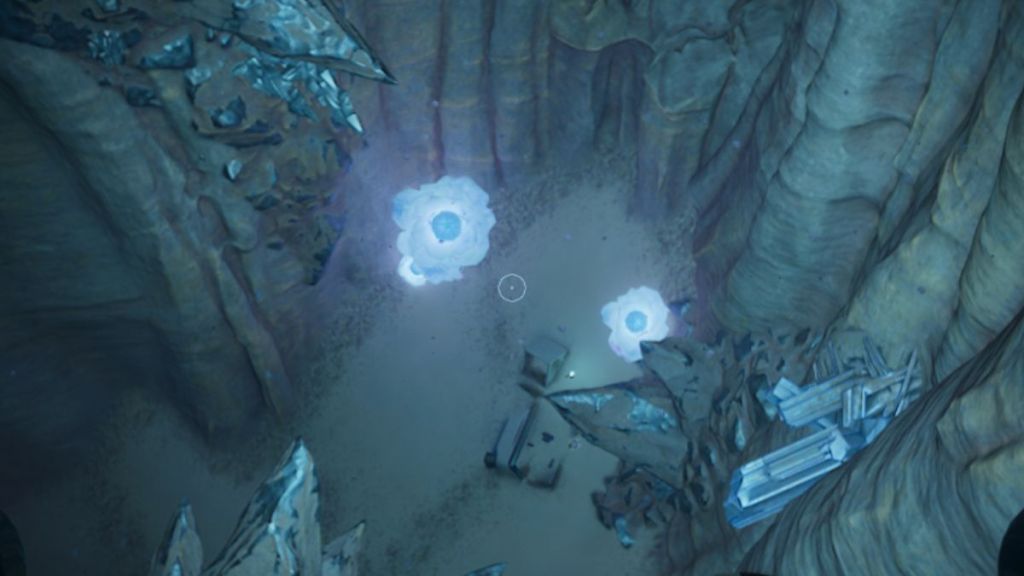
As the name suggests, Silver mines are one of the best locations for gathering Silver in Subnautica 2. It is a straightforward biome and is connected to deeper cave systems in the game. Other than that, no unique lifeforms or resources can be found here.
Thermal Vent Clusters
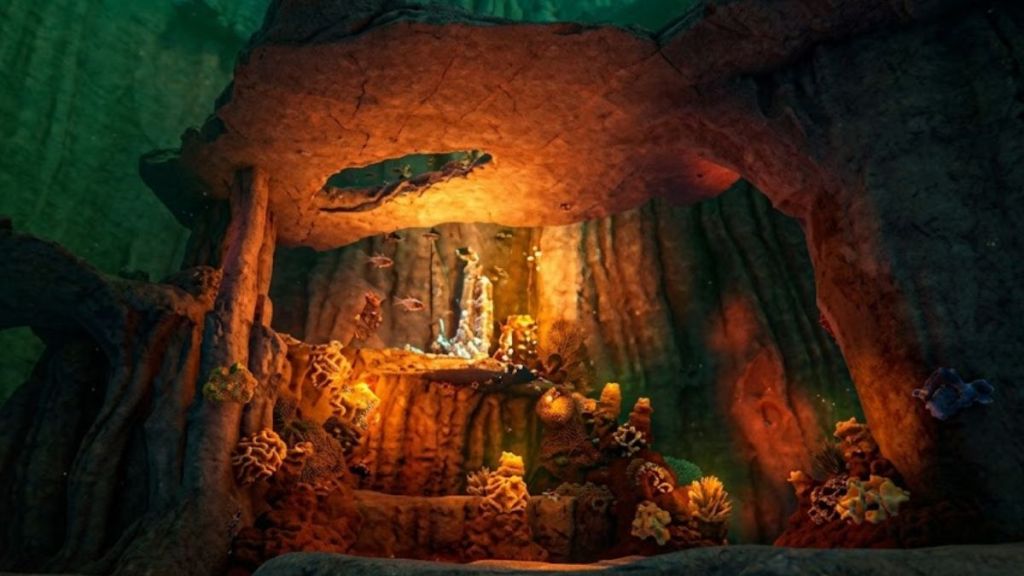
The Thermal Vent Clusters are volcanic hotspots filled with Gold, Sulfur, and Titanium. Due to the immense heat in these regions, you must come prepared with heat-resistant abilities. Furthermore, your simple Tadpole vehicle won’t make it through the biome if you consider using it without any upgrades.
Out of Bounds Terrain
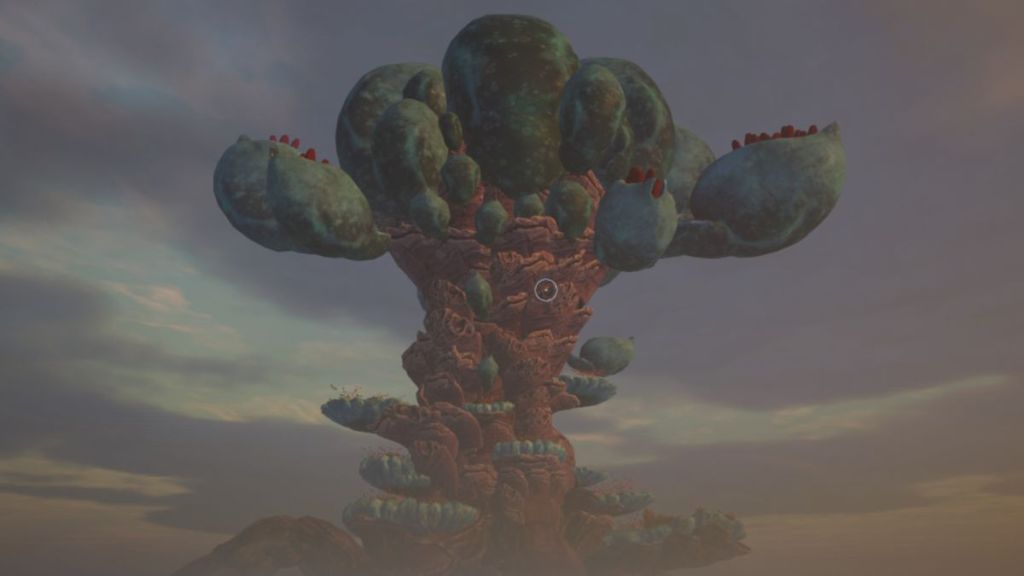
One of the main points of interest in the Out of Bounds region is the World Tree. The World Tree is perhaps the most mysterious location teased inside the game. Although you can view it from a distance, it stays inaccessible during the early access. According to the colonist logs, many believe that the World Tree was the source of the infection, and some groups even wanted to destroy it.
And that completes the list of all Subnautica 2 biomes, including all regions, points of interest, flora, and fauna that fill these regions.
The Shallows is currently the safest biome in Subnautica 2. It contains some of the beginner-friendly resources, fewer hostile creatures, and early game structures.
Gold can be mainly found in the Graveyard biome, Graveyard Caves, Root Canyon, and Thermal Vent Clusters.
The Root Canyon is currently one of the deepest explorable biomes of Subnautica 2, reaching depths of around 750 meters.