- Salt is commonly found in caves and the deeper biomes southeast of the Lifepod.
- The Scanner station can help in tracking nearby salt deposits and make farming much easier.
- Salt is essential for food recipes, crafting ingredients, and other progression items in Subnautica 2.
Salt is one of the most important crafting resources that you can find early in Subnautica 2. It may seem like a common material lying on the ocean bed, and you might have ignored it every time you passed by. However, as you start making better food and some advanced supplies, salt becomes an essential crafting ingredient. Salt may not be as commonly found as Titanium and Copper, but we’re here to help you out with that. So, check this guide to learn how to find Salt in Subnautica 2 and discover its uses in the game.
How to Get Salt in Subnautica 2
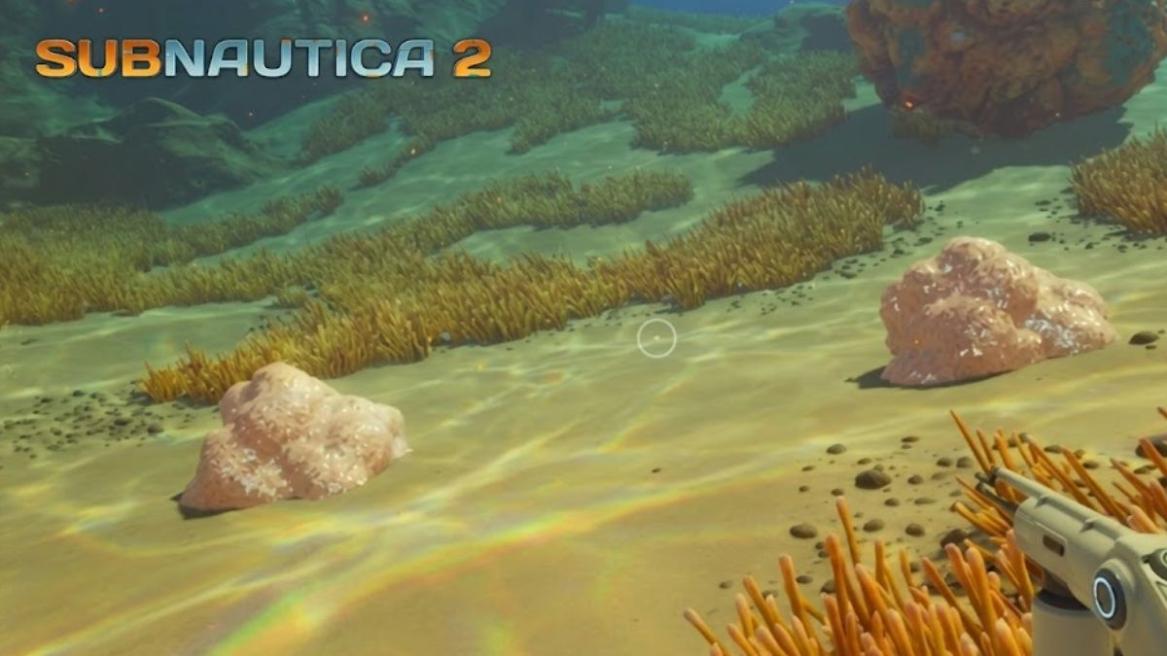
The easiest way to get salt in Subnautica 2 is by exploring the caves and ocean bed located south and southeast of your spawn point or the Lifepod. Salt usually appears as small pinkish crystal deposits scattered across the ocean floor or attached to dead coral formations.
So, if you’ve just spawned and explored very few regions around you, consider starting your search by swimming 200 meters to the southeast of your Lifepod. As you move further, the ocean becomes warmer, and the hue changes as well. Warmer oceans indicate that there will be an abundance of Salt in Subnautica 2.
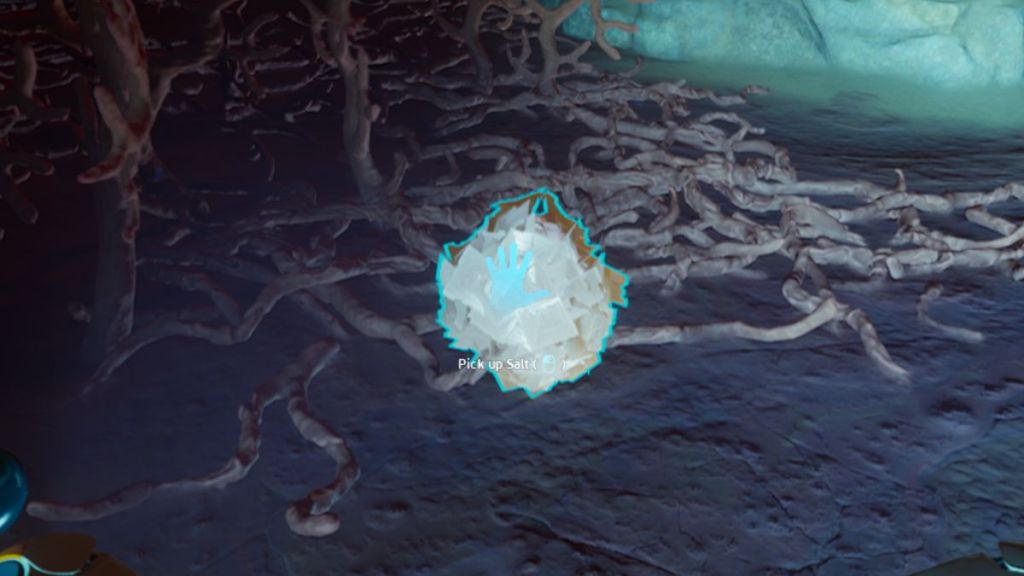
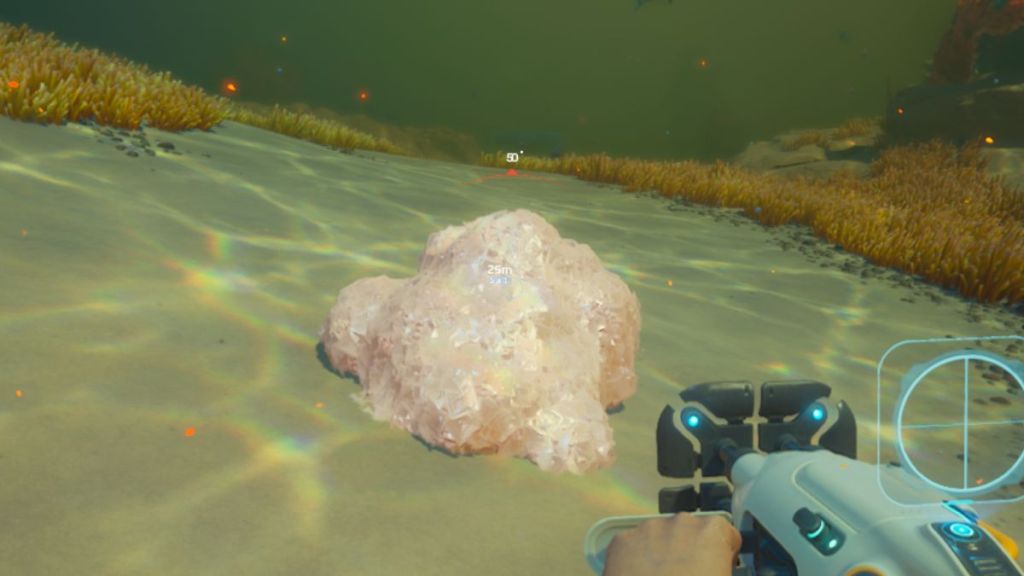
Once you spot the pinkish crystal formation on the ground, move closer and click the left mouse button to collect it. Do note that smaller crystal formations can be collected by hand, while the bigger ones require breaking with the Sonic Resonator tool.
Another important point is that the areas near the salt deposits can be designated high heat zones. So, if you have not unlocked the Heat Tolerance yet, consider revisiting these areas a bit later.
Best Early Game Salt Locations in Subnautica 2
The best beginner-friendly locations to find salt deposits in Subnautica 2 are the cave systems in the southeast part of the map, roughly at a distance of 250 meters from the Lifepod. Inside these caves, you would find several salt nodes, and it becomes easy to collect multiple pieces in a single trip.
Other best farming spots for salt include the Coral Crab graveyard biome. This area is easily recognizable by the dead and dull corals on the ocean bed. Here, you would find a bunch of small salt deposits popping up among the dead corals.
Now, if you have already set up a small base near the starter Lifepod, consider using your Habitat Builder to make a Scanner Station. It will be present under the Interior Facilities tab or simply check the Subnautica crafting recipes for more information.
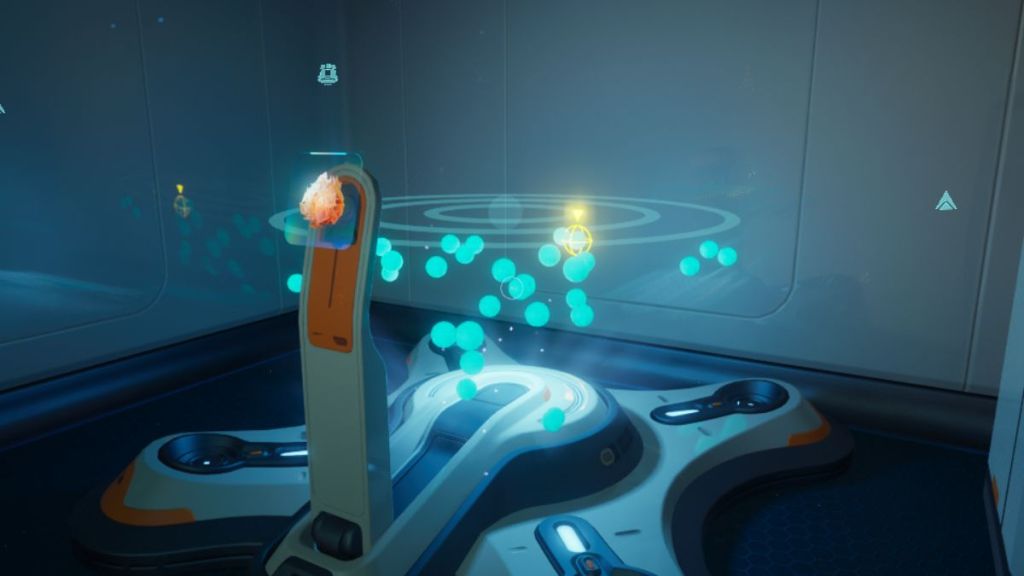
Once built, interact with it and select the element you want to find, and in this case, we would be looking for the salt locations. When the spheres appear for the available salt deposits, set your target using the left mouse button and then follow the mark. This way, you would be able to farm all nearby salt deposits, just by marking the region with the most clusters.
Salt Uses in Subnautica 2
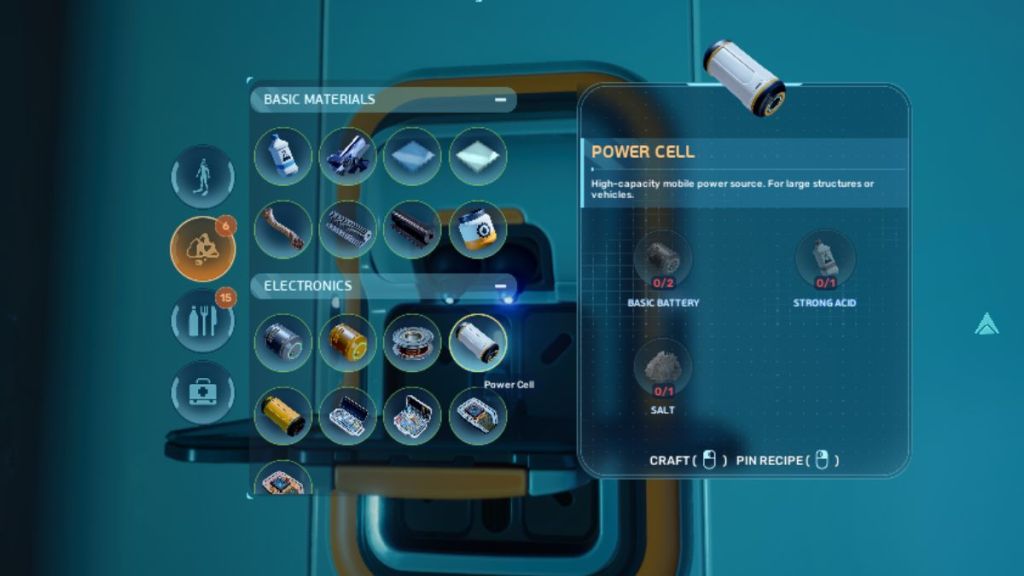
Salt is primarily used for cooking advanced food recipes in the game. But apart from that, there are a few other important uses, such as the Power Cell, which would be required to unlock a Tadpole Vehicle in Subnautica 2. That being said, here are all the uses of salt in the game:
- Power Cell: 2x Battery, 1x Strong Acid and 1x Salt
- Sugar of Saturn: 1x Lead and 1x Salt
- Halfmoon Jerky: 2x Halfmoon and 1x Salt
- Hoverthorn Souvlaki: 3 Hoverthorn and 1x Salt
- Nutrient Block: 1x Biofuel block and 1x Salt
- Isotonic Water: 1x Flash Slug and 1x Salt
- Glass: 2x Salt
So, have you found this important resource in the game yet? Are you looking for better resources, such as the Titanium Ingot, in the game as well? Tell us in the comments below.
The best early game salt farming spot in Subnautica 2 is located to the southeast of the Lifepod near the cave system and near the Coral Crab biome.
Smaller salt deposits can be collected by hand, but the larger ones require specific tools like the Sonic Resonator to break them apart.


 Bipradeep Biswas

 Ishan Adhikary



![[EXCLUSIVE] "Pure Body Horror and Graphic Stuff" – ILL's Creator on Building the Game That Knows Exactly What Scares You](https://static.beebom.com/wp-content/uploads/2026/06/Beeboms-ILL-interview-with-Maxim-Verehin.jpg?w=300&quality=75)
 Sanmay Chakrabarti