Google just launched Nano Banana 2, its latest image generation model built on Gemini 3.1 Flash Image. Google claims it combines the Pro-grade capabilities of Nano Banana Pro with the efficiency and speed of its Flash models. So to test the claim, we have compared Nano Banana 2 vs Nano Banana Pro in this visual showdown. On that note, let’s check which image generation model wins.
Testing Real-World Knowledge
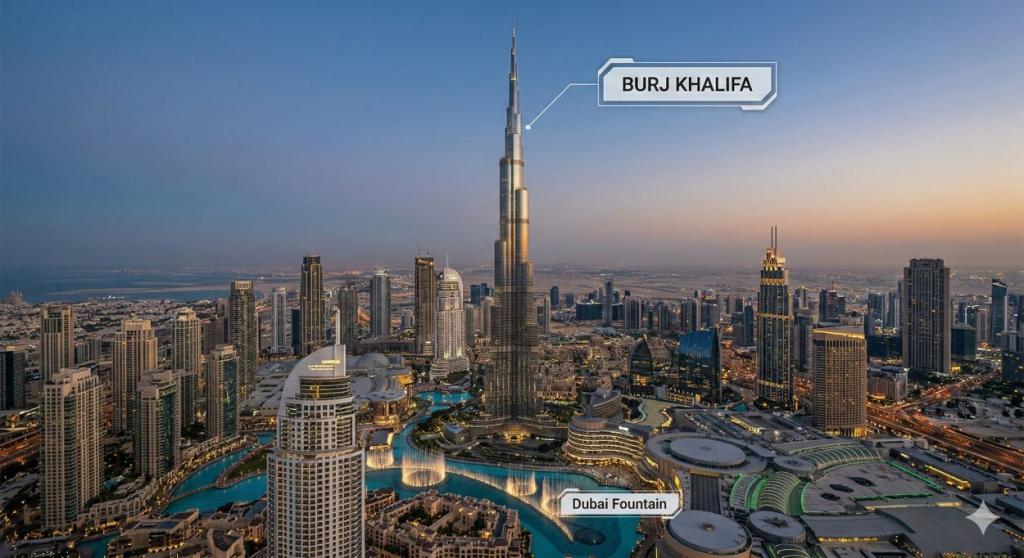
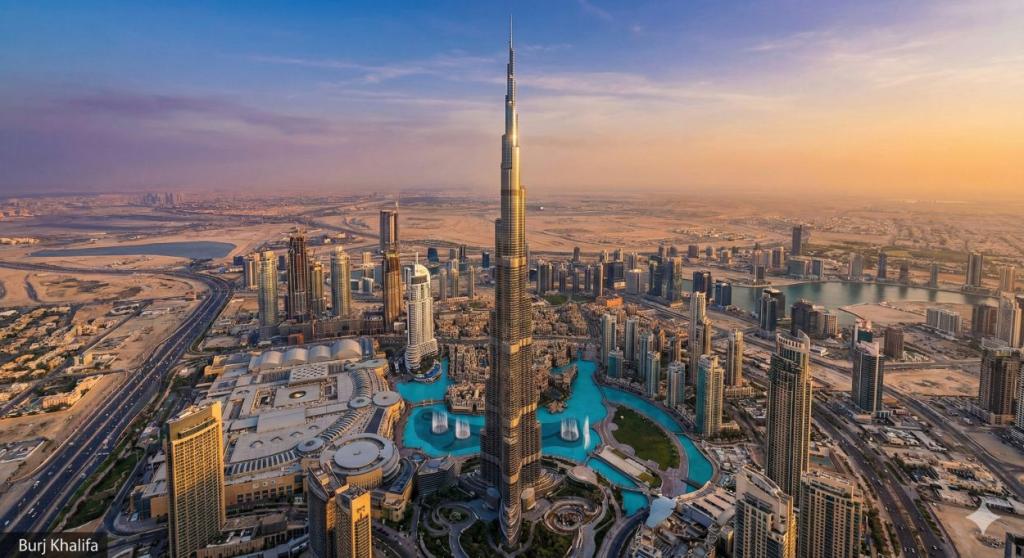
For my first test, I started with real-world knowledge since Nano Banana 2 now comes with web access, just like the larger Nano Banana Pro model. I simply asked both image models to generate an image of the current tallest building in the world and label the building’s name.
The Nano Banana 2 model, despite being less expensive and small in size, did a phenomenal job and labeled Burj Khalifa correctly. On the other hand, Nano Banana Pro correctly rendered the image, but added a small text box at the bottom left. In my opinion, Nano Banana 2 won this round easily.
Create a Detailed Infographic
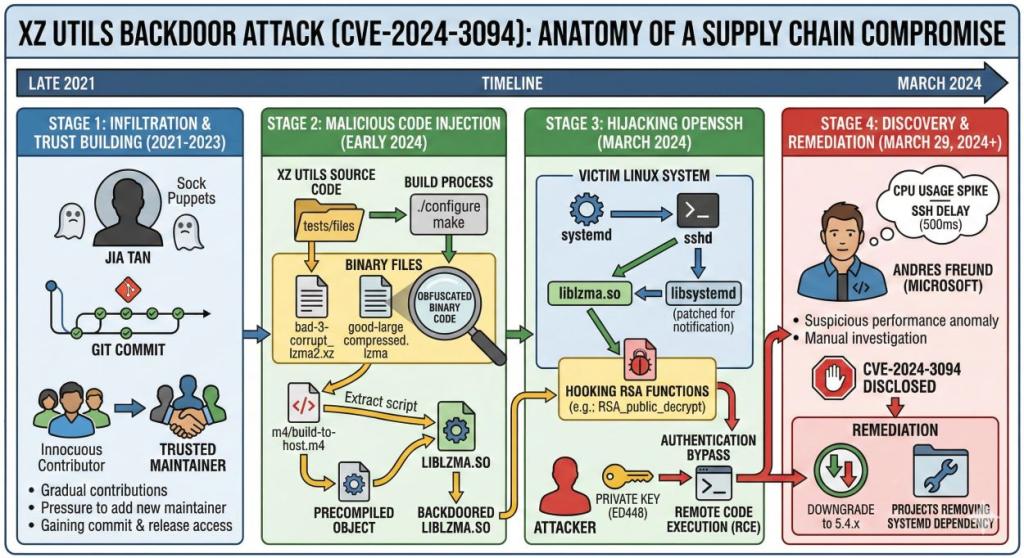
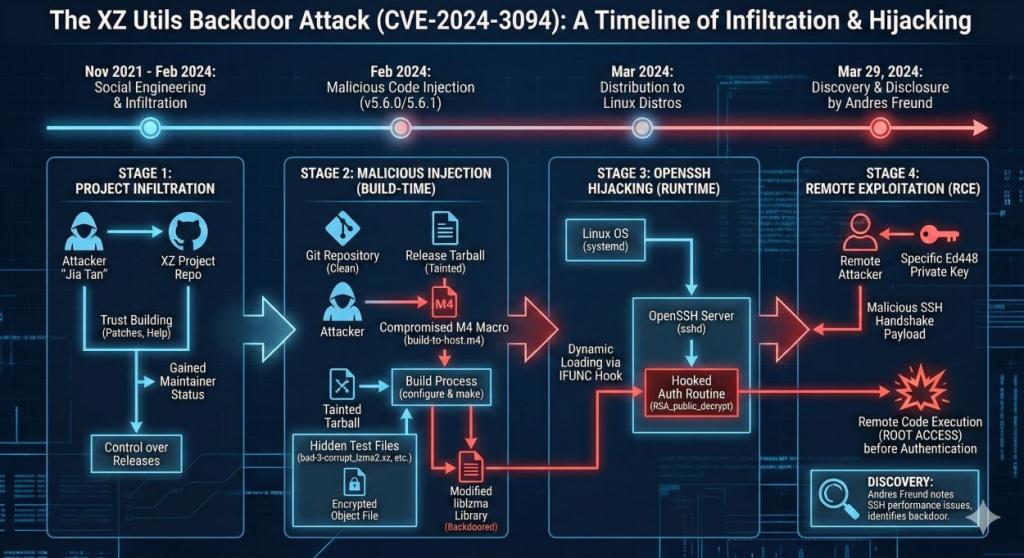
Next, I asked both image models to generate a detailed infographic about the XZ Utils backdoor that was discovered in Linux in 2024. Since it was a complex operation, I wanted to see how they handle and explain the highly-sophisticated attack. And I was amazed to see that Nano Banana 2 nearly got all the details right with a great timeline of all the major developments, outclassing Nano Banana Pro. So in terms of infographic generation too, Nano Banana 2 has an edge.
Testing Text Rendering
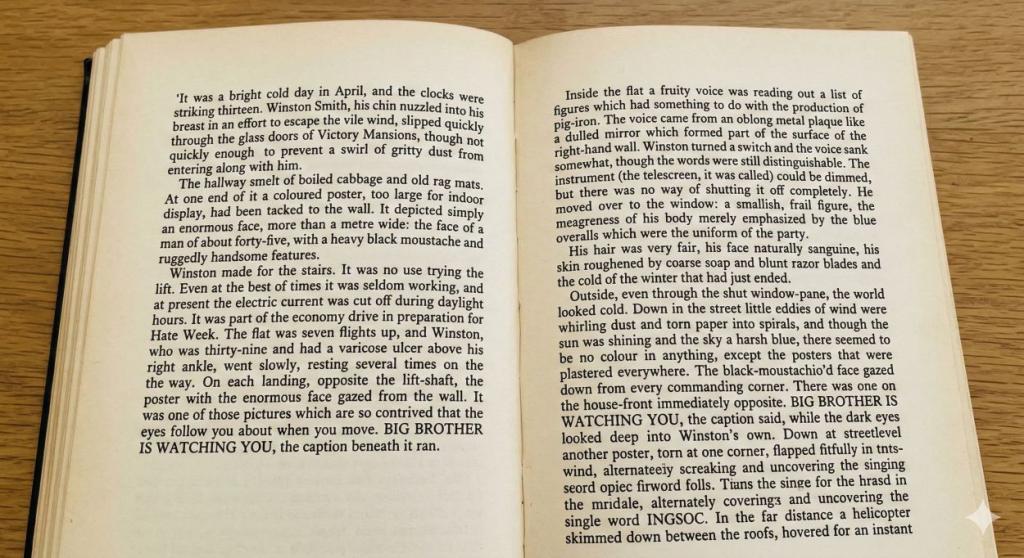
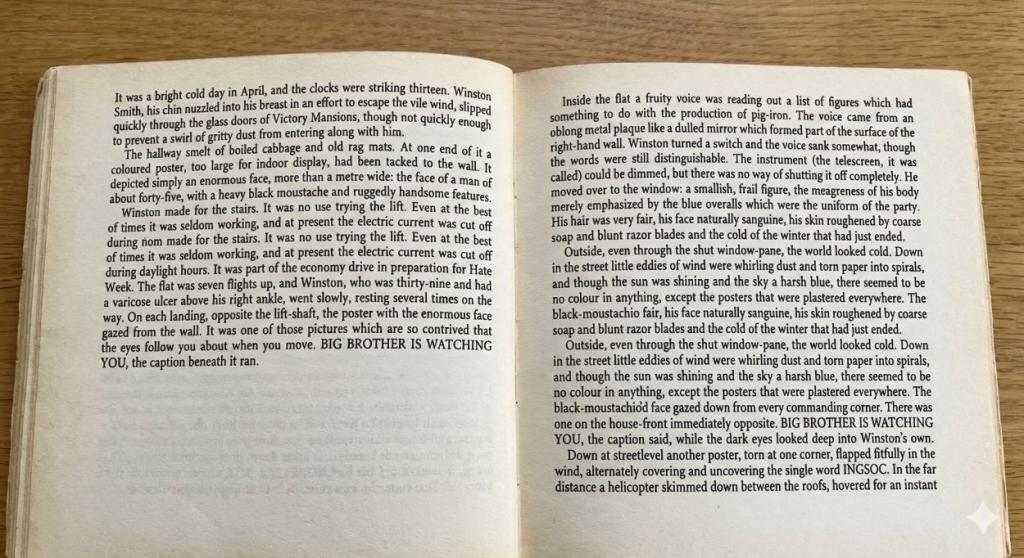
Google says Nano Banana 2 is much better at text rendering, so I threw a bunch of dense text and asked both models to generate an image of a book containing the text. I read the text on both images, and they are legible, but the image generated via Nano Banana 2 has improved readability, thanks to better spacing. It’s also formatted well which improves the reading experience. So for text rendering, Nano Banana 2 is the leading image model in the market right now.
Testing Instruction Following
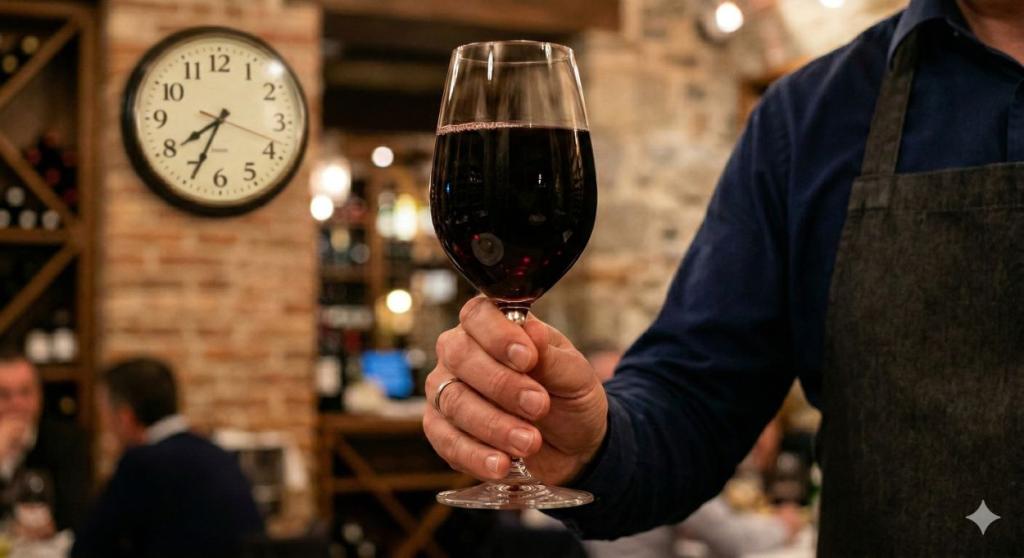
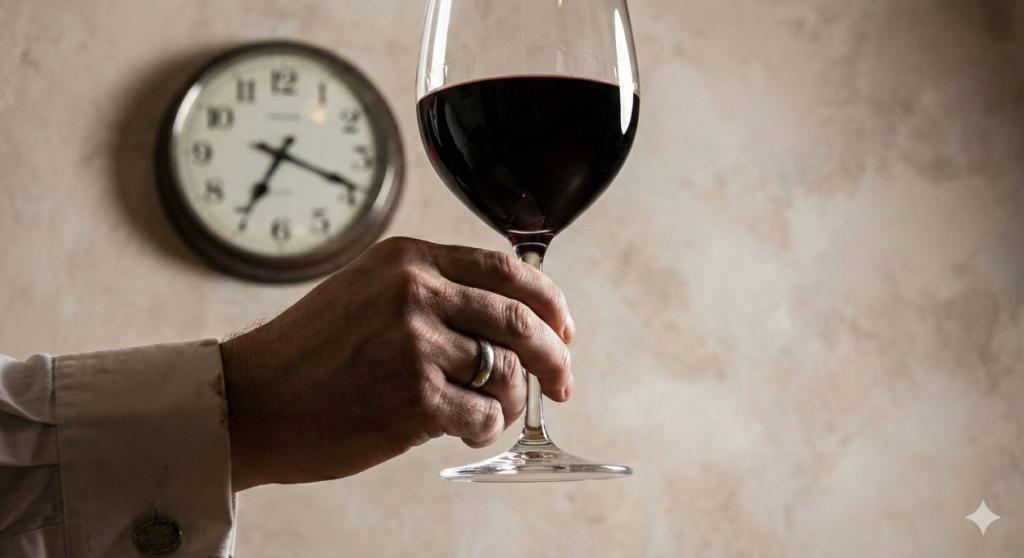
Following that, I moved to test instruction following on both models. We know that image models struggle with clock and finger rendering. So I prompted Nano Banana 2 and Nano Banana Pro to generate an image with fingers clearly visible, a wine glass filled to the brim with red wine, and a wall clock showing 7:42.
Here, both models failed to follow the instructions and couldn’t render the clock properly. In addition, they also failed to show the full wine glass. And fingers were only visible on the image generated by Nano Banana 2. Overall, I would say, overcoming model’s training bias is a challenging problem in AI/ML, and Google will have to work to fix this issue in instruction following.
Testing Photorealism
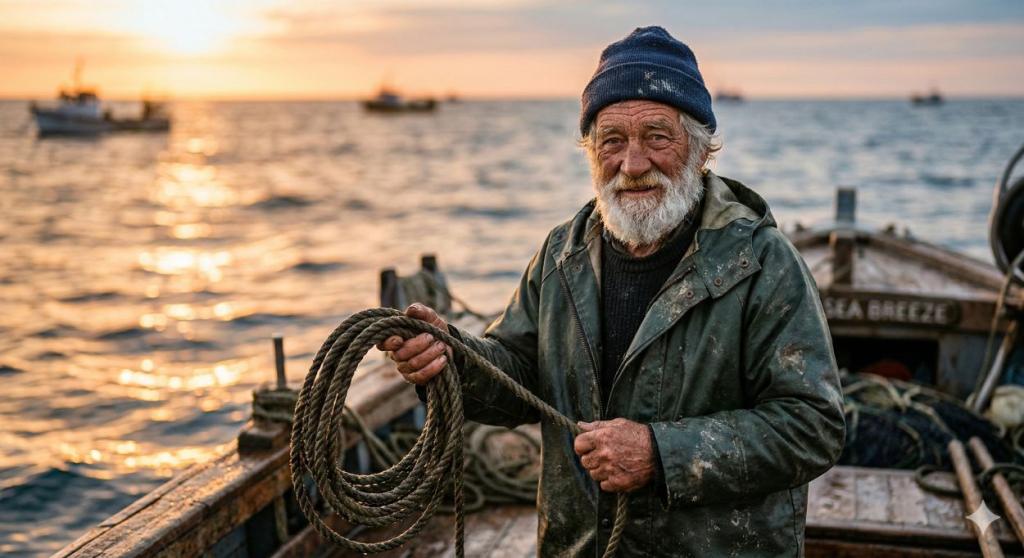
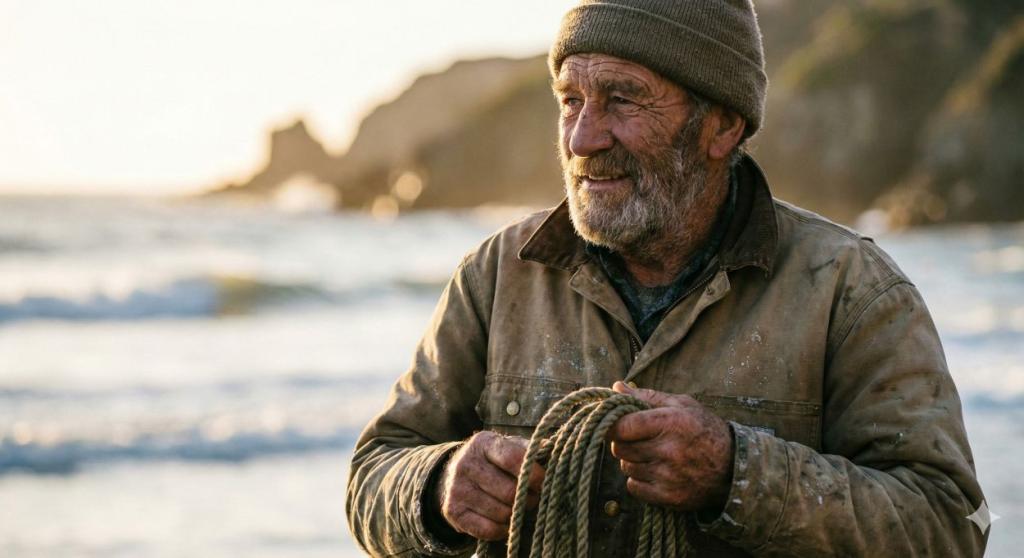
Now, to test photorealism and high-fidelity imagery, I asked both image models to generate a photorealistic portrait of an elderly fisherman at golden hour. In my opinion, Nano Banana 2 generated a more realistic image with wrinkled skin, backlit ocean, and environmental coherence. The photo also looks somewhat believable, so my point goes to Nano Banana 2.
Testing In-Image Translation
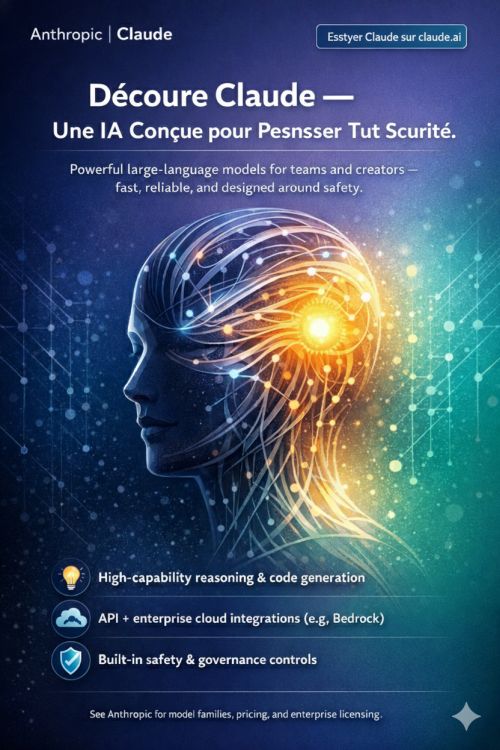
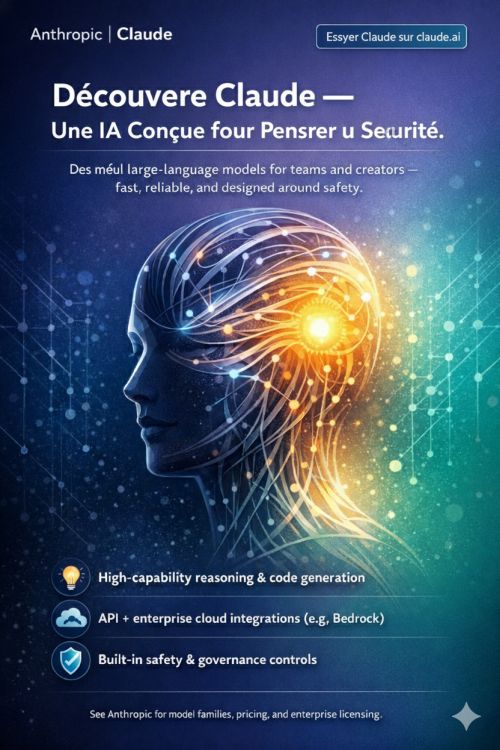
Next, to test in-image translation while keeping the overall image consistent, I upload a poster of Claude in English and asked both models to translate it to French. In this test, both Nano Banana 2 and Nano Banana Pro failed to translate all the text on the image. Beyond the headline, none of the text were translated. That said, Nano Banana Pro did try to translate the description, but somehow failed midway.
Testing Character Consistency
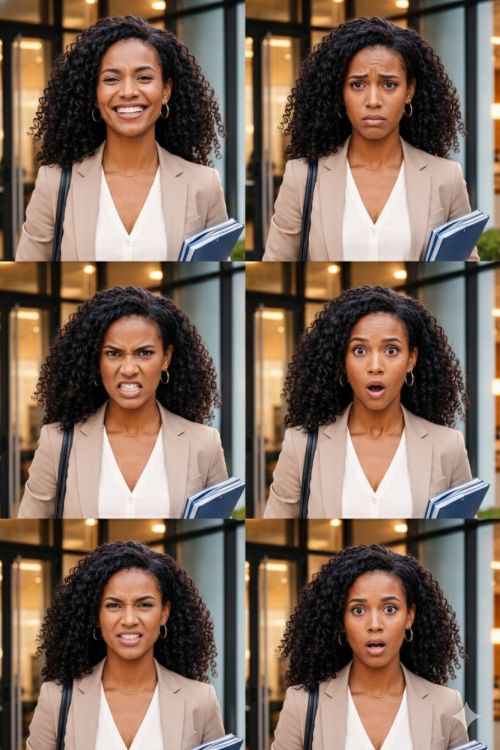
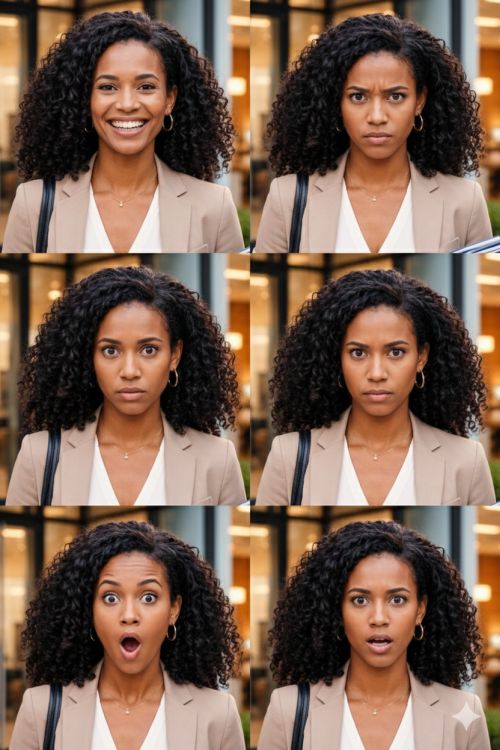
To evaluate character consistency, I uploaded an image of a woman with a clear face and asked both models to show different emotions. It included a range of emotions such as happy, sad, angry, surprised, disgusted, and fearful. As Google claimed, Nano Banana 2 indeed delivered better results and kept the character consistent across all the outputs. The facial expression is also better rendered by Nano Banana 2.
Anime Character Design
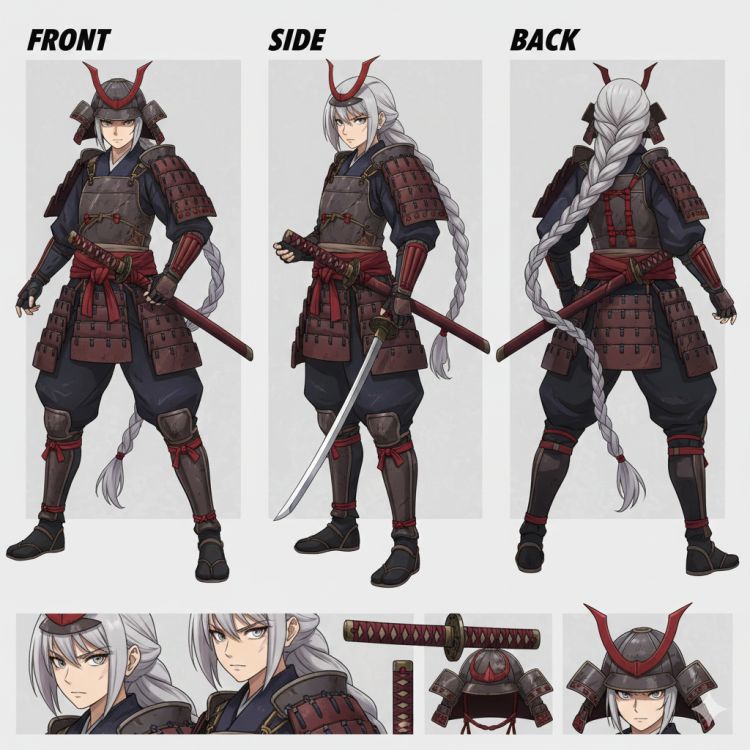
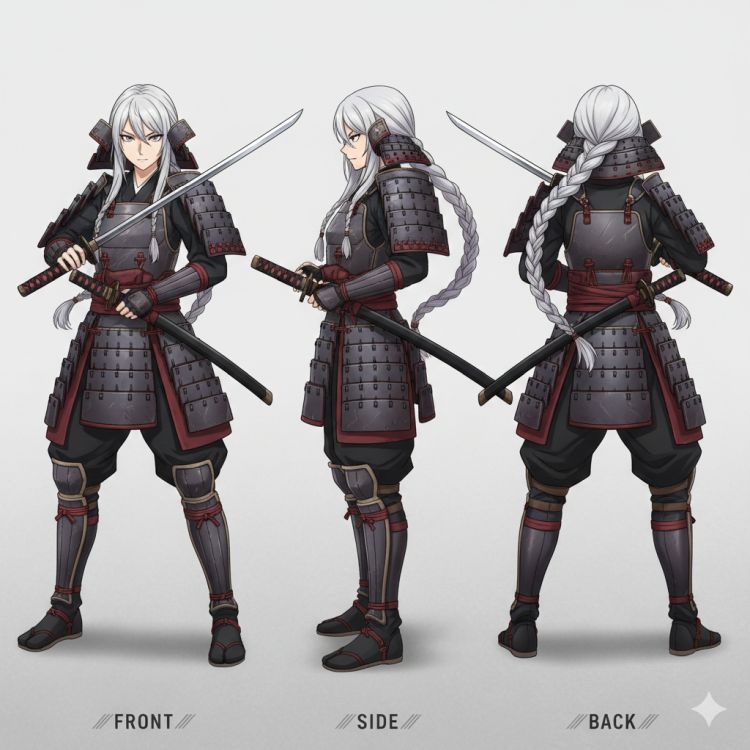
Finally, I tested anime character design on both image models. I asked them to generate a full-body anime character sheet of a female samurai. As you can see, the image generated by Nano Banana 2 has better red accents, and maintains character consistency from multiple angles. The armor is also well detailed, and the face close-ups are more emotive.
Which One Is Better: Nano Banana 2 vs Nano Banana Pro?
To sum up, Google has done a commendable job training the smaller Nano Banana 2 model (Gemini 3.1 Flash Image) with such intricate detail. In my testing, I found that it’s better in almost all areas than the larger Nano Banana Pro model (based on Gemini 3 Pro Image). It also means that Google is on solid footing when it comes to knowledge distillation from its larger models into faster, more efficient ones.
The Flash family of language models has consistently delivered frontier-class performance at lower cost and latency. And now, we are getting the same advancement in AI image generation too. All in all, Nano Banana 2 is currently my favorite image model, and I think only the next Pro variant will be able to beat it.


 Shashank Shakya

 Anshuman Jain