- In order to play Highguard, you'll need to enable Secure Boot.
- You can enable Secure Boot and TPM 2.0 in the system BIOS.
- It is essential since Easy Anti-Cheat needs to safeguard the new game against cheaters.
Highguard, the latest free-to-play PvP raid shooter, is almost here, and before you install the game on your PC, if it meets the minimum requirements, it’s essential for you to enable Secure Boot on your device. While most PCs and laptops these days are usually shipped with Secure Boot set to “On” by default, you may get an error if it’s set to “Off” when launching Highguard.
The reason behind this is that Highguard uses Easy Anti-Cheat, which is a kernel-level security measure, and it works alongside Secure Boot, which detects any programs on your PC that can be used for cheating. If you’re wondering how Highguard Secure Boot can be enabled alongside TPM 2.0, we’ve got you covered right here.
How to Enable Secure Boot to Play Highguard
Secure Boot can be turned on by heading to the System BIOS settings, as it’s hidden quite deep inside the system’s admin mainframe. But before you proceed straight to the BIOS to enable Secure Boot, you need to check if your Secure Boot state is turned on to play Highguard or not.
Follow these steps to check your Secure Boot state on your PC:
- Press the Windows Button + R Key to open the Run command.
- Now, type ‘msinfo32‘ in the search bar and hit enter.
- In the following menu, look for the ‘Secure Boot State‘ item under ‘System Summary.’
- If it states ‘On,’ you’re good to go.

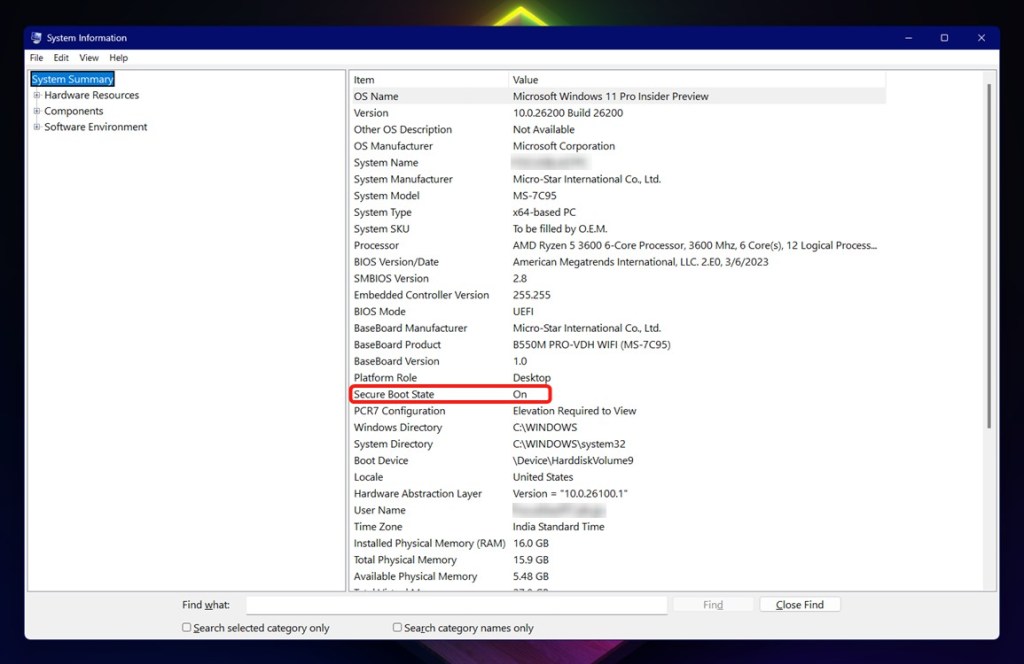
In case the state displays ‘Off,’ your system won’t be able to play Highguard. To fix this issue, you’ll have to do some tinkering in your system’s BIOS settings, which can even include changing the BIOS Mode. This can be quite tricky, but we’ve got you covered with a dedicated guide on how to enable Secure Boot using your system’s BIOS mode.
How to Enable TPM 2.0 to Play Highguard
TPM 2.0 is a required component for installing Windows 11, hence its absence is typically a Windows 10 issue. To change your BIOS Mode to UEFI, you must first enable the feature; the actions outlined above are closely related. To check if TPM 2.0 is enabled, follow these steps:
- Hit the Windows Button + R key for the Run command.
- Type ‘tpm.msc‘ and press Enter. Doing so will open the TPM Management menu.
- Check under the ‘Status’ section of the menu. If it reads, ‘The TPM is ready to use,’ you’re good to go.

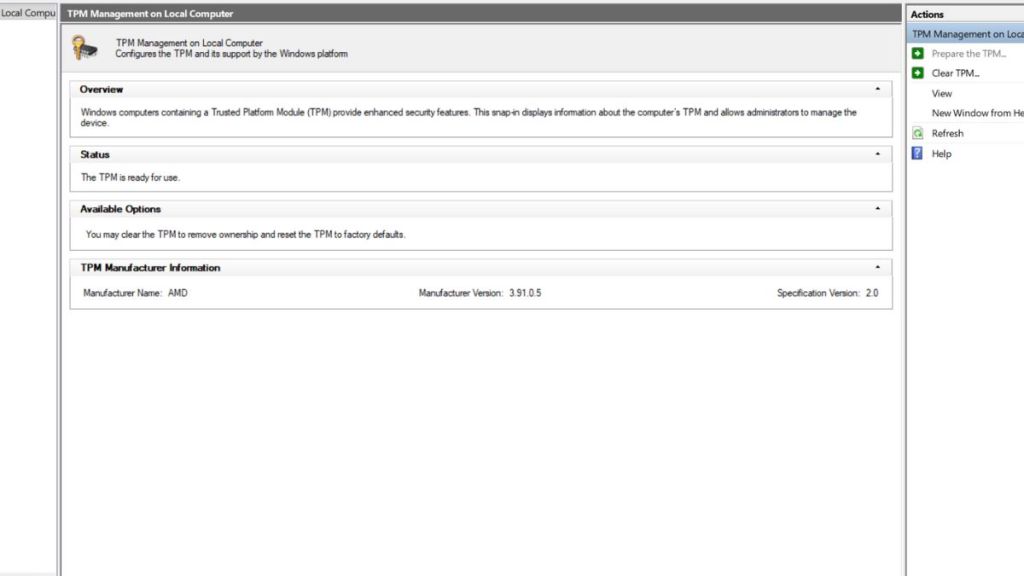
If you encounter the dreaded ‘not ready for use’ notification, you’re in for some serious fiddling. It all begins with examining the Partition Style of your Windows Boot Drive. Follow these steps to accomplish it:
- Right-click the Start button and click Disk Management.
- Right-click the (C:) Drive partition and select Properties.
- In the following menu, navigate to the ‘Hardware‘ tab and click on Properties once again.
- Now, select the Volumes tab.
- Check if the Partition Style is MBR or GPT.
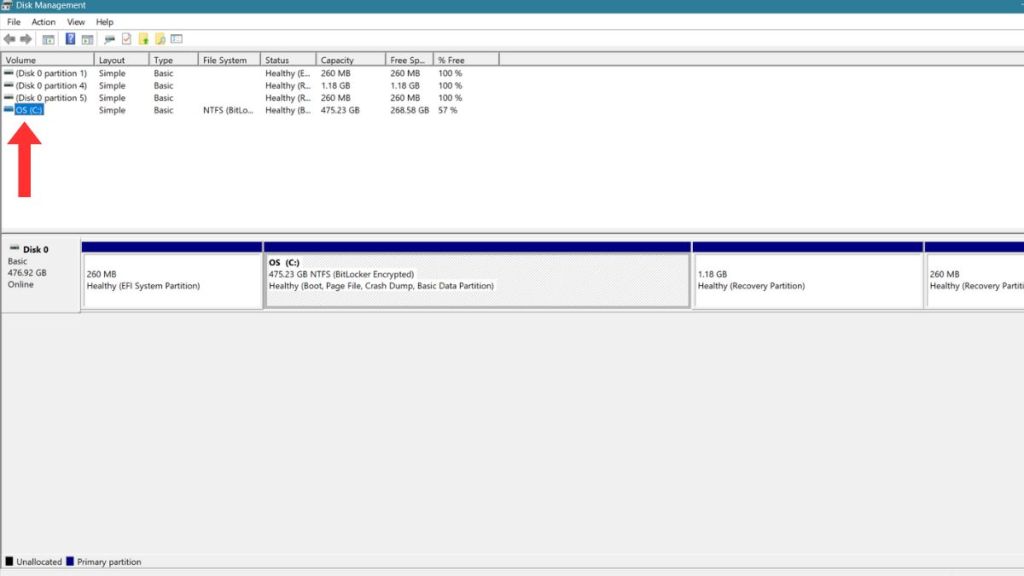
The type you’re searching for is GPT, and you may activate Secure Boot by following the instructions outlined in our dedicated guide. If not, you will have to manually convert your Partition Style. This is another complex step; we strongly advise you to follow Microsoft’s official advice and back up your data beforehand.
The specific methods to enable TPM 2.0 vary depending on the manufacturer of your motherboard. You’ll need to check for instructions on their website because the function can only be enabled in the BIOS. After that, you may enable Secure Boot in the BIOS by following the instructions outlined above.
Why is Secure Boot and TPM 2.0 Needed?
Secure Boot is a system-level feature that protects against cheating apps or those used by hardware by only allowing trusted software to load during startup. When paired with Trusted Platform Module (TPM 2.0), which offers hardware-based security features on Windows PCs, you gain an additional layer of protection.
Both security elements were made necessary in Highguard, and they will eventually be required to play the game. Most Windows 11 PCs should already have these functions activated, however Windows 10 systems may require an upgrade.
Can I Play Highguard Without Secure Boot?
No, you cannot play Highguard without enabling Secure Boot, as it is an essential requirement.
The function is linked to the game’s anti-cheat system, making it absolutely necessary to play online shooters like this one. Games like Battlefield 6 and Call of Duty also require Secure Boot to be enabled, as their anti-cheat systems require PC users to do so.
Now that you know how Secure Boot works and how to enable it to play Highguard, will you be playing it on day one? Let us know in the comments below!