Beebom Score
When talking about zombie movies, 28 Days Later naturally pops up as one of the most unique and loved zombie movies of all time. The franchise has given us several movies, and most recently, it was revived with 28 Years Later. However, the problem with making a new zombie movie today is that there’s a lot of saturation in the market, and at some point, every other movie starts to look and feel the same.
After watching 28 Years Later: The Bone Temple, I believe that the creators were fully aware of this and created something that might make you sick to the stomach, but will also have you in awe at the sheer, sinister beauty of it. So, in this 28 Years Later: The Bone Temple review, let me tell you why The Bone Temple works and builds upon the zombie movie genre with an ending that leaves you wanting more gore and blood.
28 Years Later: The Bone Temple Makes Multiple Protagonists Work Beautifully

Before 28 Years Later: The Bone Temple was released, the general speculation was that this movie was likely going to revolve around Spike. However, as it turns out, the film not only features him as one of the protagonists but also operates with multiple protagonists.
One of them is, of course, Spike (Alfie Williams), and then there is Dr. Ian Kelson. There is also a rather unexpected protagonist, Samson, the same Alpha who terrorised everyone in the first movie.
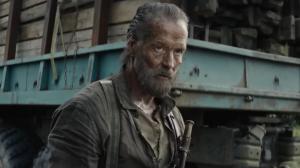
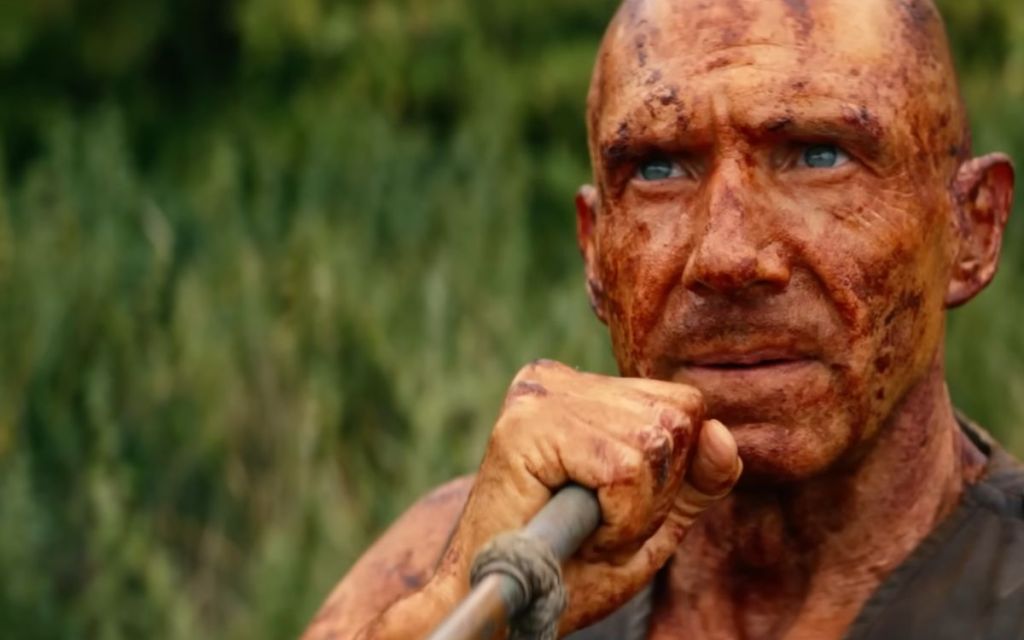
The movie itself picks up exactly from where the first one ended, and to survive, Spike was made to fight one of the Jimmys, whom he killed by accidentally stabbing an artery. From that point on, we see Spike tagging along with the Jimmys and trying to stay alive until he notices Dr. Kelson (Ralph Fiennes). Talking about Kelson, he’s the main protagonist, and we get to see his character in much greater depth. On one hand, Spike has tagged along with the Jimmys to survive.
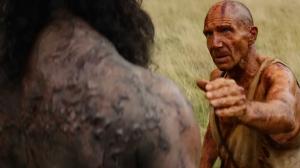
Moreover, The Bone Temple shows us what he has really been trying to do all this time. Dr. Kelson has been using Samson (Chi Lewis-Parry), the Alpha, as a test subject to find a cure for the zombie virus all this time. Now, we come to our secondary protagonist, who, for a while, seems to be the lead, Samson himself.
We see that Doctor Kelson’s experiments gradually begin working on Samson, and his humanity is coming back to him. Now, one might think that keeping three different characters central to a story can backfire and cause a storytelling imbalance, but in the case of 28 Years Later: The Bone Temple, it does the opposite; it binds the story tighter and keeps it intriguing to the very end, which is truly commendable.
Spoiler Warning: The next section includes some plot point spoilers. You’ve been warned.
Movie Plot May Seem Absurd Initially, but Has a Franchise-Defining Conclusion
When it comes to the plot, even 28 Days Later took a minute to settle in, and this sequel follows in its footsteps. It’s an undeniable pattern this franchise follows, where it initially makes you wonder, “What’s even going on,” and then all of a sudden, you’ll be like, “Oh,” as you figure out what it leads to.
28 Years Later: The Bone Temple is no different in that aspect. As the movie begins, and the events start to unfold, they feel disconnected as if we are seeing two different stories going in their two separate directions. But when they merge, it just clicks perfectly.
Moreover, there’s a reason why this franchise operates on the plot and characters the way it does, which is to demonstrate the disconnected and yet connected, dystopian nature of the world it builds. Think about it, the entire arc of Jimmy Crystal (Jack O’Connell), his brutalities, and how his story ends, is a representation of no matter how much evil rises in the world, or how worse it gets, well, there is always someone, or something, who would fight back, like in this case, Dr. Ian Kelson gave his life to protect Spike and the countless others Crystal would have murdered if he just let him go.
Now, while this is more of a thematic approach, by the end of the movie, we get a reveal that makes it certain that the third movie will pack theaters. It is revealed that Cillian Murphy’s Jim is alive and has a daughter.
Jim is teaching her daughter everything about the world before the Rage Virus took over the United Kingdom. In the ending, we see Spike and Kelly (Erin Kellyman) running from the infected while Jim and his daughter decide to help them. This was truly unexpected, and it’s impressive how they managed to keep this appearance a secret.
28 Years Later: The Bone Temple Contradicts Some of Its Own Lore
From a thematic and storytelling point of view, the movie works beautifully. But when you come to the practicality of this world, some things don’t add up, and it feels that the movie contradicts its own lore.
For instance, it has always been made clear in the franchise that the infected react strongly to sound and are drawn to it. However, we see Dr. Ian Kelson shouting out to call Samson and not getting attacked by the infected.
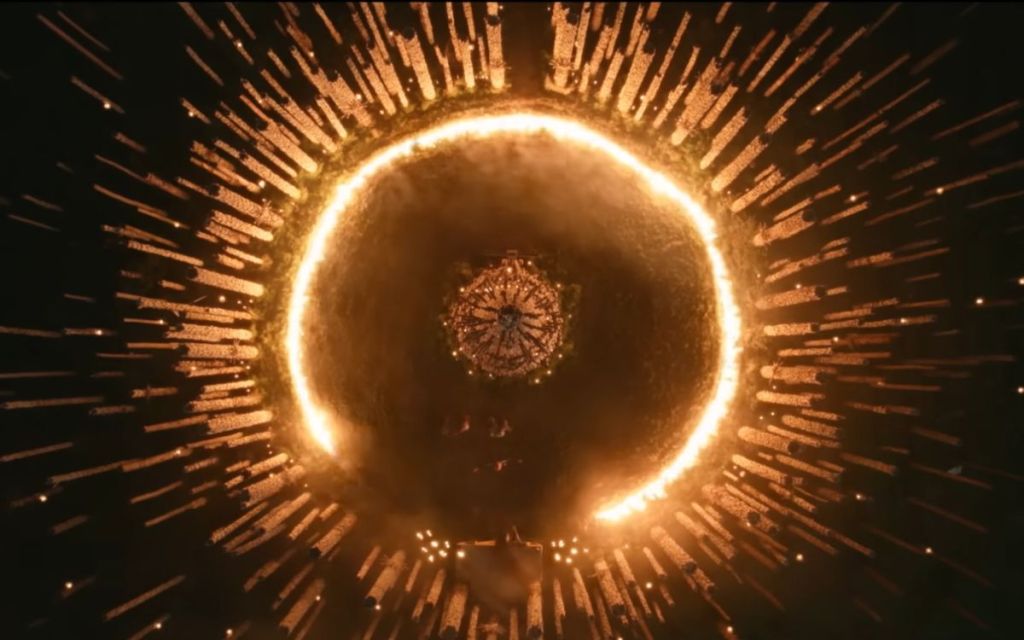
Now, a valid argument for that would be that the forests around him are clear of the infected, and sure, I can get by it, but how will one justify the literal concert Dr. Kelson created while blasting Iron Maiden’s The Number of the Beast on speakers and not attracting a single infected to his shrine? This lack of attention to detail was off-putting, considering how much attention has been put into other aspects of the movie.
28 Years Later: The Bone Temple Got Lazy with the Music
While the movie works, in its own way, in almost every other aspect, it has slacked off on one of the strongest elements seen in the previous movie. While 28 Years Later was not everyone’s cup of tea, everyone who watched the movie would appreciate the insane work the movie did on its background score, with Rudyard Kipling’s “Boots.”
However, this time around, the musical score didn’t hit as hard as it did for the first movie. Sure, Radiohead’s Everything in The Right Place, also heard in Daredevil Born Again, worked well in creating a sense of dread. However, if we compare it with the effect the previous movie’s BGM created, it feels rather bland.
However, do not let a few minor downsides hold you back from watching this movie because it truly brings something that no other horror movie has done for a while now. 28 Years Later: The Bone Temple transcends from being a movie to inflict horror to something that makes you think, something that is beautiful in its own way, and it’s an experience you should not miss out on.