Beebom Score
If you’ve stumbled across this headphone review thinking it’s gonna be some sort of technical jargon where I’m going to be one of the “sound guys” breaking down the driver and tearing it down to its last-minute technical aspect, then you’re in the wrong place. Because let’s set the precedent of this review quite straight – it’s a gaming headphone, and that too a premium one. So if you’re a gamer looking for your next purchase to buy a decent set of headphones and was suggested a Sony INZONE H9 II by a friend or an enemy who just wiped your team in Valorant, I’ll break down how good or “not so good” this product is.
I’ve spent the last three months fiddling with this second-generation Sony INZONE headphone that is co-developed with Fnatics, so it’s safe to say it’s backed by solid testing by gamers and proper research on what each of them wants from an audio headset like this one.
And I’m quite surprised, while writing this, that the INZONE H9 II has slowly become my go-to headphone – however, only for gaming. Because it sure does come with its own set of irks that quite don’t scratch that itch you demand from a Sony headphone, which can justify its $350 price.
Build Quality and Drivers: The Headset That Disappears While You Game

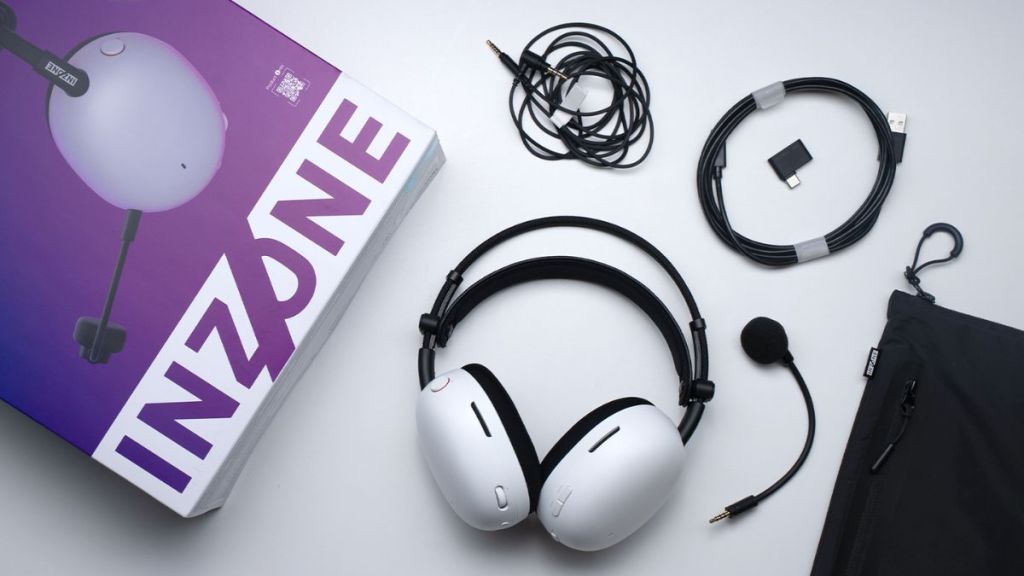
Sony INZONE H9 II is a gamer’s headphone. That’s as simply as I can put it when it comes to my review of the audio wearable. The wireless headphone comes with three connectivity modes: wired via a 3.5 mm jack, a Type-C 2.4 GHz dongle, and a Bluetooth connection. The build is made of plastic, which can be called “premium,” with quite soft earpads lined on the outside with synthetic fabric; however, the inner linings of the earcups are bordered with faux leather.
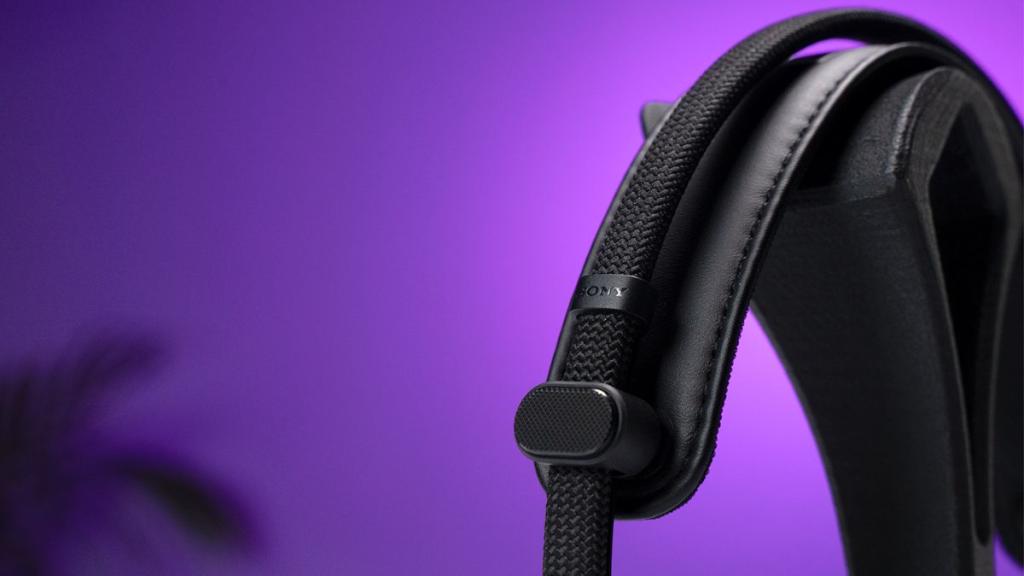
The headband, too, is soft foam lined with net fabric and faux leather with a supporting headband above it made of plastic. The adjustable headbands feature a button on both sides, which, once held down, can make the sliding easier across the headband to adjust the length of the headphones.
This is something I quite didn’t like since the headphones slipped off my ear quite too often as I made adjustments to them while being worn. I had to take off the headset to adjust the band height and then wear them back on. I’d have appreciated a snappier system like other gaming headphones that has guide lines. The headset also features a volume rocker so you can easily increase or decrease volume while you use it, so that’s something worth paying the extra bucks for.
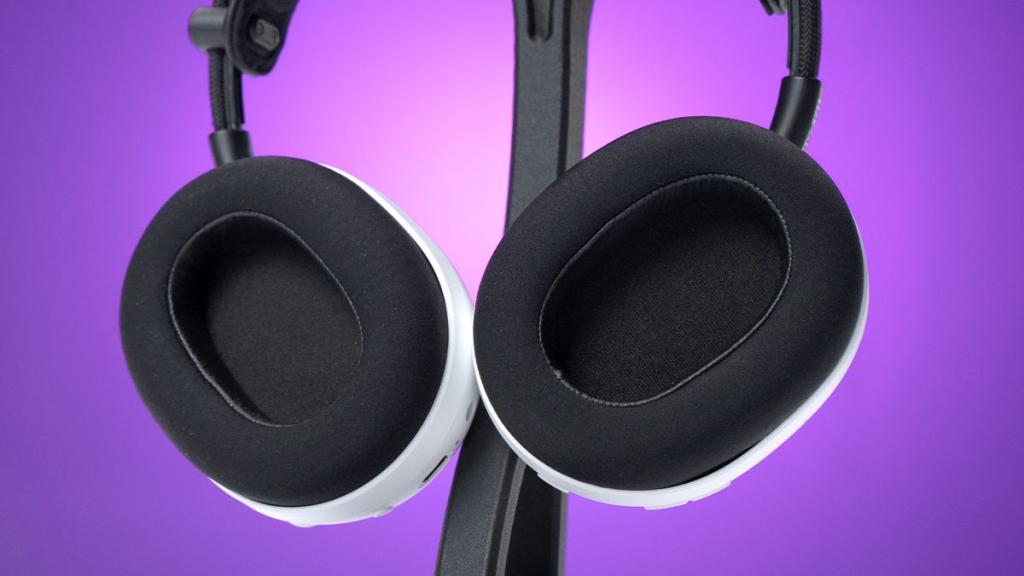
Sony packed in the same 30mm carbon composite drivers found in the WH-1000XM6, but the tuning here is completely different. The default sound profile de-emphasizes rumbling bass and holds back the lows, which sounds counterintuitive until you realize what it actually does: it carves out space for the sounds that win gunfights by elevating the highs. But, more on that later.
At 260 grams without the detachable microphone, this thing is absurdly light. For reference, that’s lighter than most smartphones. Sony’s engineers clearly made weight reduction a priority, and it shows. The first time I put them on, I actually did a double-take. They felt almost hollow, like something was missing. My brain kept expecting more heft, more pressure, more of that familiar clamping force that says “hey, you’ve got a gaming headset on your head.” It never came.
And that turned out to be a good thing. During a particularly sweaty evening of Fortnite where I was grinding ranked for about five hours straight, I legitimately forgot I was wearing them. That’s not hyperbole. I stood up to grab a drink, walked to the kitchen, and only realized I still had them on when I heard the game audio following me across the house.
That’s never happened to me with any other gaming headset, including some very expensive ones. The INZONE H9 II trades premium materials for featherweight comfort, and honestly, for a gamer who’s wearing these for hours at a time, that’s a trade worth making.
How I Was Able to Echolocate Enemies In-Game
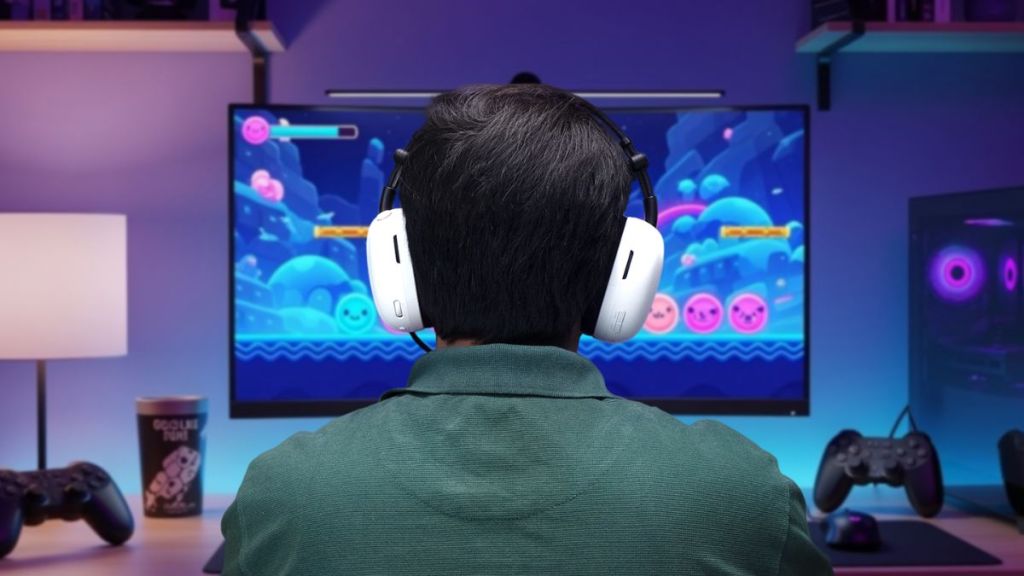
Alright, time for the part you’re really here for. As I mentioned earlier, the headset features the same 30mm drivers found in Sony’s magnum opus, WH-1000XM6. So naturally, I expected the sound while gaming to be quite identical. And that’s where it surprised me.
You see, Sony really went out of its way and co-developed the headset’s tuning with Fnatic, and the default sound profile is specifically geared towards audio for FPS titles like Valorant, CS2 and so on. When I tuned it for a Battle Royale like Fortnite, it was a highly impressive showcase. Build fights were pure chaos, shotgun blasts were clearly heard, footsteps on multiple elevation levels were crisp, and the storm eye closing in was absolutely clear. The H9 II’s soundstage is so wide that I could pick apart individual audio layers and echolocate where my enemies were.
Now Marvel Rivals, on the other hand, was the real stress test, and I mean that lovingly. This game is an absolute sensory overload. You’ve got Magneto throwing giant metal balls while levitating, Spider-Man swinging overhead and webbing up enemies, Deadpool shooting and slicing enemies with his Katana and Doctor Strange doing whatever multiverse nonsense he does while opening portals.
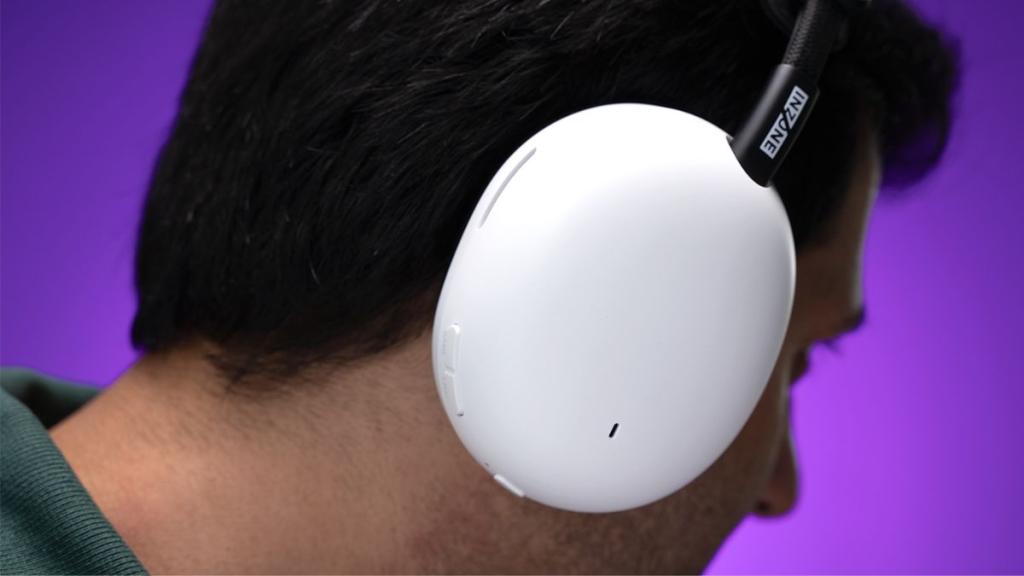
The H9 II kept things surprisingly quite audible for me. I could still pick out who’s using what ability, who just ulted, track enemy movement around corners, and where my healers are actually healing from. The spatial audio really flexed here too, knowing whether Venom was behind or above me often meant the difference between landing a clutch play or getting bodied.
That said, the default tuning isn’t perfect for every scenario. The FPS presets in Sony’s INZONE Hub software come in three flavors, and while FPS-2 became my go-to for competitive play, I found I needed to tweak the EQ for more cinematic, story-driven moments or when I was just vibing to a game’s soundtrack.
Out of the box, music and non-competitive audio can sound a touch muffled. The highs are slightly rolled off, and the sub-bass is dialed back. The good news is that Sony’s 10-band EQ is flexible enough to fix this, and once you dial in a warmer profile for casual play, the drivers reveal their true potential. They’re not audiophile-grade by any stretch, but they punch well above what you’d expect from a gaming headset.
Verdict: Sony INZONE H9 II Is Basically a Rich Gamer Flex
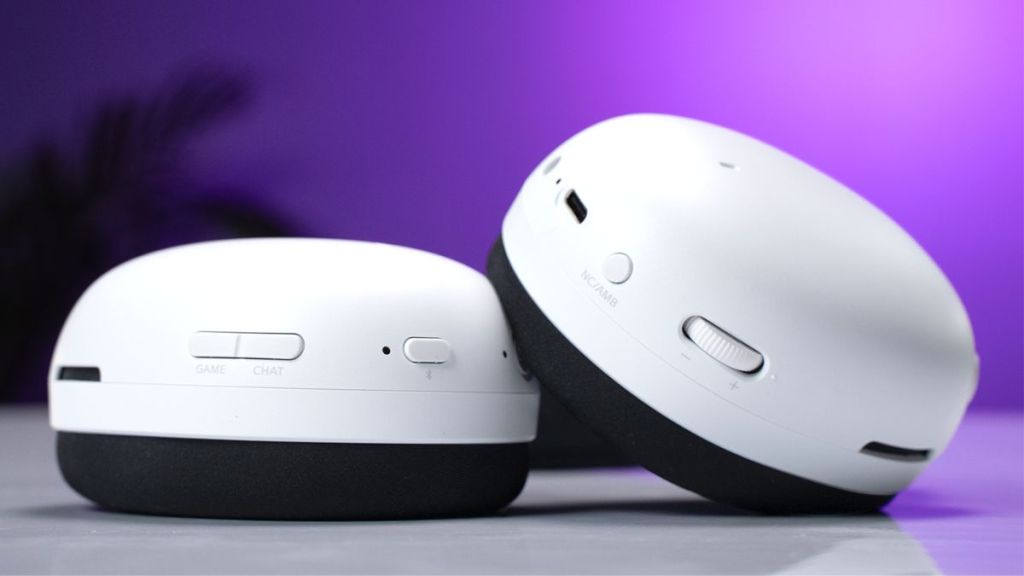
The Sony INZONE H9 II features a detachable cardioid boom mic, which is arguably one of the best microphones I’ve used on a gaming headset. I’m a sucker for detachable mics. It allows me from going full on sweat mode to a chill guy zone, listening to Mac Miller on my couch.
So when I experienced H9 II’s detachable mics during my sweaty Fortnite sessions, my squad immediately noticed the upgrade. They said I sounded clearer and that my keyboard (which isn’t so quiet, trust me) was almost completely filtered out. Thanks to the mute button that lights up a red indicator on the mic, I could also easily identify when I was muted or when my mic was hot. I even tested it for all my work meetings, and it held its own surprisingly well against my dedicated RIG Streamstar desk mic. It’s the kind of versatility that starts to justify its “premium” price tag.
Then there’s the ANC, and this is what Sony has always boasted about. The brand took what it learned from the XM6, which is basically the gold standard in headsets, and brought the same ANC quality to gaming. The result was the best noise cancellation I’ve ever had on a gaming headset. And the button to easily shuffle between three ANC modes was just the cherry on top.
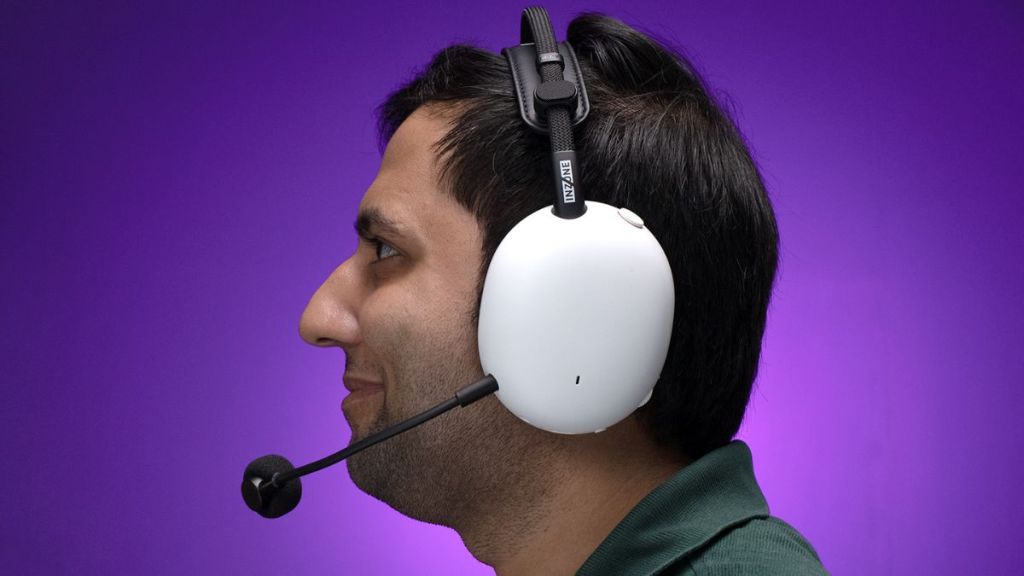
My roaring PC fans, the noise of kids playing outside my window, even my dogs barking, the headset isolated all of them. I even went ahead and tested in an auto rickshaw ride playing Chop Suey! by System of a Down, and trust me, the experience was incredible. No loud traffic noises, all muffled by the ANC, and still I could hear the highs and the lows clearly.
Now comes the battery life, and this is where the H9 II takes the L. Sony says it can last 30 hours with ANC off, and during my testing, it landed somewhere close to 30 but not exactly 30. For everyday use, 30 hours is absolutely fine. But when you stack it up against the competition, the real story unfolds. Razer’s BlackShark V3 Pro claims a battery life of around 70 hours. The HyperX Cloud Alpha set the industry standard at an absurd 300 hours on a single charge. So naturally, you’d expect Sony to be at least competitive when it comes to battery life, and it just quite ain’t there.
Sure, the fast charging feature helps you juice up your headset for an hour of playtime with just 5 minutes of charging, but it’s still a bummer. You can also use the headset wired via the 3.5 mm jack, but that defeats the purpose of buying a premium wireless headset.
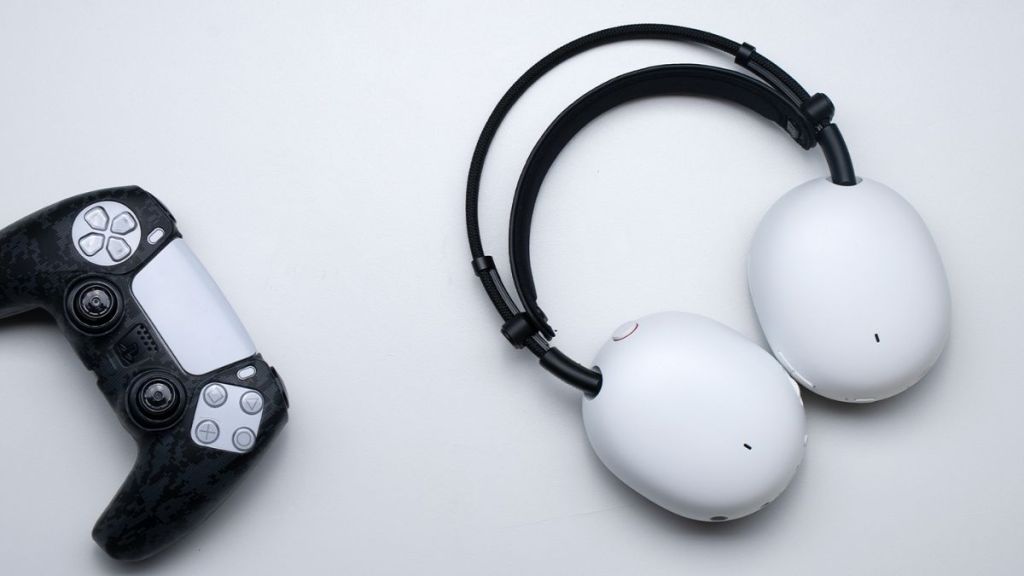
So that brings us to the $350 question – is it really worth its price? The honest answer is depends on what you value. If comfort is your number one priority during long gaming sessions, with a little bit of ANC and mic clarity thrown in, then absolutely this is the best headset you can get. But if you’re a sucker for battery life, then this is a dealbreaker.
You can easily get headsets in the $150 – $250 range that can get you about 80% of the way there. But Sony’s INZONE H9 II is basically for a gamer who wants to do it all on one device – gaming, commuting, music, and work. And I can say that after three months of daily use, it has earned a permanent spot on my desk. Sure, it has its own imperfections, but sometimes the best compliment you can give a gaming headset is how it disappears when you put it on, and all that’s left is you and the game “in zone”.