Call of Duty fatigue officially hit peak levels in 2025 as Activision’s monolithic IP finally saw its stock hit rock bottom. Player count figures have cratered to shocking lows, Black Ops 7 unit sales are well-below expectations, and the franchise appears to have dissipated from the conversation surrounding live-service games.
That last bit is especially damning for CoD’s present and future. Despite how half-baked some of its recent releases have been, they still retained a degree of cultural relevance. Nowadays, however, players are mostly concerned with Fortnite’s multiversal events, or Marvel Rivals’ ever-expanding roster of Heroes. Even longtime Call of Duty fans seem more interested in complaining about Battlefield 6 than engaging with Black Ops 7.
In a desperate attempt to claw back goodwill, Activision resorted to hosting a week-long free trial for Treyarch’s latest release (just a month after launch). But even giving the game away failed to move the needle in any meaningful direction. The franchise is clearly facing an existential crisis, and the publisher only has itself to blame for it.
As much vitriol as I can fling in Activision’s direction, I don’t want to see Call of Duty fail. It’s a franchise dear to the hearts of millions, and some of my fondest gaming memories are associated with it. Given that, I’ve taken a stab at recounting the missteps that have eroded CoD’s reputation, the measures the devs have implemented to earn back some of it, and the crisis the franchise evidently faces.
How Call of Duty Exhausted Its Audience With Relentless Mediocrity
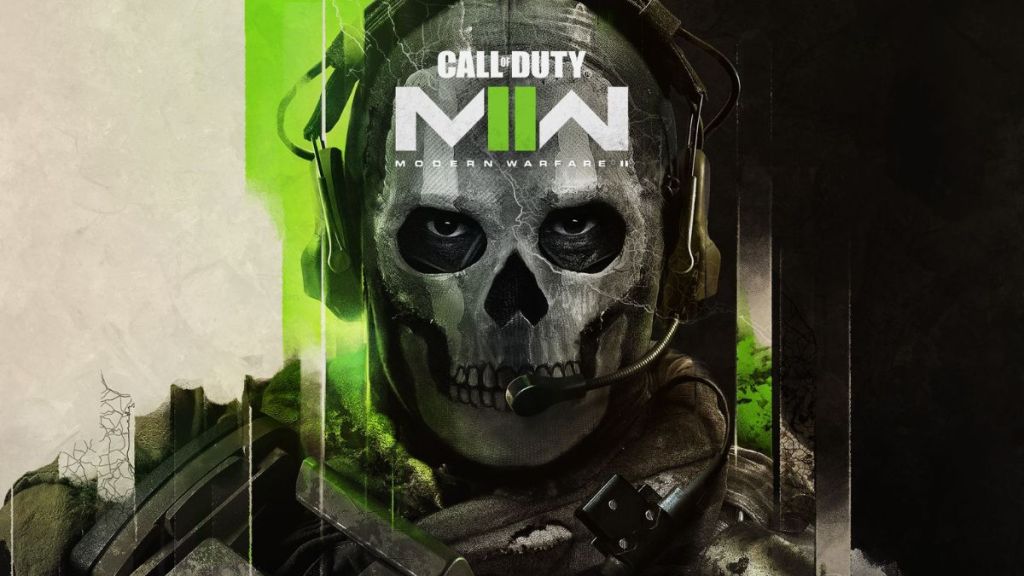
Call of Duty’s decline wasn’t a sudden turn of events by any means. The cracks were already visible as far back as 2022’s Modern Warfare II. While the game was a monumental commercial success, it struggled to truly win players over. The community levied plenty of well-earned complaints at its multiplayer, including a laughably light Season 1 content offering. Warzone 2.0 fared no better, and the free-to-play battle royale is still reeling from that misadventure.
Activision’s decision to follow it up with the hastily assembled Modern Warfare III only accelerated the problem. I’ll be the first to defend MW3’s multiplayer and moment-to-moment gameplay, but its campaign was inexcusable, and it amounted to a death sentence in the court of public opinion.
In contrast, the opening months of the Black Ops 6 cycle were genuinely promising. Its inventive single-player campaign resonated with casual players, the return of Classic Prestige pleased the hardcore audience, and a solid multiplayer suite was enough to keep the community engaged for weeks. But when Ranked Multiplayer finally arrived, BO6 was blindsided by a cheater epidemic like no other.
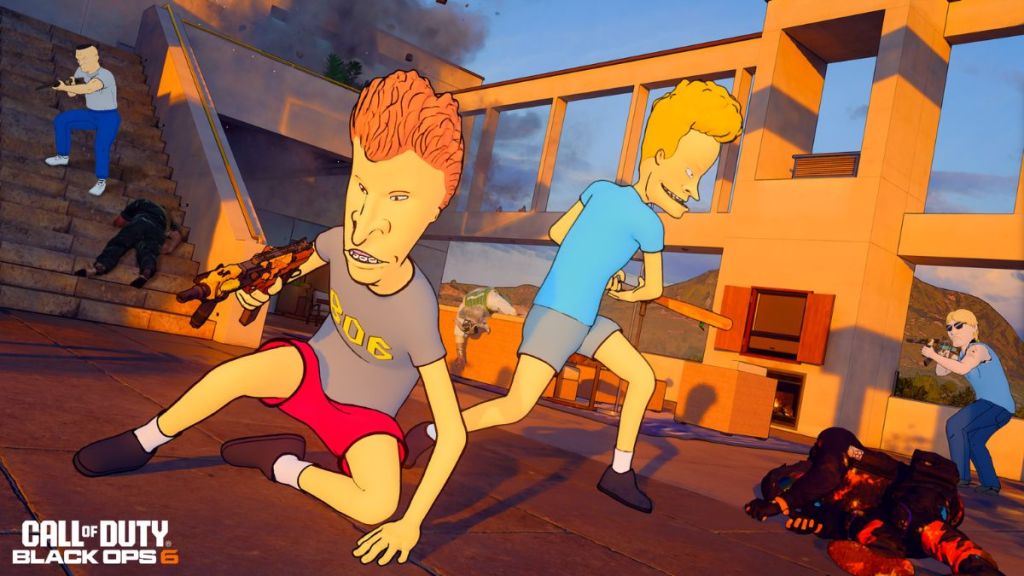
Things got so bad that fans and content creators were swearing off the game on social media, and it wasn’t until Season 4 that Activision finally addressed the issues. In the meantime, the devs committed a cardinal sin by leaning into pop-culture crossovers that clashed violently with the franchise’s mil-sim roots. Suddenly, BO6’s lobbies were filled with animated characters like Beavis and Butt-Head alongside movie tie-ins such as Ana de Armas’ Ballerina.
These collaborations had always been a questionable fit for Call of Duty, and this time they triggered widespread backlash. Some fans felt the execution paled in comparison to Fortnite, others believed it outright betrayed the series’ identity, and many were simply exhausted by what the franchise had become. What was once a grounded military shooter now felt directionless, pulled apart by competing priorities.
At that point, the smartest move would have been to step back, to give the franchise room to breathe and return with a vision capable of reversing that sentiment. Instead, Activision revealed another by-the-numbers Call of Duty set in the near future. History repeated itself as a disappointing release was once again followed by a weak campaign propped up by a competent multiplayer offering.
To be clear, Black Ops 7 isn’t a bad game. It hits the familiar Call of Duty multiplayer beats, but it fails to meaningfully innovate. The Endgame PvP mode is an interesting experiment, and the wall jump is enjoyable when it works, but neither feels substantial enough to define the future of the franchise. It’s difficult to imagine either idea surviving into the next installment.
Ultimately, Black Ops 7 is another rehash of an experience players have already had countless times before. And that is precisely why Call of Duty fatigue peaked in 2025. Not because the games suddenly became unplayable, but because they became predictable. After years of missteps, half-measures, and creative stagnation, Activision finally ran out of goodwill, and players ran out of patience.
The Cracks Are Too Big To Ignore, And Activision Knows It

The lack of interest in Black Ops 7 hit Activision precisely where it hurts: their pockets. Even before the game’s lacklustre launch, the publisher was pulling out all the stops to earn back some favor. Their face-saving campaign started with the decision to scrap Carry Forward, which meant that BO6’s cosmetics would not be present in BO7.
While this is technically an anti-consumer move, there was simply no way that Activision could please everyone in this department. Unfortunately, this did little to generate interest in October’s Open Beta, forcing the publisher to pull out the big guns. In a rare case of Activision listening to player feedback, they finally dropped SBMM (Skill-Based Matchmaking), giving fans the option to join classic lobbies instead.
The change was an instant hit, and the devs capitalized on this momentum by adding non-disbanding lobbies as well. These two changes ensured that the Open Beta was largely successful as a showcase of Black Ops 7’s competent multiplayer. At this point, both features should be considered non-negotiable. Any attempt to quietly roll them back in future releases would almost certainly fracture what remains of Activision’s relationship with its most dedicated players.
Another step in the right direction came amid the fallout from Black Ops 7’s launch. In an unusually reflective statement, Activision confirmed it would no longer deliver back-to-back releases within the Modern Warfare or Black Ops sub-franchises. It’s genuinely baffling that the fatigue caused by this release cadence wasn’t obvious sooner, but the admission at least signals an awareness of the problem. Better late than never.
And that’s largely where things stand. Nothing concrete has been revealed about Call of Duty 2026, though rumors point to Modern Warfare 4 under Infinity Ward. Regardless of which studio takes the reins, the next entry cannot afford to simply be another competent iteration. That approach has already failed.
The next Call of Duty needs to feel essential. It cannot get by like Vanguard or Modern Warfare 3 by being familiar, safe, and stuffed with so much content that it clogs a consumer’s critical eye. It needs systems and mechanics that feel foundational enough to carry forward, not disposable ideas that vanish after twelve months. If the next game doesn’t give players a reason to believe in the franchise’s future, it could finally be the straw that breaks the camel’s back, condemning the franchise to years of obscurity.