
Beebom Score
The Witcher 3 has been one of the best vampire-themed games of all time, so when some ex-developers who made that game said they were working on a new vampire game of their own, I couldn’t be more excited for it. The Blood of Dawnwalker perfectly captures that sense of exploration and world-building The Witcher 3 executed, and does much more than that.
However, it also comes with a fair share of problems that are sure to alienate many. After playing the Blood of Dawnwalker for 25+ hours and reaching multiple endings, here is our review of the game.
A Story That Feels Personal

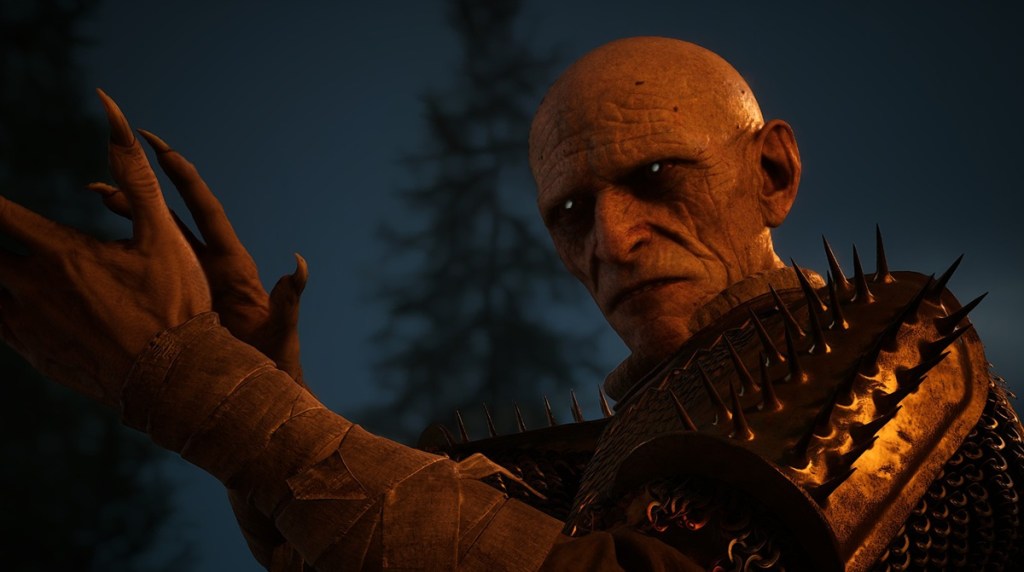
Blood of Dawnwalker starts gun-blazing, showing a boy running with his younger sister, trying to keep her safe from getting executed for catching the plague. However, he receives help from a very unexpected group: the Vrakhiri, led by Brencis. The savior not only protects the boy and his sister, but he also cures the land of the plague using his blood.
Next, he rules over the land, destroying all social order and bringing an end to famine and all diseases, in exchange for a little bit of blood from every human. But that’s not how the story ends; rather, it’s how it starts. Not everyone was happy with Brencis taking over, as he also ruled with an iron hand and culled any human who showed any weakness to remove the possibility of any disease outbreak.
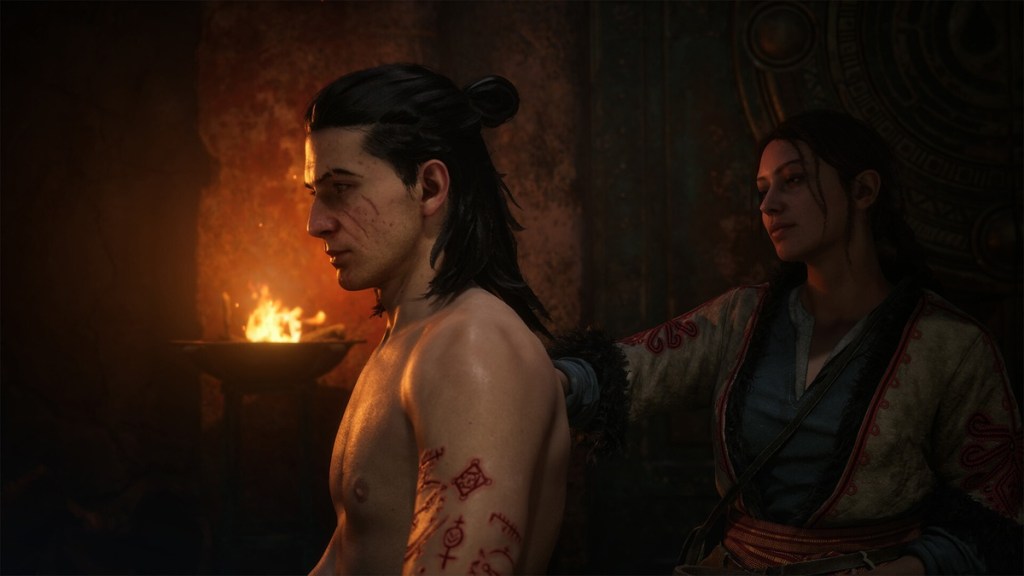

And that’s where Blood of Dawnwalker’s story becomes nuanced. It doesn’t adhere to a good vs. evil morality code. Instead, it propels you to think and make your own decision. Brencis may be a vampire who rules with an iron fist, but he is still better than monsters hidden under human skin.
But even after all the moral choices you can make, in the end, it all comes down to saving your family, whom Brencis kidnaps after the protagonist’s father tries to rebel against him, which remains the undisputed goal that you cannot overlook.
Every main quest in The Blood of Dawnwalker has this close interaction with NPCs, whether it be Anca, a witch herbalist who also becomes your love interest in the game, or someone else. The dialogues and story interactions are always in-depth to a very personal level. And that’s why the story of Blood of Dawnwalker feels so personal.
The voice acting, expressions, and cinematic direction of cutscenes are close to a top-grade Hollywood movie. The game perfectly captures every weak moment and personal interaction with NPCs, building actual relationships between players and the characters. I have been moved multiple times when certain NPCs died in the story, either due to the story sequence or me succumbing to my bloodthirst.
This stellar performance from all the actors creates a vivid connection between the players, Coen, and the world. Not every RPG has done it so masterfully, so the storywriters for Blood of Dawnwalker should definitely receive credit for it.
A Skillful Combat System that is Not Too Hard to Master
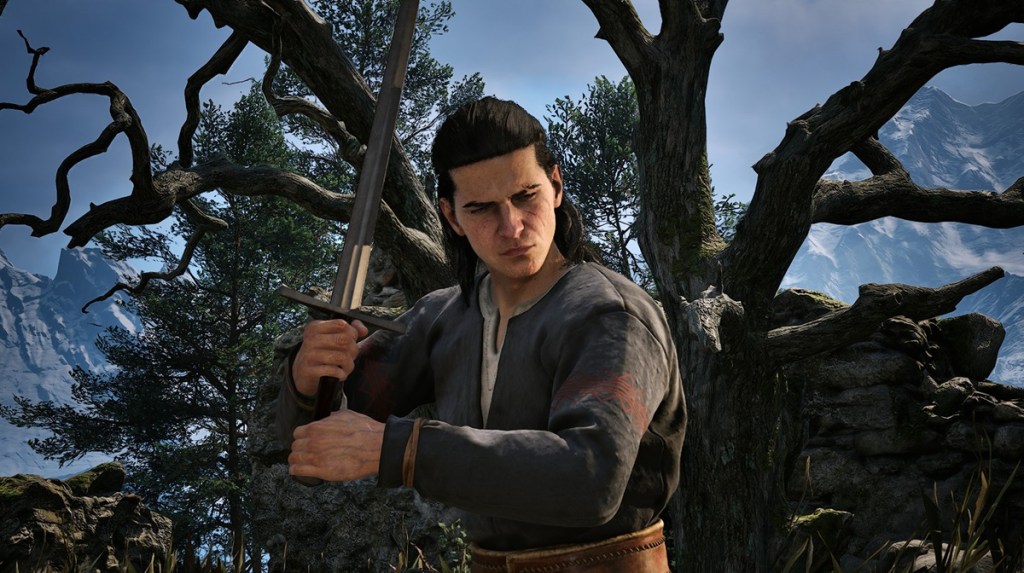
Lately, I have been seeing games going the Souls route with their combat system, or making it so easy that it takes away the challenge. Being a die-hard Souls fan, I have always preferred the former, but that doesn’t mean I didn’t miss the combat in the old Batman Arkham or Assassin’s Creed games.
Combat back then was not too hard to master, while also providing enough challenge with simple mechanics. Blood of Dawnwalker recreates that feeling in the truest sense. The game comes with a directional combat system, but instead of using your mouse for direction, like Kingdom Come Deliverance 2, you instead use the movement keys.
This makes it much easier to change your attack direction, instead of feeling like a hassle, as many observed with KCD and KCD 2. But that’s not all; the combat HUD perfectly tells you when an attack is parryable or unavoidable, while the enemy movements continue to make it a challenge for you to react to them. This simple combination makes the system both easy to understand and challenging.
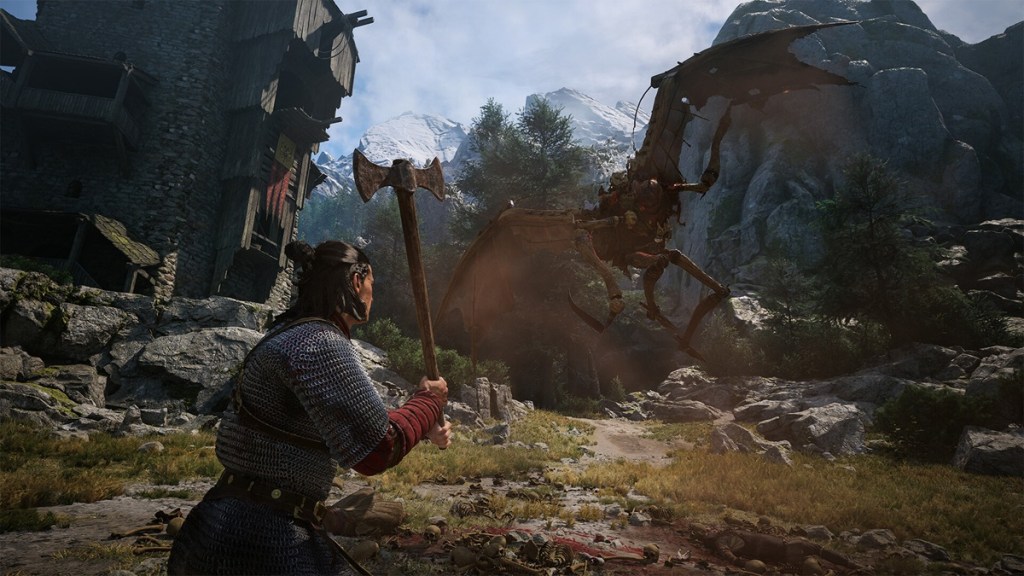
But there is much more, because we have just touched the surface. Dawnwalker includes Vampiric abilities, Witchcraft, and Sword skills. Players can decide which skill tree they want to spend their points on.
And that choice is important because you can only become a Vampire at night, which is the only time those skills are usable in the game. Similarly, Witchcraft skills can only be used in the morning. But those abilities are also much more powerful than normal Sword skills, making them worth your time.
For example, the very first Vampire ability you get allows you to drain health from enemies and refill your HP with it. This ability is also a guaranteed hit, and you can use it on any NPC, creature, or enemy in the overworld. But when it comes to my favorite ability, it is the one that slows down time. This ability is so powerful and fun to use, and perfect for mowing down enemy camps.
Overall, Vampire abilities are cool, but it’s the Witchcraft that can be truly shocking. It has abilities that allow players to talk with the dead, debuff enemies, and much more. Witchcraft abilities also have life-draining mechanics, with some being strong enough to drain life in an AoE area.
Sword skills are also very fun to use. The very default ability throws sand at enemies to stun them. There is also an ability that has a chance to decapitate enemies on strike. Overall, Blood of Dawnwalker’s combat is one of its biggest highlights.
An Open World That Could Have Much More
Unlike the main story mission in Blood of Dawnwalker, most of the game’s side activities suffer from being terribly repetitive. The closest thing I could compare Blood of Dawnwalker’s side content to was Far Cry 5, which is a game that became stale for me very soon.
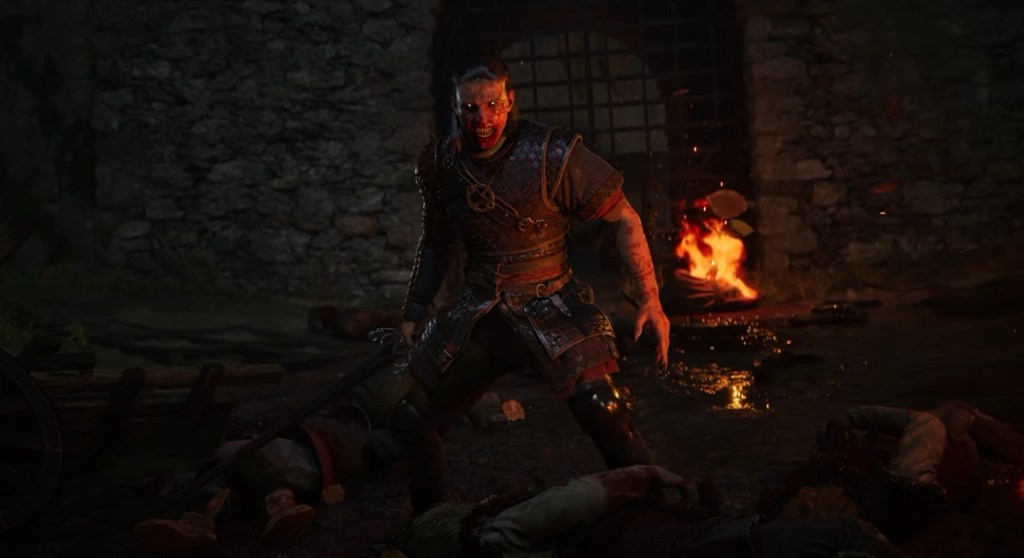
Dawnwalker’s gameplay loop follows a similar pattern. Coen has to take over settlements ruled by Brencis in various places, which will bring out one of the three big underlings of Brencis that rules the area. Defeating them will keep away one obstacle that you may face when heading into Brencis’s castle.
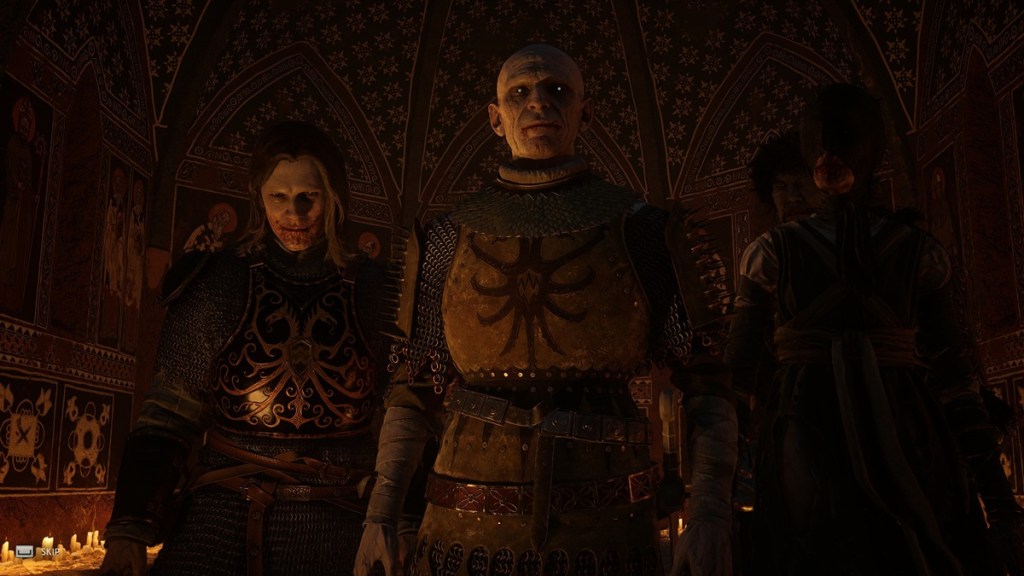
While these three main bosses are truly well designed, their actual participation in the main story is very limited. This never makes them a threat worth chasing other than for pure gameplay reasons. They never did anything to Coen directly, or it wasn’t shown as such, making them much less of a villain in front of Brencis.
After completing some settlements, the challenge is no longer enough to keep you enticed. This was a big reason that I decided to rush the main story quests and simply head to Brencis’s castle, even if I had to defeat a couple of bosses or enemies more.
Thankfully, Blood of Dawnwalker allows you to make that decision as well. Players can choose to end the game as early as one hour in, but doing so is especially challenging.
Choices Play a Major Role in Shaping the Dawnwalker Experience

Blood of Dawnwalker places plenty of emphasis on making decisions. Whether it’s a story decision or what the player wants to do with their time. The game features a time mechanic that can be a massive hassle.
Every task and activity requires ‘time investment’ inside the game. Normally, I wouldn’t care much about it; however, in Dawnwalker, Coen has to save his family by the 30th day, otherwise they all die in the game. That being the main storyline of the game, I don’t see why anyone would decide not to do it.
However, one of the cooler things about Dawnwalker is that the game clearly defines Brencis as the final boss. What I mean by it is that whenever Brencis is defeated, the game considers it the end of the game. This can happen as early as one hour into the game, when players get to fight Brencis for the first time in a mock fight.

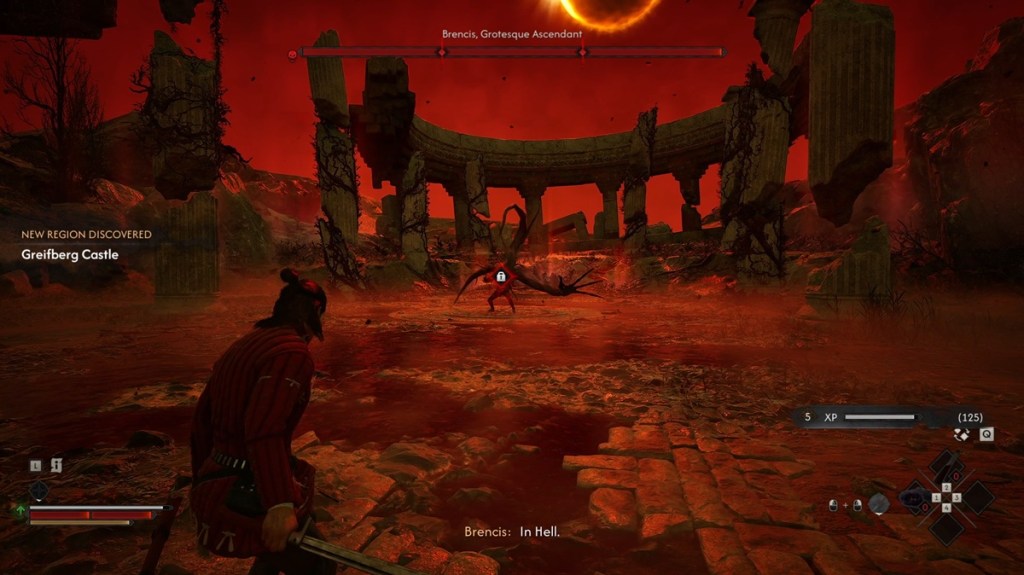
Although losing this fight doesn’t cost anything, winning against Brencis actually ends the game. However, Brencis’s second phase during this fight basically one-shots Coen with every attack, but it is still possible to defeat him.
If you find yourself too weak at the start, you can wait a couple of days and then raid Brencis’s castle directly without defeating his subordinates. This will obviously make the final fight much harder, as players will have to fight an increased number of enemies, including all three main underlings, before they can reach Brencis.
Coming back to the time mechanic, I find it a massive hassle. I love playing open world games because they allow me to explore a world at my own pace. Dawnwalker does the very opposite. Although the time given is ample to travel the world, the timer continues to tick over your head, influencing all your decisions.
Even for unlocking or upgrading skills, you need to spend time. However, this is likely for players to avoid scouring the world for every quest. The game doesn’t have that much good side content, so this mechanic kind of hides it from the players.
Performance: A Seamless Performance That Looks a Bit Old-School
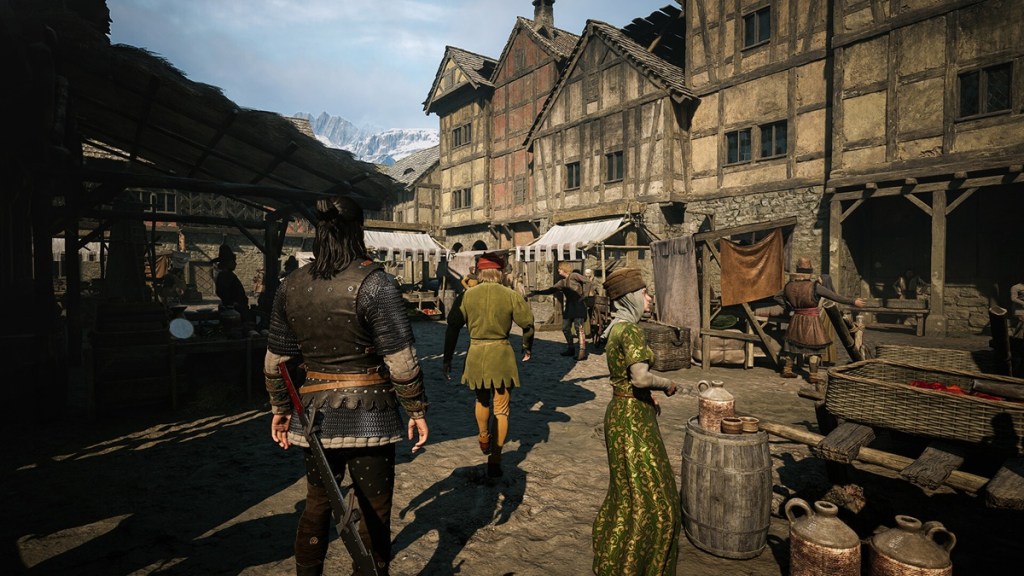
Blood of Dawnwalker ran extremely smoothly on my PC, giving 100+ FPS at High settings with DLSS set to Quality and Frame Generation enabled. After tweaking the graphics to Ultra with the same settings, the FPS dropped to 80, which is still very impressive.
With DLSS and Frame Generation off, the FPS did tank to 40 FPS at Ultra settings. Changing the graphics settings to High does push the FPS to over 60 FPS, which is very playable.
My Setup: CPU: AMD Ryzen 9 7900x
CPU Cooler: CORSAIR H150 RGB
Motherboard: GIGABYTE B650M Gaming X AX
GPU: MSI Nvidia GeForce RTX 5060 Ti 16 GB
RAM: 32GB (32GB x 1) ADATA XPG DDR5 5600FSB LANCER
SSD: 1TB AORUS Gen 4 5000E NVMe storage
Monitor: 1080p @165hz
Now, I don’t have many qualms with the game’s performance. What I have an issue with is the game’s overall graphics. Although it looks pretty, the graphics or visuals did not leave me in awe. The game’s visuals actually feel old in today’s world, and it is a bit off-putting. The game also comes with a grainy look, and I personally did not find it that appealing.
Verdict: The Blood of Dawnwalker Is A Gem with Some Rough Edges

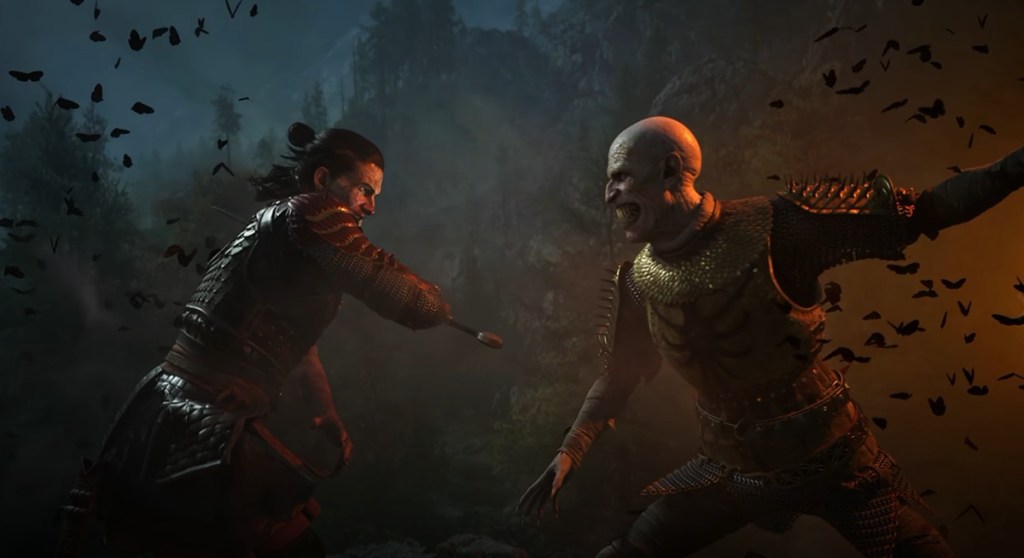
The Blood of Dawnwalker had one of the best stories I have played through in recent years. It was emotional and felt personal, largely due to the outstanding acting from all the characters. Brencis truly feels like a final boss worth chasing. Coen felt like a genuine person who cares for his family. He has an amazing personality and is a very likable protagonist. This is also why his interaction with any NPC feels personal and genuine.
The combat in the game is absolutely excellent. Both hardcore and casual players can enjoy the combat system, which has been missing from games of late. The game offers multiple playstyles, including different skill sets for morning and night.
From transforming into a wolf to sucking blood from enemies, the dynamic combat skills are extremely good. Anyone tired of Souls combat and looking for a mix of spells and blade combat will definitely enjoy it.
However, the game does suffer from repetitive overworld activities. The time management is also an absolute pain, which is why most players have already started using mods on PC to remove the time mechanic from some core functions.
The performance of the game does stand strong, and with the freedom of making choices, The Blood of Dawnwalker does make a big impression in the overall scale. So, what’s your opinion on my Blood of Dawnwalker review? Let us know in the comments section below.