Beebom Score
There is something special about games that completely change their identity without losing what made you care about them in the first place. That was my biggest question going into Resonance: A Plague Tale Legacy for review.
Seeing Asobo Studio move away from the stealth-heavy formula of the previous games and toward a much more traditional third-person action-adventure is something refreshing. And honestly, I was surprised by how much I enjoyed it.
Resonance follows Sophia years before the events of A Plague Tale: Requiem, giving her a story of her own while taking the series into a new setting and direction. It is a bold move for a series that built much of its identity around stealth, survival, and the emotional journey of Amicia and Hugo.

The result is not perfect. Some of the gameplay systems feel basic, a few mechanics from the older games are noticeably missing, and the combat takes some time to become genuinely interesting. But after you read my thoughts here in this detailed Resonance: A Plague Tale Legacy review (spoiler-free), you will realize that sometimes, it is better to take a LEAP forward.
Sophia Steals the Show, and I Want More of Her Journey
I want to keep this section completely spoiler-free because Resonance is the kind of game that benefits from going in knowing as little as possible. The broad setup is enough to get you interested, while the journey itself does a much better job of explaining why Sophia is worth following.
What impressed me most was how naturally I became attached to her. Sophia feels tough without being invincible, confident without becoming irritating, and vulnerable when the situation demands it.
A large part of that comes down to Anna Demetriou’s performance. Her voice acting is terrific, and the motion capture gives Sophia an emotional weight that makes even smaller reactions feel believable. And of course, the transition from kid Sophia to the warrior she becomes is what made me feel every bit of her journey.
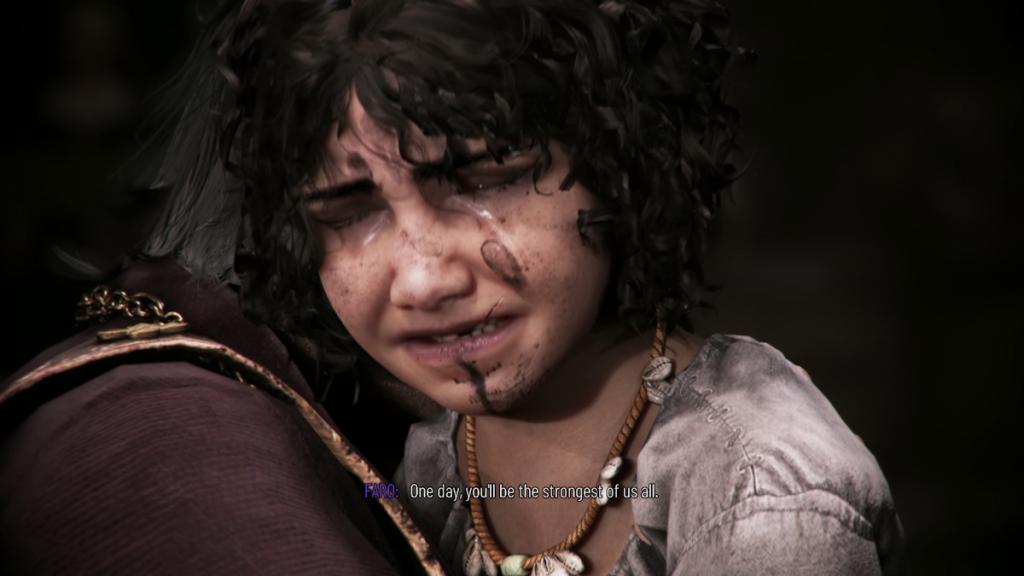

Another reason I highly rate the performance is the eyes of our main protagonist. There were several moments where I found myself looking at Sophia’s face rather than the environment because the facial animation actually communicated what she was feeling.
That may sound like a small thing, but it matters enormously in a narrative game. When the protagonist can sell fear, anger, excitement, and exhaustion without needing a giant speech explaining everything, the story becomes much easier to connect with. And the eyes bring me to another major selling point of the game – the art, and honestly…
Asobo Takes a Big Swing with Its Visuals
If the story impressed me, the visuals completely blew me away. Asobo Studio has made a bold decision to take A Plague Tale into a third-person action-adventure perspective, and the presentation makes that transition feel much more ambitious than I expected.
The environments are gorgeous. The island, ancient structures, lighting, and large set pieces give the game a scale that feels very different from the previous entries.
There is also a noticeable improvement in how the characters move and react. The animations are clean, the facial expressions are detailed, and the motion capture helps bridge the gap between a good-looking character model and someone who actually feels alive.
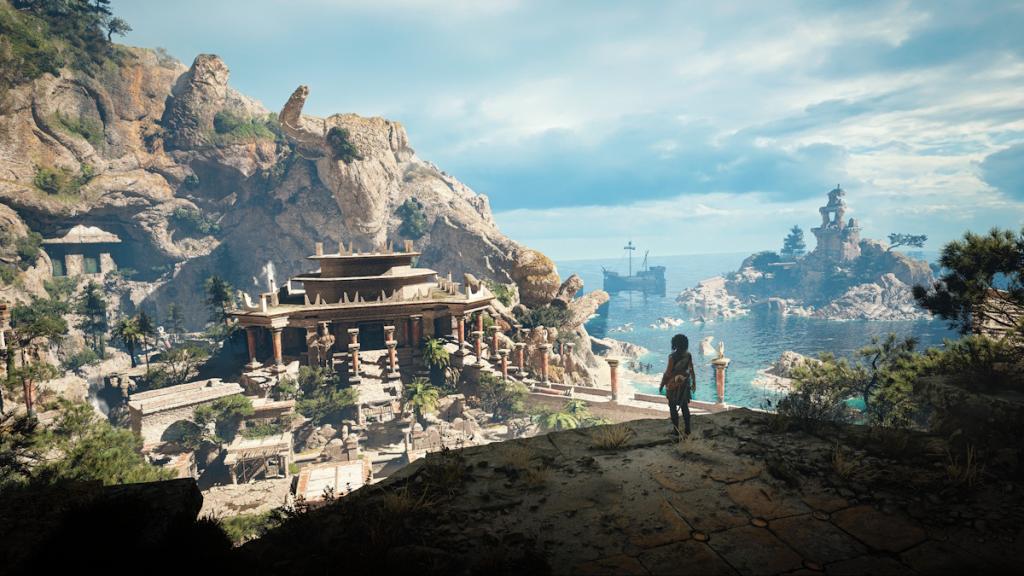

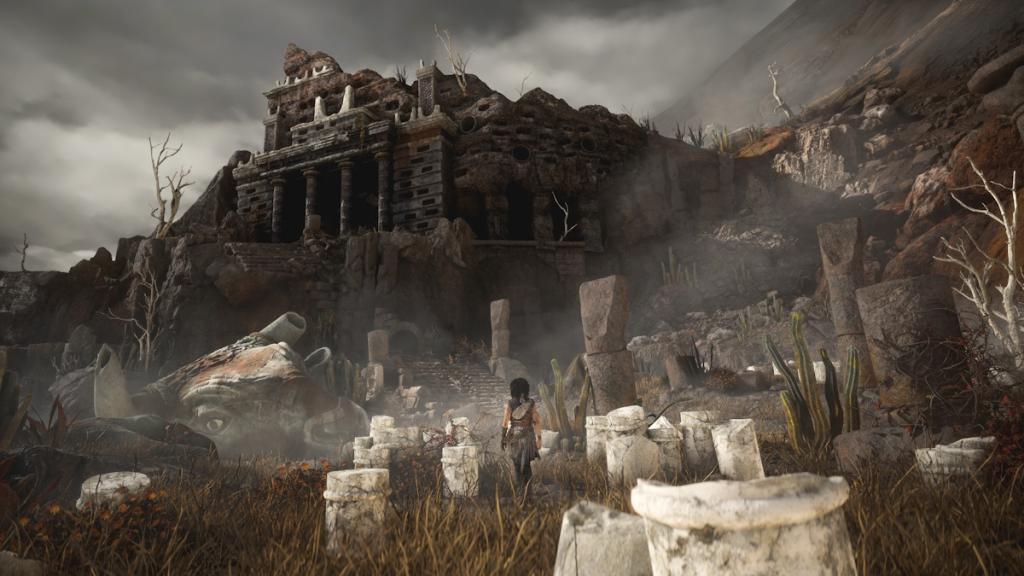
A Plague Tale: Legacy is one of those games where I regularly stopped moving just to look around. Some areas have that classic “I need to take a screenshot” quality, and the combination of lighting, architecture, and environmental detail makes exploration rewarding even when there is nothing immediately waiting for you.
The visual shift also makes sense from a camera perspective. Instead of constantly framing Sophia as a vulnerable character trying to survive, the third-person view lets the game put her directly into the middle of the action. And honestly, that makes me feel like I am in control.
The Combat Needs Time to Find Its Rhythm
This is where Resonance becomes a little complicated for me. The basic combat is not particularly creative at first, and if you are coming directly from the stealth mechanics of A Plague Tale: Innocence or Requiem, you may wonder where all the depth went.
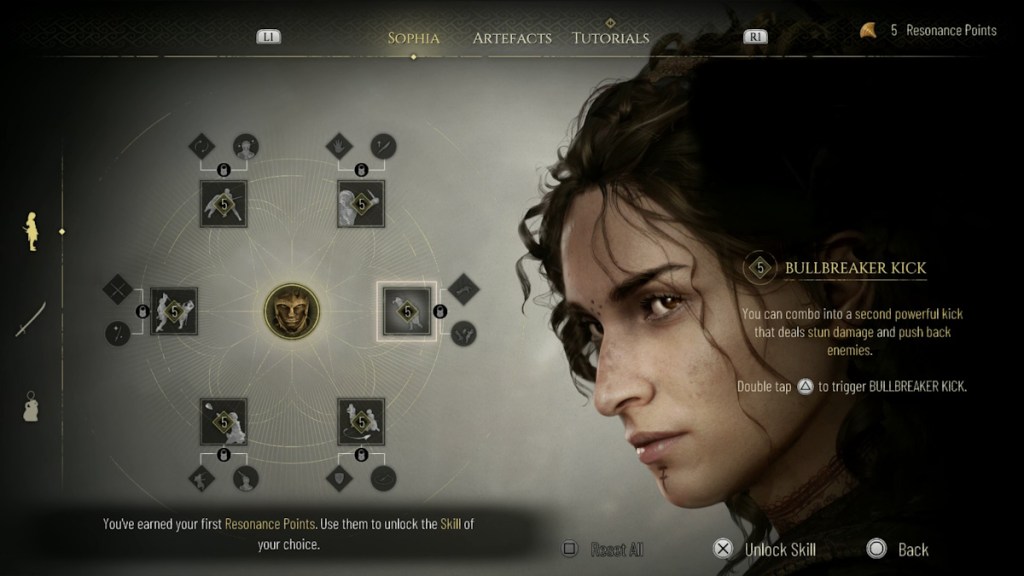
Sophia fights with melee weapons, relying on attacks, dodges, parries, and other abilities instead of hiding from every threat. The combat is fluid enough to work, but the foundation is familiar, and there were moments when I wanted the game to give me more ways to approach an encounter.
As you unlock more skills, combat gradually becomes more interesting. Abilities give you additional ways to handle enemies, and what starts as a fairly straightforward system eventually becomes something I look forward to using.
That progression is important because the game does not immediately throw a dozen mechanics at you. Instead, it slowly gives you more toys to play with, and eventually you start combining them without thinking about it.
It is still not the most creative action combat system I have played. However, it gets the job done and becomes genuinely fun once Sophia’s abilities start opening up.
I Missed the Old Stealth Mechanics in A Plague Tale Legacy
I have to mention the elephant in the room for longtime A Plague Tale fans. Resonance is not really a stealth game in the same way the previous two entries were.
The older games made stealth feel like a constant survival puzzle. You were often thinking about enemy positioning, available resources, light and darkness, and whether one mistake would send the entire encounter sideways.
Resonance is far more comfortable letting Sophia fight. That makes sense for her character, but I still found myself missing some of the mechanics that made the previous games feel distinctive.
There are stealth and evasion moments, but they do not form the backbone of the experience. Some of those sequences can actually be among the strongest gameplay moments because they bring back that feeling of vulnerability and force you to think about your surroundings differently.
This is not a deal breaker for me because I appreciate that Asobo wanted to try something new. But if you are a huge fan of the stealth gameplay from Innocence and Requiem, you should know that Resonance is playing a different game. And luckily, Legacy did not stick to just full-fledged combat gameplay as…
The Puzzles Keep the Adventure Moving
The puzzles provide a much-needed change of pace and help the game avoid becoming one long sequence of sword fights. I enjoyed the way the game uses the environment to make you stop and think. Some puzzles require you to understand how light interacts with the surroundings, while others encourage you to pay attention to details you might otherwise walk straight past.
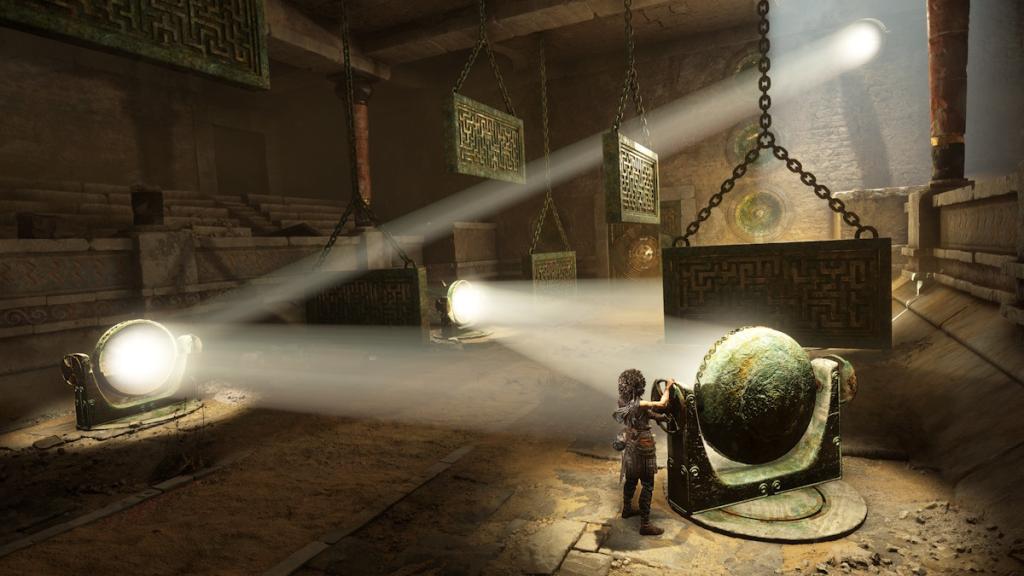
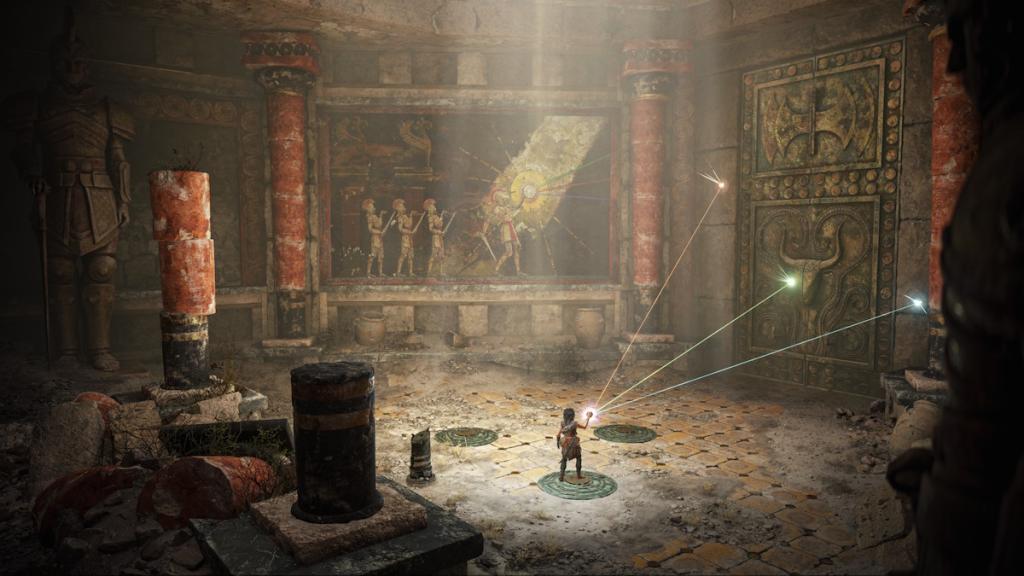
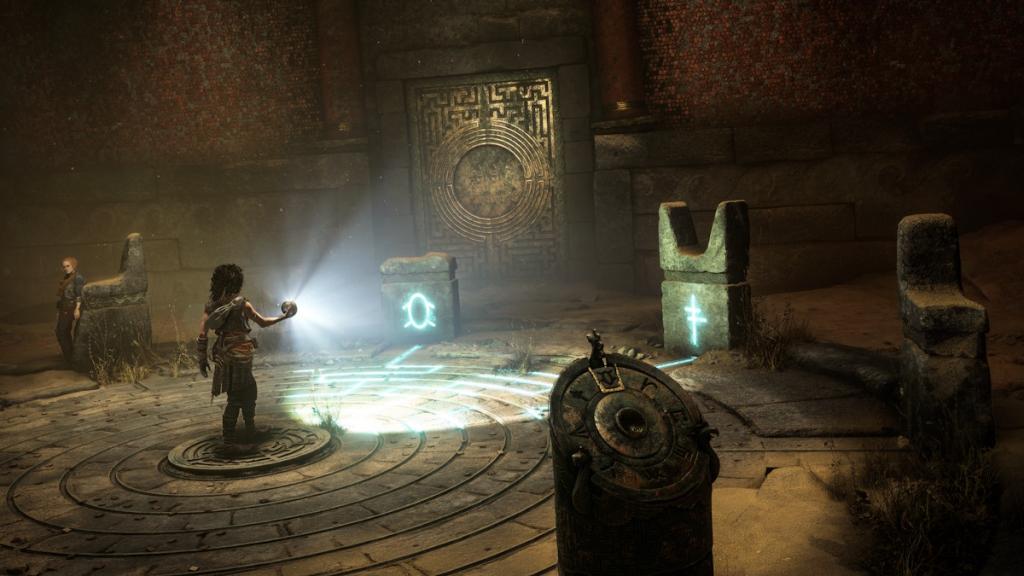
They are not going to make you reach for a notebook and start drawing conspiracy boards on the wall, but they are satisfying enough. More importantly, the puzzles fit naturally into the world instead of feeling like random mini-games inserted between story scenes. I am sure some couch potatoes enjoy that style of puzzle more.
Resonance: A Plague Tale Legacy Performance Review – When Ambition Meets Stability
As I mentioned, A Plague Tale Legacy already takes a leap forward with the excellent visuals that I had to dedicate a separate section to. But in most recent games, that should come at a price. Not with this one.
My Setup:
CPU: AMD Ryzen 5 3600 @ 4.1GHz
CPU Cooler: CORSAIR H150 RGB
Motherboard: MSI B450 Tomahawk Max II
GPU: Sapphire Pulse AMD Radeon RX 9060 XT 16GB GDDR6
RAM: Corsair (2x16GB) 3200MHz DDR5
SSD: XPG 1TB GAMMIX S70 Blade Gen4
Monitor: 1080p @ 165Hz
On the technical side, Resonance was one of the more pleasant surprises for me. I locked the game above 120 FPS, and it consistently stayed there during my playthrough without the kind of stuttering that can completely ruin a visually demanding action game.
There were a few glitches, but nothing serious enough to derail my experience. Most of them were the sort of oddities you notice, laugh at for five seconds, and then continue playing.
Yes, you will need a better device to play the game, but the overall experience is stable enough. I rarely thought about performance while playing, which is exactly what I want from a game like this.
Resonance: A Plague Tale Legacy Review Verdict – Feels Familiar, but That Is Not Always Bad
Resonance does not reinvent the third-person action-adventure genre. It wears some familiar influences on its sleeve, and the basic rhythm of exploration, puzzles, combat, and cinematic sequences will feel recognizable to anyone who has played games such as Uncharted or God of War.
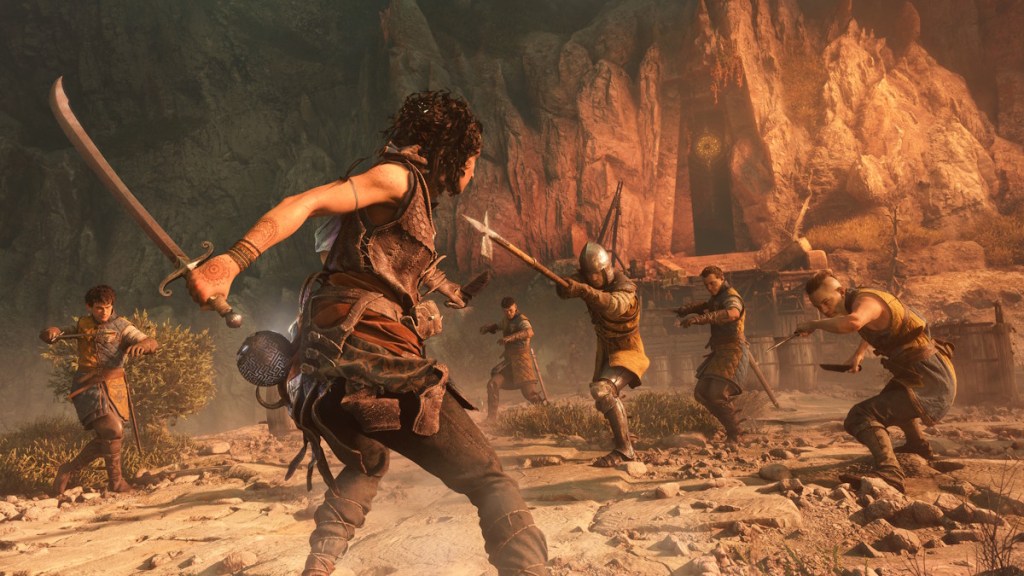
But I do not think every game needs to reinvent the wheel. Sometimes you just need to build a good wheel and make sure it looks spectacular while rolling downhill.
That is where Resonance succeeds for me. The individual mechanics may not always be groundbreaking, but the combination of story, atmosphere, visuals, performances, and progression kept me invested.
It also helps that the game does not feel like Asobo simply copied its previous work and changed the protagonist. Sophia is an excellent protagonist, and Anna Demetriou deserves a special shoutout for making her feel like a real person rather than another video game hero delivering scripted lines.
After spending my time with Resonance, I walked away with one clear thought: this game deserves more attention. The biggest weakness is also the most obvious one. The gameplay does not initially offer enough creativity, and some of the mechanics that made the older games special are not here in the same way.
Still, I would rather play a game that takes a risk and occasionally misses than one that refuses to move forward.


 Ishan Adhikary

 Rishabh Sabarwal

 Bipradeep Biswas