Beebom Score
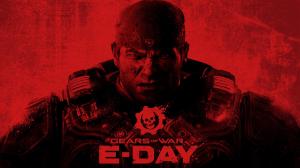
I grew up playing Gears of War without understanding much beyond shooting Locusts and surviving brutal firefights. Years later, revisiting the series made me care about where Bravo Team came from and why their brotherhood mattered. That history structures my Gears of War E-Day review, because The Coalition gives a squad worth fighting for.
I have always loved Gears of War 2 most for its story progression, character development, and memorable combat encounters. I recently finished SEAL Team, while Modern Warfare taught me to appreciate military squads built around trust. Gears of War E-Day immediately reminded me of those stories of team chemistry, and that connection pulled me through the campaign completely.
E-Day Campaign Understands Why Gears Works
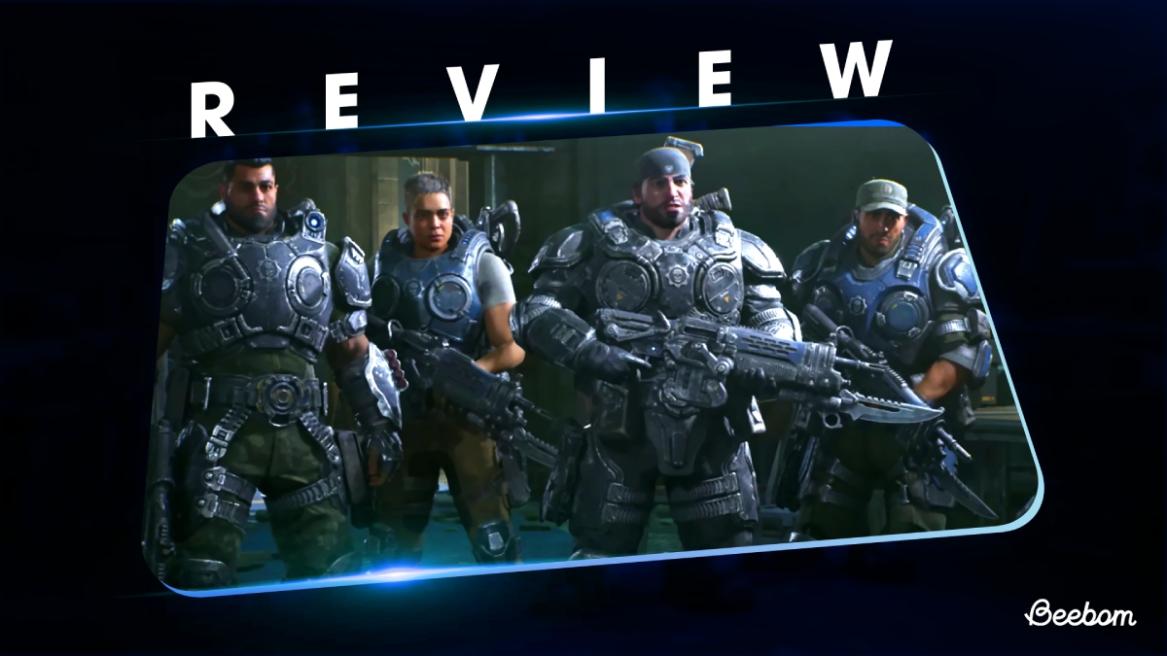
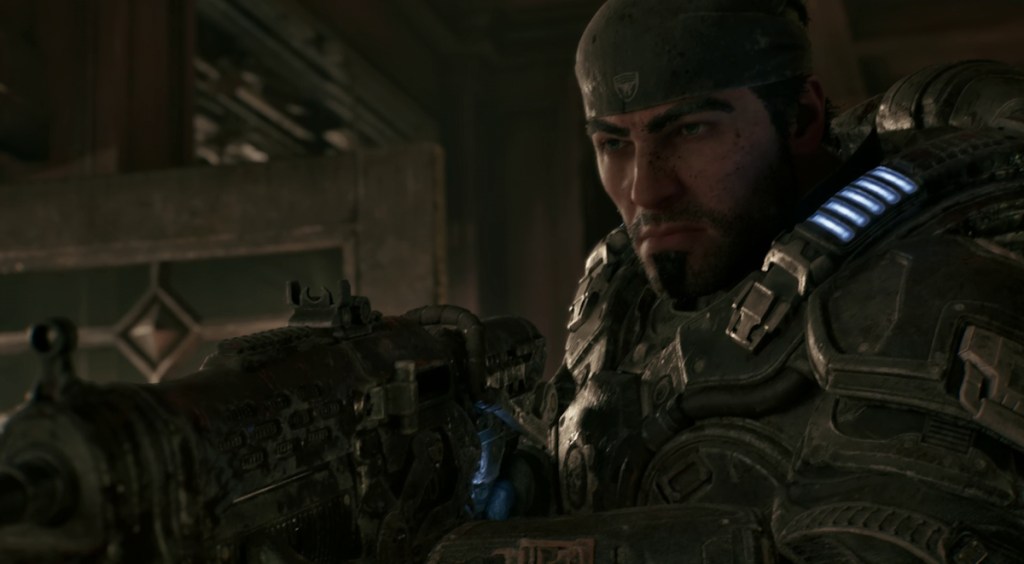
E-Day places Marcus, Dom, Mags, and Lucas together during humanity’s first nightmare against the Locust invasion across Kalona. The setup feels familiar without becoming another excuse to replay everything fans already know from previous games. I knew the destination, yet watching these soldiers fight for one another made the journey surprisingly personal.
The campaign rarely forgets these characters are soldiers facing something far beyond their understanding or training during this crisis. Kalona gradually transforms from a living city into a battlefield, giving major encounters an escalating sense of danger. The Coalition uses that changing environment well, making destruction feel like part of the story itself.
What stayed with me most was the brotherhood between these soldiers during their desperate fight for survival. They constantly risk themselves for teammates, civilians, and people they barely know throughout this nightmare around them. I found myself caring about characters I knew would never receive equal attention in later games.
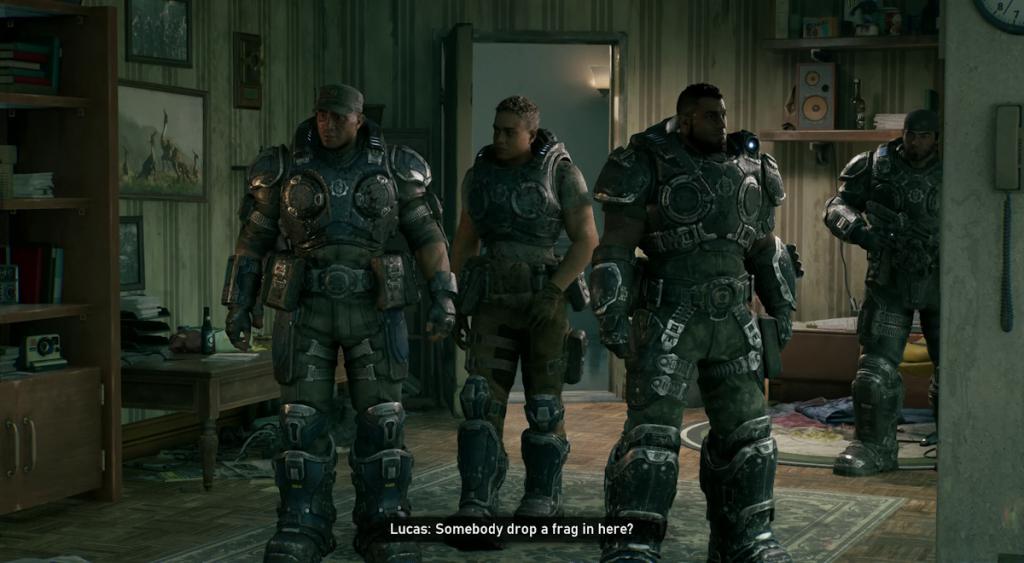
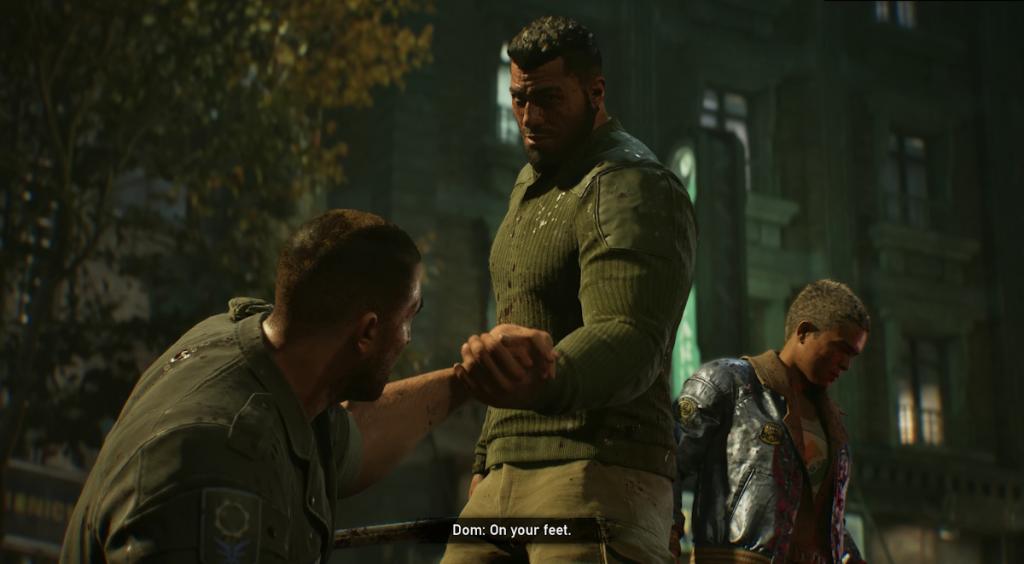
That emotional connection also exposes one of E Day’s biggest weaknesses, which comes from uneven character focus. Some characters receive much less attention, making their later moments feel less satisfying than they could. Marcus and Dom remain lovable, but Mags Carter often becomes the most compelling presence whenever the group shares the screen.
Lucas Reyes works especially well as the rookie presence within this close-knit squad during chaotic moments. His occasional comic relief gives the campaign breathing room without breaking its grim wartime atmosphere too often. Still, uneven focus leaves several characters feeling underdeveloped when the finale finally arrives for everyone involved.
The Shooting Remains the Star
I enjoyed the campaign’s gameplay more than its cutscenes, which says plenty about how well The Coalition understands Gears as a shooter. Modern action games often interrupt shooting with long conversations or scripted sequences, while E-Day gets me shooting quickly. That focus makes the campaign feel direct without turning it into a mindless shooting gallery for me.
The new movement options give familiar combat encounters considerably more room to breathe. Sliding, climbing, jumping, and dynamic cover let me reposition quickly when enemies close around my squad. Those changes make battlefields more flexible without losing Gears’ crucial combat identity during chaotic firefights altogether.
E-Day combat works best when enemy variety keeps everything unpredictable throughout difficult encounters. Different Locust types force different responses, while larger threats can instantly ruin a comfortable defensive position. Boss encounters understand the series’ strengths, creating chaotic battles where movement and quick decisions matter constantly.
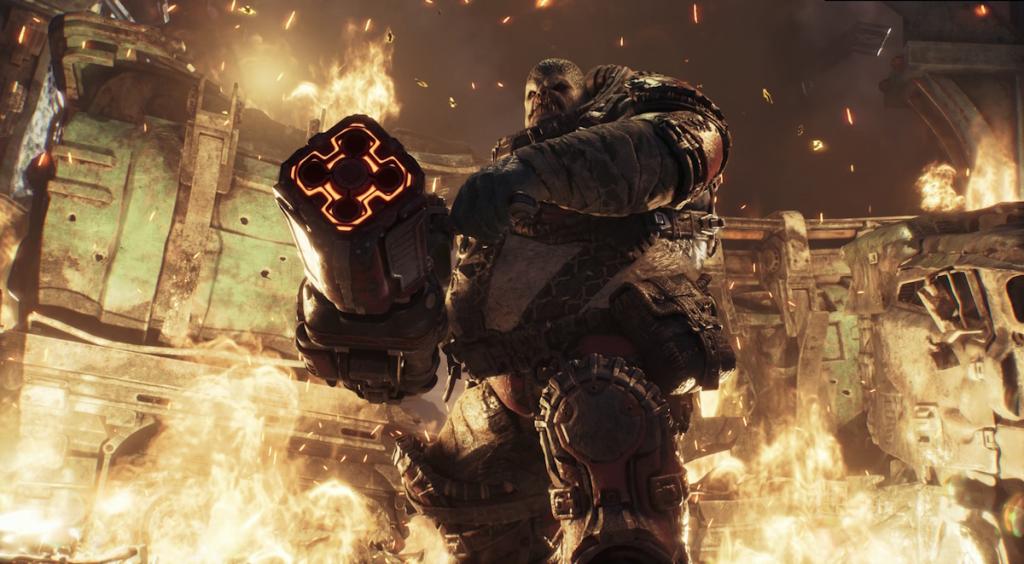
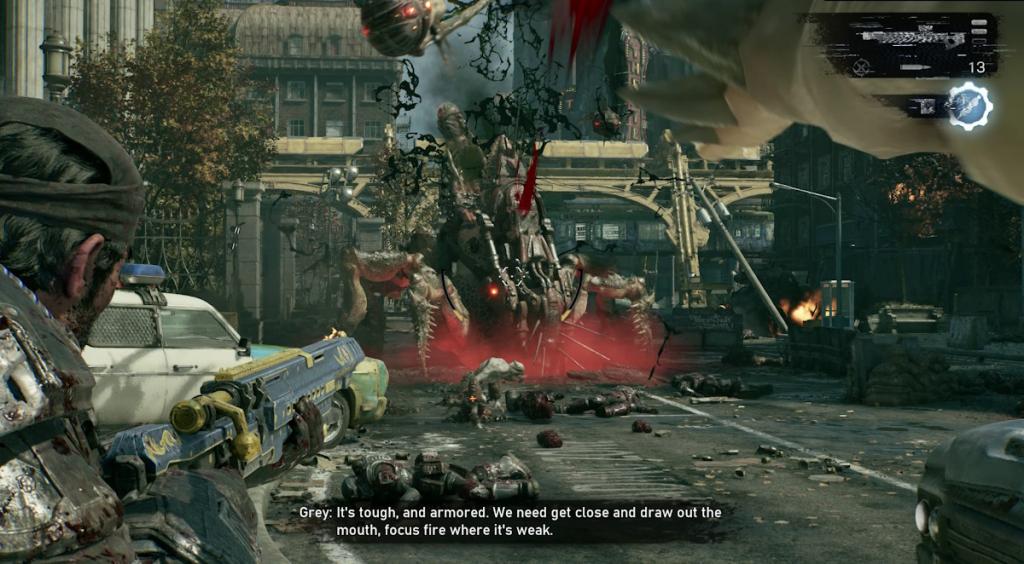
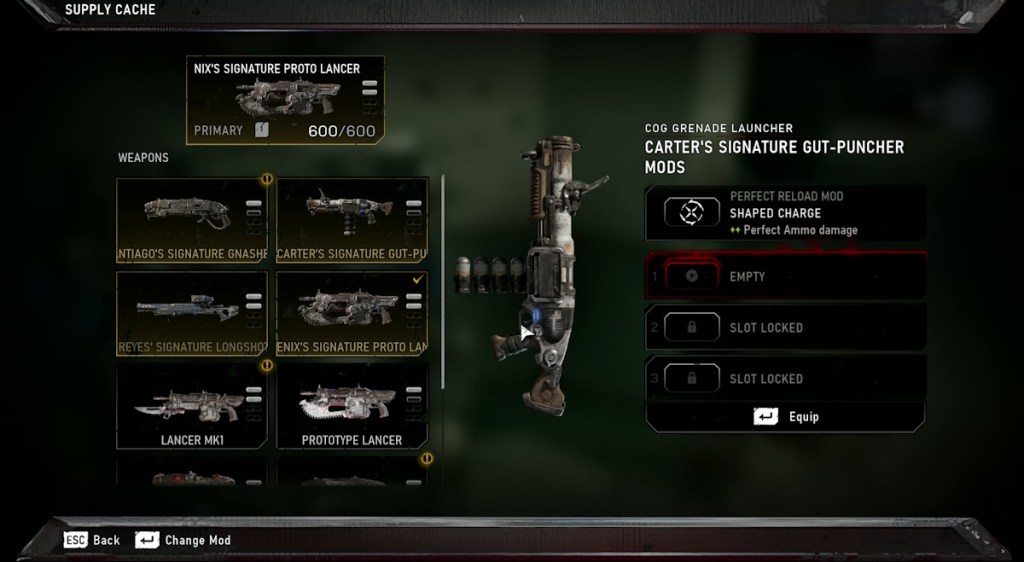
The weapon roster feels equally satisfying once customization starts opening additional possibilities, strengthening my Gears of War E-Day review. Finding Hard Cases, collecting modifications, and returning to stations gave exploration a practical reason beyond simply filling an inventory.
I enjoyed building weapons around my preferred approach, even when customization remained fairly straightforward overall throughout the campaign. And trust me, the melee build I have ready- even the tankiest of bosses can’t handle the wrath of my chainsaw.
However, one gameplay choice repeatedly distracted me during otherwise excellent and intense firefights throughout the entire campaign. The forced reload minigame interrupts the action more than it adds, especially during tense encounters with multiple enemies. I would prefer a cleaner system that rewards accuracy without demanding extra attention during every reload sequence.
The default PC controls also deserve an immediate adjustment before starting the campaign properly on keyboard. Having Spacebar assigned to taking cover while Ctrl handles jumping felt strange enough that I changed everything. Anyone starting on PC should check those bindings before settling into the campaign itself.
When it comes to playing on a controller, the aim-assist setting is way too overpowered and sometimes may restrict your right stick movement while firing weapons. Furthermore, make sure to keep your input curve set to linear for a smoother aiming experience as you fire spray-and-pray weapons like the Lancer. However, adaptive triggers do ruin the experience, so make sure to turn them off the moment you launch the game.
Although the pace of the gameplay becomes slower when you’re playing with a controller, at the same time you can lean back and enjoy the classic Gears experience like you used to back in the day on an Xbox 360. If combat is worth the praise, the environment of Gears of E-Day deserves a shout, because…
Kalona Rewards Exploration
E-Day’s open sections work because they give meaningful options between major firefights. I could follow objectives, search for Hard Cases, rescue stranded soldiers, or wander through Kalona freely. That freedom never felt mandatory, which made exploration feel like my choice instead of another checklist.
The side activities are simple, but they provide useful pacing after several intense combat sequences across Kalona. Finding upgrades encouraged me to investigate streets I might otherwise have ignored during ordinary missions in Kalona. I appreciated exploring more of Kalona without sacrificing anything important whenever I wanted to move forward.
The world itself carries impressive detail and a convincing history beneath its destruction across the city. Enemy designs have plenty of personality, while the ruined city communicates invasion through architecture, destruction, and constant movement. I sometimes felt the enemies looked more striking than the Gears themselves, which says plenty about their design.
Visually, E-Day occasionally feels awkward and muted despite its impressive environmental detail and enormous overall scale. The gore often appears closer to grey than red, weakening some of the series’ trademark brutality. Some environments also begin blending, leaving the presentation less varied than its strongest moments suggest.
A Prequel That Makes Familiar Faces Matter
I enjoy stories that revisit familiar worlds from another era, especially when they introduce characters I have never met before in familiar places. E-Day deals with that idea well because Marcus and Dom provide immediate connections to games I already know. Their presence made unfamiliar parts of Emergence Day feel like history happening directly around me during every mission.
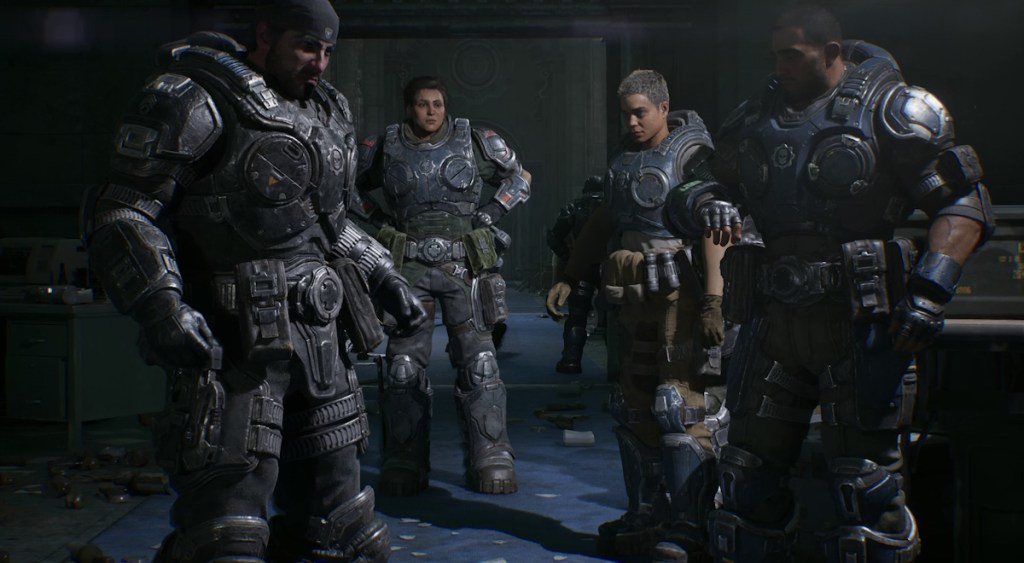
The campaign also avoids turning every story beat into a desperate attempt at surprise or constant revelation. Instead, Gears of War E-Day lets characters and relationships carry much of the emotional weight without relying on constant twists. That restraint worked for me, especially because soldiers choosing each other creates the strongest scenes throughout.
I still think the story would feel better if its protagonists were handled differently while preserving its emotional focus. Marcus and Dom are obvious anchors, yet Mags often feels like the character who gets significantly more time. Starting with Mags before bringing Marcus into the larger story might have strengthened the campaign’s personal journey considerably.
If you want to showcase a different character more than the protagonists, why not make her one. This way, the relatability would feel more personal.
That choice could also have given the supporting cast more room to grow naturally. Several characters show enough personality to make me want more scenes, yet the campaign moves forward before relationships fully develop. The result is an excellent foundation that stops before its characters reach their full potential as soldiers.
Same Multiplayer, More Reasons to Return
I only needed limited time with multiplayer to understand the overall excitement of it. The movement system carries naturally into competitive play, while familiar weapons retain their distinctive weight and satisfying impact.
But the main highlight is the introduction of Gears of War E-Day multiplayer game modes that fit the world perfectly. New modes give players more ways to use the same combat loop beyond the campaign battles themselves.
Horde and Versus fit the package because they extend the game’s strongest qualities beyond campaign battles. Horde turns cooperation into survival, while competitive modes reward movement, positioning, and precise timing under pressure. My multiplayer time was limited, but what I played left a positive impression overall so far.
Performance: The COGs Keep Their FPS Locked and Loaded
Gears of War E-Day runs like a well-oiled chainsaw on PC, at least on a rig as capable as mine. With every graphics setting maxed to Ultra and Nvidia DLSS 4.5 set to Native (which effectively runs DLAA, applying DLSS image-quality at native resolution instead of upscaling), the game averaged around 80 FPS in most gameplay sequences and held a steady 90 FPS during cutscenes.
My Setup:
CPU: Intel i7 14700K 3.40 GHz
CPU Cooler: CORSAIR H150 RGB 360mm
Motherboard: MSI Z790 Pro Wifi
GPU: Nvidia RTX 5080 Founder’s Edition 16 GB
RAM: Crucial (2x16GB) 5200MHz DDR5
SSD: Kingston 3 TB NVMe SSD
Monitor: 1440p @ 160Hz
My RTX 5080 Founder’s Edition sat at roughly 50% GPU load, with frame times between 10 ms and 14 ms. That headroom matters, because this isn’t a light workload. The Coalition has packed in ray-traced shadows, reflections, and global illumination, and the game can ray trace full-detail Nanite geometry through RTX Mega Geometry, as Nvidia likes to call it, and it shows.
The payoff is more accurate shadows on small debris, steadier reflections, and cleaner detail across busy scenes. I spent a good chunk of time with DLSS 4.5 set to Quality, and it looks stunning. The image stays sharp and clean, and the reconstruction holds up well even in the dark, debris-heavy streets of Kalona. But once I switched to Native and let the 5080’s raw power do the work, I was sold.
The image has a clarity and stability that I couldn’t stop noticing, and it’s the setting I kept for the rest of my playthrough. When your GPU has the muscle to run the game at native resolution and still land at 80 FPS or higher, there’s little reason to settle for anything else.
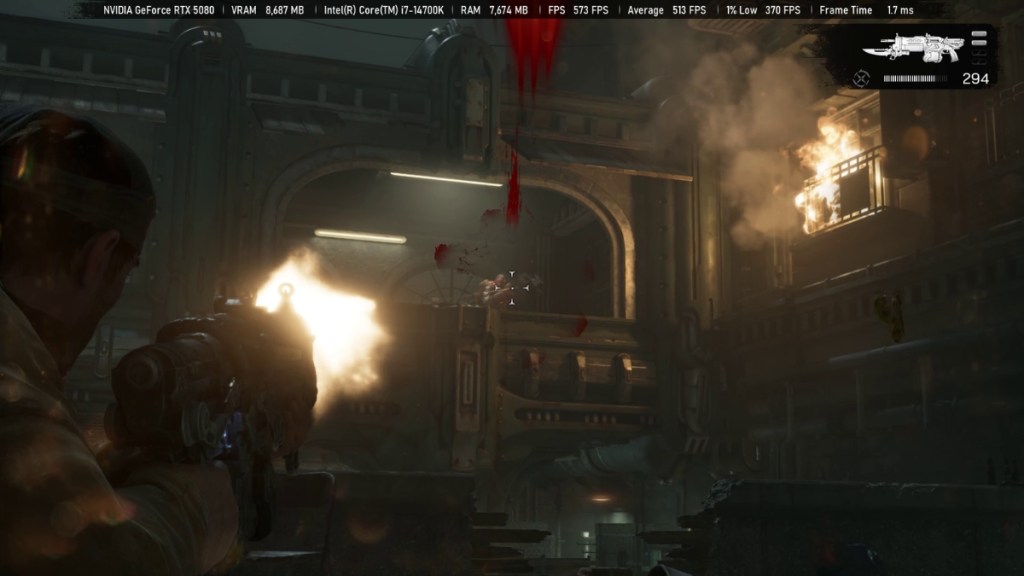
Frame gen is, however, a different story. With it set to 6x and DLSS on Quality, the framerate peaked around 430 FPS, and the frames looked stunning with smooth motion that impressed me. The catch is ghost frames. In a shooter, where you’re constantly flicking between targets and tracking fast movement, I encountered ghost frames, due to which I couldn’t register my shots properly, which is why I prefer to keep frame gen off in shooters for the most part.
If you want to experiment, the game’s Dynamic mode adjusts the multiplier automatically to hit a target FPS instead of locking you to one level, and Nvidia Reflex can stay on alongside DLSS and frame gen to keep input latency down.
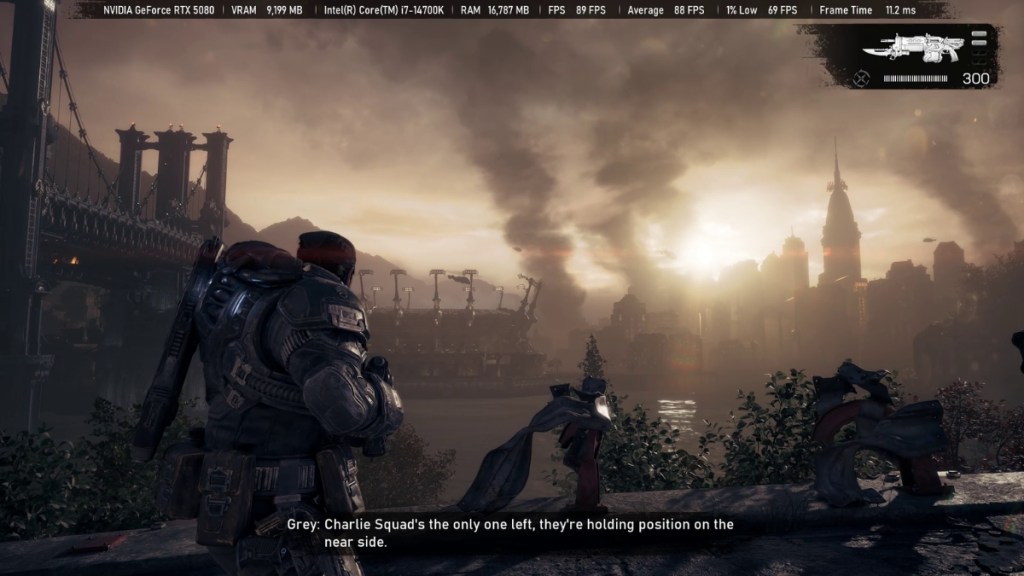
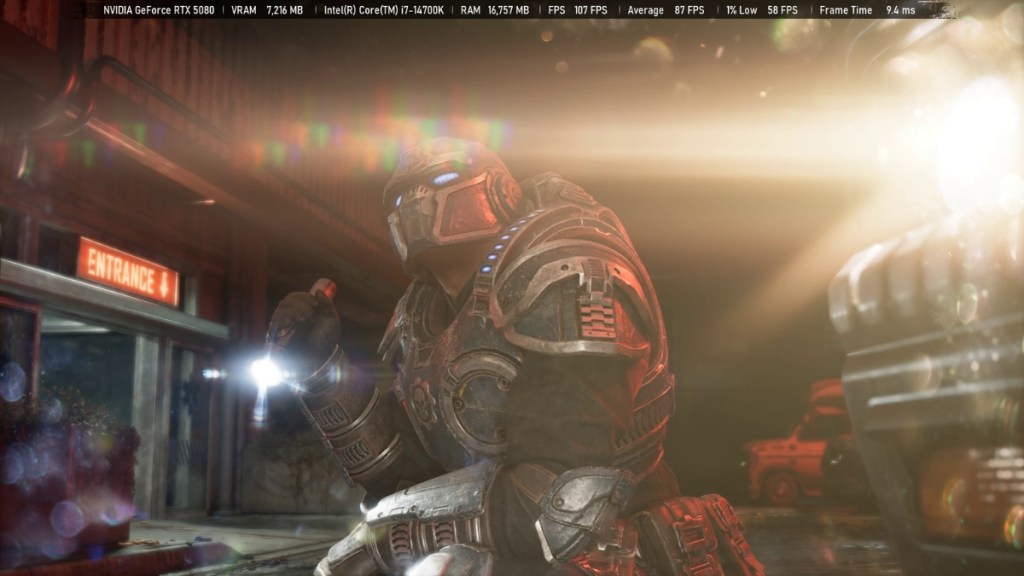
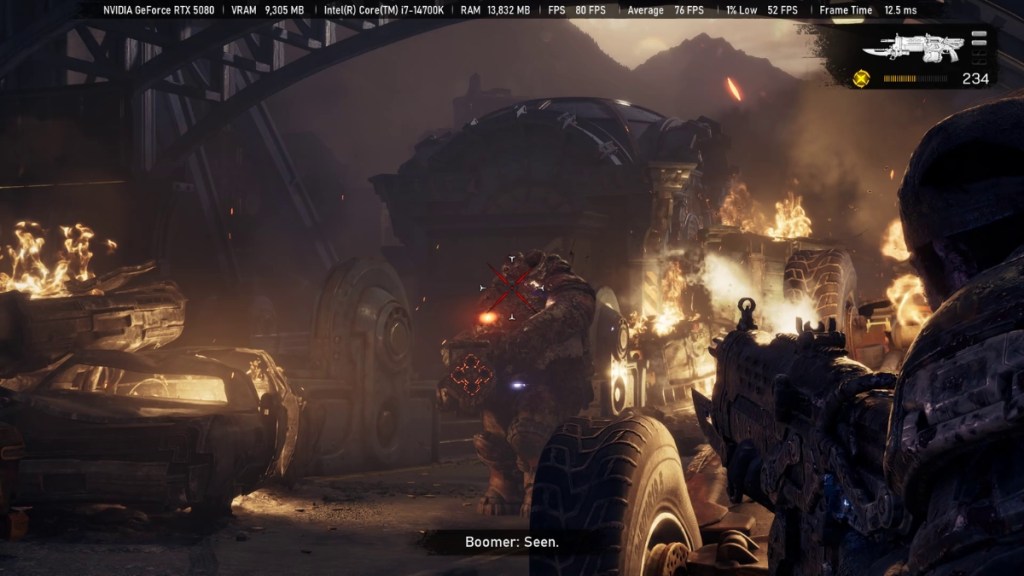
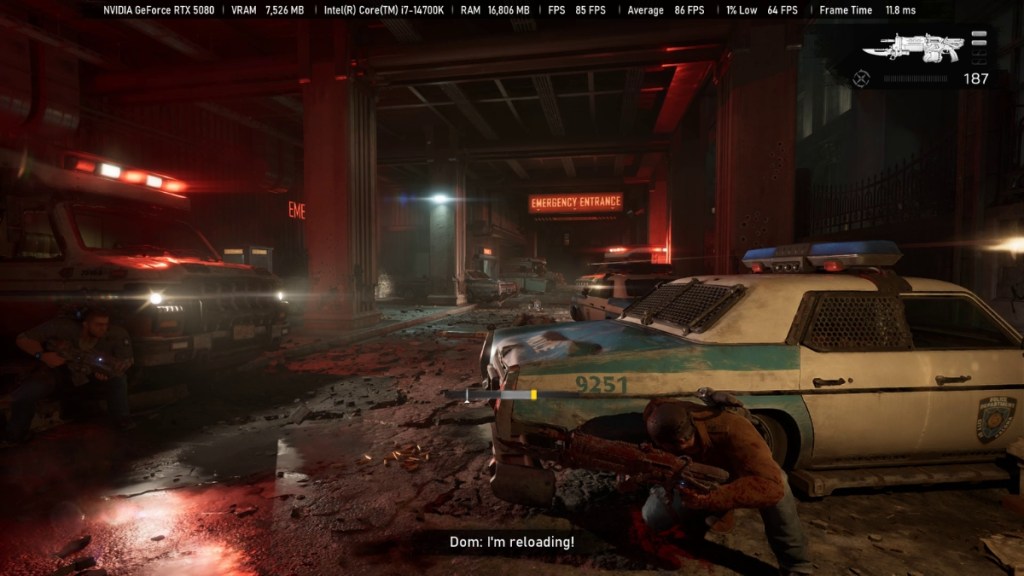
There were occasional FPS dips when particle-throwing enemies filled the screen, but they barely affected the experience. I never ran into screen tearing or stutter at Ultra. I also tried the Ludicrous preset out of curiosity, and it dropped me below 45 FPS in almost every gameplay sequence without a meaningful visual upgrade, so I’d stick with Ultra.
Thanks to The Coalition’s work on Unreal Engine 5, E-Day is easily one of the best-looking UE5 games this year. Kalona looks absolutely stunning maxed out, and the ray-traced reflections off roads, vehicles, and even barricades give every scene extra depth and realism.
Verdict: A Gritty, Nostalgic Trip That Sputters On The Details
My final Gears of War E-Day verdict comes down to one feeling: I wanted more from these characters even when action remained excellent. Combat, exploration, enemy variety, and sticking together make this an engaging return, while uneven development holds it back. The campaign gave me the emotional military story I wanted from the Gears origin, although its cast deserved better balance overall.
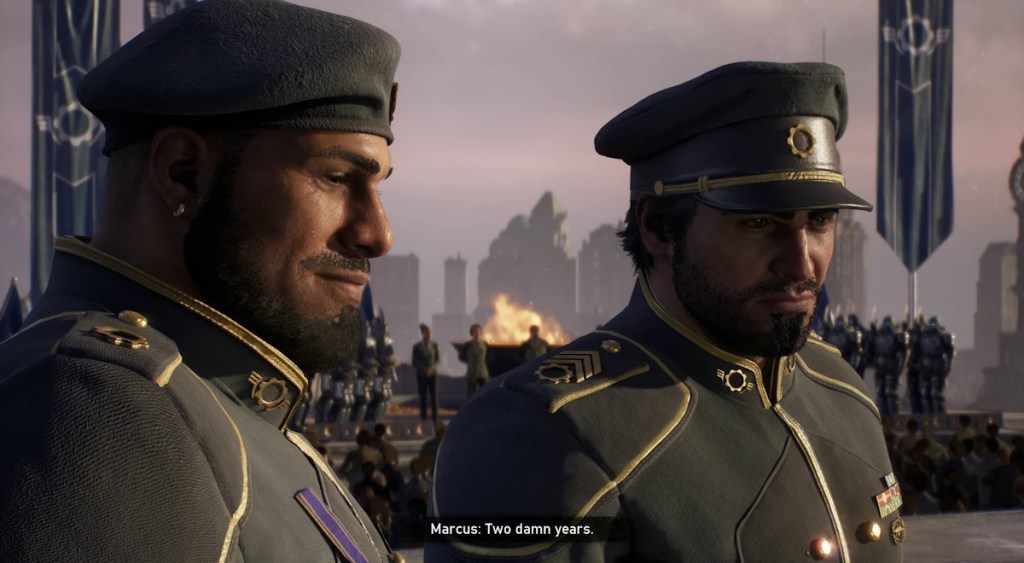
E-Day understands why Marcus, Dom, and their fellow soldiers still matter after all these years. I started wanting answers about Bravo Team’s origins, then finished caring about everyone building that legacy. That connection carries more weight for me than any visual achievement or flashy combat addition could.
I give the fierce yet warm return trip of Gears a 7 out of 10, closing my Gears of War E-Day review. It manages to give you strong combat, memorable squad dynamics, worthwhile exploration, and a convincing world under siege throughout. Better character development, cleaner gameplay choices, and stronger color grading could have made this return far more memorable.





 Ishan Adhikary