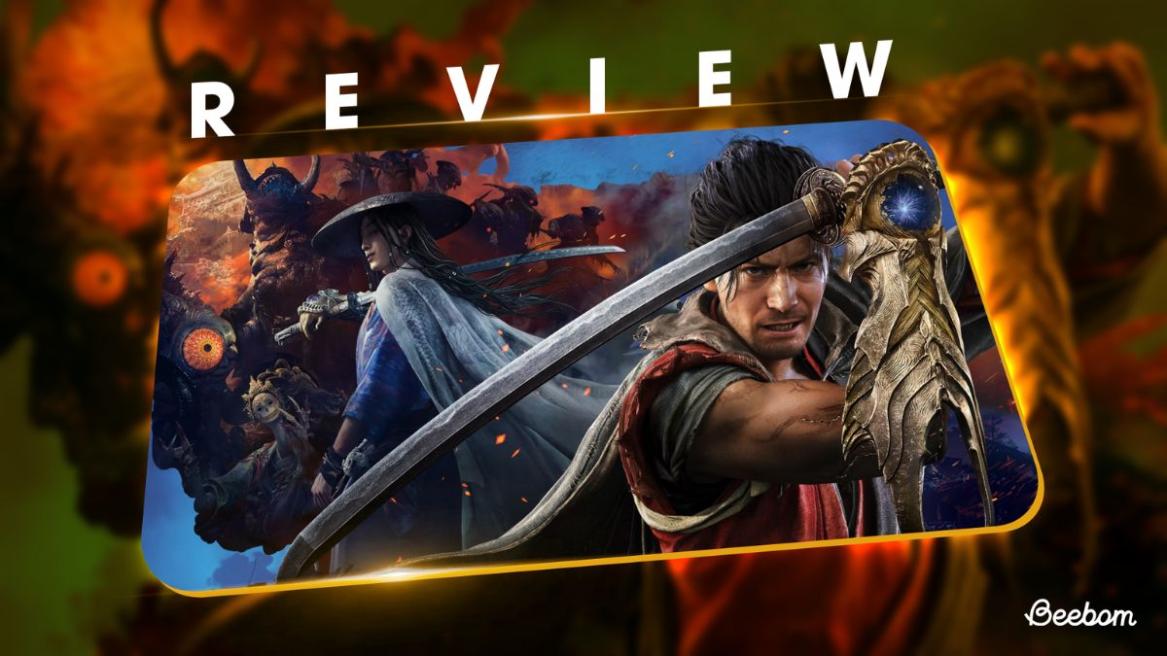
Beebom Score
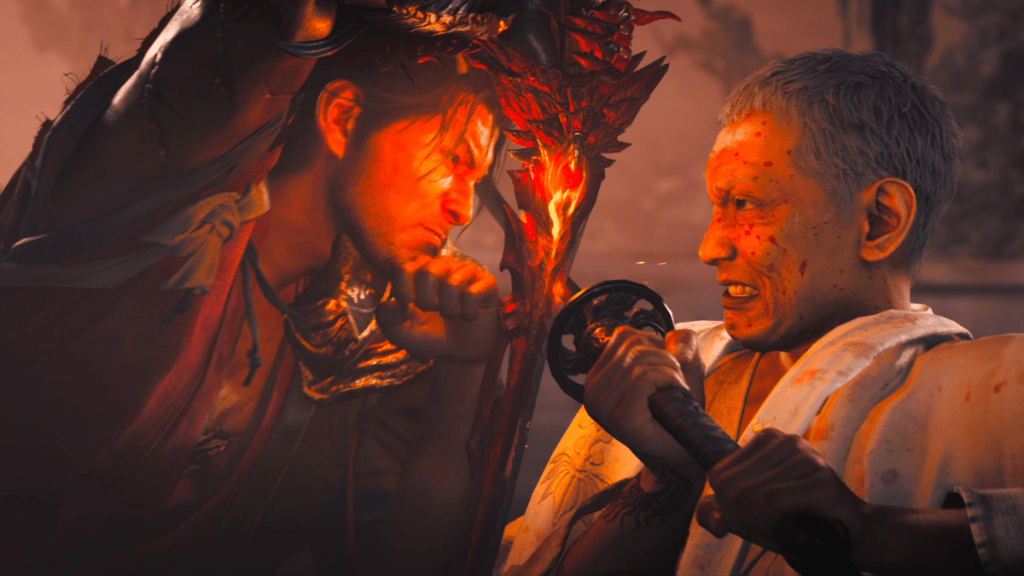
I’ll be honest: I’d never played an Onimusha game before. But when Capcom announced that Miyamoto Musashi would be the protagonist of the series’ comeback title, Onimusha: Way of the Sword, and that his face and personality would draw inspiration from Toshiro Mifune, I was instantly sold. I do have a soft spot for Akira Kurosawa’s films, so this felt like a no-brainer.
Intrigued, I played the Onimusha: Way of the Sword demo, which I thought was amazing, so I had a good idea of what to expect from the full release. Little did I know that Capcom would exceed expectations and this game would shoot up to my top games of the year. After spending the better half of the week exploring Kyoto, here’s my review of Onimusha: Way of the Sword.
Miyamoto Musashi, the Charming Swordsman You Are
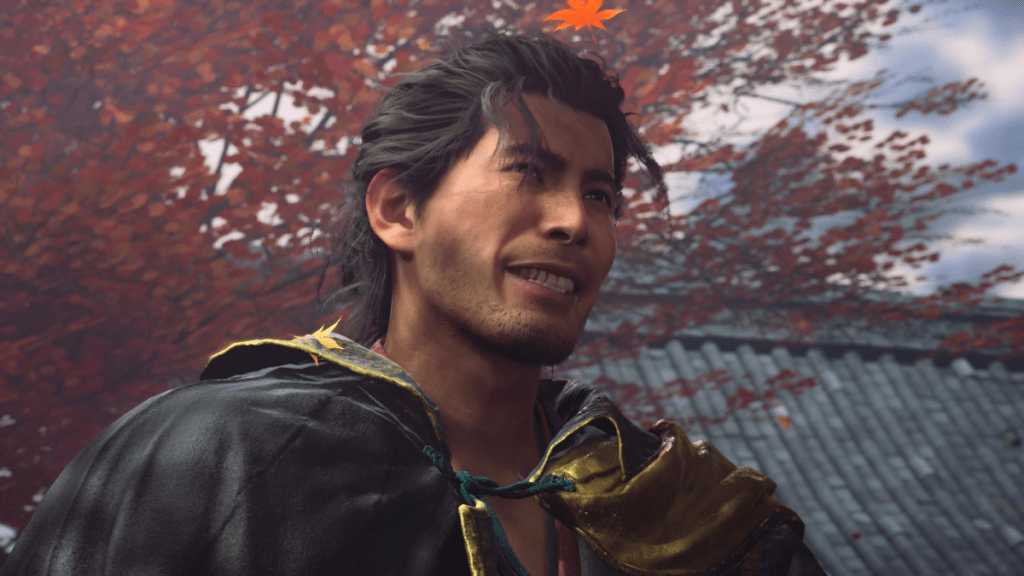
Here’s a hot take: Miyamoto Musashi is Capcom’s best protagonist in 2026. I liked Hugh in Pragmata, adored Leon and Grace in Resident Evil Requiem, but Capcom knocked it out of the park with their depiction of the real-life Japanese swordsman. A huge part of why he worked so well for me was Kenichiro Thompson’s terrific performance as Musashi’s English VA.
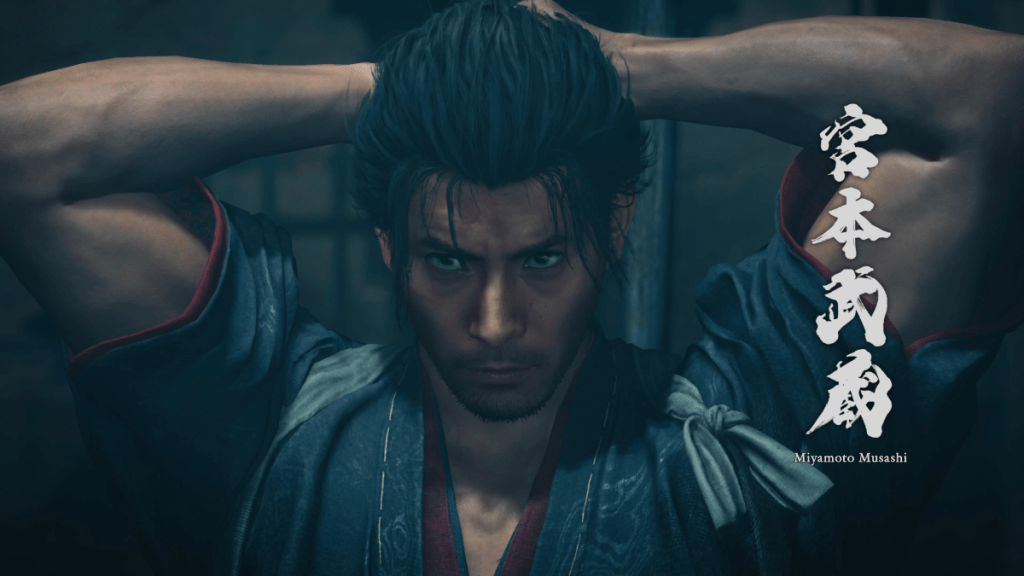
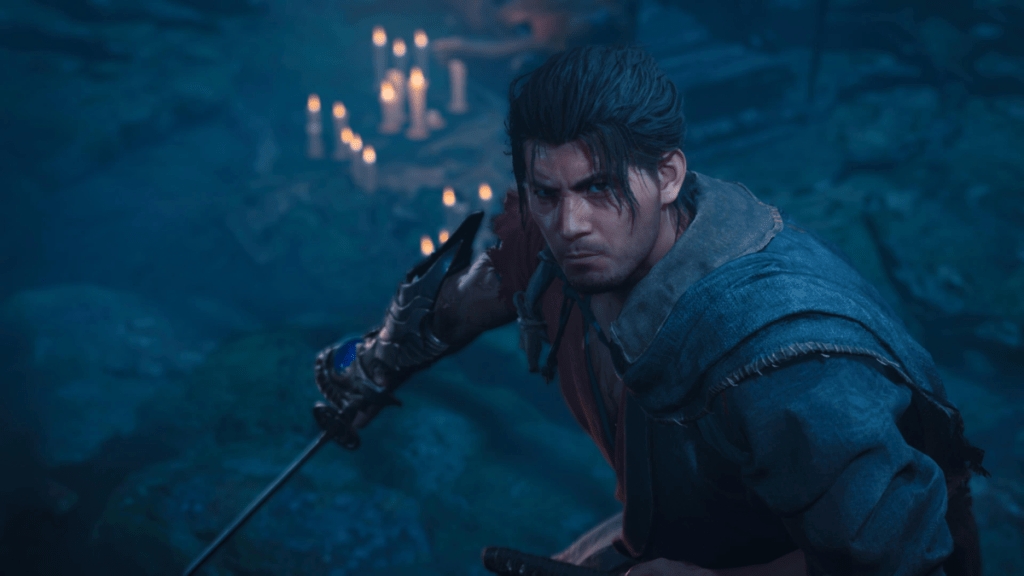
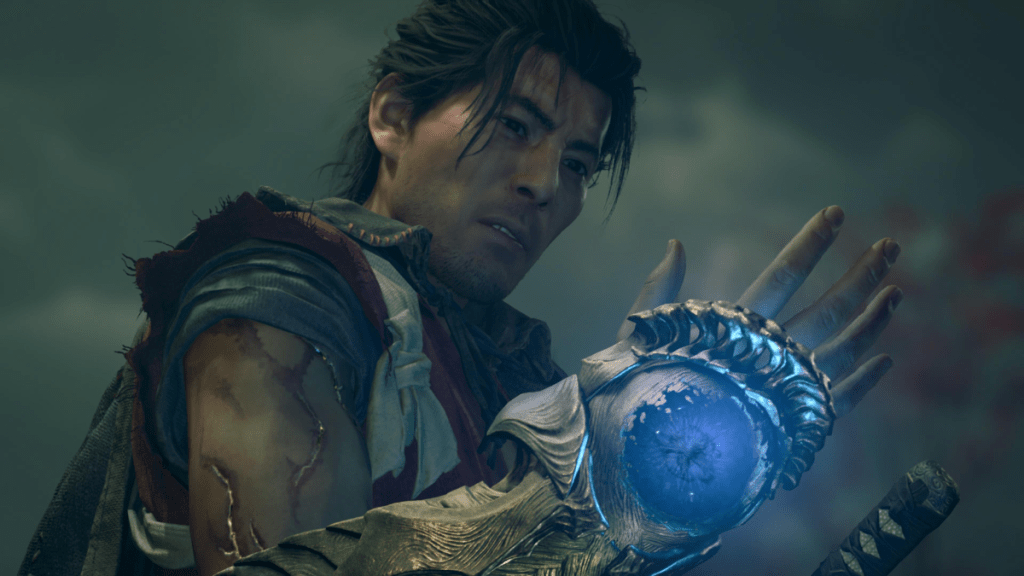
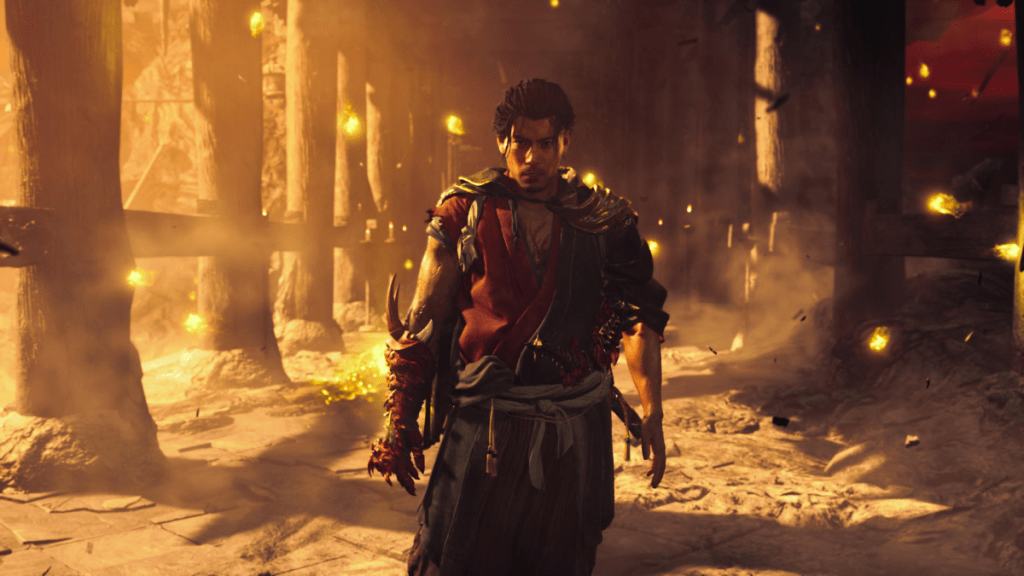
Kenichiro delivers Musashi’s corny one-liners exceptionally well while capturing the loneliness beneath his tough-guy persona. His performance wonderfully portrays a man reluctant to open up to others, yet still searching for purpose, making his character arc incredibly compelling throughout the narrative.
Way of the Sword begins with Musashi as a hot-headed, arrogant samurai who’s equally charming and hilarious, messing with the wrong townsfolk in Kyoto until a couple of Genma deliver the killing blow. This sets the game’s emotional plot in motion as Musashi sets out to remove the Oni Gauntlet forcefully bound to his arm, but instead gets roped into a Genma-decimating quest.
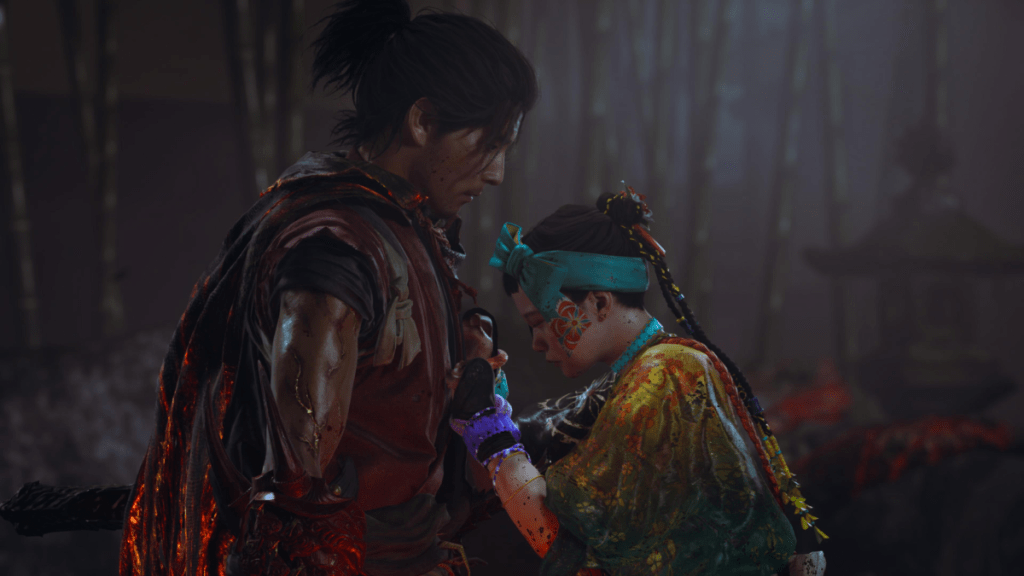
Musashi’s arc feels complete and satisfying thanks to the stellar supporting cast I grew fond of, particularly Okuni and Shizuka. Meanwhile, Takamura gives him a purpose (and good training!) as he learns to embrace the challenge of being an Onimusha instead of doing it just to boast or get rid of the Oni Gauntlet.
Capcom’s decision to use Toshiro Mifune’s also pays off beautifully, and paired with Kenichiro’s convincing performance as a tired yet masterful swordsman, Musashi quickly shot up to the top of my favorite video game characters this year.
Combat Got Better and Better Without Ever Feeling Repetitive
From the first cutscene, Onimusha: Way of the Sword makes one thing clear: Musashi is a master of the blade, and the combat delivers on that premise flawlessly. Despite having only one primary weapon, I never found the combat to be repetitive or boring.
In fact, I think it’s one of my favorite combat systems this year, besides 007 First Light. Well-timed blocks, parries, dodges, and deflects; one-handed and two-handed attacks; knowing when to use your Oni Armaments; and triggering Musashi’s demonic Oni form as a last resort worked in tandem, keeping the combat fresh in every encounter.
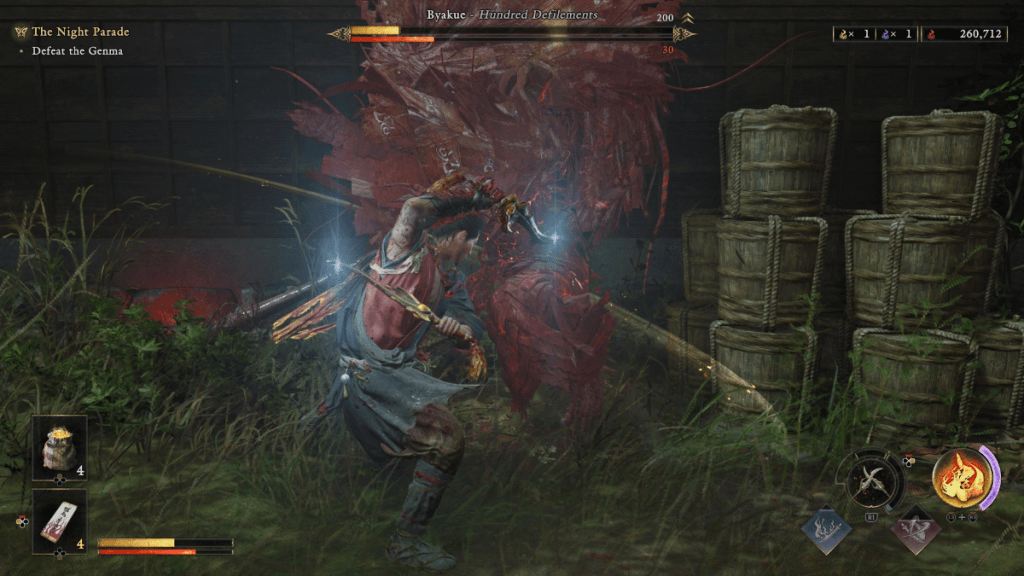
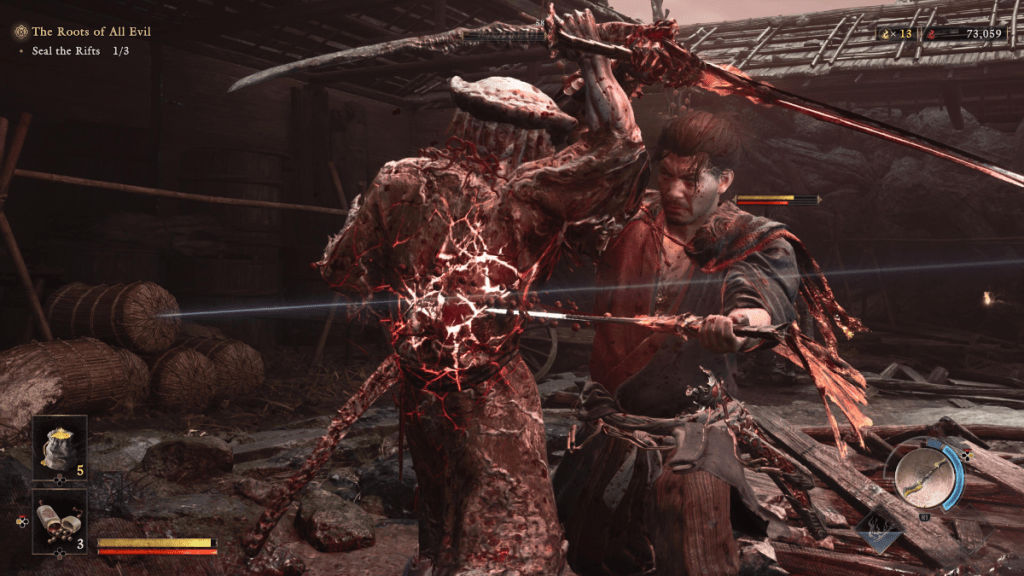
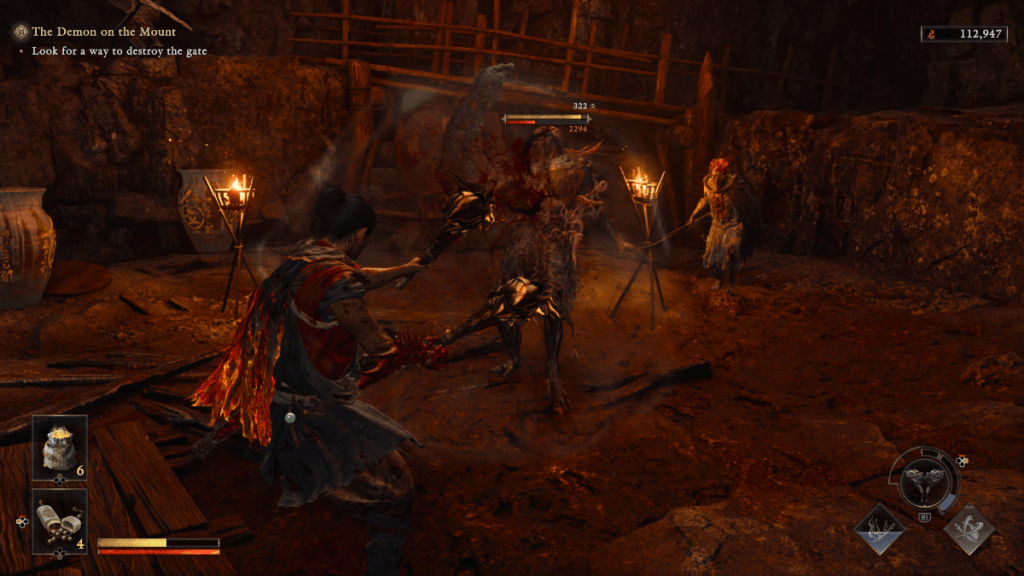
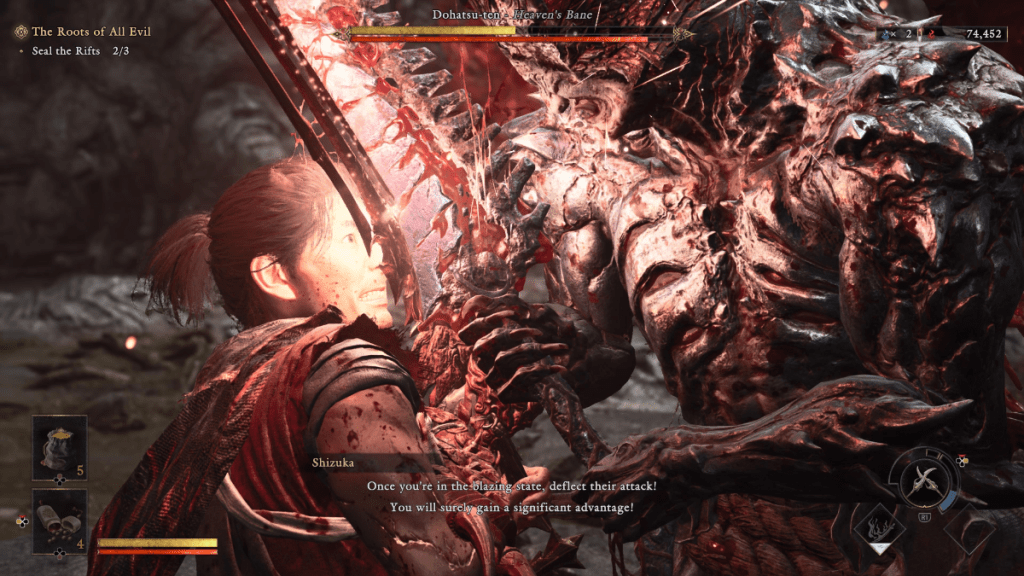
All bosses and mini-bosses will force you to rethink your strategy. Depending on the body part you target, you can either deal massive damage with a fatal blow or reclaim Oni souls to restore your health and special abilities. You can also lock weapons with the boss for a quick QTE (quick-time event) slash to deplete their Stamina bar.
Way of the Sword’s varied skill tree offers plenty of room for skill expression, letting you experiment with basic skills and the Oni Armaments, where the real weapon choice comes into play. My go-to armaments were The Two Celestials, which dealt decent damage while refunding health orbs, and the Wind-Whipper, which took care of multiple enemies with a single whirlwind slash.
For most of my playthrough, I ran errands across Kyoto and opened large black chests with the Gauntlet to quickly rack up Oni Stones and Power Stones and unlock new skills, since most of them proved genuinely useful. The Flat-Out Sprint skill came in handy, letting me breeze through Kyoto.
In combat, skills such as Oni Agility: Fall Recovery, Blazing State, and Deflect upgrades were a godsend during the boss fights. I also found the Charm Capacity upgrades immensely useful, especially since Way of the Sword offers a stacked list of Charms with plenty of worthwhile buffs to experiment with.
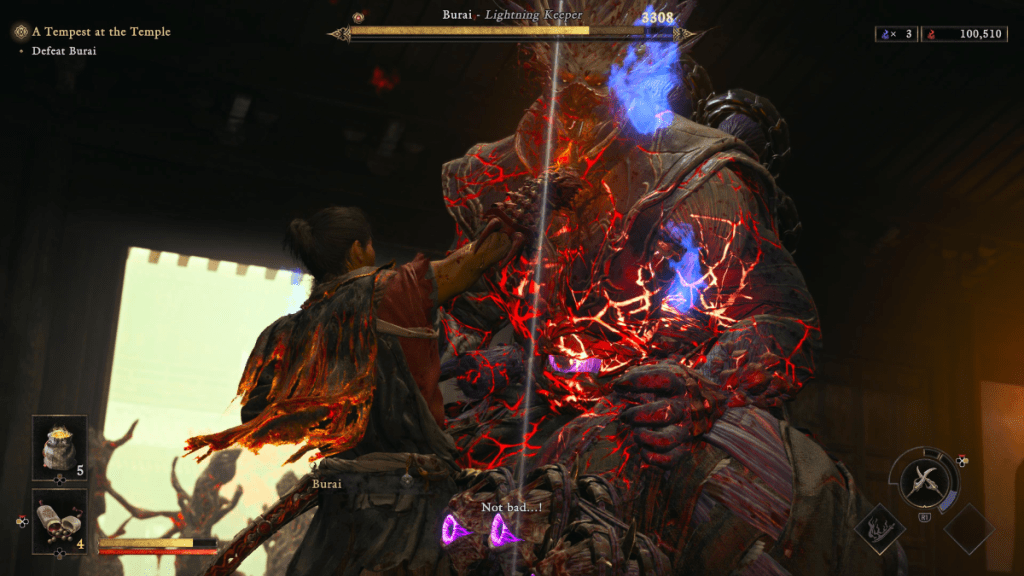
Additionally, I was a big fan of using the Issen counterattack to chip away at the enemy’s Stamina bar until they’re open for a deadly “Break Issen” finisher. I couldn’t win every fight with simply blocking, parrying, or deflecting, so mastering the Issen and chaining it was the way to go. Plus, it looks incredibly stylish.
Equipment enhancement felt a bit underwhelming because the piecemeal upgrades to your sword, clothing, and the Oni Gauntlet were pretty bare-bones. I could hardly see any difference in combat after upgrading my sword for the tenth time, save for the damage number increasing at the Spirit Mirrors.
But Way of the Sword’s extremely satisfying combat and diverse skills made it easy to look past the progression system’s shortcomings.
Brutal Yet Satisfying Bosses Stole Both the Show and My Patience
Onimusha: Way of the Sword’s bosses might have given me way more “You have fallen” screens than I’d like to admit, but the boss battles were a home run in character design and mechanics. Sure, fighting some of the mini-bosses, such as Dohatsu-ten and Byakue, over and over again while sealing Rifts got repetitive (more on that later).
But the fights remained exhilarating and came in all shapes and sizes. Ganryu, Dokyo, and Yoshitsune’s boss fights in particular were staggeringly good, despite how frustrating they got at times. Ganryu’s battles forced me to lean heavily on my parries and deflect skills, while Dokyo took a more zoner-like approach, bombarding me with projectiles from every direction and forcing me to close the gap.
However, there’s a major difficulty spike with Yoshitsune, who, by the way, has three phases. So, if you die in the third phase when he’s one-hit away from meeting his maker, you have to do it all over again. The final phase also changes the fight entirely, forcing me to rely on Musashi’s Oni Awakening to deal damage. So, it was a brilliant duel.
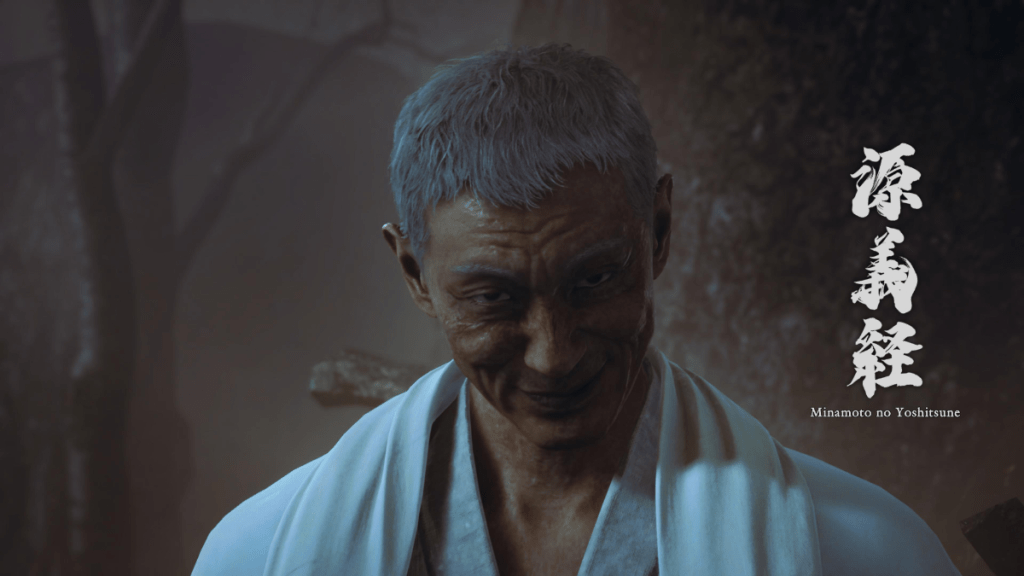
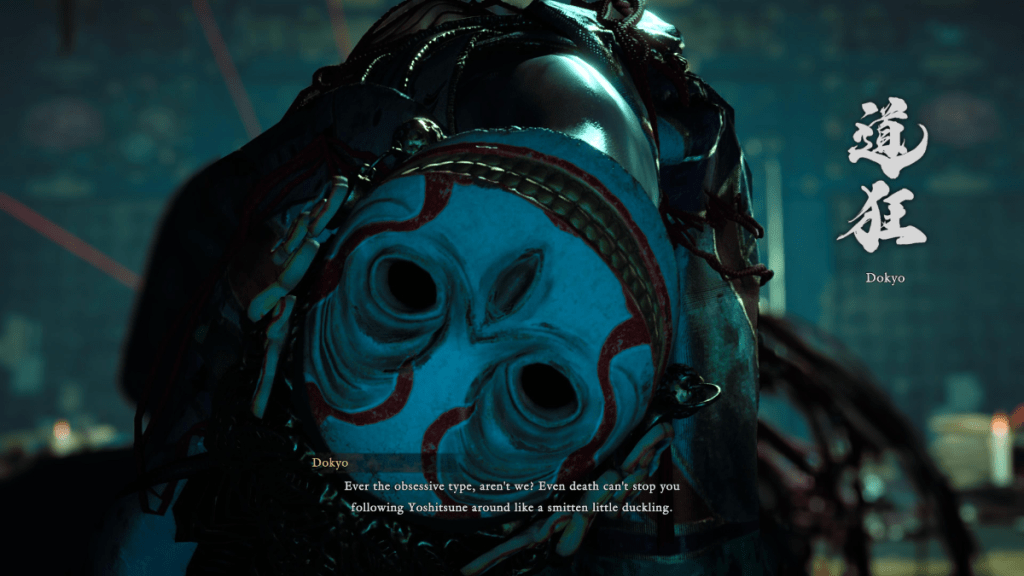
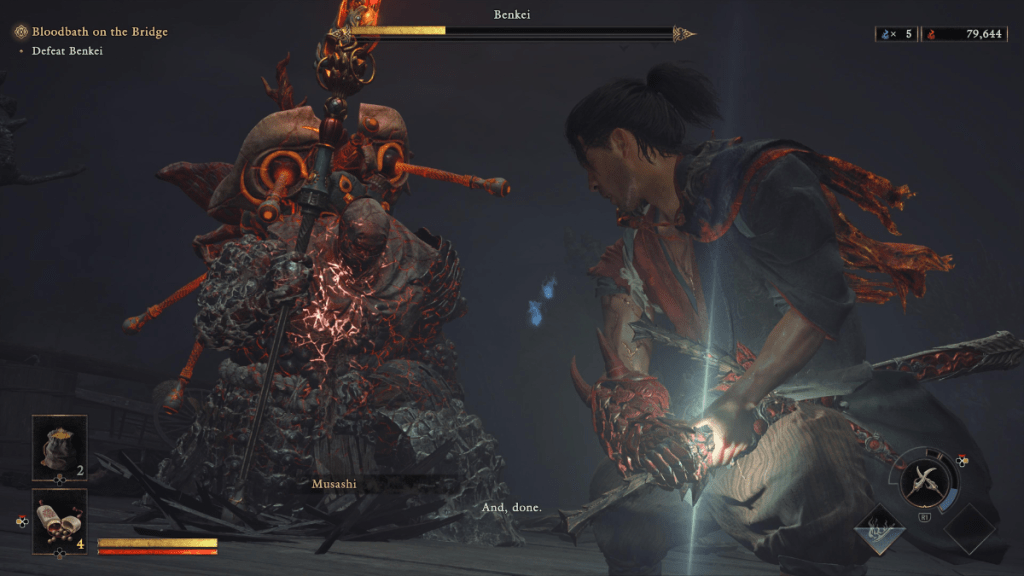
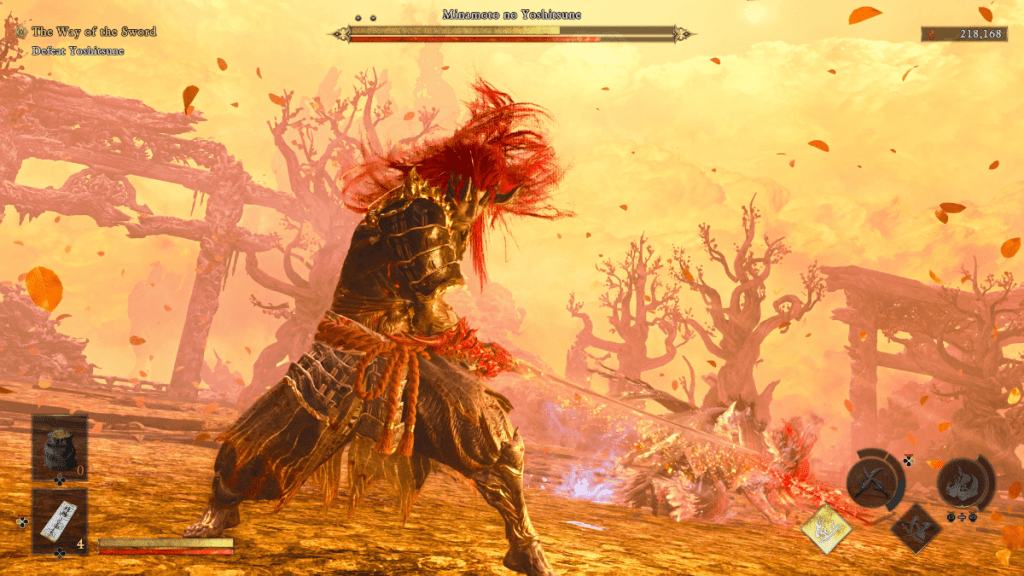
And that’s only the tip of the sharp iceberg of how good the bosses are in this game. Even on Way of the Sword’s ‘Story’ difficulty, the main bosses weren’t forgiving. Popping a Hozuki, the in-game healing item, after deflecting a deadly attack felt terrifying. One mistimed heal, and you’re back at the “You have fallen” screen.
Absorbing the Oni orbs via the Oni Gauntlet also made the bosses more challenging, as I had to find the correct openings to restore my special abilities. These challenges, the excellent boss designs, and engaging mechanics kept me coming back for more, no matter how badly they wiped the floor with me. With each boss, I learnt to love the challenge, which is pretty on brand for the game’s central theme.
Kyoto’s Semi-Open World Invited Exploration but Offers Little Else
Edo-period Kyoto in Onimusha: Way of the Sword is breathtaking, even with Malice and Genma lurking around. I’m a big fan of photo modes, and thankfully, Capcom included one here. So I often found myself stopping mid-journey to take it all in, and of course, use Photo Mode to capture the beauty of the RE Engine.
The main Eastern Kyoto hub is where you set up shop and take a break from the campaign’s level-based structure to explore. Exploration is moderately rewarding, as every corner hides secrets and black chests to find with your Oni Gauntlet, or glowing blue resources to pick up.
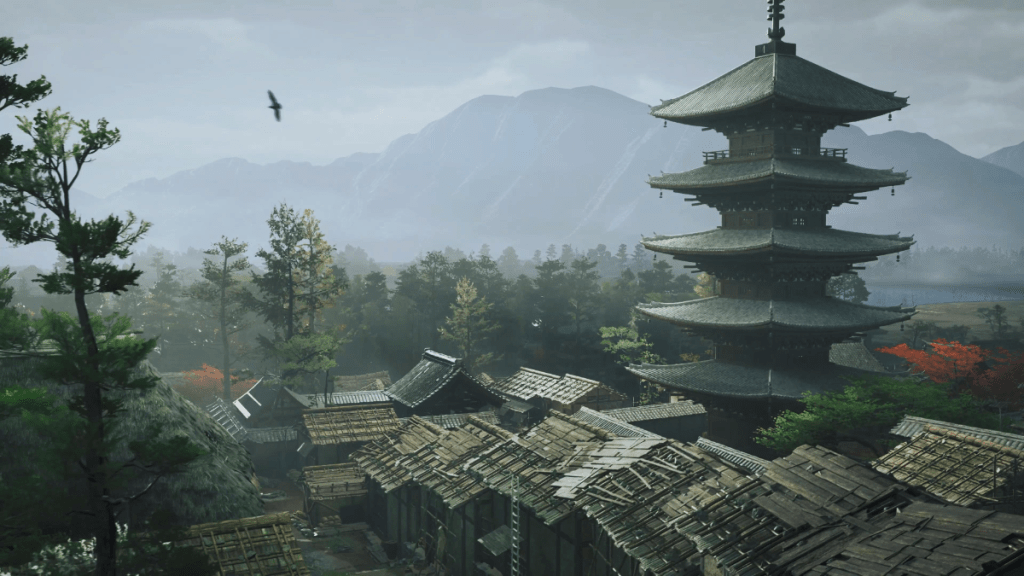
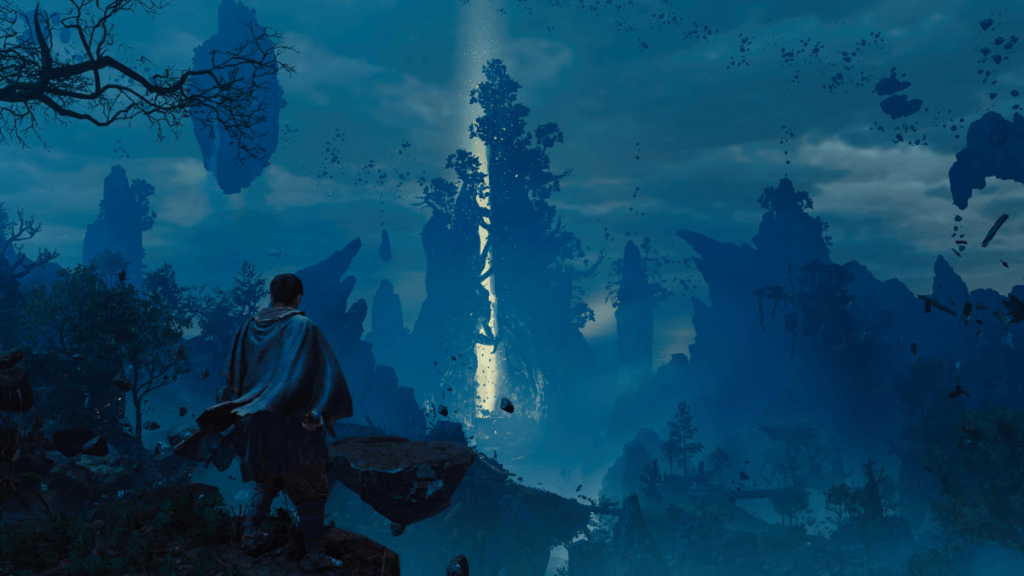
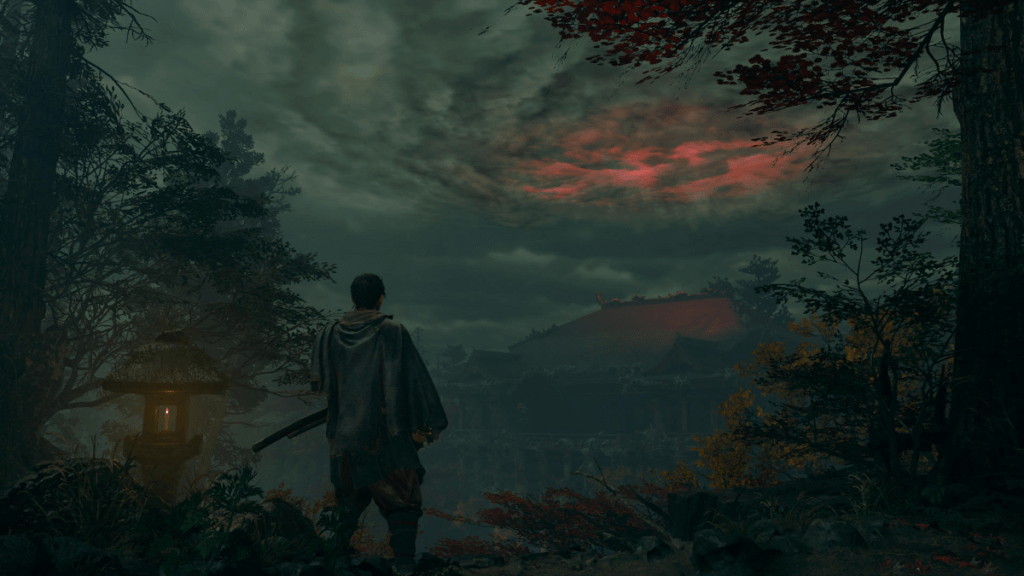
You can also explore previous mission locations via Spirit Mirror to find new Charms, resources, and more. However, getting around the open world felt slow at first, but once I got the Flat-Out Sprint skill, it was a breeze.
Enemies also respawn in all parts of Kyoto, so it’s not all just running around and picking up stuff. You can fight them or simply run past, but I’m very much a “leave no enemy alive” kind of guy, so you can probably guess how I handled these encounters. Fast travel is also incredibly quick once you unlock the Spirit Mirrors, so getting around Kyoto didn’t feel like a massive chore.
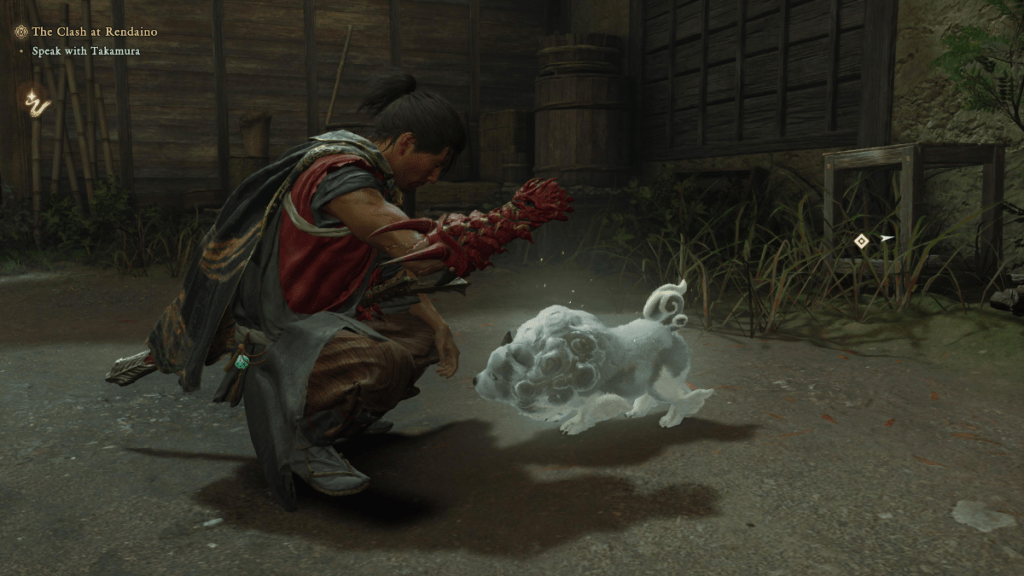
But I did find the central hub to be a bit lacking. Don’t get me wrong, I knew this wasn’t an open-world game. But beyond saving Lion Dogs, investigating Mysteries of Kyoto, and running errands for townsfolk, there’s little else to do.
The more Malice you purified, the more of Kyoto opened up for exploration. However, despite gaining access to new areas, the activities rarely changed, and I found myself wishing for more variety, better rewards, and more puzzles, like Way of the Sword’s Mask puzzle, but you can’t have it all.
For what it’s worth, I enjoyed running around Kyoto, finding new Oni Armaments, killing Genma and styling Musashi in fresh Japanese attire.
Too Many Rifts, Not Enough Reasons to Use the Bow
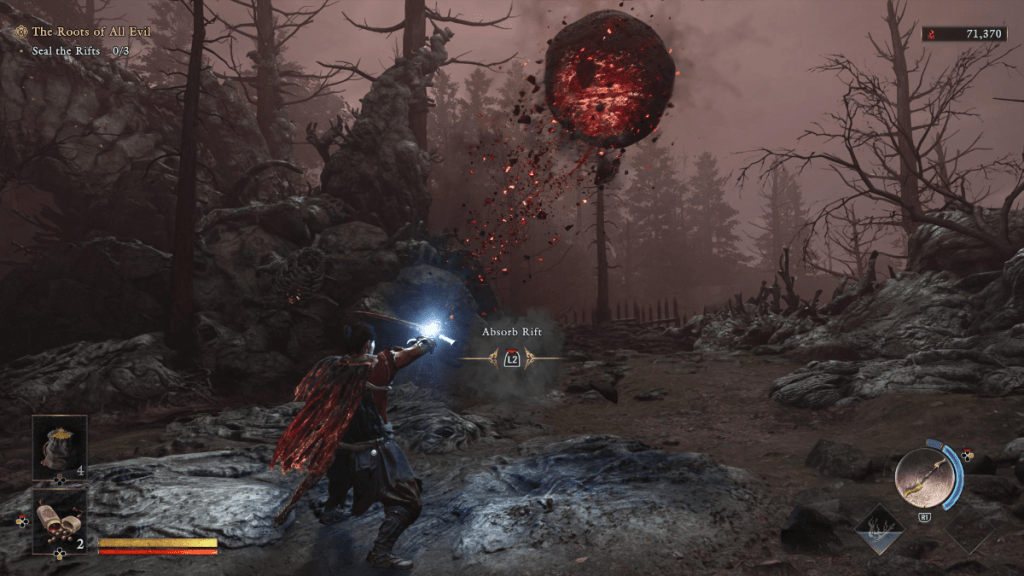
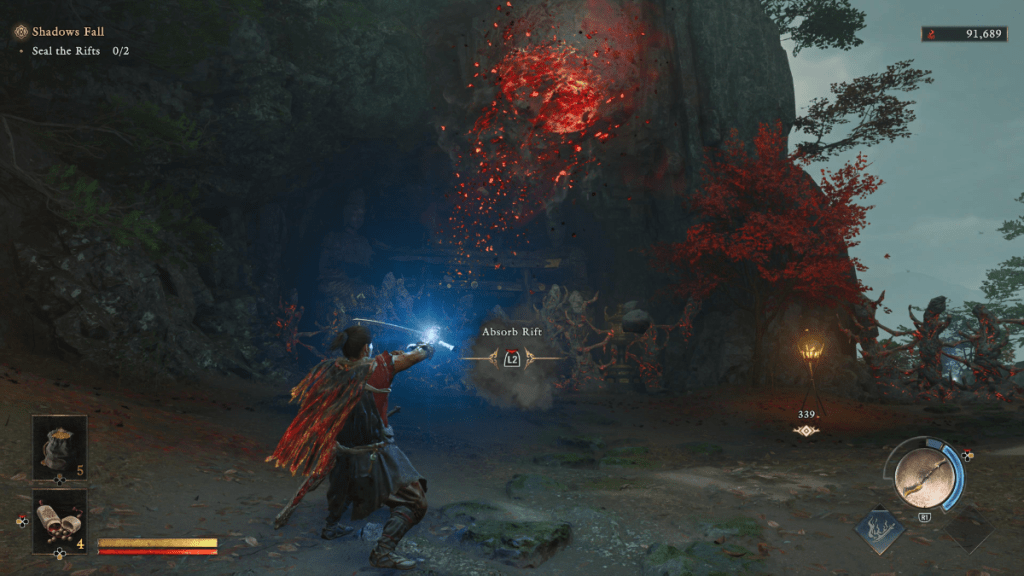
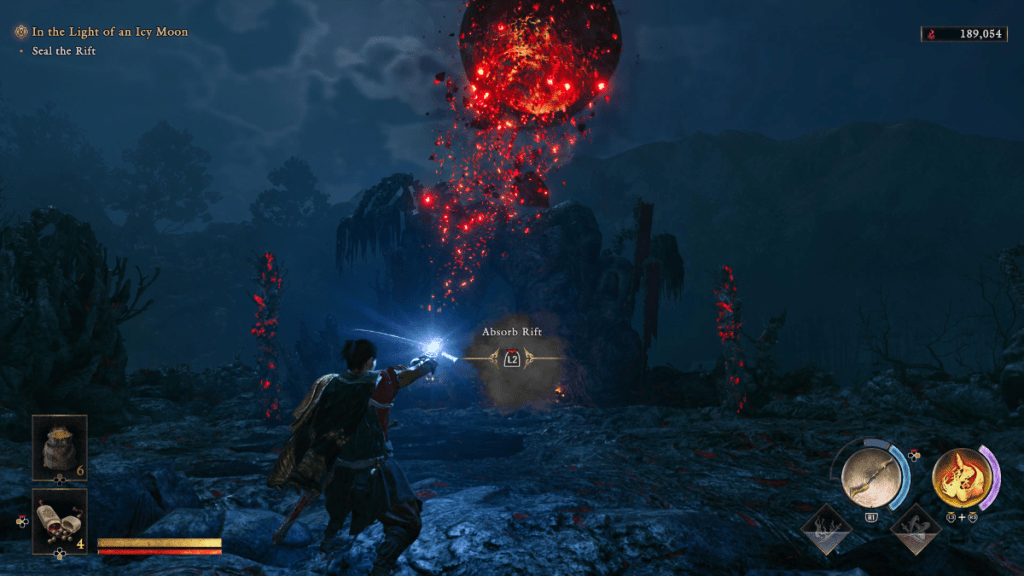
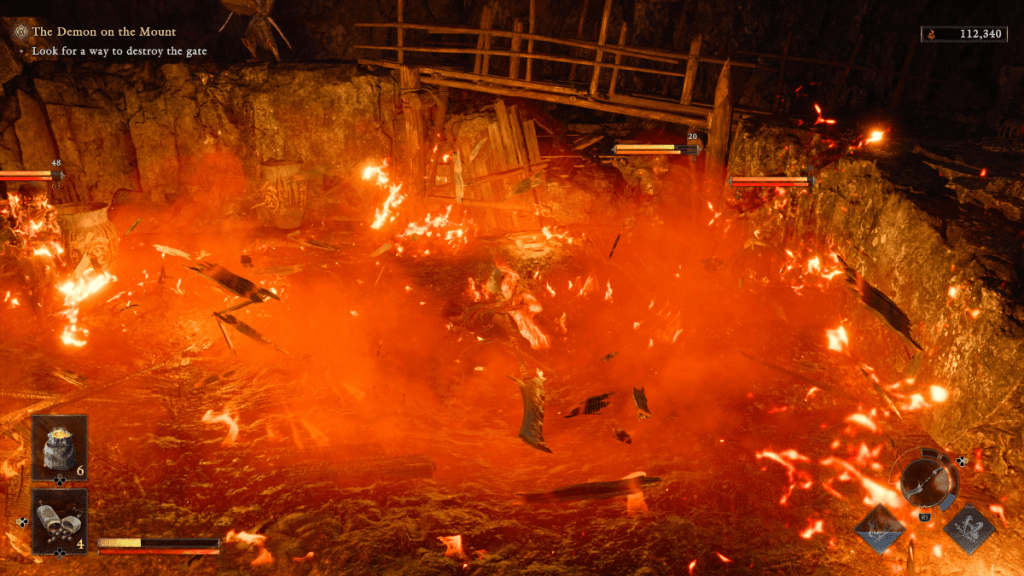
My biggest complaint with Onimusha: Way of the Sword is its overuse of Rifts. These Rifts basically infect an area with Malice and the Genma, and you need to purify it by destroying them. Approaching a Rift spawns multiple waves of enemies that you must defeat to purify the area.
I enjoyed my first Rift and thought I could get used to this. Boy was I wrong. By the time I was completing my sixth “Seal the Rift” objective, I was already dreading the next one. At one point, it felt like Capcom included these Rifts purposefully to pad the game’s runtime.
What made the Rifts worse is that they kept recycling two specific bosses, Dohatsu-ten and Byakue, with zero changes. Capcom even put Rifts in the final mission with the same two mini-bosses. The only difference in endgame Rifts is that you had to shoot them with your Oni Bow to stabilize them.
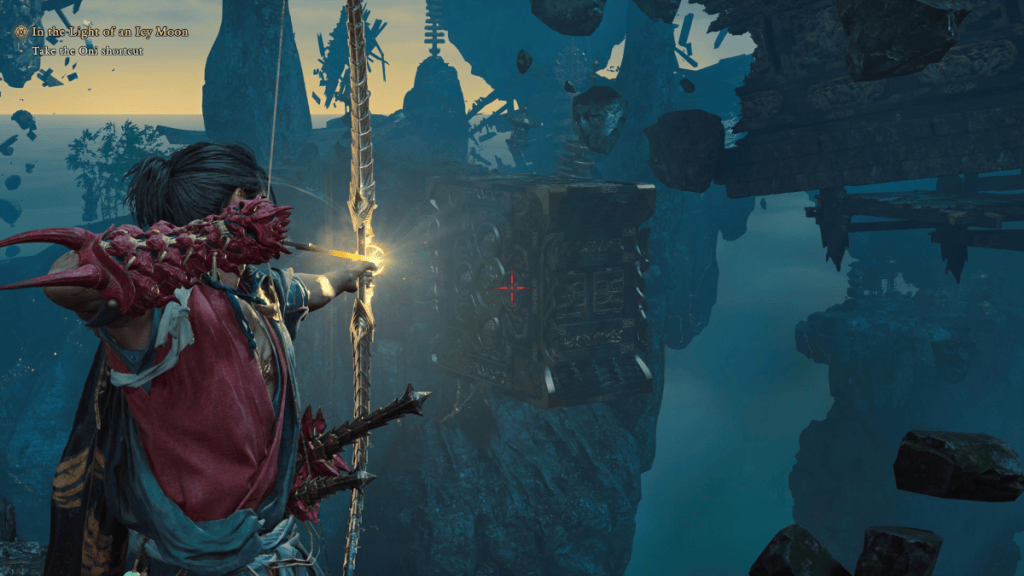
This brings me to another fault: it doesn’t use the Oni Bow as well as the sword or the Oni Armaments. Beyond solving puzzles in Oni Portals and defeating ranged Genmas, there’s barely anything else to do with the bow, which surprised me since it has a dedicated branch in the skill tree.
Performance: My Base PS5 Handled the Game Like a Seasoned Onimusha
I have always felt that Capcom’s RE Engine is the stuff of wonders ever since I played Resident Evil 7, and Onimusha: Way of the Sword is no exception. Playing on the base PS5 (disc edition) in ‘Prioritize Performance’ mode, I encountered a grand total of zero bugs, stutters, or frame drops. It held a steady 60fps throughout my playthrough, regardless of how demanding the action got.
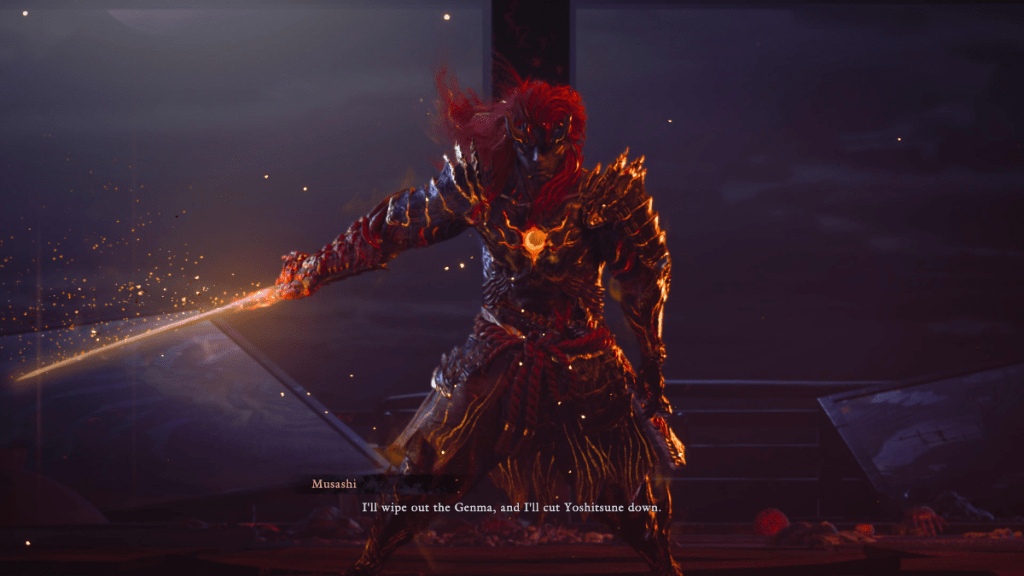
Even at 1080p, Way of the Sword looks remarkably sharp and visually impressive on my TV. I was really impressed by the near-flawless performance, and I say “near-flawless” since I faced a single crash in my 20 hours with the game, so it’s more of a nitpick. Fast-travelling using Spirit Mirrors to different areas took no longer than 3 seconds at most, thanks to the PS5’s SSD.
I’ll admit the fast load times were one of the reasons Onimusha: Way of the Sword’s Kyoto felt good to explore, even with the repetitive content. There’s almost no downtime when travelling from one place to another via Spirit Mirrors or retrying boss fights. You’re back in the fight as soon as you press X on your controller.
The game never made my PS5 run particularly hot either, so I could comfortably play for eight or nine hours straight without worrying about making my console cry. Way of the Sword’s performance is yet another testament to the RE Engine, showcasing just how capable and well-optimized Capcom’s technology is.
Verdict: Capcom’s Samurai Adventure Gets Nearly Everything Right
Capcom’s return to the Onimusha series after 20 years with Way of the Sword is worth the wait and hits nearly all the right notes. The game delivers a memorable story with a lot of heart, brutally satisfying combat that never feels repetitive, and stunning visuals that hold up remarkably well on the base PS5.
Kyoto’s limited interactivity, reused mini-bosses and Rifts, and the underutilized Oni Bow do hold Way of the Sword back in places. Even then, it stands among the year’s strongest releases, which is truly no small feat considering Capcom has already delivered RE9 Requiem and Pragmata back-to-back. Fortunately, Way of the Sword continues that impressive run.
If you’ve never played an Onimusha before, like me, this game is the perfect place to start. Its open world offers mostly familiar side activities, some of which fall short. But there’s enough variety and depth in the main missions, and particularly the combat, to make the experience worth revisiting, especially on a New Game+ playthrough, which unlocks right after you’re done with the game.

 Sanmay Chakrabarti







 Ishan Adhikary