Beebom Score
I don’t think it’s a hot take to say that Bungie is one of the most beloved and respected studios out there. The studio is responsible for shooter games that have redefined the genre multiple times, whether with their setting or extremely fun gameplay. Now, after a long and grueling wait and a brief taste with the Server Slam, I can confidently say Marathon is yet another wild swing from Bungie and is, without a doubt, one of the most confident and polarising things I’ve seen in recent years.
Everyone knows Marathon has had a tumultuous development cycle. Even after opening up an Alpha Test back in 2024, the game was delayed indefinitely after accusations of plagiarism took over any mention of Bungie’s Marathon. But now, the game’s finally here. So was it worth the wait? Here is my in-depth review of Bungie’s Marathon.
Tau Ceti IV Is Beautiful, Empty… and Absolutely Not Safe

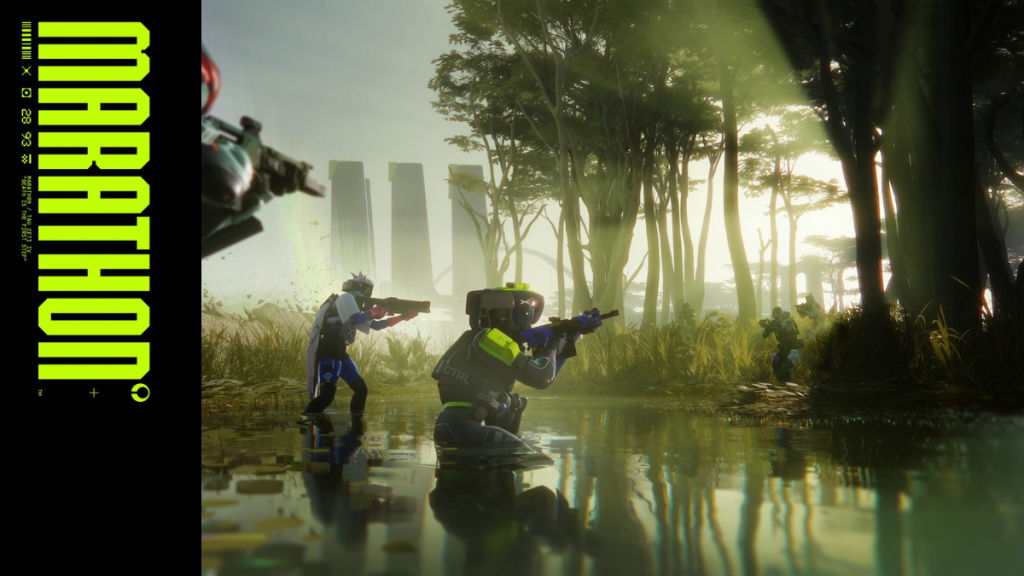
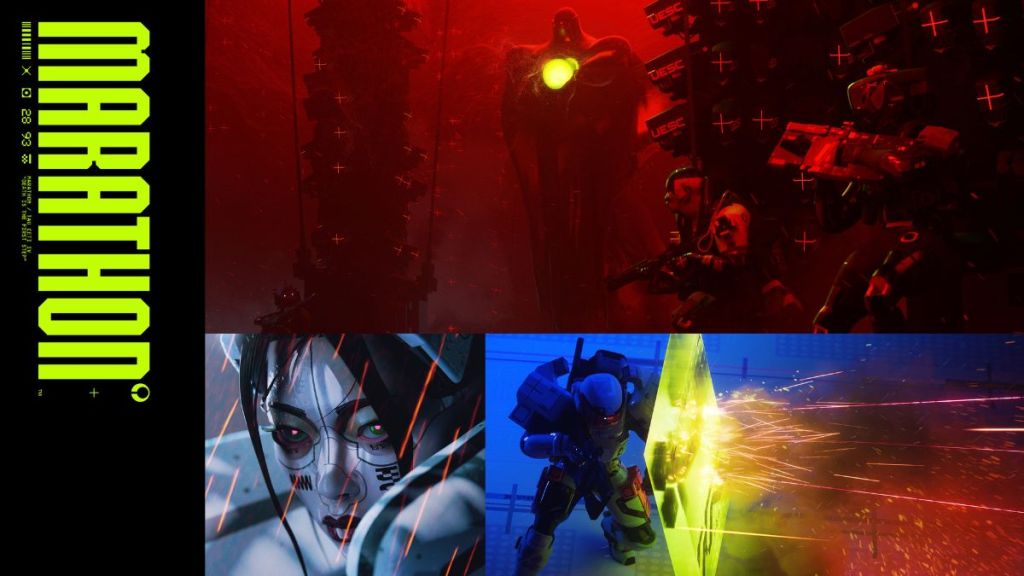
The first thing that hit me when playing the introductory mission in Marathon wasn’t the tight gunplay, but rather the game’s beautiful and wholly unique setting. Hearing the words “You’re going to die here” not even five minutes into the game just proved to me that I was in for a treat. This is the game’s biggest strength, in my opinion, as the haunting yet vibrant visuals of Tau Ceti IV give it such a standout personality. I love how Bungie has maintained their sci-fi roots over to Marathon while presenting something that clearly sets itself leagues apart when it comes to the game’s unsettling atmosphere.
This is the game’s biggest strength, in my opinion, as the haunting yet vibrant visuals of Tau Ceti IV give it such a standout personality.
The bright colors feel violent, the shadows are near obsidian, and the character designs, despite being absolutely jaw-dropping across the board, haunt me to a certain extent. Knowing there are human souls housed inside these robotic Runners makes it feel wrong, especially with how characters are presented from the moment you launch into the introductory mission.
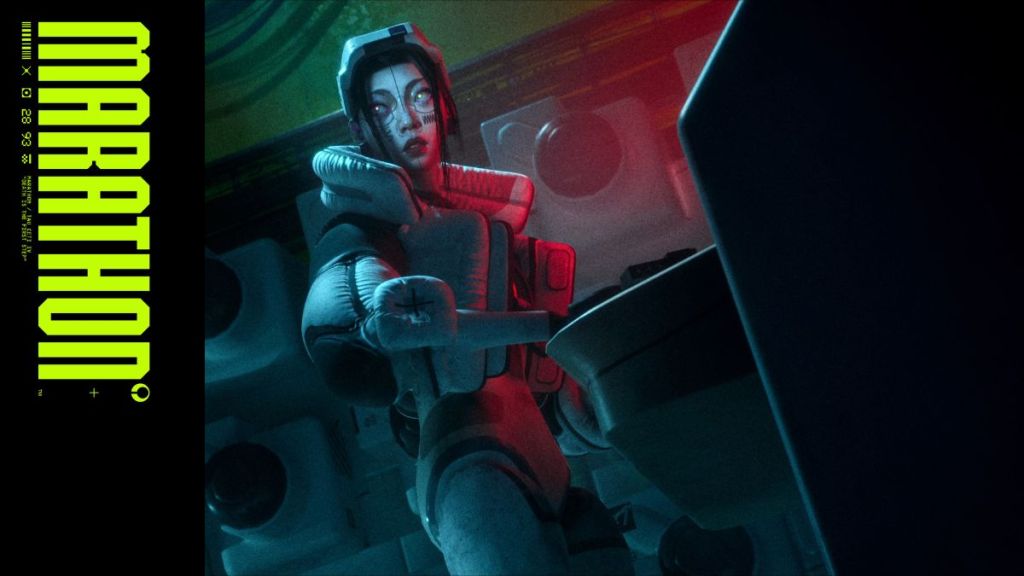
Each Runner in Marathon is visually perfect, whether it be the clearly Mjolnir-inspired look of the Destroyer Runner Shell or the gothic cybernetic warrior look of the Thief Shell. Despite being robotic shells, the characters look and feel human. But these Runners, despite their horrifying lore implications, are what make Marathon’s gameplay different from other extraction shooters.
Marathon’s Lore Runs Deep & This Reboot Doesn’t Drop the Baton
The original Marathon series is considered one of the pioneers of video game storytelling, with the game’s unique world and plethora of characters being just as important for the Marathon series as its stellar gameplay. If there were any doubts that Bungie couldn’t recapture the lightning-in-a-bottle mystery of their 1994 roots, let me put that to rest because Marathon’s lore is absolutely phenomenal.
The narrative doesn’t feel run-of-the-mill, like you expect from most online shooters. Instead, it heavily leans into the unsettling vibe I mentioned earlier. You are not just a soldier, but rather a Runner, a synthetic vessel for human consciousness, fighting against an enemy that we do not clearly understand. Interacting with all of the different Marathon factions, with each coming with its own unique visual aesthetics, whether it be the rebellious MIDA or industrial Traxus. Each faction feels like a living organism, directing your gameplay through their contracts.
Build Crafters Are Going to Lose Hours Inside Runner Shell Menus
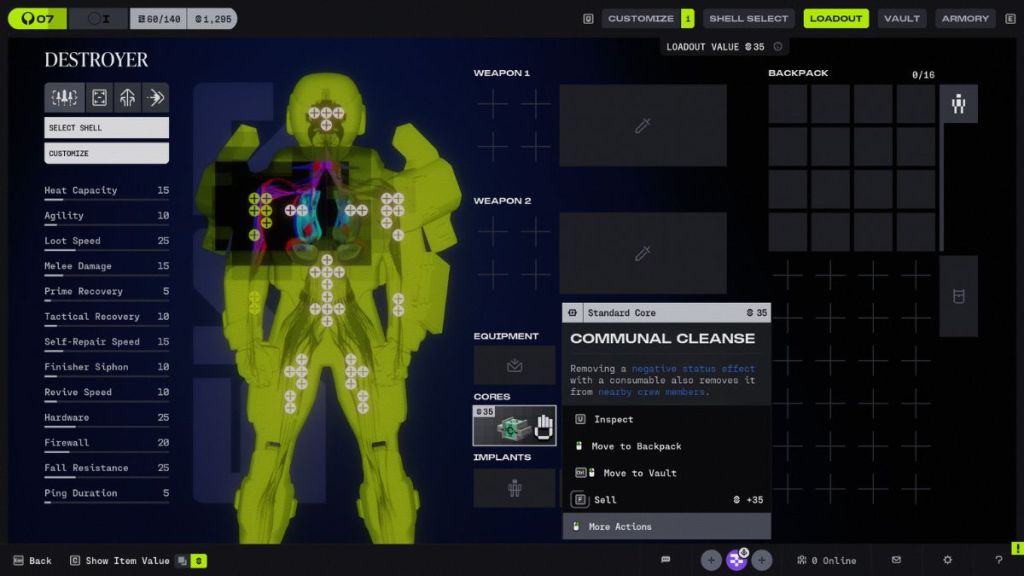
Runner Shells in Marathon are more than just cool character designs to choose from, as they dictate your entire playstyle when looting around Tau Ceti IV. This just opens up so many possibilities for me, because I didn’t feel the need to get stuck with one particular way of playing. I usually like to get up and close when engaging in firefights, so Destroyer was my go-to choice. But the other Shells felt equally viable and worthy of my time, too, with Vandal being another standout character for me.
What I really noticed special about the game’s approach to its class system is the Marathon Cores and Implants, which have the potential to completely alter your Shell’s personality and abilities. For example, I have been running the Knife Fight Implant lately, which gives my melee attacks a boost while also reducing the fall damage I take. While this might not sound significant on paper, trust me, these small benefits matter and can completely change how you navigate Tau Ceti IV.
Some of these Cores are specific to certain Runner Shells, and that does take away from the true chaos I can imagine with a system like this. But I get it, the chaos that I think would spice up the game even more would be a logistical nightmare for the developers at Bungie to deal with.
The UI Is a Stylish Clusterf*** That Grows on You
Listen, I’m a big fontslop defender, and I think that the overly complicated UI adds a lot of personality to the game. However, I would be lying if I said I didn’t wish the UI were also a lot more functional, along with being visually stimulating. In a quest for a diagetic and hyper-stylized look, I feel like Bungie has sacrificed clarity.

I’m constantly finding myself navigating all of the menus within menus, to the point that even navigating my own inventory becomes a challenge in itself. Ultimately, the UI feels like a tax on my attention and an assault on the senses. While I have gotten used to the UI while playing the game on repeat, I cannot underestimate how much of a headache the first few days with Marathon were.
Does It Have “That Bungie Feel”? The Answer is Hiding Behind the Tight Gunplay
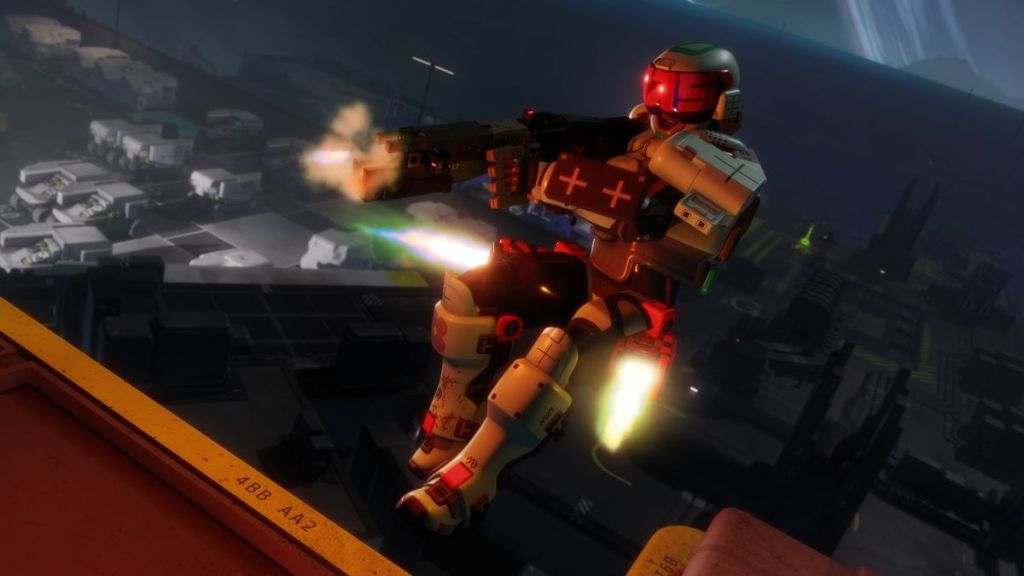
The Bungie feel is a term that gets thrown around a lot when it comes to FPS circles. I, along with many FPS veterans, have grown up with Bungie’s attention to detail when it comes to their gunplay in titles like Halo and Destiny. To no surprise, Marathon keeps this streak going and proves that the Bungie feel is much more than just a marketing phrase.
The gunplay in Marathon feels remarkably tight to me, and it shows how much care has gone into the minute details of handling the weapons when navigating Tau Ceti IV. Every weapon screams so much personality to me, not just by their unique designs, but also their performances with recoil and reticle friction.
When I’m using a sidearm like the Magnum MC pistol, the weapon’s kick feels sharp and almost immediately resets to the centre, just fast enough for me to pace my shots and not shoot in the dark like a madman during close quarters combat. But if I end up finding a heavier weapon like the Conquest LMG, I feel nothing short of a cybernetic Rambo as the game does not shy away from proving that, when it comes to guns, size does matter.
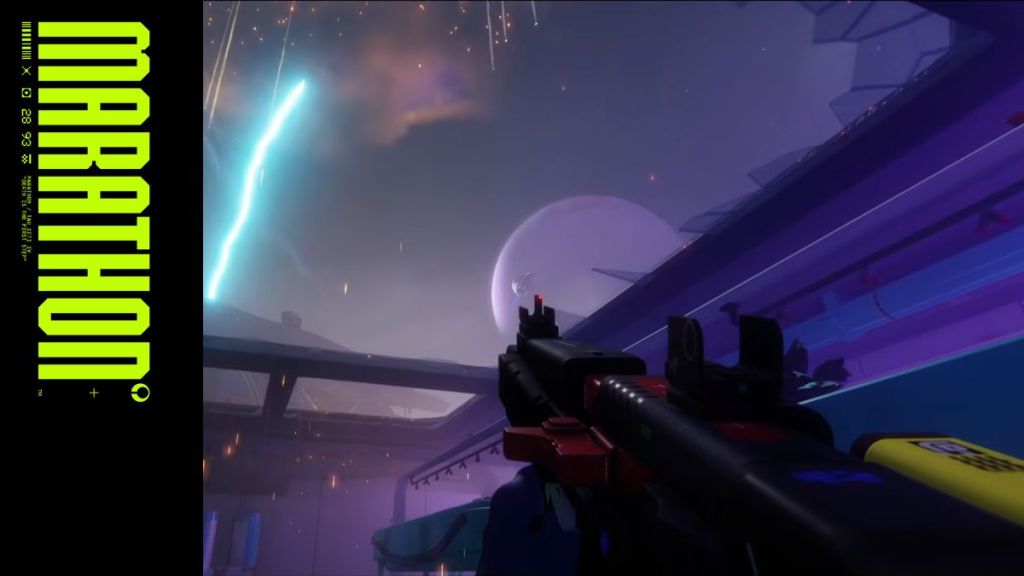
Every shot feels incredibly weighty, and this is thanks to the crisp sound design and visual indicators like hit markers. When I’m able to land shots on a rival Runner’s Shell, I’m rewarded with satisfying sounds of metal clashing together and a shower of sparks, which provides instant confirmation of my impact. This removes the frustrating guesswork that a lot of extraction shooters face, and I never found myself wondering if my bullets actually registered, because I could see and hear the havoc I was causing in real time.
Every weapon screams so much personality to me, not just by their unique designs, but also their performances with recoil and reticle friction.
This not only makes for some of the most satisfying gunfights out there, but it also adds a layer of technical stability that ensures integrity during matches. The 60 Hz tick rate is easily Marathon’s most underrated feature and is a godsend for a game this fast. Extraction shooter is a genre where, if you miss a single frame, you can say goodbye to that backpack filled with Cores and prestige weapons, and this is where the flawless responsiveness of the game’s server shines the best.
Every time I win a high-stakes duel, I know it’s because my flick was faster or my tracking was more consistent than my enemy, and not because of a server hiccup or a “ghost” bullet. It’s this incredible sense of fairness that keeps me coming back to the game. Even when I’m frustrated by certain mechanics that I will get into later on in the review, the sheer mechanical polish I witness during a firefight is enough to remind me why Bungie is considered the king of the first-person perspective by many.
The Cryo Archive Kicks Your A$$ and Then Asks for More
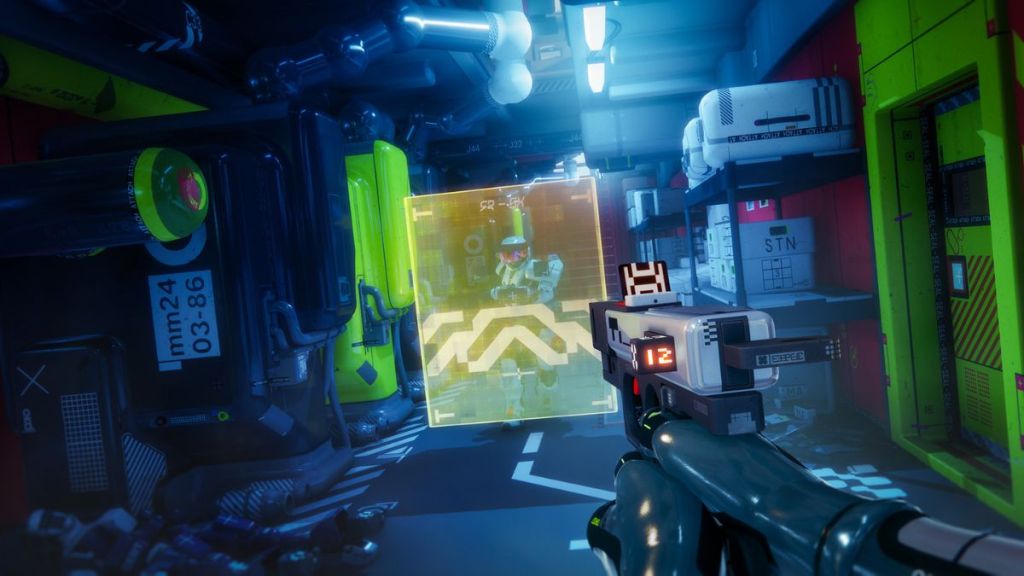
I have to be honest: the Cryo Archive is definitely the most standout map in Marathon’s entire collection. This zone, set on the titular UESC Marathon ship, is everything I want from a Bungie extraction shooter endgame map, thanks to its raid-lite structure. Starting out on the Cryo Archive map, I felt like I was thrown into a digital crypt, where something was just waiting to take me out around every other corner.
Unlike the other maps in Marathon that can feel kinda sparse at times, the Cryo Archive is a massive, multi-tiered facility. You need a certain level of coordination and environmental puzzle-solving that feels more at home in MMO raids. Being on the titular UESC Marathon ship after it was abandoned made me feel giddy before I realised how much of a challenge the map was about to present. I ran into Marathon enemies and mini-bosses frequently, and the tight corridors of the map make it so that every fight feels necessary.
Finding and unlocking the multiple vaults for some of the best loot in Marathon is easily one of the best feelings, especially since I had to grind my Runner level to 25 before I could even get into the Cryo Archive. But running into a Compiler is easily where the Cryo Archive peaks for me. Presenting itself as more of an RPG boss than a shooter one, the Compiler put my team and me through our toughest trial yet, as we had to not only keep our focus on the Compiler and its orbs but also navigate the different terminals we had to activate to claim our loot. It’s just a claustrophobic experience that highlights everything Marathon does so well.
I will say, though, that the weekend-only model for the Cryo Archive map feels like a double-edged sword. While it does add another layer of exclusivity to a map that is already only available to dedicated players, I feel like it establishes a level of artificial difficulty, as players cannot map out the Cryo Archive unless they are playing on the weekends.
The Heat System Feels Like a Punishment Loop in Disguise
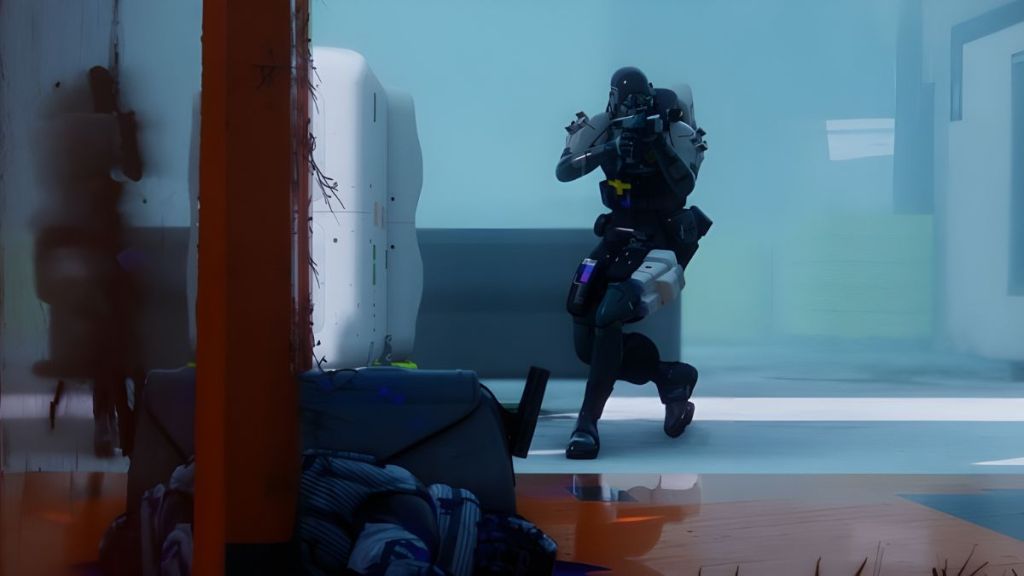
Possibly my biggest gripe with an otherwise stellar combat loop is the Heat system in Marathon. On paper, it feels like a brilliant tie-in to the lore, as I play as a high-performance machine, and, understandably, excessive use will cause my systems to heat up. However, in practice, it feels like a chokehold on the fun. The Heat system acts like a “reverse stamina” bar, and sprinting, sliding, and using abilities all contribute to this meter.
Once I hit my maximum Heat capacity, I just pray that there are no enemies around because I’m left completely vulnerable for a good few seconds. Not only that, the increased heat makes me more prominent in any thermal scopes, exposing me even more. I get that Bungie intended this mechanic to force tactical play and prevent brainless movement that plagues other shooters, but it feels too limiting right now. A lot of the time, I find myself outflanking an enemy squad, only to realize I can’t capitalise on it because my Shell needs time to cool down.
I get that Bungie intended this mechanic to force tactical play and prevent brainless movement that plagues other shooters, but it feels too limiting right now.
There is nothing more demoralizing than losing a firefight not because I missed my shots, but because I dared to jump and shoot at the same time. The cooldown period is effectively a self-imposed stun, and in a game with such tight gunplay, having that flow constantly interrupted by a thermometer is exhausting.
Mandatory Wipes Feel Like a Relic That Should’ve Stayed Buried
When Bungie announced that they would be turning one of the most beloved story-based games into a live service extraction shooter, it definitely raised some eyebrows among players. But I’m happy to say, Marathon rarely gets hindered by the usual modern-day live service games. Following a seasonal structure, Marathon Season 1 introduced the Rewards Pass, a version of the usual Battle Pass feature. While Battle Passes in a lot of live service games like Fortnite bank on FOMO to keep players buying their Passes, Marathon takes a different approach, and will keep all previous Battle Passes active even after their respective seasons end, which is a huge relief for players like me.
As fun as Marathon is, not every casual player out there has time to grind through the Rewards Pass before a season ends. So, keeping old Pass rewards active is a great feature that prioritises players rather than manufactured exclusivity. However, while the Rewards Pass approach is very helpful, Marathon follows the usual mandatory wipe system, with all players going through wipes every 3 months.
While the Rewards Pass approach is very helpful, Marathon follows the usual mandatory wipe system, with all players going through wipes every 3 months.
While mandatory wipes have been a part of extraction shooters essentially forever, after witnessing what Arc Raiders did with the Expedition Project, giving players a choice for wipes, it feels like Marathon is taking a step back. Of course, wipes are important to keep the playing field level for all players, but I feel like Bungie needs to give players some sense of permanent progression so they don’t feel like all their efforts during a season are wasted.
Marathon’s Performance Is Quietly One of Its Best Features
When it comes to the game’s performance, Marathon gave me a relatively smooth experience, a huge improvement on the game’s Server Slam. The game features a high-fidelity look, and if you look at it, you would expect the title to be incredibly demanding on your system. However, Marathon performs incredibly well, despite my relatively limited laptop system. For starters, in a world full of live service titles taking up 3 games’ worth of storage, Marathon is fairly well optimized, capping at around 25-30 GBs, a blessing in today’s live service titles.
My Setup: CPU: Intel(R) Core(TM) i7-14700X
Motherboard: HP 8C4D
GPU: NVIDIA GeForce RTX 4070 16GB
RAM: 32GB DDR5
SSD: 1TB KIOXIA SSD
Monitor: 1080p @144hz
Network Speed: 70 Mbps
The title feels polished on a fundamental level. Bungie has ensured that the high-fidelity chaos of Tau Ceti IV never compromises the technical integrity of the experience. On my system, the performance was rock-solid. Even in geometrically dense areas of the Cryo Archive, where volumetric fog and flickering lights should be eating my frame rate for dinner, I mostly see a consistent, stutter-free output.
Even on mid-range hardware, the title scales remarkably well. It truly feels like Bungie took optimization lessons from a decade of Destiny, growing infamous for being poorly optimized, and applied them to a much more modern, efficient engine. All of this results in a gaming world that is as smooth to play as it is haunting to look at.
Verdict: Marathon Delivers Big and Sets Up Something Special
Overall, once I take a step back from the frantic yet rewarding gameplay, I’m left with the distinct impression that Bungie has built something truly special, even if it’s currently buried under a few layers of experimentation. Marathon is not trying to be another safe extraction shooter. Rather, it is a bold, neon-drenched stake in the ground that proves Bungie can craft a unique world while keeping in line with the gameplay expectations players have. It is a worthy reboot that honors its 1994 ancestors while reshaping tactical shooter expectations in 2026.
The game’s core gunplay, lore, and beautifully designed vibe are all rock solid. Extracting with a rare Core or a Prestige weapon feels like a challenge when surrounded by UESC enemies, and it gives a genuine rush of accomplishment that players associate with a good extraction shooter. The unique visual identity alone makes it a game worth experiencing.
However, it is clearly a foundation in every sense of the word. My frustrations with the game, like the complicated UI and limiting Heat system, look like significant hurdles for Bungie if they want to maintain a healthy player base. Following the industry’s shift toward more persistent progression mode like Arc Raiders’ Expedition Project, Marathon feels like it’s still deciding whether it wants to be a niche hardcore simulator or a genre-defining powerhouse.