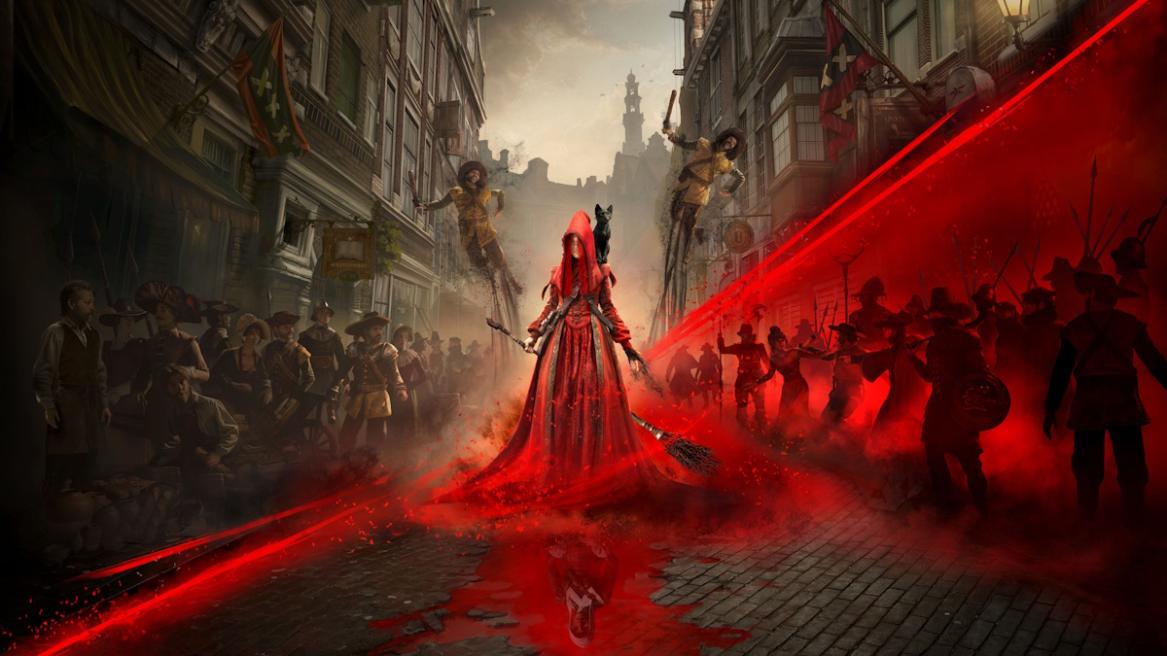
There is something strangely familiar about 1666: Amsterdam. From the moment I stepped back into its version of Amsterdam, I felt like I was playing a lost branch of Assassin’s Creed Brotherhood. And as soon as my journey of 1666: Amsterdam early access began, it felt like someone put me on the Animus.
The combat has that same straightforward rhythm, while the open world encourages you to look around, study your surroundings, and work out how to reach your objective. After completing the game, I came away convinced that 1666: Amsterdam has a strong identity of its own.
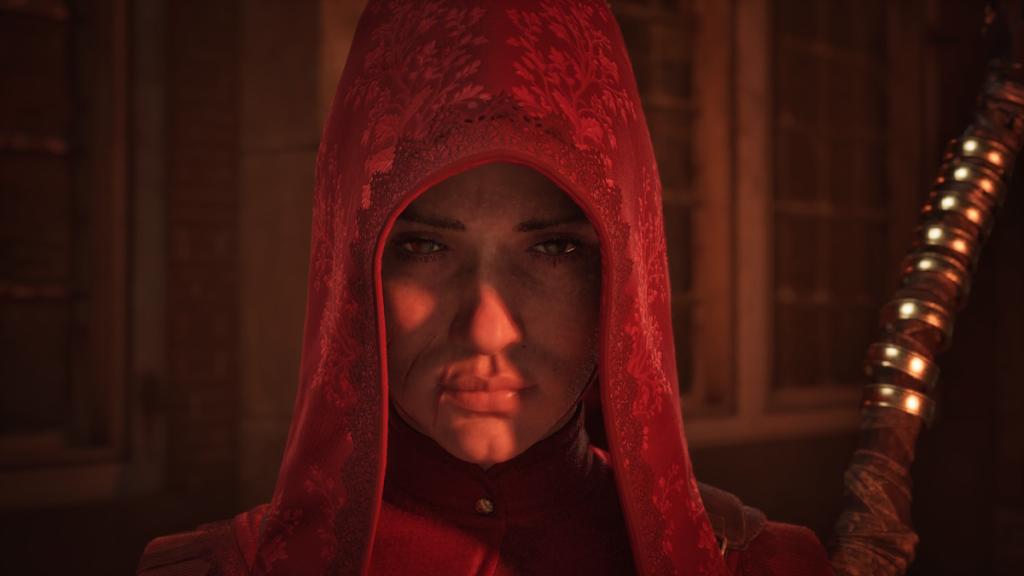
The game continues directly from the 1666: Amsterdam demo, with Aaron now serving as Noa’s feline companion. Most of the adventure puts you in Noa’s shoes as she investigates the supernatural forces surrounding Amsterdam in 1666.

Aaron can switch between being a helpful cat and a surprisingly useful tool for infiltration, which creates a nice rhythm between both characters. The story also moves between 1666 and 1999, slowly connecting Noa, Aaron, and Clio through a mystery that becomes increasingly interesting. While the story is intriguing,..
Exploration Is the Real Star in 1666: Amsterdam
The best thing about 1666: Amsterdam is its open exploration. I enjoyed being given a location, a name, or a clue and then having to work out what to do next. The game expects you to pay attention to the world instead of constantly following an objective marker.
These small details make even a simple investigation feel worthwhile. There were several moments where finding the answer myself felt far more satisfying than simply walking toward a glowing icon.
Mission progression also deserves credit. There are several ways to approach an objective, and the game gives you enough tools to make those choices meaningful. Noa can use her magic to manipulate the environment, while Aaron can sneak through tight spaces, distract guards, and possess people.
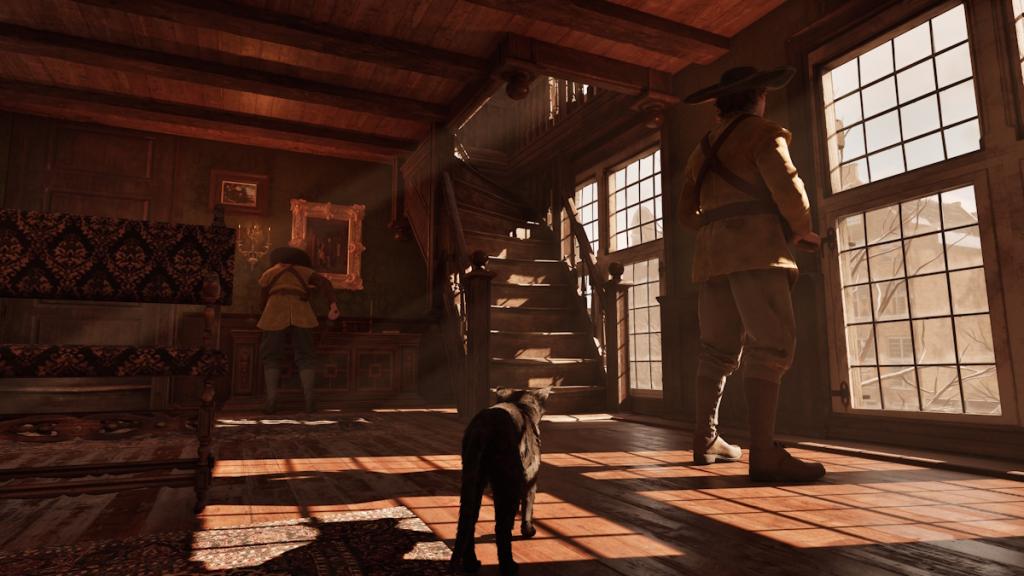
The possession system is particularly clever because controlling the right person can completely change how you enter an area. And of course, the fact that you can enter the home of the possessed person without being detected is brilliant.
But if I be honest, playing as Aaron is easily one of my favorite parts of the game. I mean, who doesn’t love being a cat protagonist, right? Moving around Amsterdam as a cat sounds like a gimmick on paper, but it becomes a useful part of exploration almost immediately.
Aaron can reach places Noa cannot, open paths from the other side, distract enemies, and possess specific characters to bypass restrictions. It gives the open world a different flavor and makes you look at buildings and NPCs as potential solutions rather than background decoration.
Combat Right out of the Books of Ezio
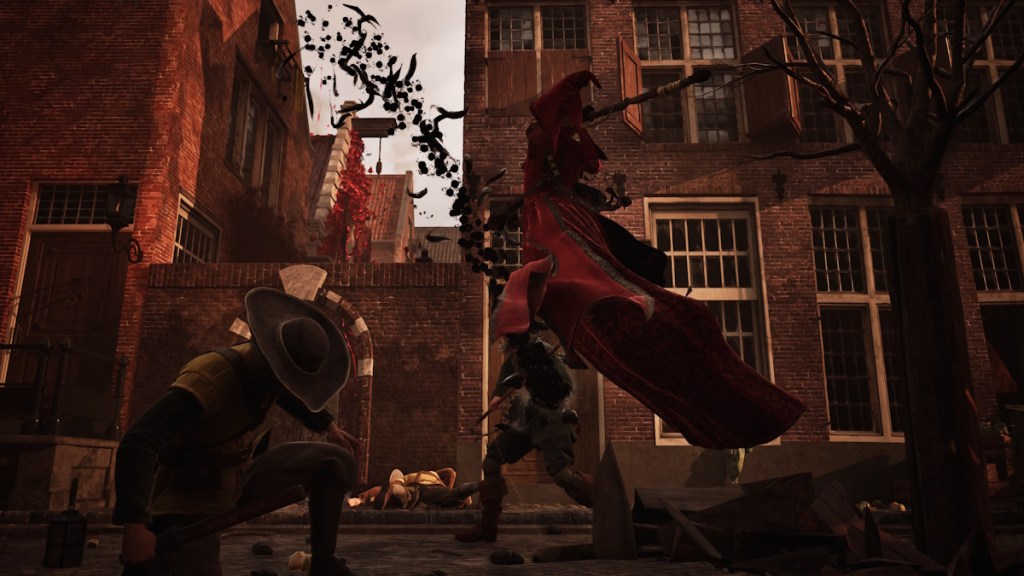
Despite being a witch, you will feel the fight takes you straight back to Rome. The sequence feels much closer to Assassin’s Creed Brotherhood than I expected. It is simple, direct, and built around attacking enemies, avoiding their strikes, and using abilities when the situation calls for them.
It is not the deepest combat system I have played, but it fits the game’s adventure-focused structure well. Once Noa gains more abilities, encounters become noticeably more enjoyable. Yes, you have to build your witch protagonist strong enough to feel powerful.
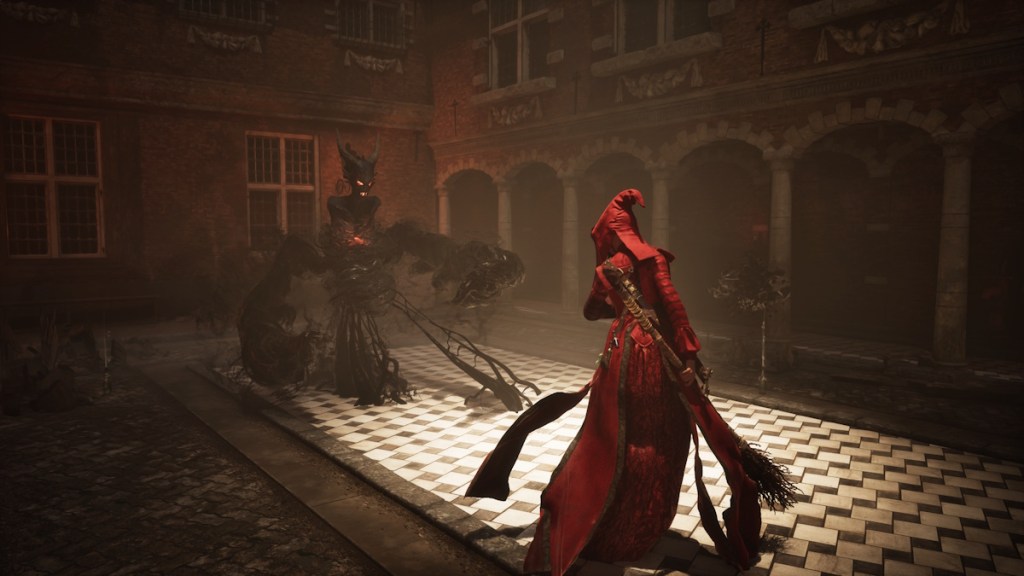
The boss fights are responsive and give you room to experiment with different abilities instead of forcing you into one solution. I liked being able to approach these fights on my own terms, especially when the game gave me enough tools to change how I dealt with the encounter. The system could still use more polish, but there is a good foundation here.
The biggest problem is that bugs and glitches can completely derail the momentum. I could be fully invested in an investigation or enjoying a stretch of exploration, only for a technical issue to pull me out of the experience. Especially when you get stuck on some random wooden platform and spamming the dash button is the only way out.
These problems are especially frustrating because the underlying gameplay is at its best when everything works together. 1666: Amsterdam has moments where its systems click beautifully, and technical issues can make those moments harder to appreciate. Even bugs are something I can understand, but what disappoints me most is…
I Wanted More Modern Day from the OG Creator of AC Trilogy
The game spends much of its time in 1666, with the 1999 sections offering another perspective on the story, while Clio’s role in the present largely focuses on reading books and deciphering what happened to her father.
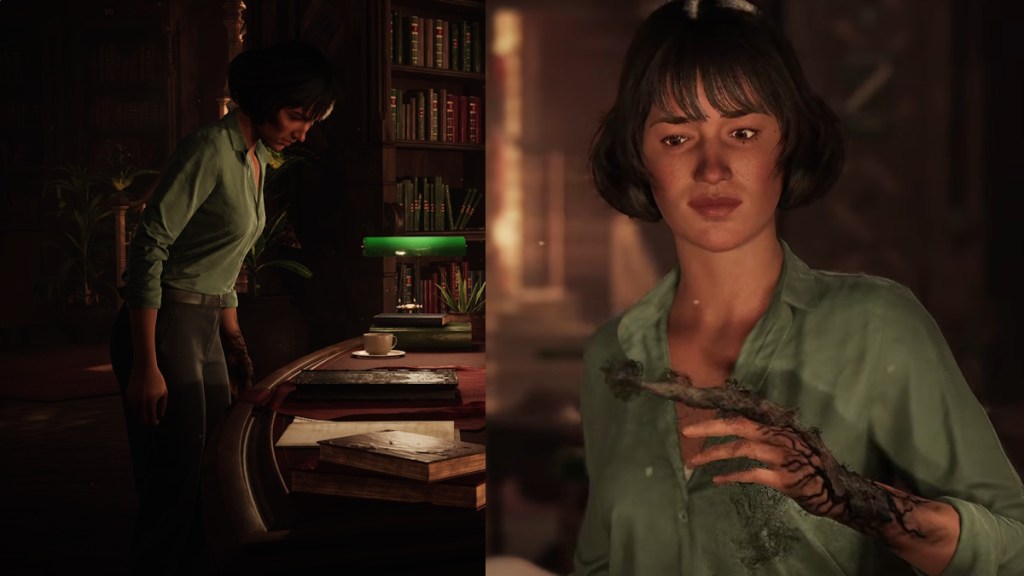
That part of the game works as a narrative device, but I wanted something more substantial from it. After spending so much time with the Ezio trilogy, I still have a soft spot for the modern-day Desmond sections.
That part of Assassin’s Creed was often more exciting to me than the historical sequences because it added another layer to the larger story. I was hoping 1666: Amsterdam would bring some of that flavor back, especially with its unusual time travel setup. Clio has plenty of potential as a character, and I would love to see the full game give her more freedom to explore, investigate, and participate in the action.
1666 Is a Promising Witchy Adventure
Despite those issues, I finished 1666: Amsterdam wanting more. That is probably the biggest compliment I can give it because the game has enough interesting ideas to make me curious about where Panache Digital Games can take them next.
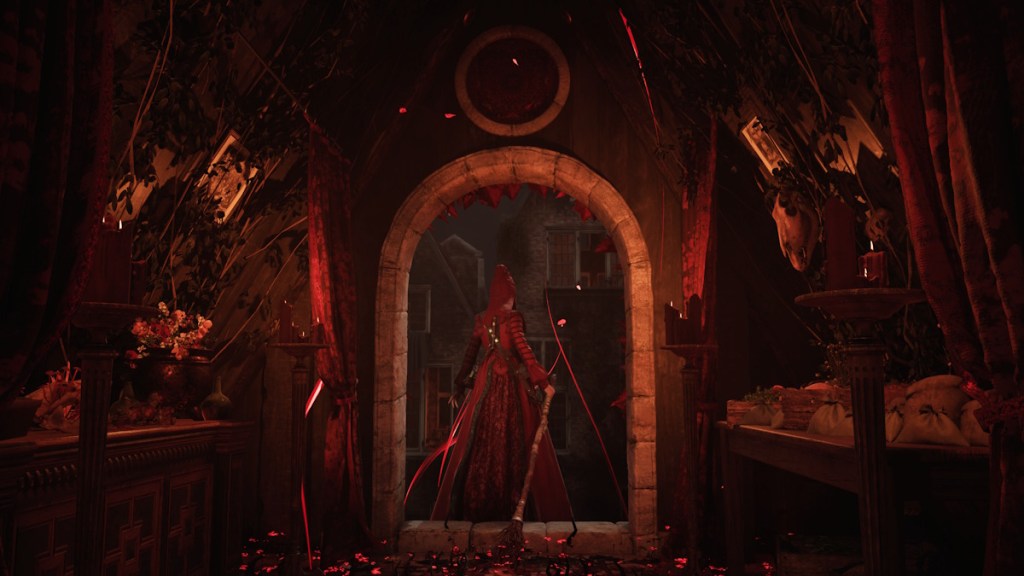
Noa and Aaron make a surprisingly strong pair; the exploration rewards curiosity, and the open world has a sense of discovery that I genuinely enjoyed. 1666: Amsterdam feels like a game built around ideas rather than a checklist of familiar systems. The witchcraft, time travel, investigation mechanics, possession, and cat exploration all give it a personality that separates it from the games that inspired it.
If the technical problems don’t exist and the modern-day side receives more attention, I can see this becoming a very enjoyable adventure. For now, I am simply glad that this dream project finally exists and that there is enough here to make me want to return to Amsterdam.