I understand why people start to defend Insomniac Games, given their excellent track record. But when some gamers criticise Wolverine gameplay as not creative enough, that defending part does not make sense.
While I usually avoid internet noise, this time, most of the backlash from the community on the official gameplay of Marvel Wolverine tells me exactly why we shouldn’t always defend a publisher based on their track record. Here’s why you should question it too before spending your money.
Combat Looks Right out of past Insomniac Games
Insomniac clearly knows how to make combat feel responsive, and the previews confirm that Wolverine’s claws, parries, rage meter, and finishers work well. The problem is that the basic loop still looks familiar. Enemies rush Logan, attacks are parried like some parry simulator, and encounters often end without the chilling conclusion we are used to with the character.
From all the previews I have seen, all agree that Wolverine’s combat is fundamentally similar to Spider-Man and Spider-Man 2 (if we call them different games). But it doesn’t stop there. It also lacks some of the creative options that made that combat system of the Spider-Man games so enjoyable.

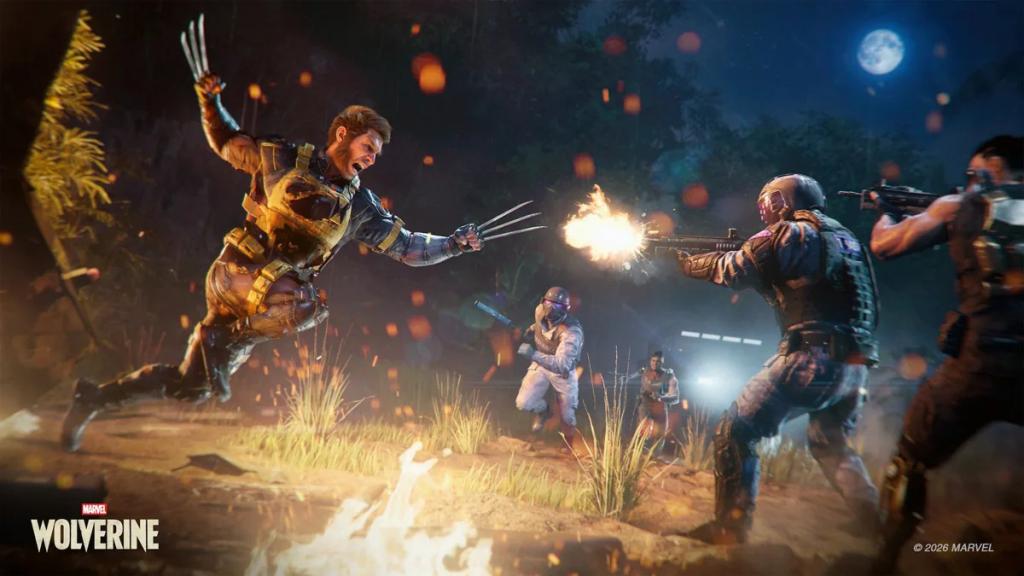
That is where fans of Insomniac Games need to stop defending Wolverine gameplay. Whenever someone points out that the combat looks repetitive, the response often becomes a reminder that Insomniac made good Spider-Man games, as if a previous success automatically fixes a current concern.
I would rather pre-order Wolverine based on what it is showing me than give it extra credit for games I already bought and enjoyed. Unfortunately, the repetitive combat is not the only issue here.
When Bosses Feel 20 Years Old, and People Still Buy It
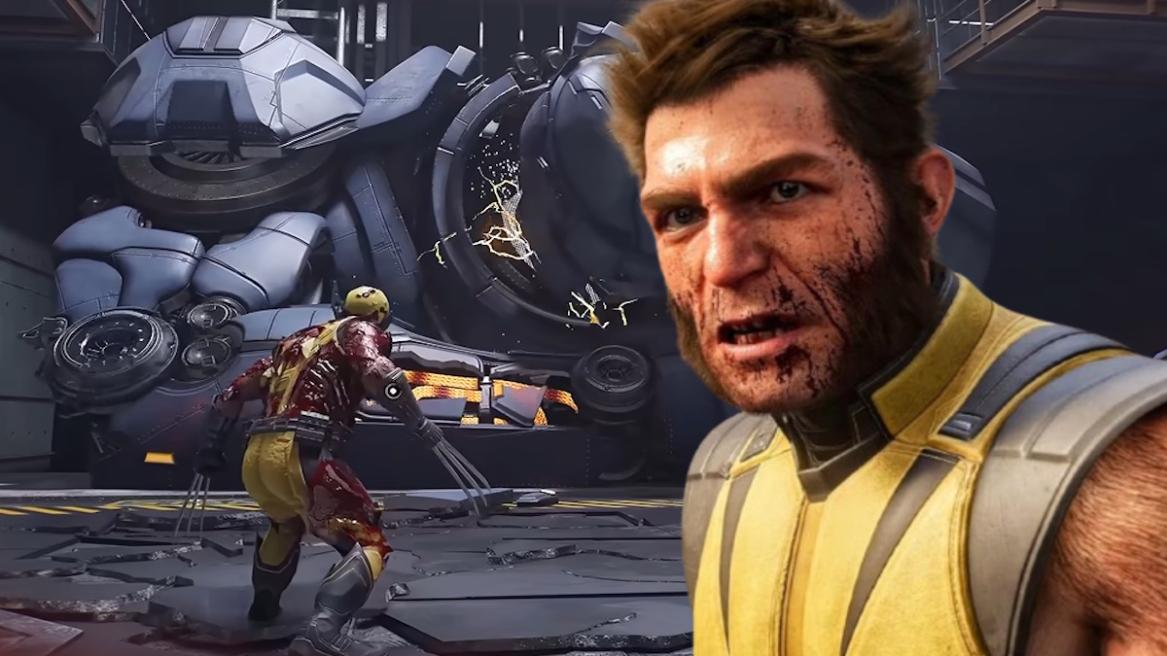
The Proto Sentinel fight is the clearest example of why I am skeptical. Gamers on the internet describe its attacks as heavily telegraphed patterns that are learned quickly and then repeated for a long fight. The comparisons remind me of the encounters in games from the PlayStation 2 era and even Contra 3.
Many people tried defending it by saying that even God of War, Ben 10: Protector of Earth, World of Warcraft, and other games have used the same giant enemy formula. One commenter argued that the approach is simply a natural solution for fighting something much larger than Wolverine, and I understand that point, but “this has been done before” does not automatically make a familiar mechanic interesting.
Defending games like Wolverine just because it was made by Insomniac Games is not the right approach. Especially when they take gamers for granted. Because…
Insomniac Still Has a Creativity Problem
My bigger concern is that Wolverine makes Insomniac feel increasingly comfortable repeating ideas that already worked. Spider-Man, Miles Morales, Spider-Man 2, and now Wolverine all carry a familiar design language.
It is built around cinematic encounters, accessible combat, environmental interactions, dramatic set pieces, and carefully controlled progression. The difference is that Wolverine removes many of Spider-Man’s movement and gadget options, leaving the core combat with fewer ways to surprise the player.
This becomes harder to ignore when we remember how long modern AAA games take to make. Wolverine was announced in the Sony PlayStation Showcase 2021. As the game is scheduled for September 2026, Insomniac had roughly five years between announcement and release.
The studio says its shared technology, staggered teams, and established workflows help it make games faster, which is impressive from a production standpoint, but I still want that efficiency to create room for fresh ideas. And while the developers are complaining that they are getting ‘unnecessary‘ hate,…
The Community Is Not Wrong About Everything
Some of the community criticism has gone far beyond reasonable discussion, especially comments attacking developers personally or dragging unrelated culture war arguments into the conversation. The backlash has grown enough that even Insomniac’s marketing director has addressed the criticism surrounding Marvel’s Wolverine and its gameplay. That does not mean every criticism is worthless.
Several players have specifically called out the Proto Sentinel encounter, repetitive combat, and the lack of interesting interaction. Even Insomniac’s own preview discussions acknowledge that fans have raised fair concerns about the game’s limited interactivity and combat complexity.
There are also plenty of people defending the game for reasons I completely understand. Some players are happy to see a linear action game again, while others argue that giant boss fights have used similar mechanics for decades and that Wolverine’s straightforward design fits the character.
There is a reason I am still excited to play Wolverine despite all of this. The story is actually the part that interests me most, especially the younger Logan, Team X, Mystique, Sabretooth, and Nathaniel Essex, while the quieter Lowtown sections sound like the kind of character-focused material that could give the campaign some much-needed variety. And with Wolverine already confirming a Game+, I am hopeful.
So no, I am not saying stop defending Wolverine gameplay because the game is doomed. I am saying that Insomniac’s reputation should not become a shield against legitimate criticism of what we have actually seen.
I am waiting for the full game to prove me wrong, because if Wolverine turns those familiar systems into something deeper once everything comes together, I will happily admit that I judged the claws too early.

![[OPINION] GTA 6’s Ultimate Edition May Have Fans Reaching for the Upgrade Because of FOMO](https://static.beebom.com/wp-content/uploads/2026/06/gta6-lucia.jpg?w=300&quality=75)
 Rishabh Sabarwal