It’s a standard summer evening. Dusty winds have fused with the sizzling heat of my tropical nation, meaning ‘touching grass’ is no longer a viable pastime. “No worries,” I say, prodding the plastic button on my PlayStation 5. The console beeps into life as I lean back and behold my library.
If there’s one perk to being a games journalist, it’s having access to the latest releases. I’ve got Resident Evil Requiem sitting there unfinished, Marathon rearing its head from the neighbouring tile. Hell, today could be the day Crimson Desert finally “clicks” for me – the possibilities seem endless.
But no. In what I can only describe as a Pavlovian response, my thumb nudges the analog stick rightwards until the selected title reads “Cyberpunk 2077.” Without a moment’s hesitation, I dive face-first into Night City – its neon-lit streets delivering an instant sense of comfort.
Now, before you chalk this behavior up to something as banal as the human disposition towards familiarity, remember that I play and review video games for a living. I do this s**t on the daily.
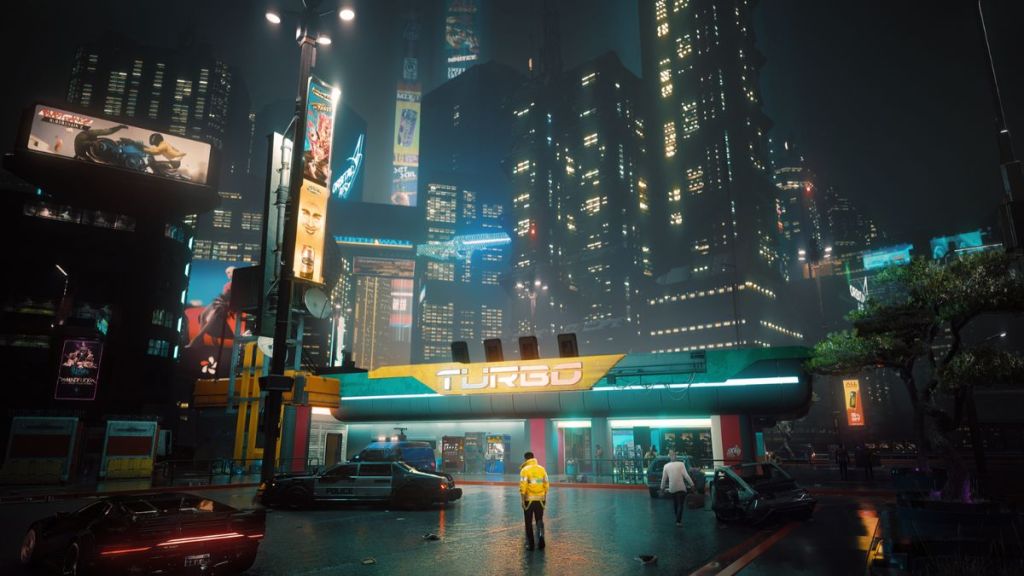
So, why am I so insistent on returning to the NUSA’s crime capital? I’ve cleaned the streets of wanted scum using four different Vs. The Fixers have absolutely zero work for me. And I’m pretty sure my paramour (it’s always Panam) is tired of hightailing it to my apartments. There isn’t a lick of new content for me to indulge in, yet I’m back here again. I just cannot seem to let Night City go.
This isn’t a case of sunk cost fallacy either. I’ve spent hundreds of hours in more linear open worlds, but none have consumed me to this degree. And in my experience, this is a phenomenon exclusive to RPGs. Tamriel, Midgar, Kuttenberg, the Mojave Wasteland – you name it. I feel so beholden to these worlds that the finale of every new playthrough feels…sad. Despite knowing how it all wraps up, I still find it hard to detach.
Thankfully, I’m not alone in feeling this way. In fact, it’s a widespread emotional response, aptly named Post-Game Depression. Unsurprisingly, RPGs elicit the most powerful version of this effect. And in this exhaustive rambling session, I unpack the main reasons why RPGs are so hard to give up.
The Second Life Factor Fueling RPGs’ Addictive Nature
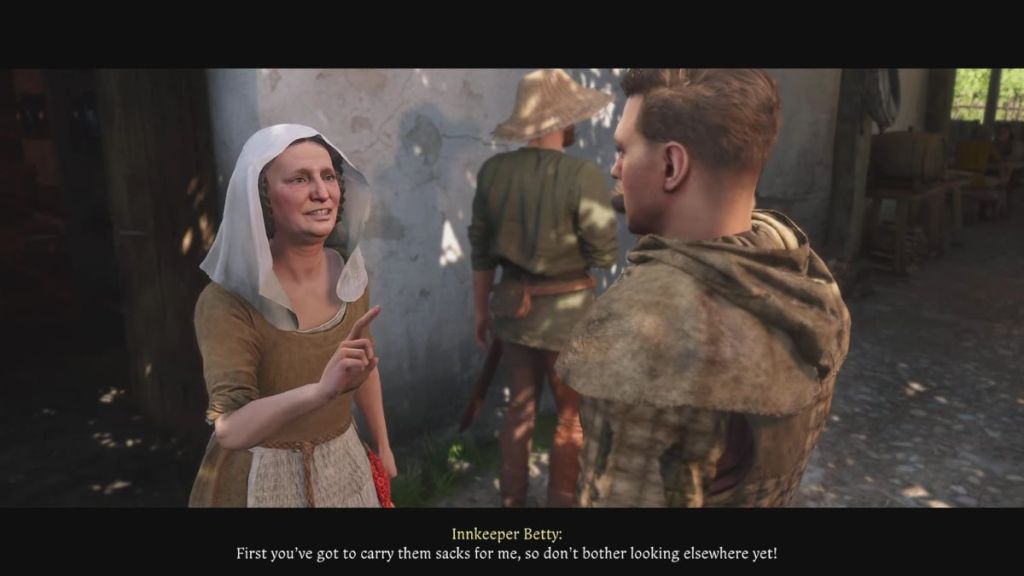
As you might’ve gathered from the intro, the best RPGs organically establish a relationship between the player and the game world. When KCD 2’s tutorial wheels come off, and you’re dropped straight into Trosky with nary a Groschen to your name, you feel the need to chat up every NPC and creep into every hamlet.
Eventually, you’ll stumble into the local tavern whose owner trades manual labor for a pile of hay. And just like that, a connection is formed – you now know Betty. She’s the innkeeper who’s made your life a bit easier. You wake up in her uncomfortable backyard, use her water trough to clean up, and buy a Chicken Leg from her for breakfast.
For the first few hours of this massive experience, your days begin and end at the tavern. You eavesdrop on the patrons’ conversations, and you resist the pull of the Dice table. You play through this routine dozens of times, until it feels as ritualistic as the 8-to-9 before your 9-to-5.
In the process, you’re also absorbing the town of Troskowitz. You learn not to wander into the neighbouring barracks or mess with Merchant Jurg on the northwestern side of town. You might even capture a mental image of the tree that stands tall over the main road. These are the same kind of details that you absorb in the real world, which encapsulates my argument: A good RPG convinces you of its world because it feels real.
NPCs who are technically voice lines and code start feeling like actual companions. Peculiar structures or distinct objects turn into landmarks that you use for navigation. Your interactions with vendors even follow the same cadence as your grocery shopping.
Persona 5 is another RPG that serves up an absolute masterclass in this regard, as its gameplay is literally built around managing a daily routine. There are two constants in Joker’s life: waking up and attending the Shujin Academy. But once the final bell rings, the game calls upon your task management skills to choose what’s next. It dangles interesting activities in front of you and forces you to assign priorities since there simply isn’t enough time to get through them all.
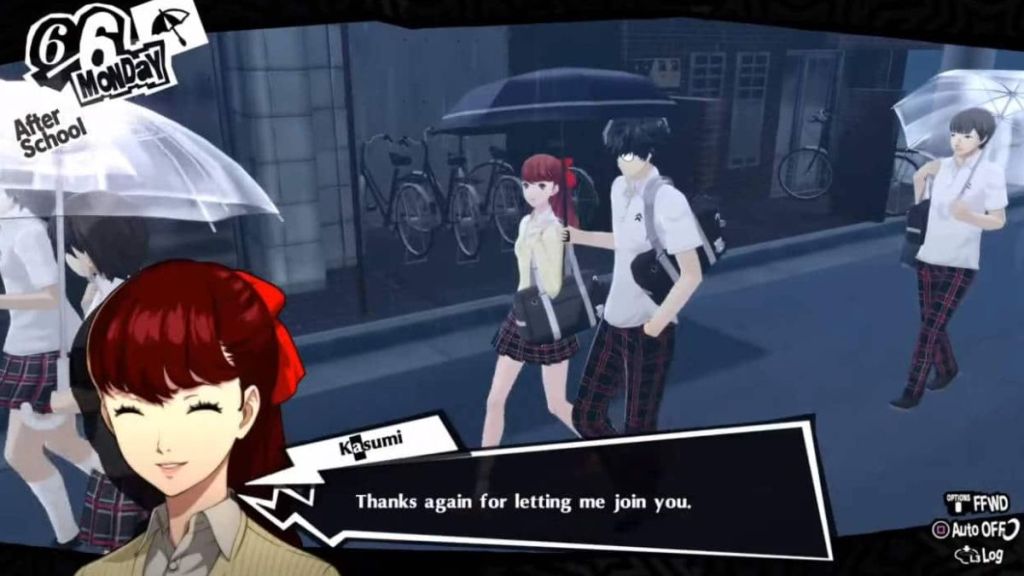
Naturally, the question beckons: What are you doing today? Do you cram for an upcoming test, hit the gym to put some meat on Joker’s bones, or roll the dice on that dingy laundromat? Or do you just brush all of that aside and spend what little time you have with the people who matter most? These are all things that you want to engage in, so you subconsciously start planning.
You decide against studying one evening to make some money at the Flower Shop, or you stomach the guilt of skipping the gym to hang out with Kasumi instead. And as you’re going through these activities, you’re already planning for tomorrow. You’re already putting together a schedule and assigning priorities – just as you do every single day outside the game.
The realization rarely occurs in the moment, but while playing an RPG, you’re navigating the ebbs and flows of a second life. And walking away from these connections, abandoning the routine you’ve carefully stitched together, detaching from this world that you’ve joyfully traced every nook and cranny of, feels like giving up something real.
Choices That Make Us and Consequences That Break Us
At the risk of sounding like a wide-eyed teenager, life can be really scary sometimes. I frequently find myself wrestling with indecision and anxiety, paralyzed by the thought of the future while the present sifts away. It’s something everyone goes through – an essential part of the human experience.
RPGs are obviously great for escapism when reality weighs you down; you’re quite literally role-playing a different character. More importantly, they give you the cause to make crucial decisions and showcase the effect in meaningful ways.
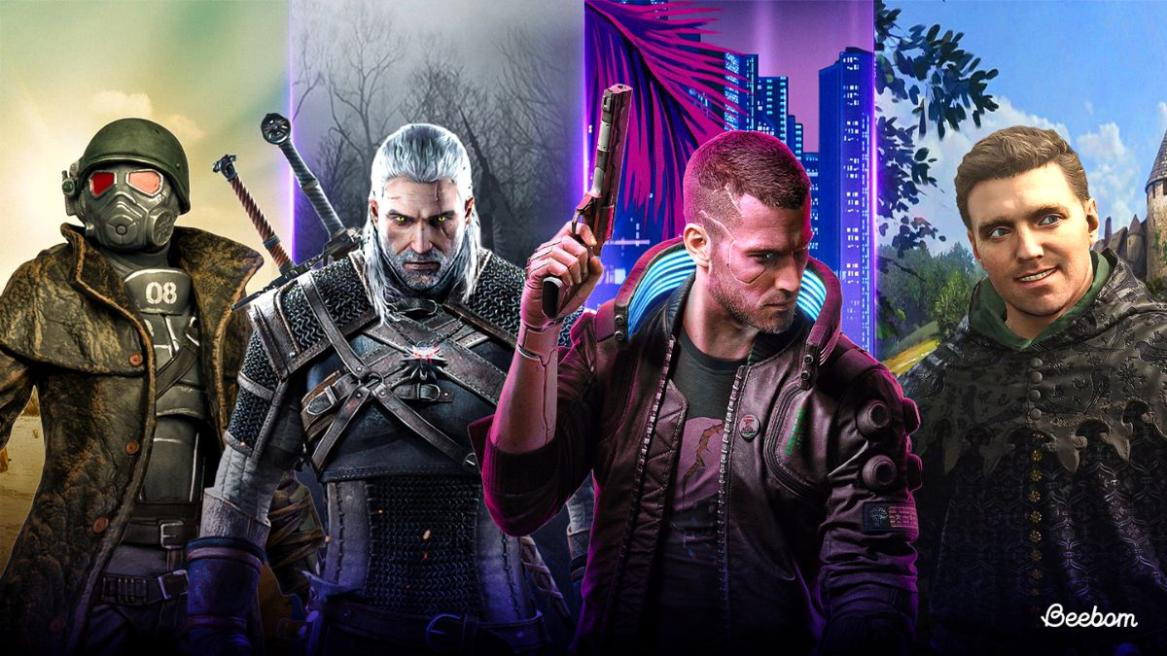
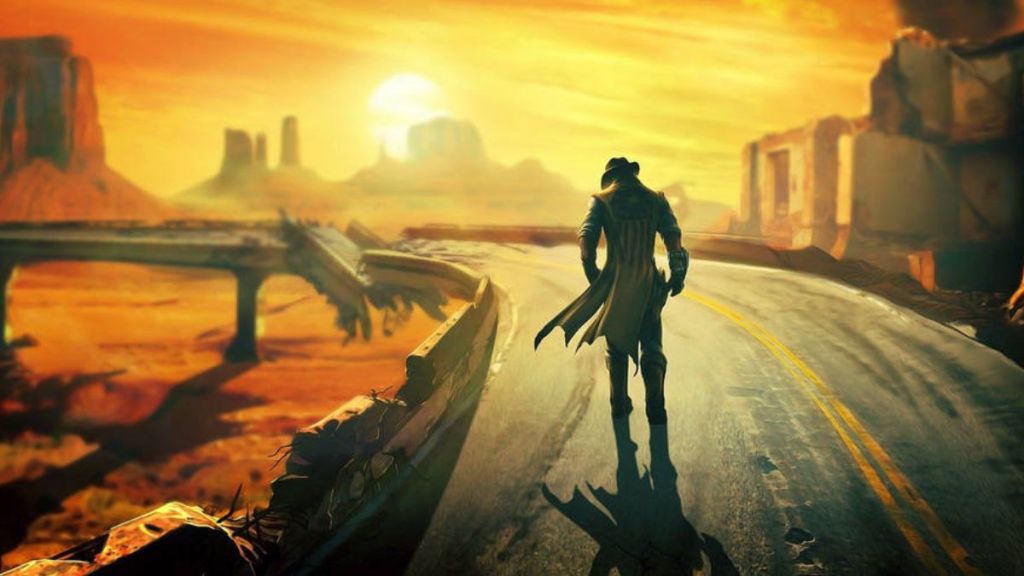
Whether you’re deciding the fate of the Mojave in FNV or bouncing between Triss and Yennefer in The Witcher 3, you understand the stakes and exert a tangible amount of deliberation.
Through these choices, RPGs facilitate something that feels incredibly daunting in reality: Taking the road less traveled. At some point in their lives, everyone comes up to the proverbial fork. It’s obvious which way is safer or more secure, and many choose to stroll down the beaten path. However, that tantalizing thought of “what if?” tends to linger long after the decision is made.
RPGs let you exercise that desire in a world where the ramifications feel real yet synthetic. Your sentiment for the world and characters remains genuine, but you’ll always have the choice to roll back a save and see what the other route has in store. By the time you forge your ‘canon’ ending, you feel more in tune with your instincts, thanks to hours of rationalizing what sort of pixels you’d like to see on your screen.
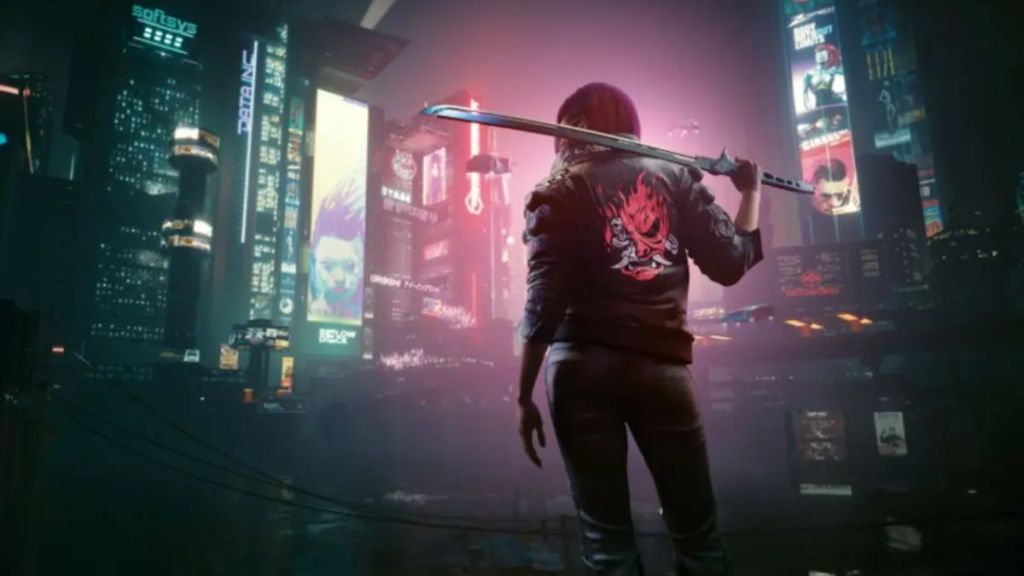
And once you have that veritable haven, where everything worked out, why the hell would you want to leave? Hearken back to the Night City I described earlier, and you’ll see exactly what this looks like. In my version of the neon jungle, the streets are clean, my V is a bonafide NC legend, and he’s got a nomadic bada** for a companion.
Switching over to something as layered as Fallout: New Vegas, and I’m greeted by my choices at every turn. I could load into the Vikki and Vance and tip my hat to Sheriff Primm Slim, who’s patrolling the town because I put him in charge.
I could march north to check up on the REPCONN Headquarters, a facility that’s feeding the Strip because I chose not to turn it into an orbital laser. Or I could simply look to my Courier’s side and glance at Veronica, whom I encouraged to leave behind the only family she has ever known (it’s good for her, I swear).
Both of these conclusions tick every box I could’ve hoped for. They feel more complete, more earned, than anything another genre could offer, because no other genre gives me the agency to build it. And that’s really the crux of why RPGs are so hard to give up.
By the time you’re done, it’s no longer just Night City or the Mojave – it’s your Night City. Your Mojave. Your story, shaped by hours of quiet routines and weighty calls that, in some strange way, feel more deliberate than the ones you make outside of it. Walking away from those locations, faces, and choices feels like leaving behind something (you guessed it) real.
This probably explains why, on a standard summer evening, with a backlog full of untouched games staring me down, I still find myself drifting back to that same neon skyline. Not because there’s anything left to finish. Just because it’s still there.



 Sanmay Chakrabarti