Beebom Score
Pragmata is a sci-fi shooter that not only adds a new angle to blasting enemies, but it also teaches a new generation of men how to become parents. With Japanese developers recently diving into “daddy issues” for millennial gamers, starting with God of War and then Death Stranding, Pragmata takes up the mantle to become the new best ‘dad simulator’ in 2026.
But if being a parent is not on your top 10 things to do this year, Pragmata still offers a sci-fi action with monster blasting, reminiscent of Doom, that will keep you entertained for hours. Check out my full Pragmata review to learn whether Capcom’s latest IP can hold a candle to its other big titles.
A Man and His Android Daughter Against the Unknown
Pragmata is a story that solely takes place around two characters, Diana and Hugh. Hugh is a space engineer sent to the moon to check for issues. Although Hugh lands on the Moon with three other companions, they quickly lose their lives due to a moonquake, leaving him alone.
He realizes that things are not going well on their moon base, as the place is under lockdown, no humans can be seen, and robots are trying to kill him…the last bit may have hit the nail on the head. Soon, Hugh meets up with Diana, a ‘state-of-the-art Pragmata’, or in simple terms, an AI that can do some pretty amazing stuff. She is also the most enigmatic little girl I have accompanied in any game, and has left quite an impression, but more on that later.
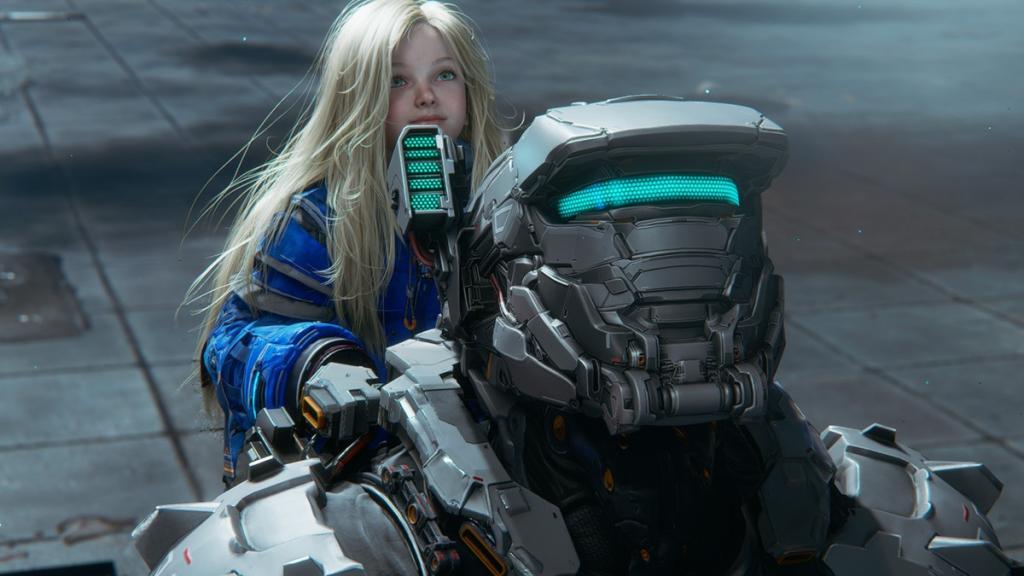
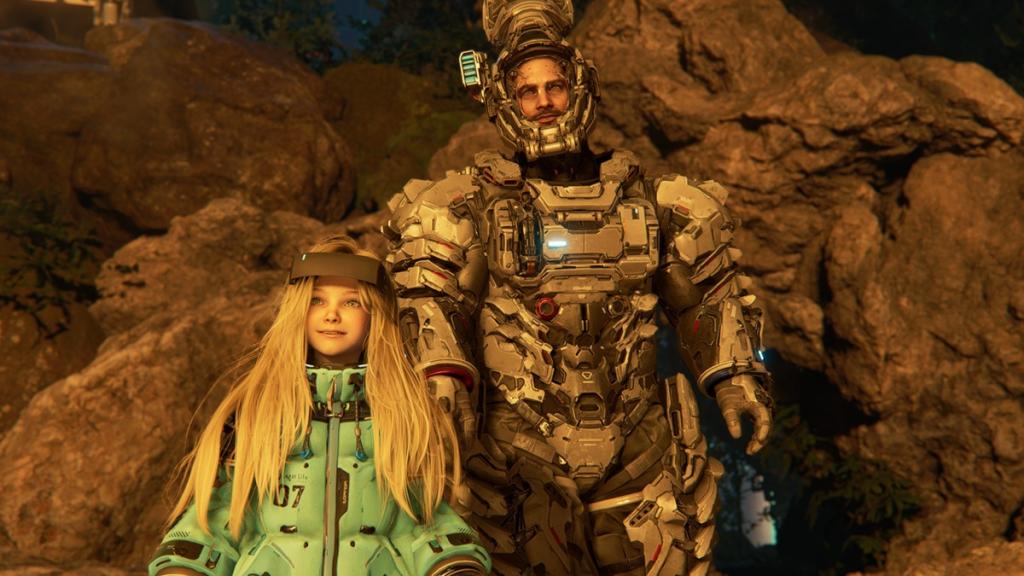
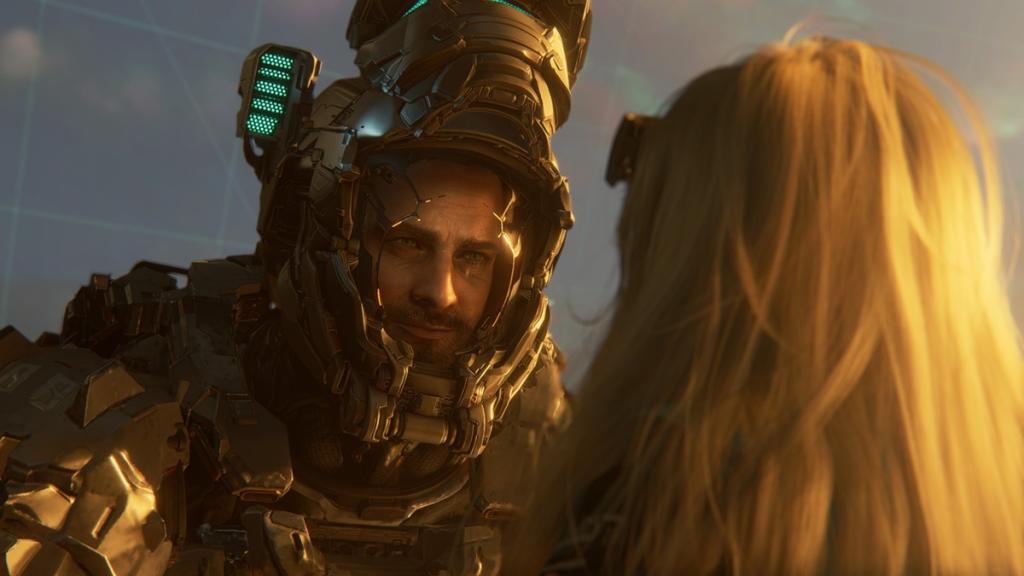
Her interactions and dialogues are hilarious, especially when she uses binary code language during active hacking (0,1,0,0,0,1). But as the game progresses, we see a genuine bond forming between Diana and Hugh, and in turn, the player. We see the game touch on various aspects, especially subjects like loneliness.
While many may see Capcom’s portrayal as a father-daughter dynamic, my own experience of having a niece gave me a slightly different perspective on that relationship. However, one thing was clear: Capcom has tried their utmost best to train you to be a model parent or guardian in Pragmata.
Turns Out the Real Boss Fight Is Parenting
After seeing Grace’s incredible character development in Resident Evil Requiem, where she finds courage through her motherly bond with Emily, I did not expect to be moved once again by another Capcom game just months later. However, this time the relationship was a bit different. Unlike leaning towards the serious aspect, which was perfect for the horror genre in RE9’s case, Pragmata uses banter and energy to portray Diana as a ray of sunshine in Hugh’s world, which then translates to us as players.
I have genuinely spent hours simply talking with Diana in the safe house, trying to wring out every last piece of interaction value from her because it’s simply that interesting. The safe house is basically a home base where Hugh and Diana return after they either complete a level or die. This place is created as an interaction hub for Diana, as she runs freely around the area and reacts to objects around her.
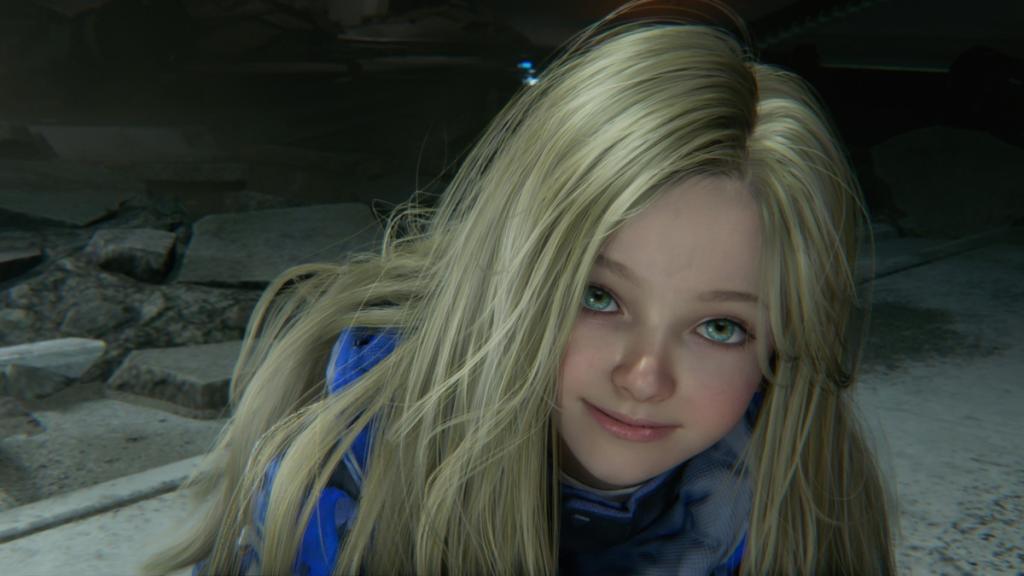
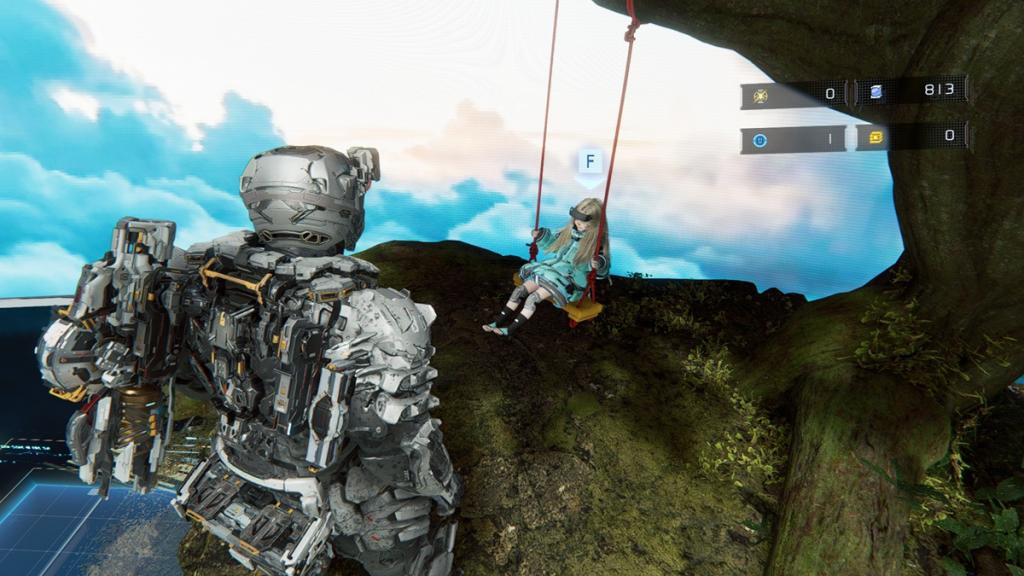
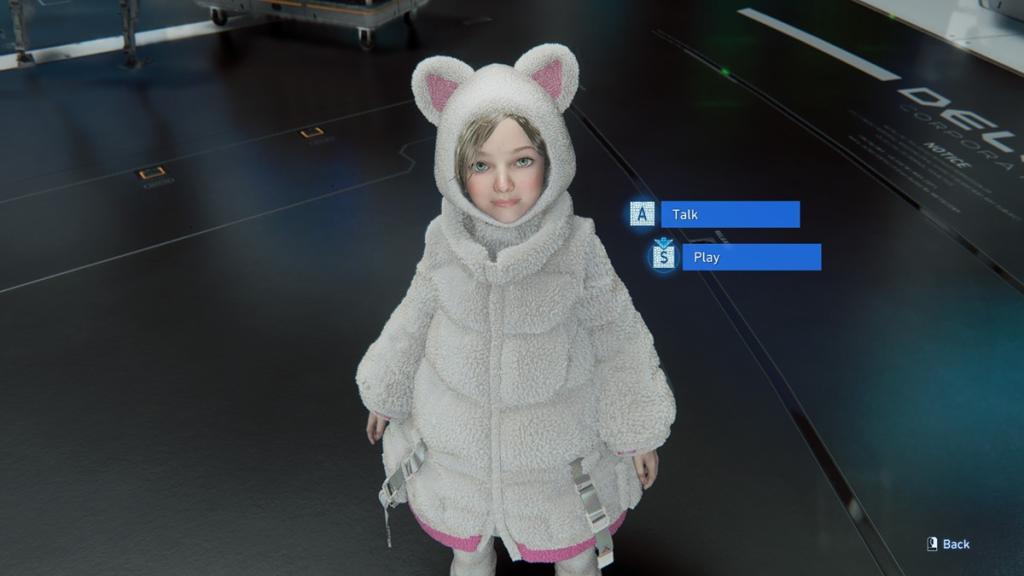
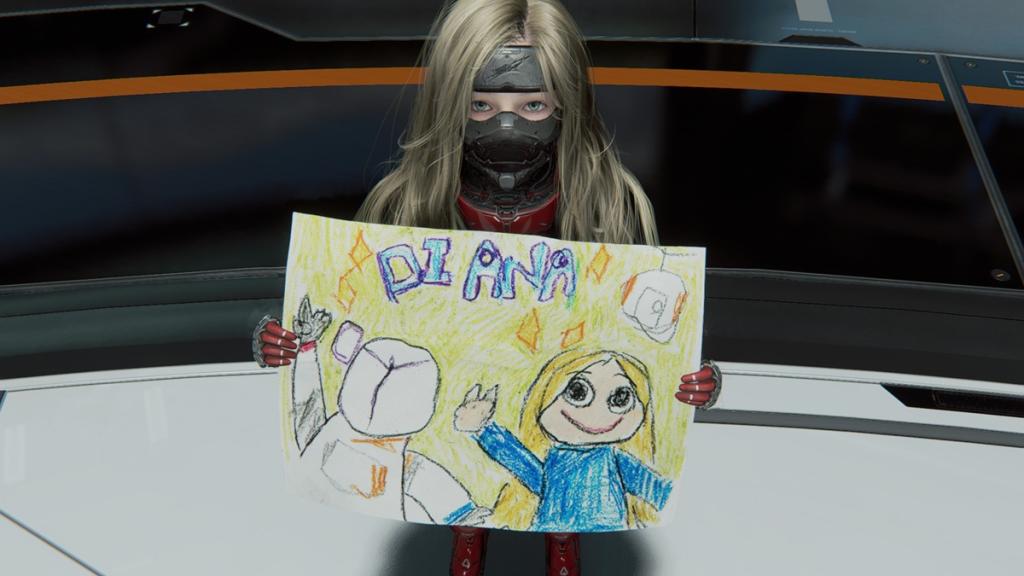
Players can give her presents that are specific things recreated using REM from Earth, like a basketball, a campfire, etc. Doing so unlocks these cute little exchanges, including artworks that she gives you as appreciation. My heart genuinely melted the first time she gifted me one of her drawings, and I have to praise Capcom for adding such small details.
Now, not everything is happy-go-lucky when it comes to Diana in Pragmata. The game often touches on very philosophical aspects of society, making you think and question about our reality. With that, certain in-game situations will also put Diana in peril at one point, and by then, you will feel so connected to her that it will be of genuine concern to you as well
Normally, I would detach myself in such emotional scenarios in games, but I couldn’t in this case. I was genuinely concerned for Diana’s safety in Pragmata, which shows how deeply the game builds your relationship with her.
When it comes to storytelling, the game does a good enough job, especially with a sentimental end that many would shed a tear or two. Although the story is very simple, it’s the relationship you build with Diana that really becomes impactful at the end.
Diana is not just a companion to give moral support; she is one of the most active combatants in fights.
No Hack, No Damage: Every Fight Starts in Diana’s Grid
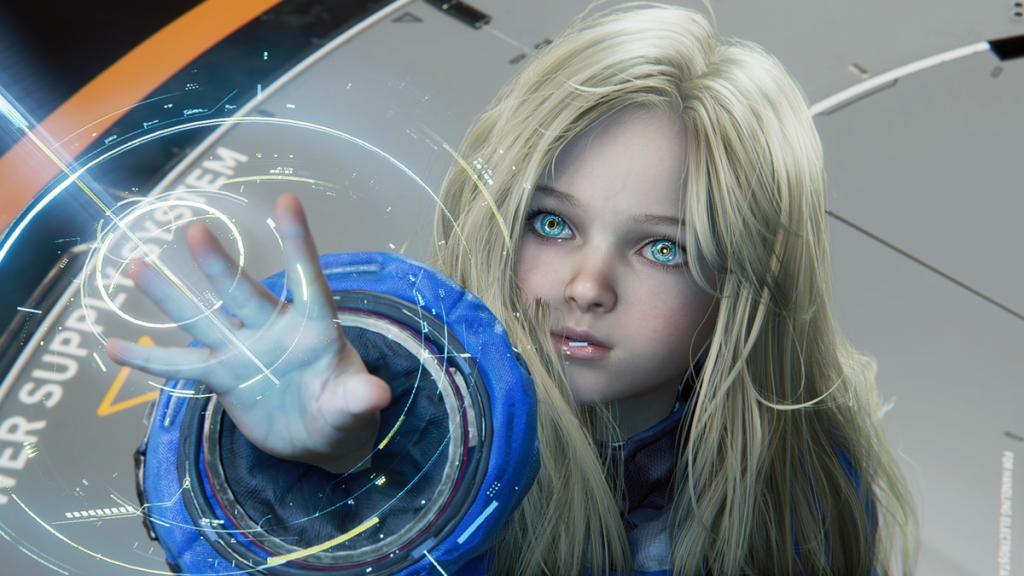
Diana can hack enemies and leave them vulnerable, allowing Hugh’s bullet to deal damage to enemies. This is important, as players are the ones who have to hack enemies in real-time, while maneuvering around attacks. Pragmata’s combat is largely based on managing both these elements during active combat. Without hacking your enemies, your bullets do literally no damage, while hacking can leave you vulnerable to attacks.
Hacking enemies not only leaves them vulnerable to damage, but it also exposes their weak points. Targeting these parts gives additional damage while building towards the enemy’s break stance. Although initially the multitasking combat did feel a bit too much, I soon started to enjoy it.
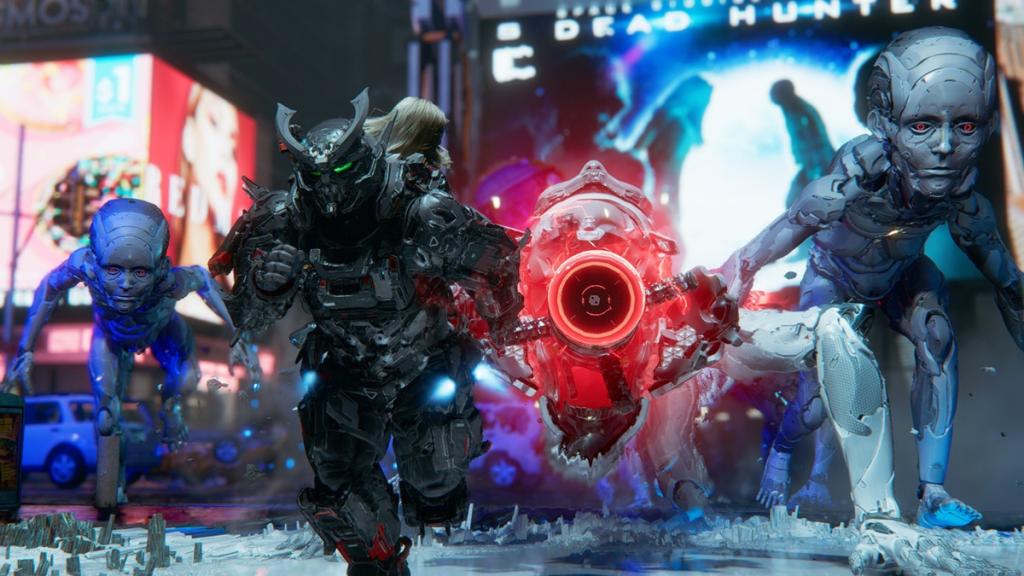
Now, this is just scratching the surface of Pragmata’s combat, as the game also features a modding system that lets you unlock passive buffs for your character, alongside reusable weapons, which are limited-use drops. Hugh only has one main weapon with unlimited ammo, and everything else he picks up is only temporary. Some of the weapons are utility tools that can stop enemies on their tracks or provide you with a shield. Mixing different weapons and tools in your hands and trying to get the upper hand is the main challenge of Pragmata’s combat.
The core gameplay loop is very similar to Doom, where players have to go from one room to another, blasting enemies in between. However, there is definitely a bit of repetitiveness to it that can be a major problem for some of you. Hacking the same enemy for the umpteenth time can become frustrating, especially against enemies who are hard to deal with.
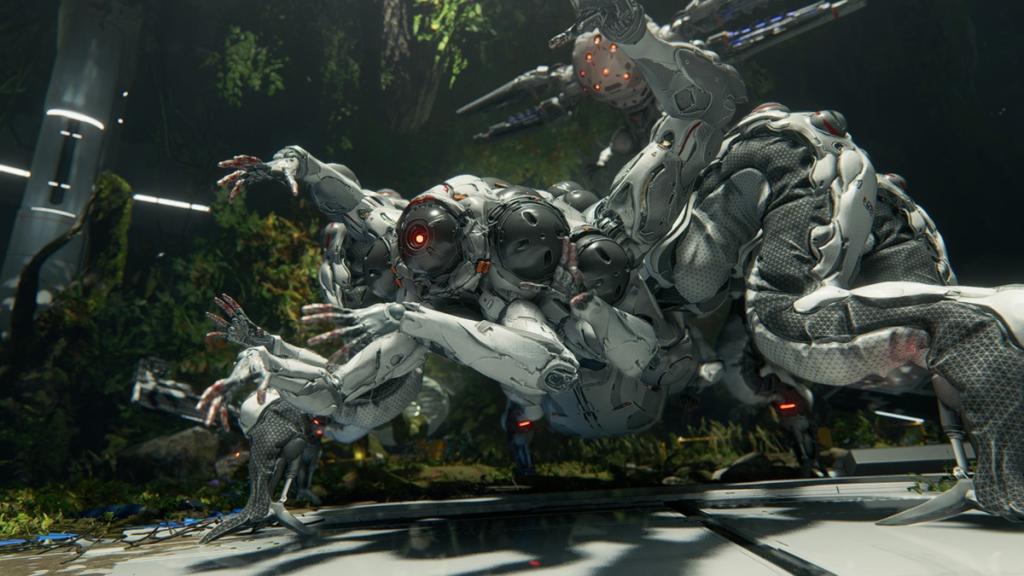
The game does address that later on by giving you an upgrade to automatically hack enemies. Such upgrades, and more similar to it, keep Pragmata feeling fresh. The large enemy pool also does a good job at it, with each level adding new threats to the loop. As you fight them, you learn their weak points, and that makes the next fight a bit easier to deal with.
Where Pragmata’s combat truly shines is during boss battles. The game has some of the best boss fights for the action-shooter genre. Most of the boss enemies are massive in proportion, provide a genuine threat in battle, and come with multiple mechanics that you have to learn mid-fight. It often felt like fighting Monster Hunter bosses, but using Doom’s combat system, and there could not be a better mix out there. But as I said before, the real boss fight is being a dad.
Performance: Level Design That Shines Through Every Little Detail
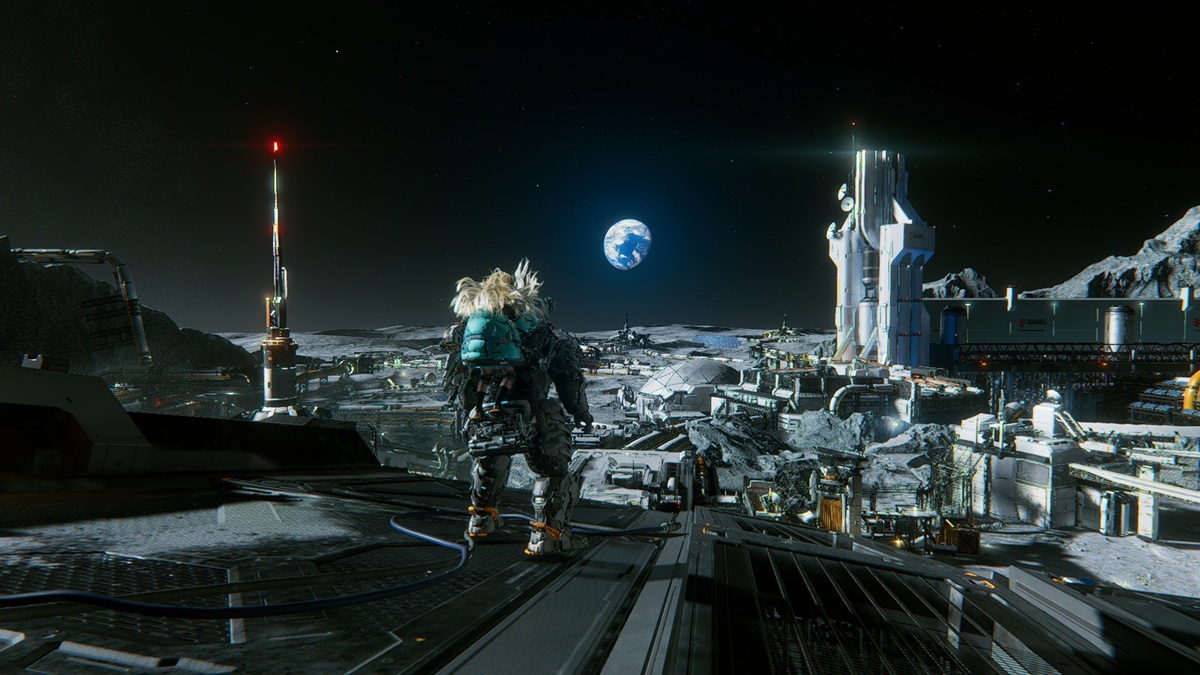
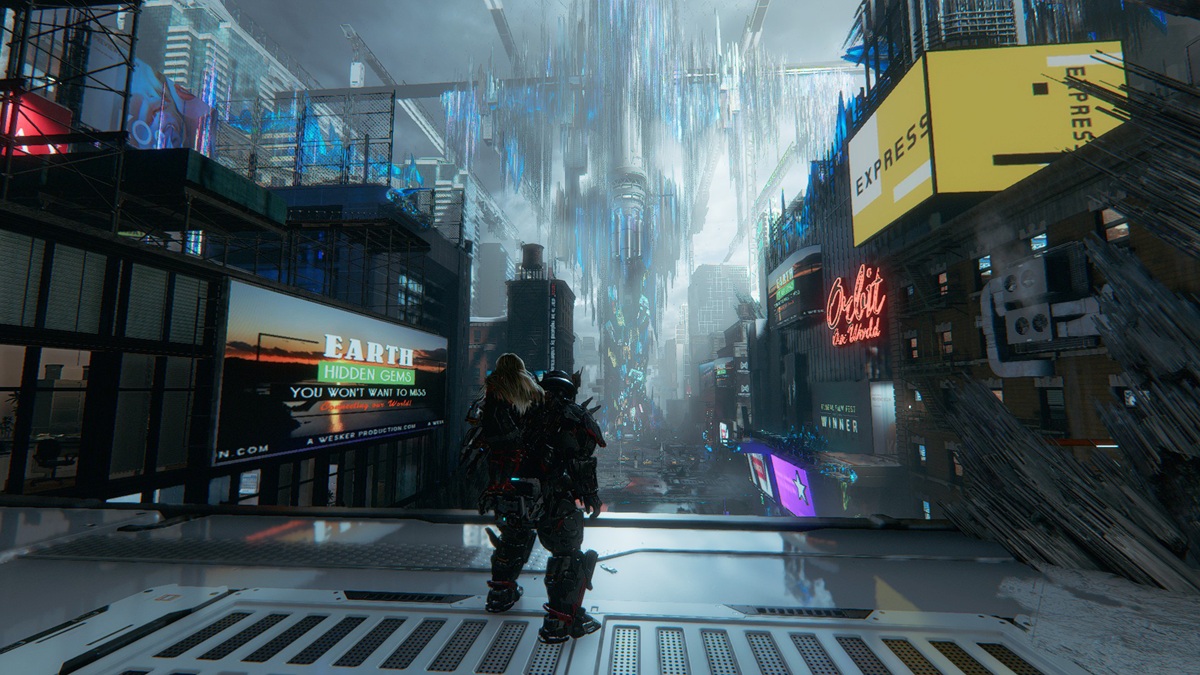
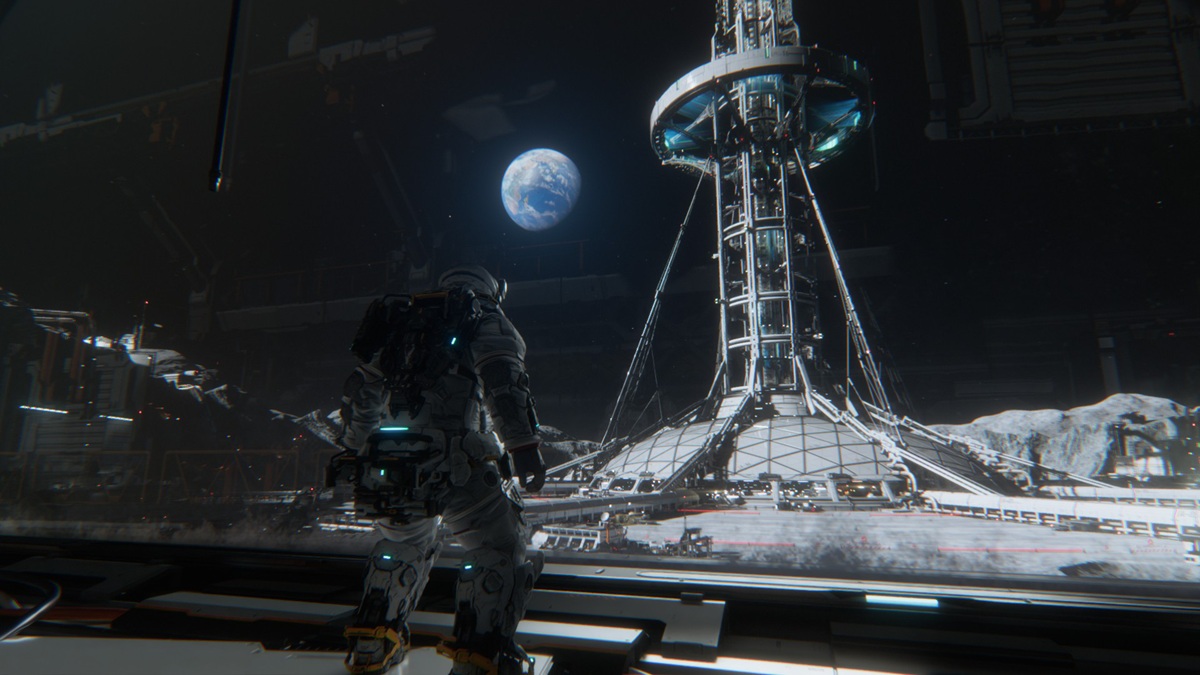
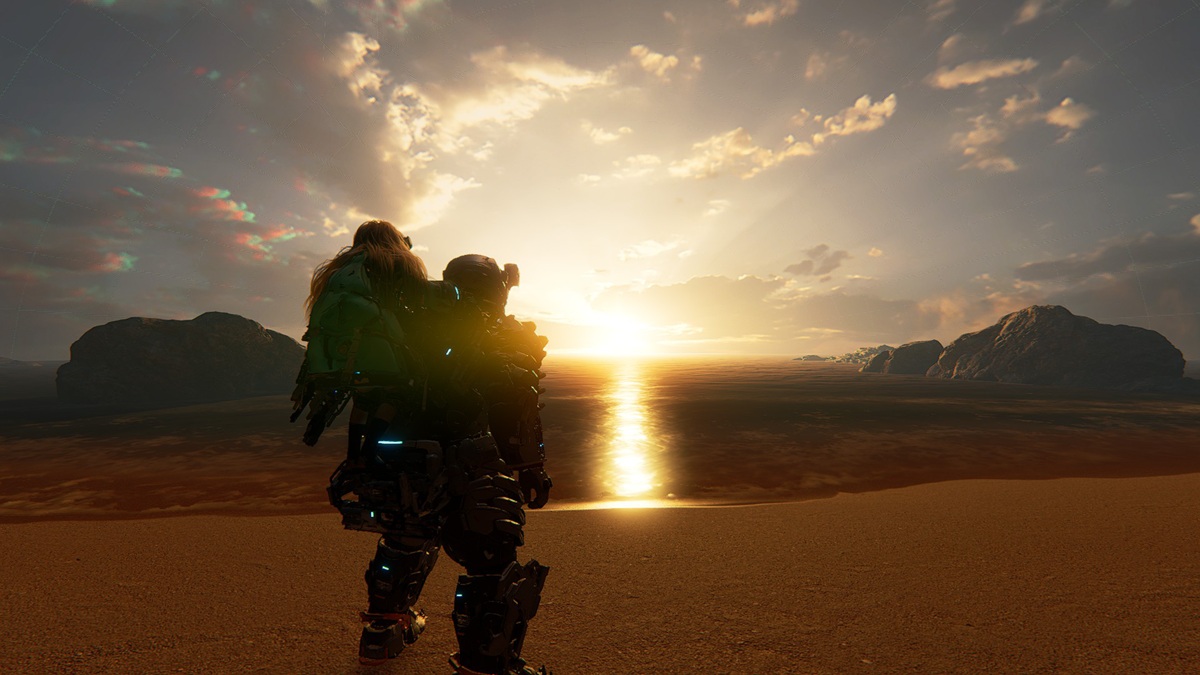
Pragmata is genuinely a visually stunning game. Every level feels drastically different, even though you are supposed to be stuck on the same space station. The visuals are simply stunning, and the enemy designs are also spot on. Capcom’s attention to detail is also a treat to enjoy, from Diana’s vivid emotions to space-accurate details. One example is how the sound gets muffled when you are outside in space, instead of inside the sealed compound. As sound travels slower in outer space than in a closed space, this little change really made me appreciate the dev’s attention to detail.
My Setup
CPU: AMD Ryzen 9 7900x
CPU Cooler: CORSAIR H150 RGB
Motherboard: GIGABYTE B650M Gaming X AX
GPU: MSI Nvidia GeForce RTX 5060 Ti 16 GB
RAM: 32GB (32GB x 1) ADATA XPG DDR5 5600FSB LANCER
SSD: 1TB AORUS Gen 4 5000E NVMe storage
Monitor: 1080p @165hz
However, what’s truly amazing is Capcom’s consistency in achieving extremely good performance while having stunning graphics. This is something I also noticed in Resident Evil Requiem, and it is more evident in Pragmata.
The game runs absolutely butter-smooth, even at the highest of graphics settings. I was consistently getting well over 140 FPS at the highest settings with frame generation, and around 70 FPS without it.
It’s truly hard to believe that these are the same developers behind Monster Hunter Wilds and Dragon’s Dogma 2, both of which are horribly optimized. Somehow, Capcom always does really well for games that have levels, while doing the very opposite for open world.
Verdict: Explosive Combat Wrapped in a Surprisingly Tender Story
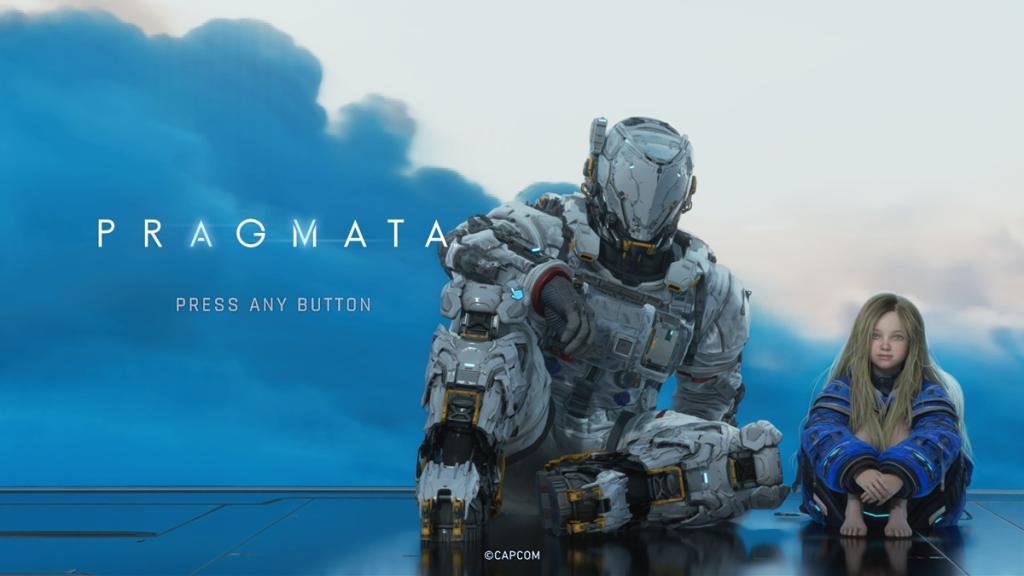
Pragmata has been an absolute joy to play, and I cannot wait to get more from Capcom’s latest sci-fi shooter IP in the future. The new hacking element in fights, while mixing it with Doom-esque combat, is genuinely genius and extremely fun to play. The real highlight of the game, however, is the relationship between Diana and Hugh, which effectively carries a rudimentary storyline of Pragmata.
The only qualms I have about the game are that the story could have been a bit better. It suddenly diverted into a supernatural aspect at the end, instead of sticking to core sci-fi, which was a slight letdown. Other than that, certain combat scenarios could be lengthy and annoying to complete, especially when you are fighting the same enemies for the umpteenth time without any change in pace.
Overall, Pragmata is a solid entry from Capcom into the sci-fi shooter space, and players can only expect big things from the IP in the future. Both the world and the combat system in Pragmata are genuinely good, and the relationship with Diana will always remain a core experience of gaming for me.


 Bipradeep Biswas















 Ishan Adhikary