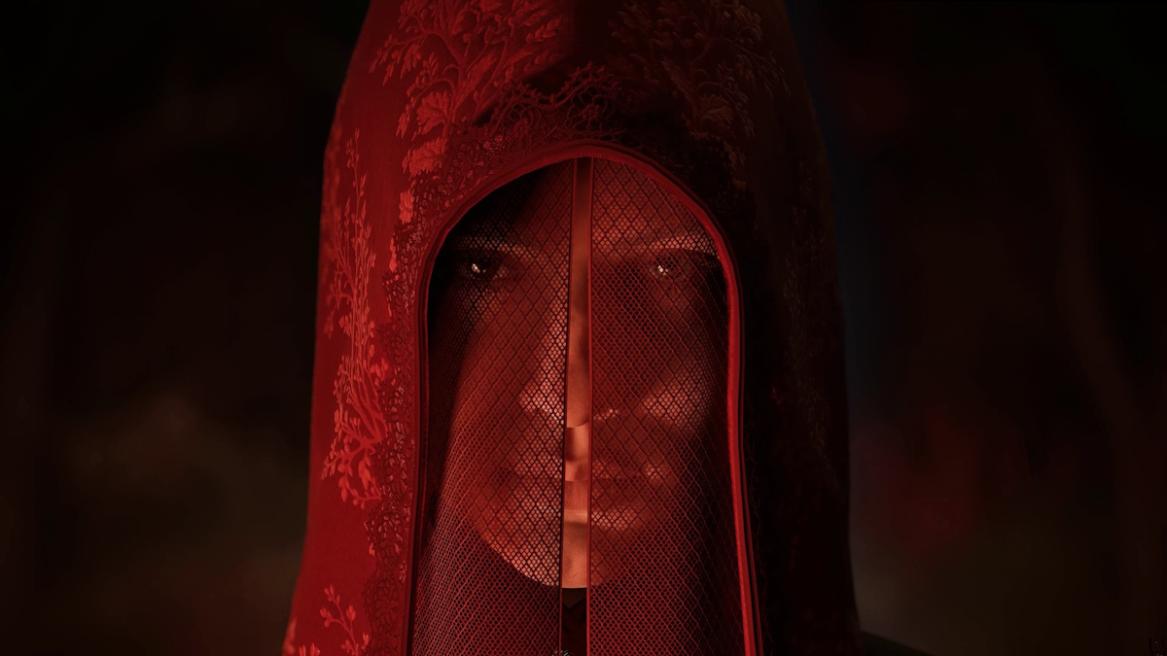
When I heard that the creators behind the Ezio Trilogy were finally ready to show their next big project, I was immediately interested. Assassin’s Creed II, Brotherhood, and Revelations still stand among my favorite video game stories ever told, so there was no chance I was skipping the chance to play the 1666 Amsterdam Prologue. After spending about half an hour with it, I walked away feeling curious rather than fully convinced. That may sound strange, but for a prologue, I think that is exactly what it needed to do.
The Familiar Feeling Started Almost Immediately
The first thing that struck me about the 1666 Amsterdam Prologue was how familiar its storytelling structure felt. The game jumps between multiple timelines, introducing characters from different eras while slowly revealing how they connect to one another.
As someone who spent countless hours following Desmond Miles through memories of Ezio Auditore, that setup immediately clicked with me. The transitions between timelines brought back memories of the early Assassin’s Creed games, where uncovering connections between past and present was often just as interesting as the action itself.
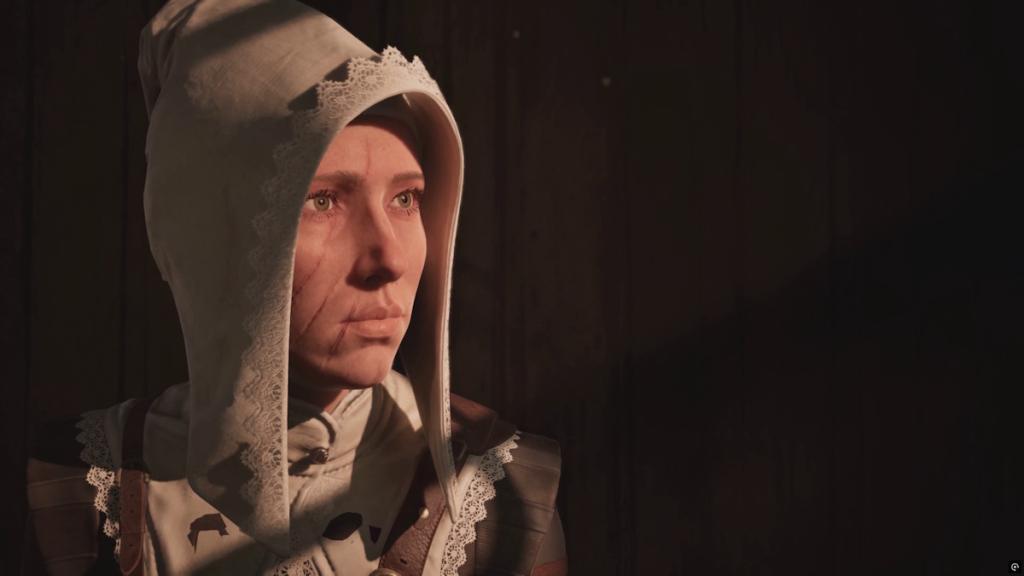
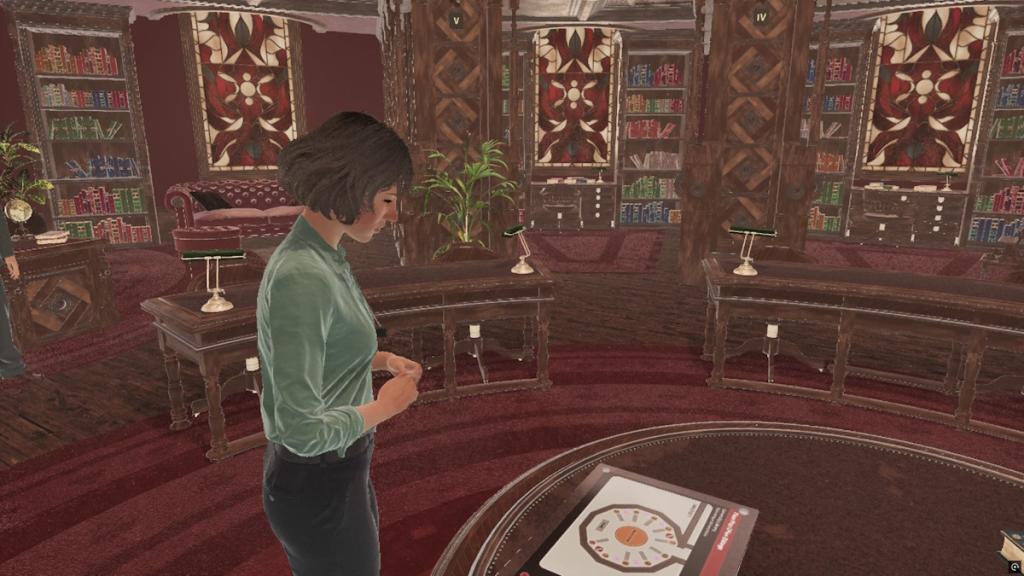

The story introduces Noa, a mysterious witch-like character living in the 1600s, alongside Clio in the modern era and Aaron in 1999. The prologue mostly focuses on setting up these relationships rather than delivering major gameplay moments.
That approach may disappoint players expecting combat-heavy gameplay right away. Personally, I enjoyed seeing the world and characters take center stage first. It felt like the beginning of a mystery rather than a traditional action game demo.
Walking Through History Again, Finding the Apple of Amsterdam
One of the reasons I fell in love with early Assassin’s Creed games was their dedication to recreating historical settings. Even when the stories leaned into fantasy and conspiracy theories, the cities themselves felt believable. The 1666 Amsterdam Prologue gave me a similar feeling.
Well, the demo only offers a small glimpse of its world. However, the architecture, clothing, environments, and atmosphere already show a strong commitment to historical authenticity. Walking through these locations reminded me of my first exploration of Renaissance Italy years ago.
There is a distinct identity to Amsterdam that separates it from the countless medieval fantasy settings we see today. The narrow streets, old structures, and eerie atmosphere create a setting that feels unique even in this early build.
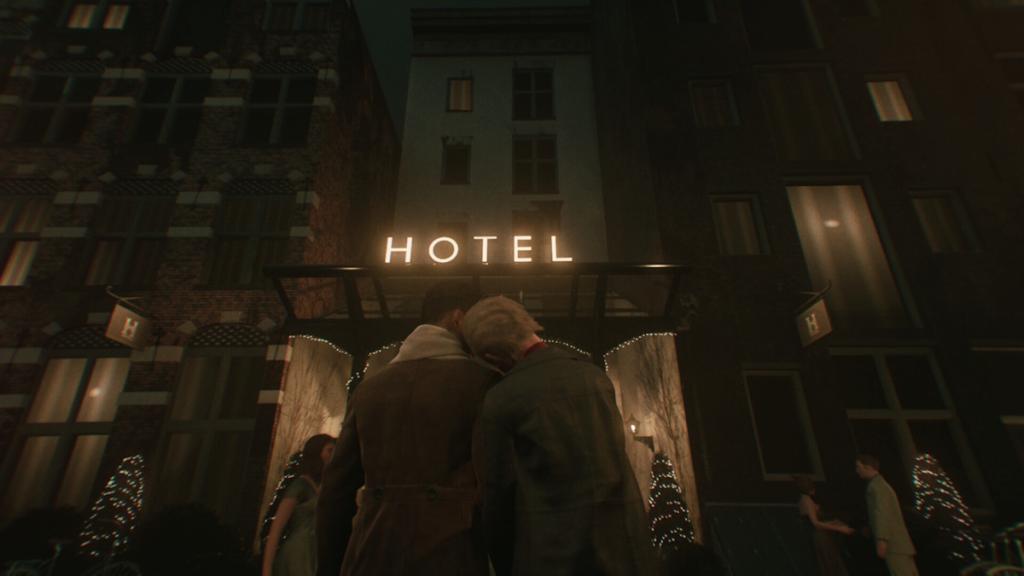
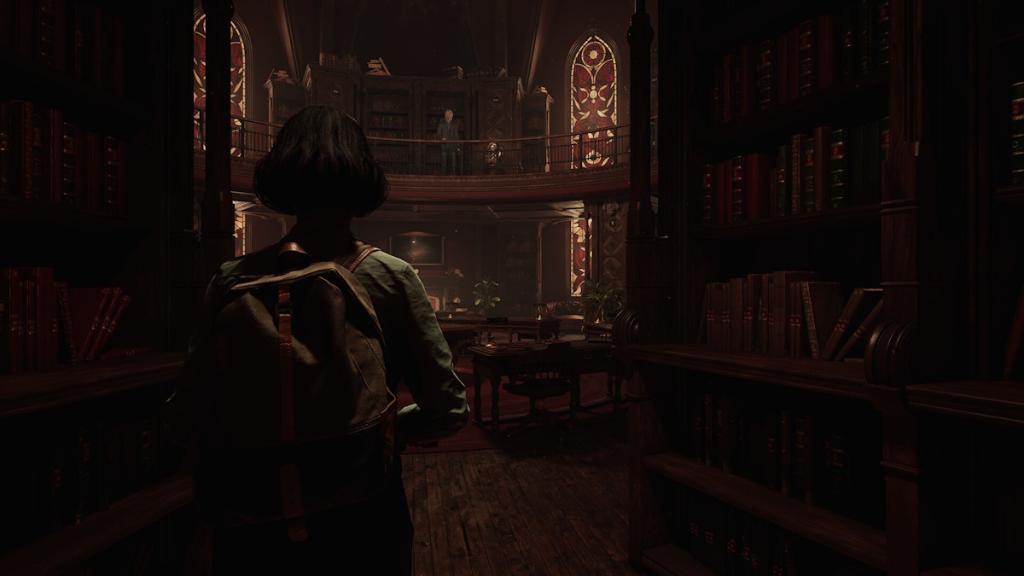
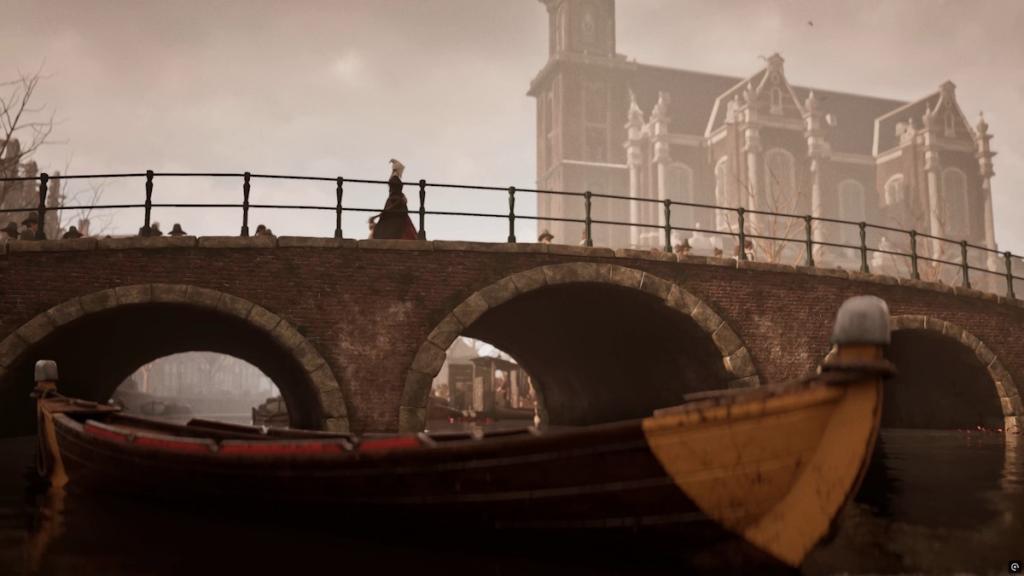
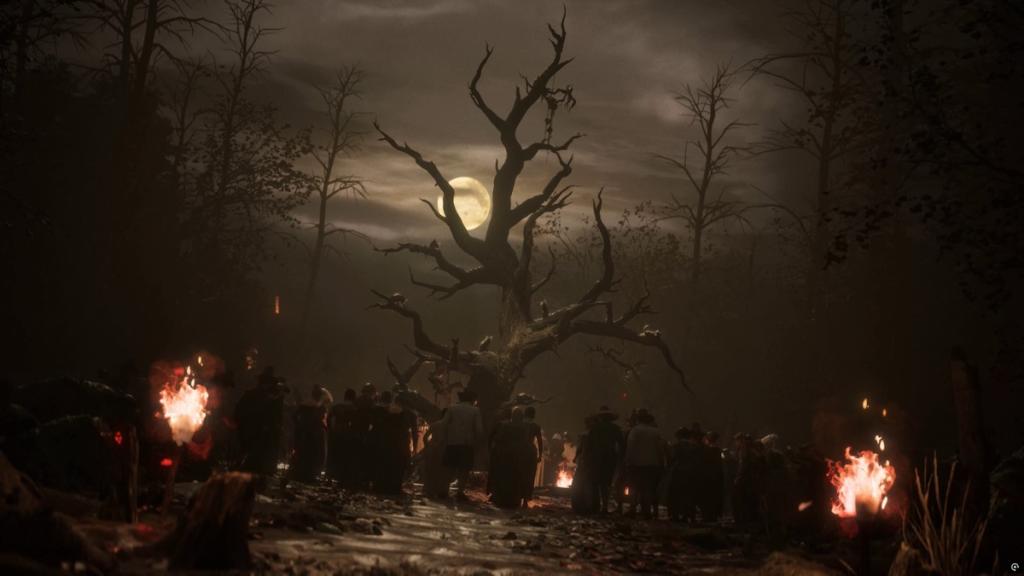
I also appreciate how the supernatural elements never completely overshadow the historical backdrop. Much like the Ezio trilogy, the fantasy aspects seem layered on top of a world that still feels grounded in a specific time and place.
Sometimes Less Is More, Especially As a Cat
The biggest surprise of the 1666 Amsterdam Prologue was the cat gameplay. Players get a small taste of controlling Clio, Noa, and Aaron, though Aaron’s feline sections ended up being the highlight for me. Of course, I would love more of the present-day explorations I did as Clio, but moving through environments as a cat immediately felt different from the rest of the experience.
The traversal is divided into running, walking, and, of course, my favorite, the cat-kour. When you are a cat, the game has a strong parkour focus, with jumps and environmental navigation playing a major role. More than once, it reminded me of Stray, although this version carries a much darker and creepier tone.
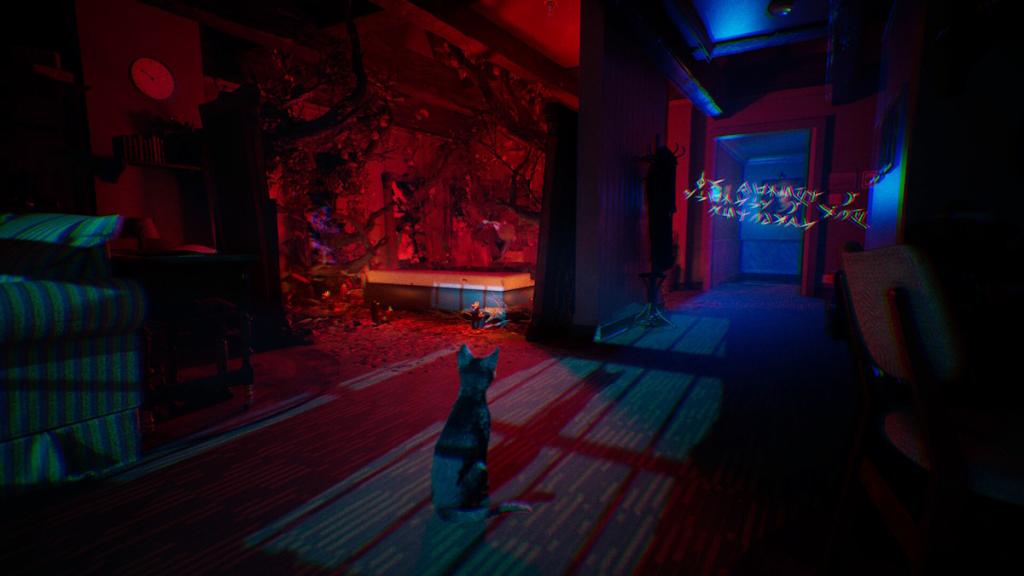
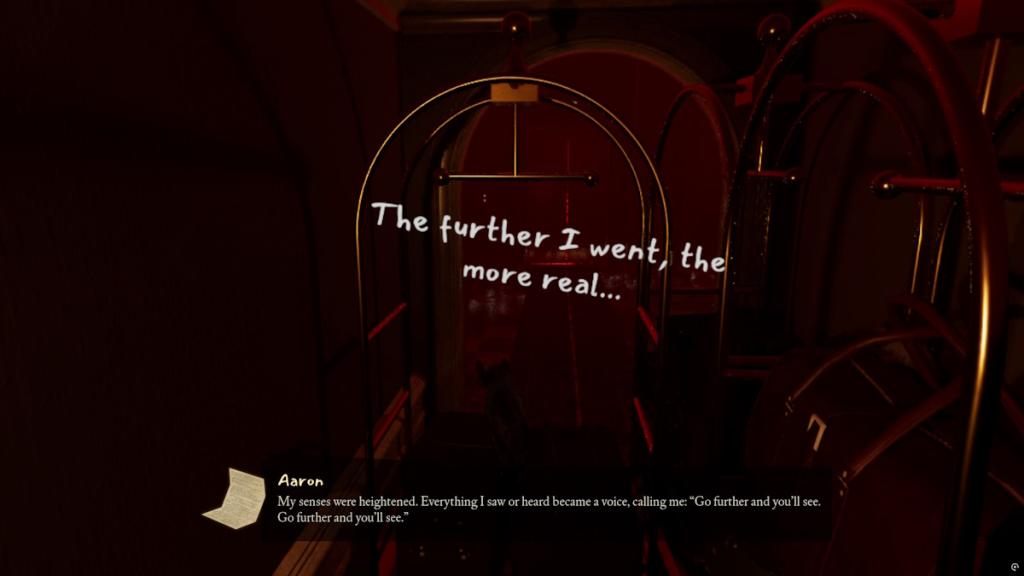
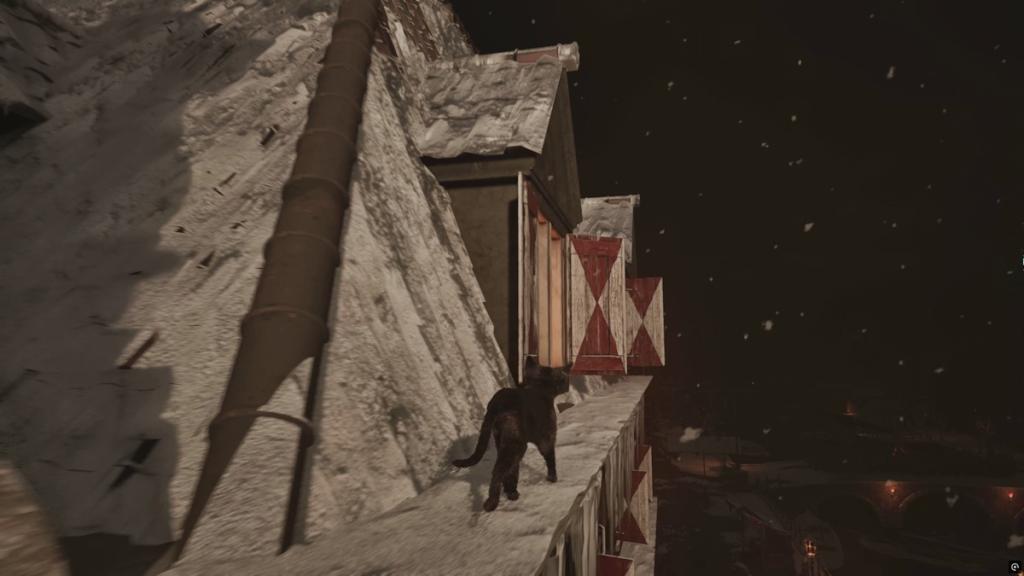
There is an unsettling feeling that follows all three characters throughout these sequences. The world feels distorted, mysterious, and occasionally uncomfortable in a way that works well with the game’s themes. Whether it is the fun little exploration at the library or the creepy (and quite spicy) hotel room shenanigans, the story unfolds like a movie.
Not Perfect Yet, But Easy To Keep An Eye On
Unfortunately, the prologue ends right when things start becoming truly interesting. Just as the relationship between Noa and Aaron begins to take shape, the experience cuts to black and leaves players with more questions than answers.
The presentation is not perfect yet. I noticed some frame rate drops and rough edges throughout my time with the demo. Since this is a prologue and not the final release, I write this more as feedback than criticism. Having just finished 007 First Light a few days back, I can tell you my PC is still capable of pulling more than 30 FPS.
Normally, I would find these few things frustrating. Here, I think it worked. The 1666 Amsterdam Prologue is less concerned with showcasing every gameplay system and more focused on introducing its world, timelines, and central mystery. While I would have loved to see more combat, more witchcraft abilities, and a deeper look at Amsterdam itself, I came away intrigued by the foundation being built.
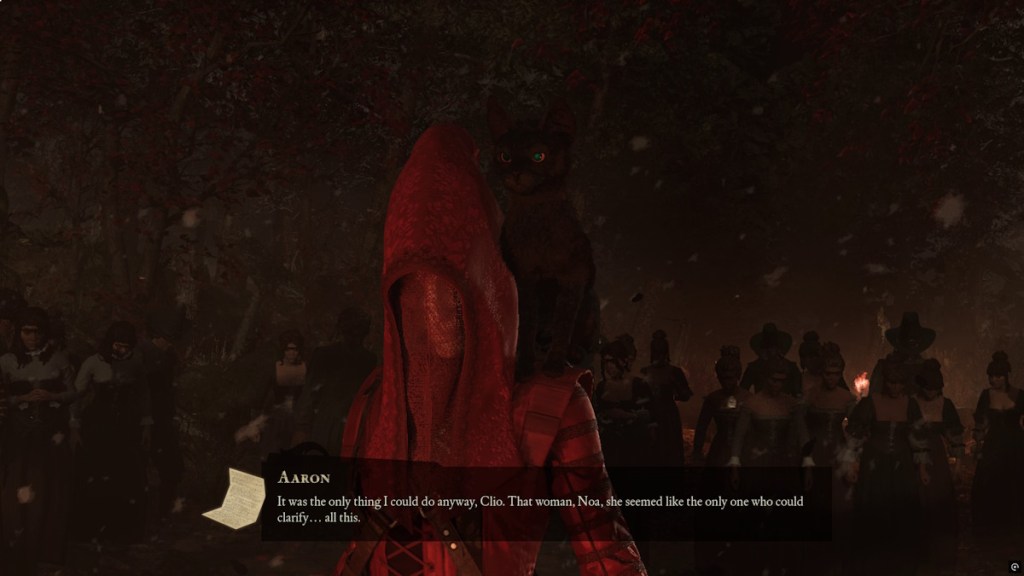
Most importantly, I came away wanting to see more. Considering the pedigree behind this project and the memories I still have of the Ezio Trilogy, that is a promising start. The 1666 Amsterdam Prologue may only offer a brief glimpse of what’s ahead, but it already feels like a game worth keeping an eye on.
And as for the performance, I am sure the developers will optimize the game enough before the full release. Until then, let me make up theories around the universe of 1666 Amsterdam, or at least how much I have seen so far. And, if you are interested in the prologue story as well, check the demo for yourself.