Beebom Score
Crimson Desert squared up as one of the biggest games in 2026, featuring an insanely massive world and mechanics taken from every big RPG out there put together, promising a tasty homely broth that gamers have been missing for a long time. However, the game’s launch was met with massive backlash, but fascinatingly, the following days helped them redeem their reputation due to timely updates from the developers.
That’s also been my journey in Crimson Desert so far. After taking my sweet time with the game after its release, I have finally played enough to write my Crimson Desert review. Just so you know, this has been my hardest game review thus far, as my relationship with the game could only be explained as toxic at first, miserable to continue, but hard to leave behind.
It was only after countless hours of testing my patience that I finally saved my relationship with Crimson Desert, reaching a point of both disgust at certain aspects and appreciation for others.
Pywel Is Gorgeous… Shame It’s Also Exhausting as Hell
Ever since I saw the first Crimson Desert showcase, I had a nagging doubt that it was all just a fancy showcase and couldn’t possibly be real. After hours of gameplay trailer showcases, I finally had to swallow my doubts about the game’s existence and eventually started looking forward to getting my hands on it.
The trailers boasted the Crimson Desert map as massive, gorgeous, and infinitely filled with content. We saw Kliff doing all sorts of godly things, and it was enough to spark anyone’s hunger for another big adventure.

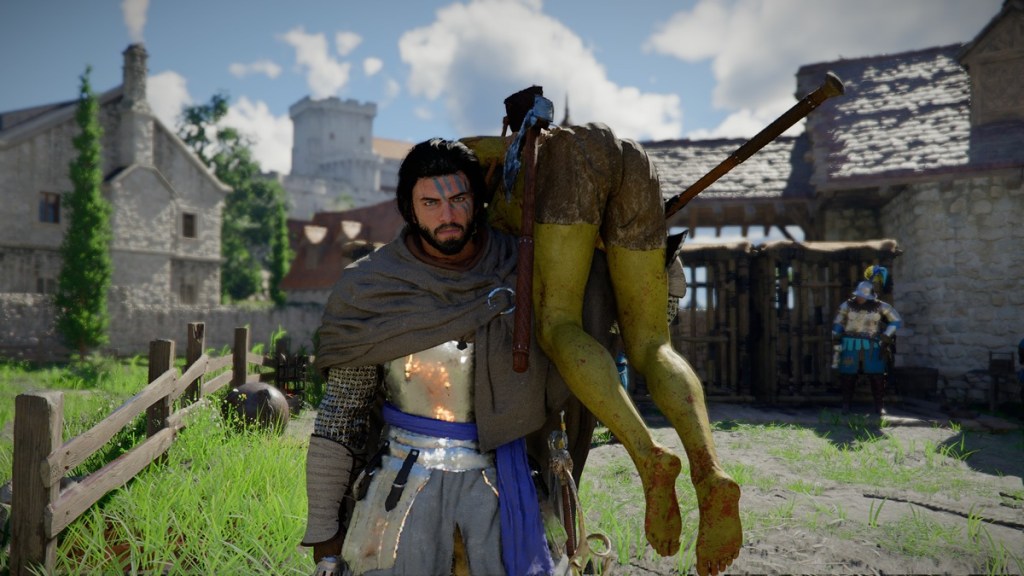
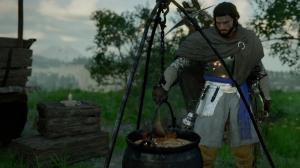
Sadly, no one told me how backbreaking the initial part of the game would be. Don’t get me wrong, Pywel looked amazing the moment I dropped into Crimson Desert. Every swing of the sword felt crisp as I mowed through the Black Bears in the first scene, and then the bandits I came across in the game.
But that honeymoon period didn’t last long. The next 30 to 40 hours could be quickly summarized as the most boring and pathetic experience I have had in any open-world game. Yes, there were moments I enjoyed, especially the combat and unlocking new skills, but that alone was not enough to sustain my enjoyment of the game during that period.
Crimson Desert Promised a Story, But What We Got Was a Chore Simulator
Wondering why I’m ripping apart the game in this review? Well, first of all, the game’s story is essentially non-existent. Every quest is disjointed, broken into fragments with no understandable correlation. Being someone who has tried his luck on multiple MMORPGs before, I could easily spot the similarity. The questline was shaped for an MMORPG, instead of a single-player action adventure.
This was likely due to Pearl Abyss’s roots in Black Desert Online, their biggest MMORPG success, and the game they made before Crimson Desert. Although there is no direct story connection between Crimson Desert and Black Desert Online, many of the mechanics overlap, and the story progression is one such thing.
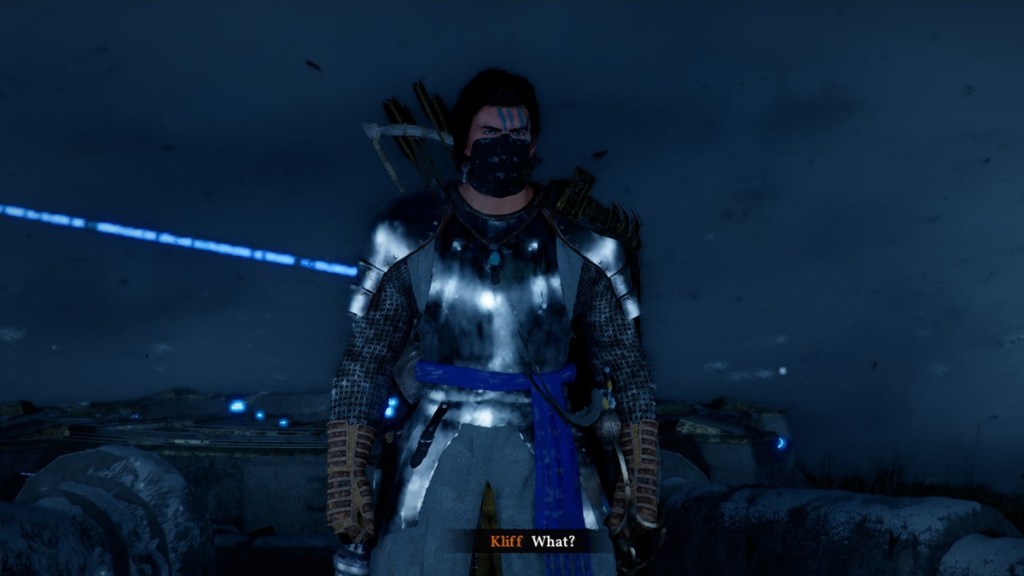
The disjointed story is not even that big of an issue in the grand scheme of things, as the questlines themselves make no sense at all. Playing quests in this game feels like doing chores with some fighting sprinkled in between.
I still remember spending three entire hours doing fetch quests veiled as important missions, which led me to quit the game out of pure frustration.
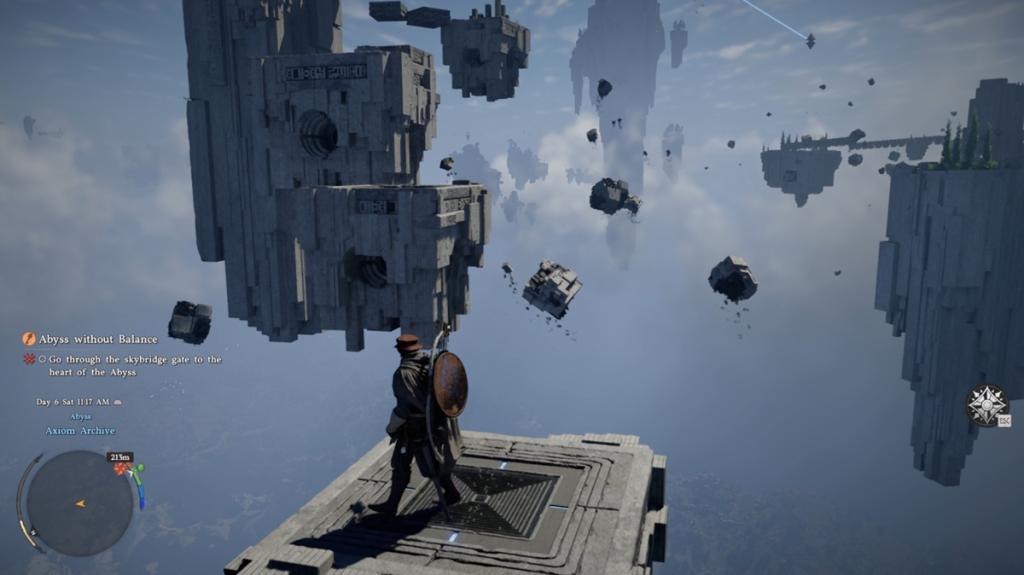
Let’s look at a small example to understand what I mean. One of the mainline quests will ask you to go to Scholastone Institute, a pretty cool-looking place. Here you will meet a mad professor who wants to open the door to the Abyss. So, I stayed back to see him open the gates the next day. The following day, the professor does a big presentation to the audience and says he will open the Abyss…but nothing happens.
Now, when I say nothing happens, it’s not like the objective or ritual fails. Instead, a mission pops up on the top bar, asking me to open the gate by doing a sequence of puzzles. Why are we doing it? Who asked us to do it? Why do we even want to do it? No clue.
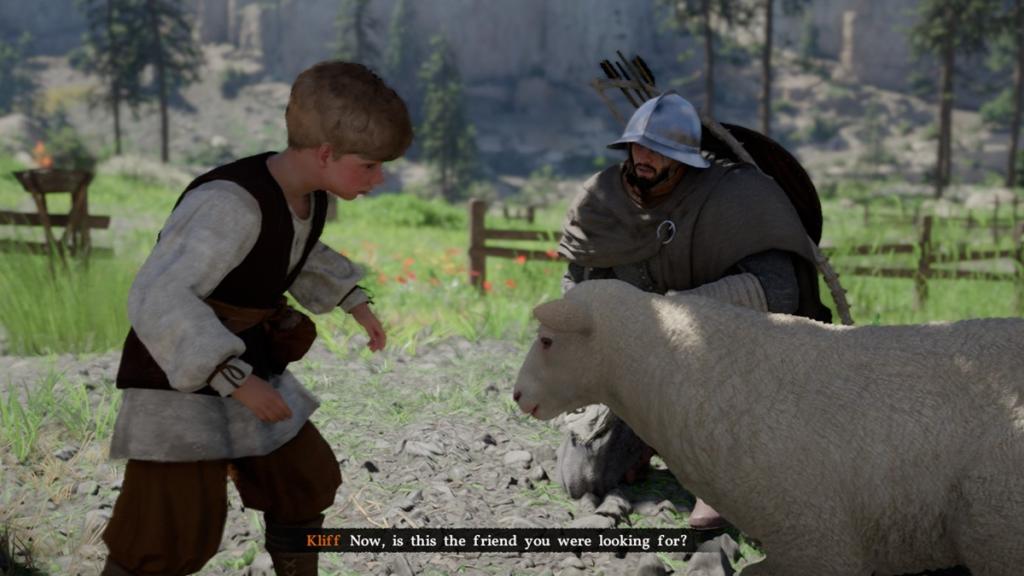
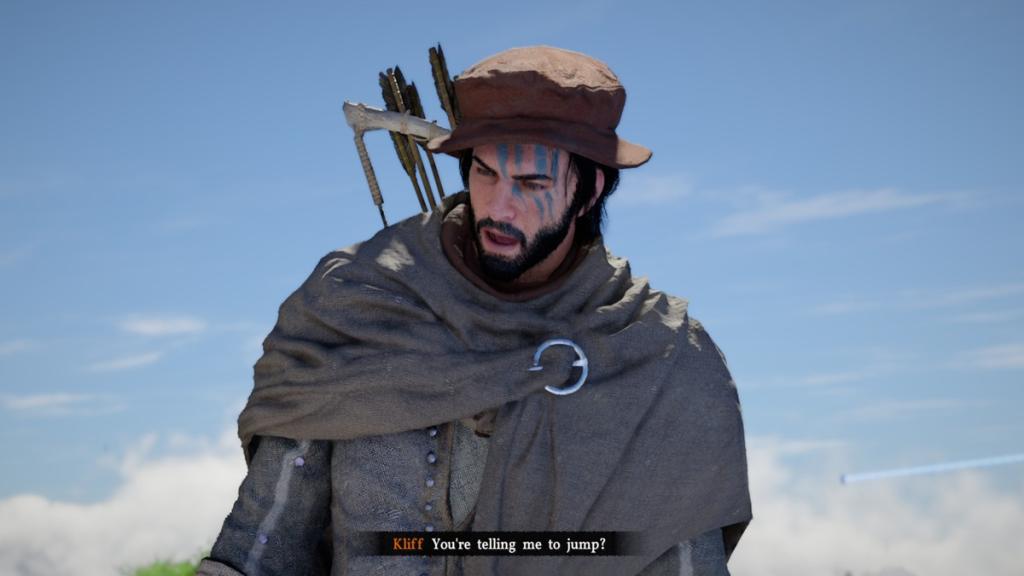
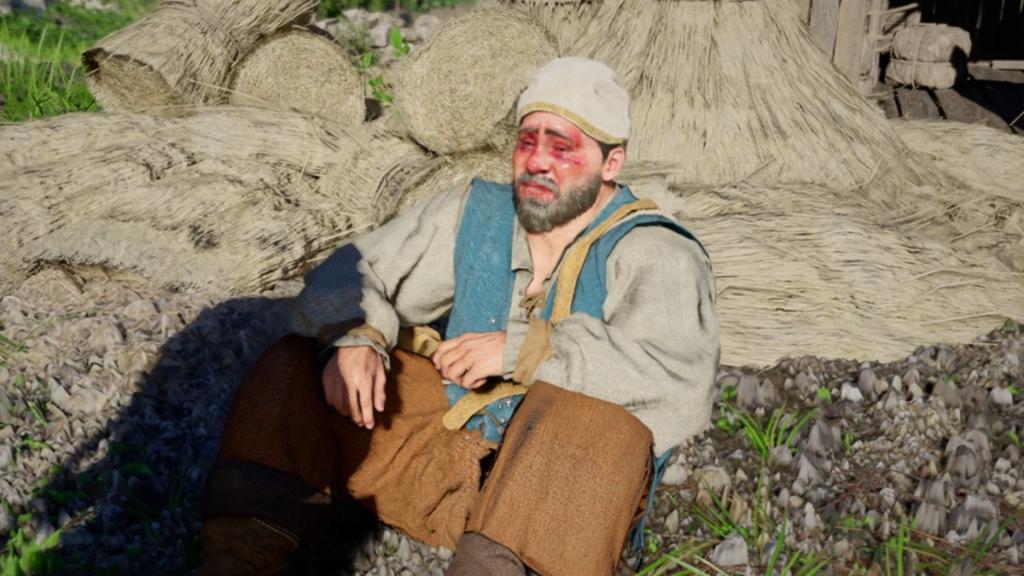
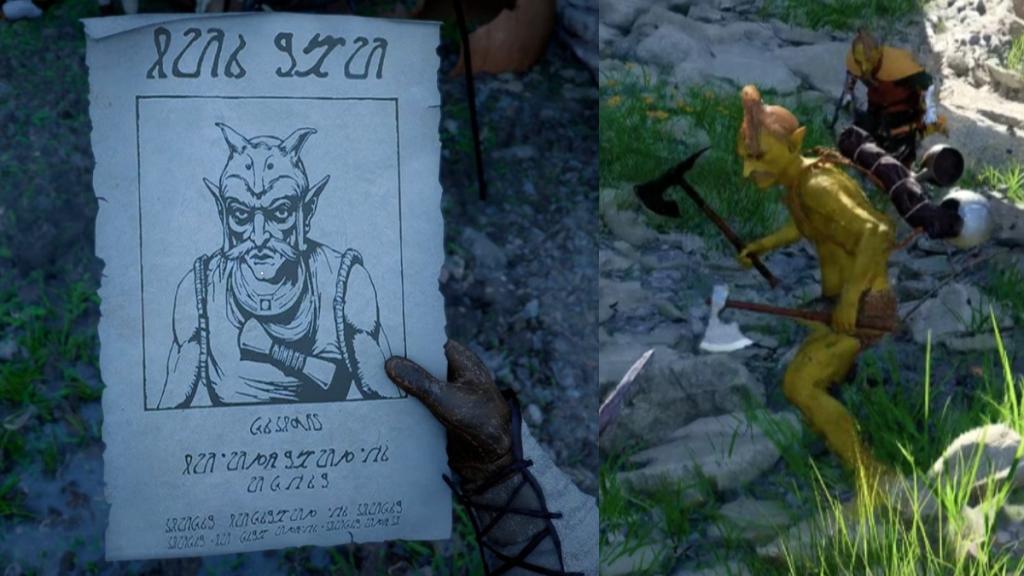
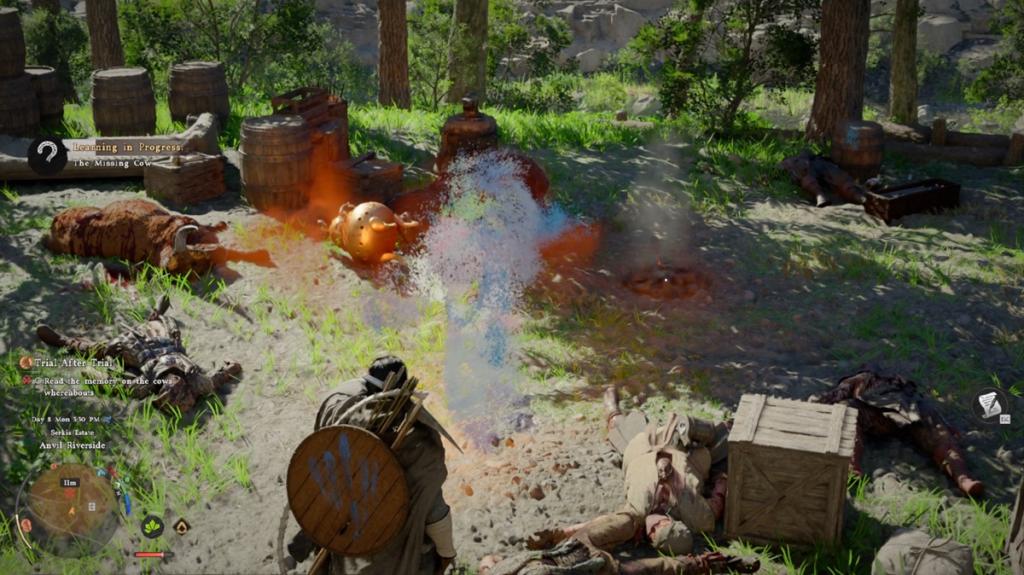

What’s bizarre about Crimson Desert is that the game handholds players from one quest to another, without any context in between. But when handholding is necessary, or just simple instructions on what can be done, the game just leaves you alone in complete darkness. That’s mostly the case for almost all puzzles in Crimson Desert.
Amazing Puzzles, Held Hostage by No Direction
Puzzles in Crimson Desert are actually really well done. This is among the few games I can say have puzzles that genuinely make you work your brain to figure them out. However, the puzzles also become one of the most terrible and gate keeping aspect of the game due to the poor directions associated with it.
Almost none of the puzzles have properly defined instructions on what needs to be done. This is generally fine, as games tend to teach you mechanics early on that are later used in puzzles. So, in a typical game, you have to simply figure out which of the mechanics you have already learned can be used to solve it. Crimson Desert doesn’t do that. It doesn’t teach you the proper mechanics to solve a puzzle.
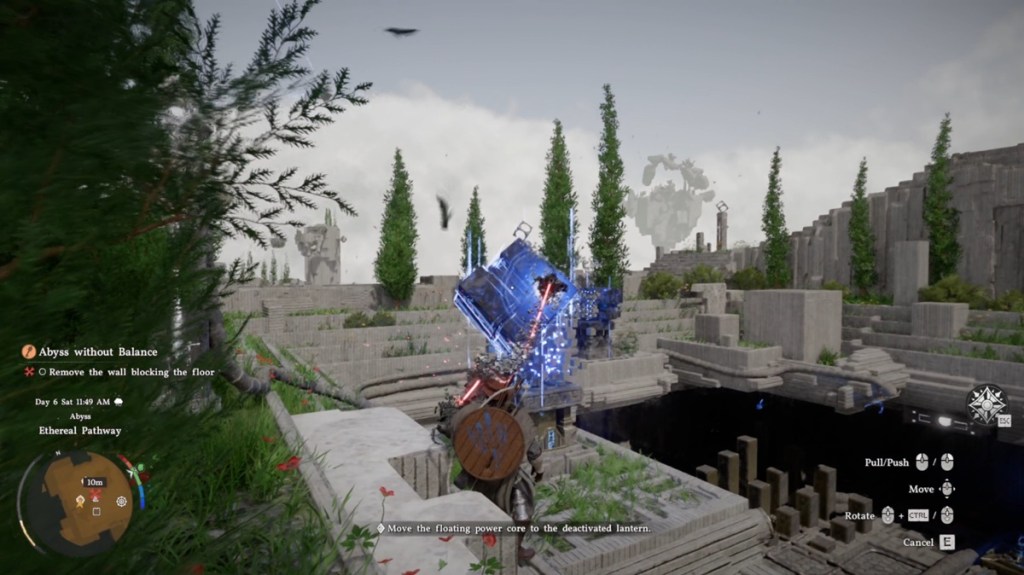
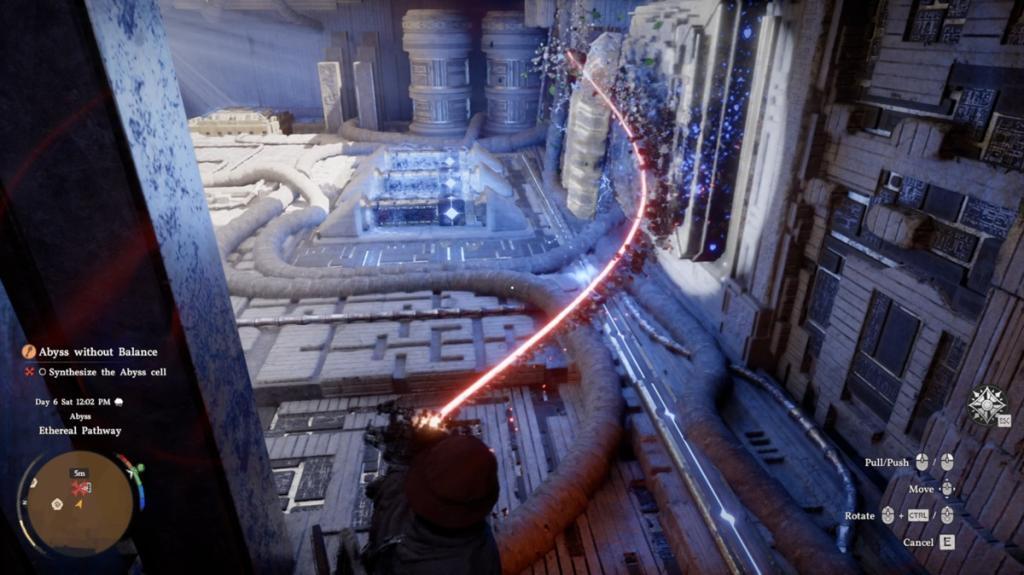
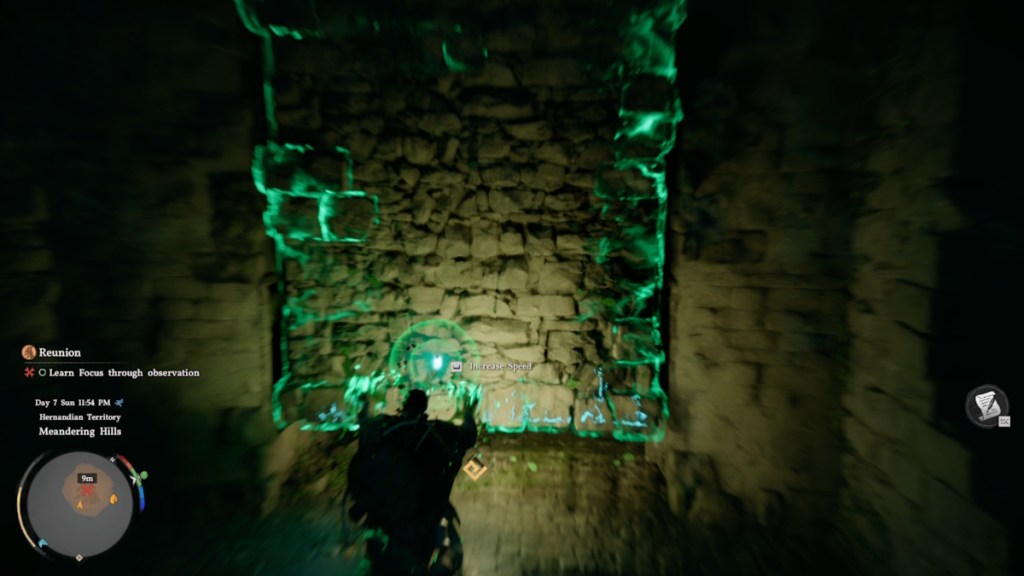
Instead, most of the puzzles have ‘specific mechanics’ that you have to learn while solving them, with no prior instructions. For example, one time the game asked me to use Axiom Force to pull a device. Previously, I had learned how to use Axiom Force before, which was to hit ‘Tab’ to aim at the object, and then use the mouse buttons to pull or push it.
However, when I used the Axiom Force and tried to do exactly that, I realized that there was no option to pull or push it. After trying to figure it out for hours, I had to resort to checking out an online guide (yes, a reviewer had to check out a YouTube guide).
There, I learned that for some unknown reason, for that particular puzzle, I had to hold ‘CTRL’ and slowly move my mouse upwards to make the object move. Why I had to do that, and why the game never taught me about it, is something I will never know.
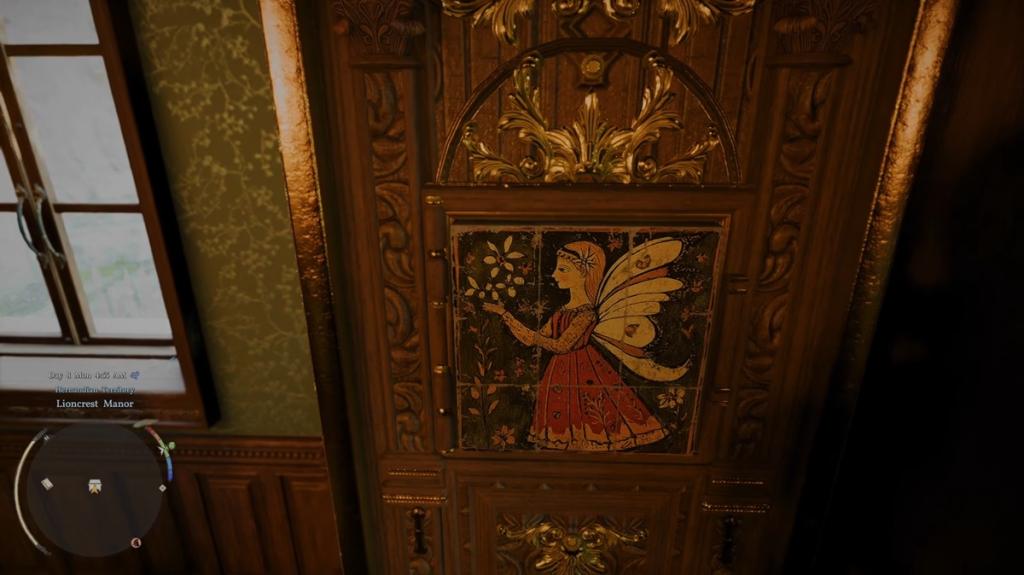
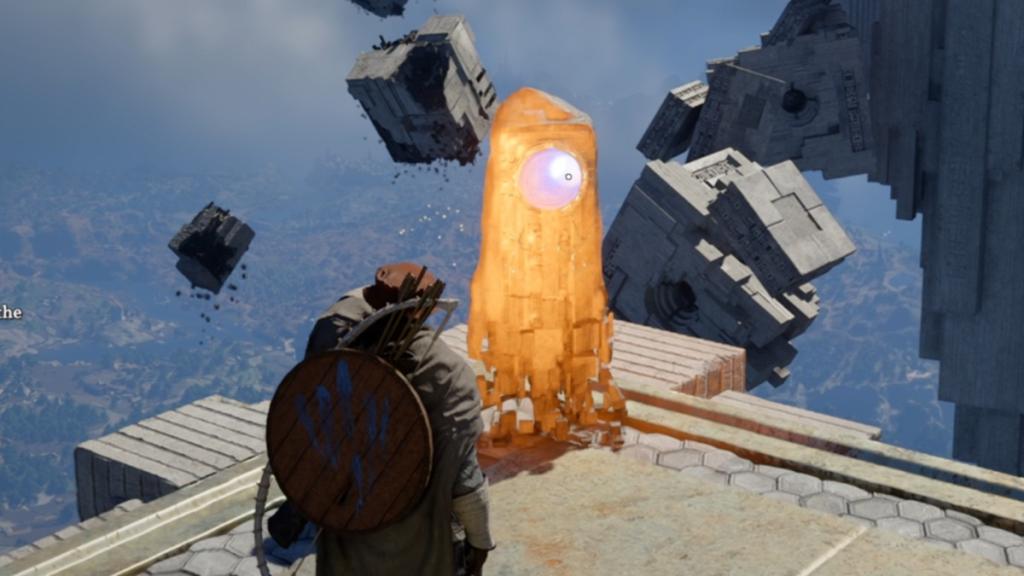
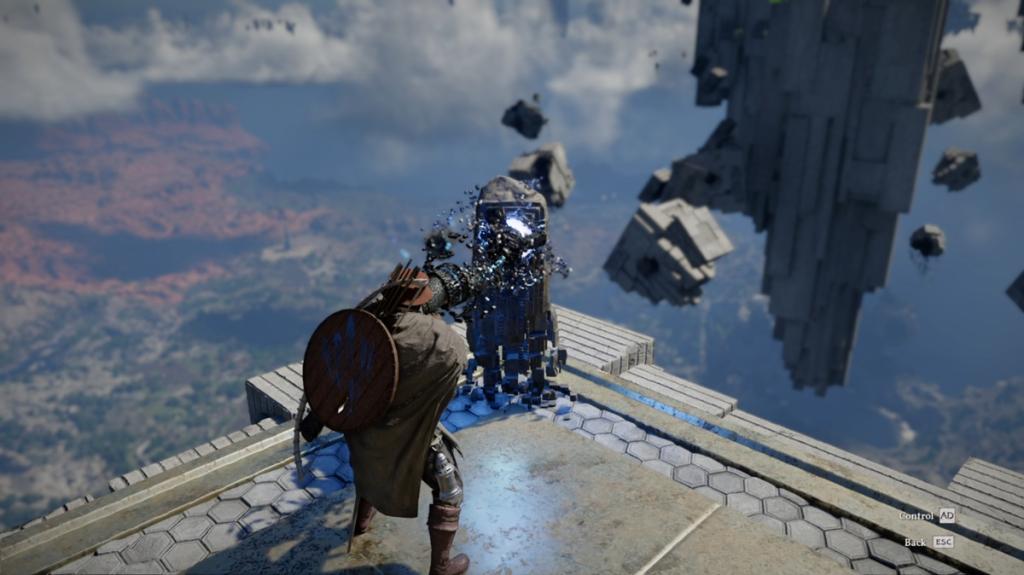

This trend is common throughout the game, and particularly more so for the main questline puzzles. Once you are stuck on a puzzle, it can take hours to figure it out, only to realize a new mechanic about the game that you either haven’t unlocked from the skills or never previously used during normal gameplay. However, after solving the puzzle, you can actually appreciate the thought put behind it.
But it is equally true that at one point, I quit playing the game and took a break because one such puzzle in the mainline quests made absolutely zero sense due to a lack of instructions. This was also when I finally decided to stop completing the main quests and simply explore the world of Pywel. Just this slight change of plan completely changed the rest of my playthrough of Crimson Desert.
Marketed as an Action Adventure, Built Like a Sandbox
After I decided to abandon the main quests in Crimson Desert, which is the worst aspect of the game by a huge degree, I finally started to enjoy it. Crimson Desert is not an action-adventure game, as the developers have stated multiple times. When we hear action-adventure, we expect a single-player storyline that is closely tied to the game. Instead, the main questline or story is basically an afterthought in Crimson Desert.
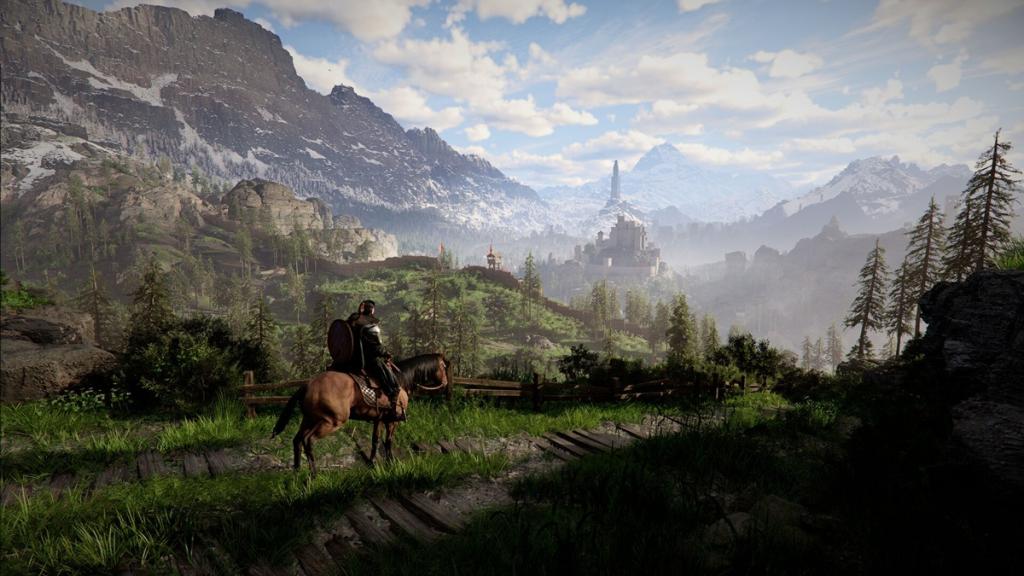
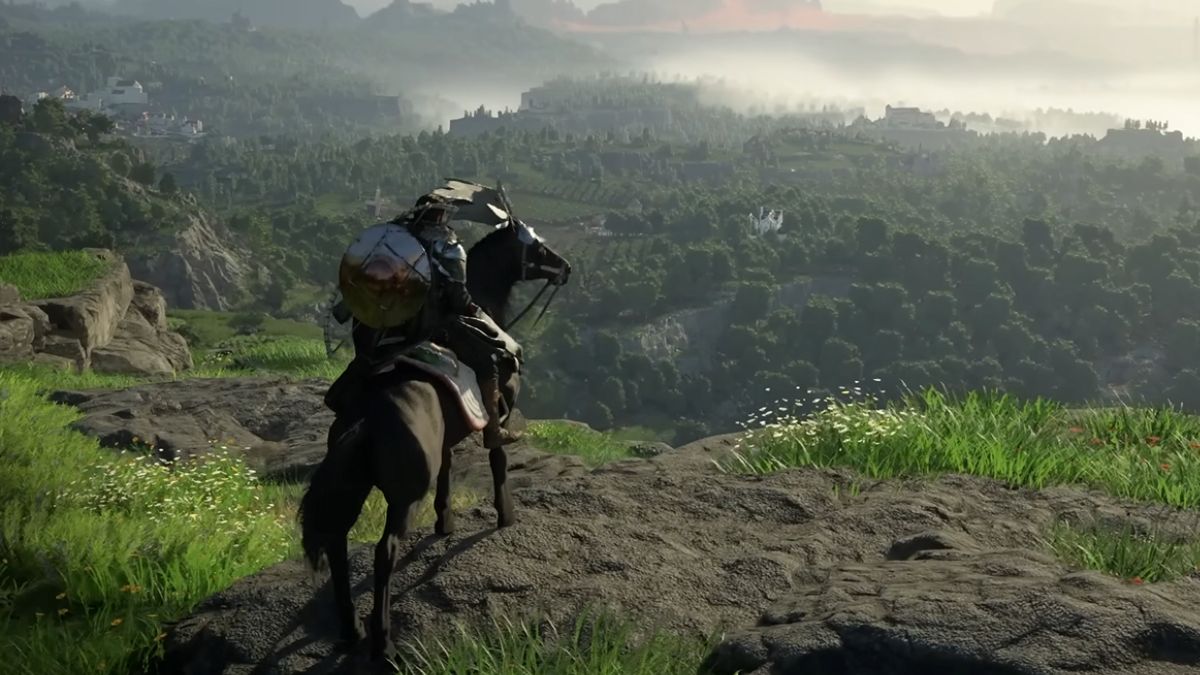
The world of Pywel is not only massive, but it is also completely open for exploration from the moment you drop into the game. The exploration aspect of the game is where it genuinely shines the most.
The moment I stopped caring about the main questline and started to explore each nook and cranny randomly, I started to enjoy the game. That’s when I realized that Crimosn Desert is not an action-adventure; it is an action-sandbox game, like Valheim on crack.
This simple understanding of the gameplay completely changed my perspective on the game. Instead of staying limited to the painstakingly boring questline, I headed out into the world and started my side journey.
Every area in Pywel is exceptionally well created. The areas look different, have a different culture, and when you stop caring about stories, you start to notice the little things the developers left behind, like petting a random cat.
Every NPC has a unique set of roles they perform daily, from brooming the streets to praying in church on Sundays. Pywel does appear as a living world, not at the scale of Kingdom Come Deliverance 2, but quite close to it.
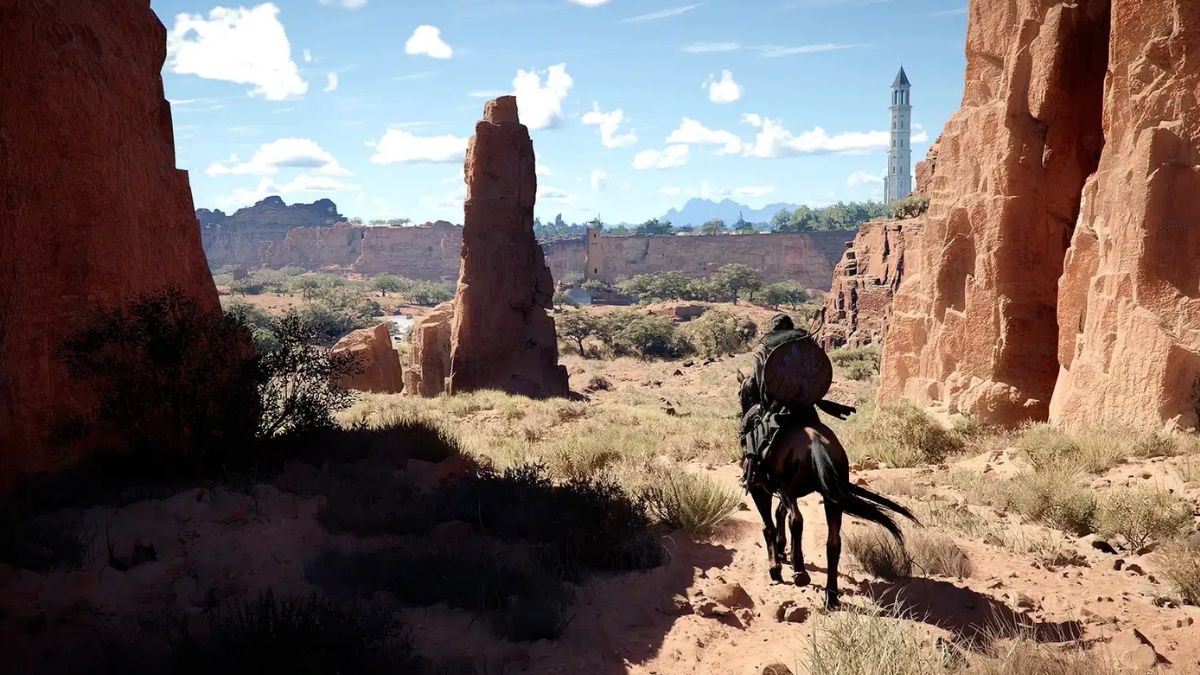
Sometimes, you could see NPCs work tirelessly on building a monument, slowly working their way every day to complete it. Dropping food or items will make nearby NPCs come and pick them up for you, which also acts as a despawn system in the game.
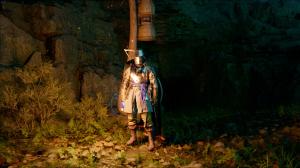
The game also has so much to explore. Every ruin or waterfall hides a secret behind it. And many of these rewards will change how you play the game early on. One example is the Helm of the Fallen Kingdom that I found after completing the puzzle in the Sanctum of Benediction. The helm not only looked extremely cool, but it also came with the 35% turning slash damage core.
You will constantly find such loot hidden even in the earliest areas of Hernand with just a bit of exploration. The only catch is that you have to stop playing the main quests and start exploring to actually achieve that; otherwise, expect walking from one end of the map to the other without getting to unravel the secrets in between.
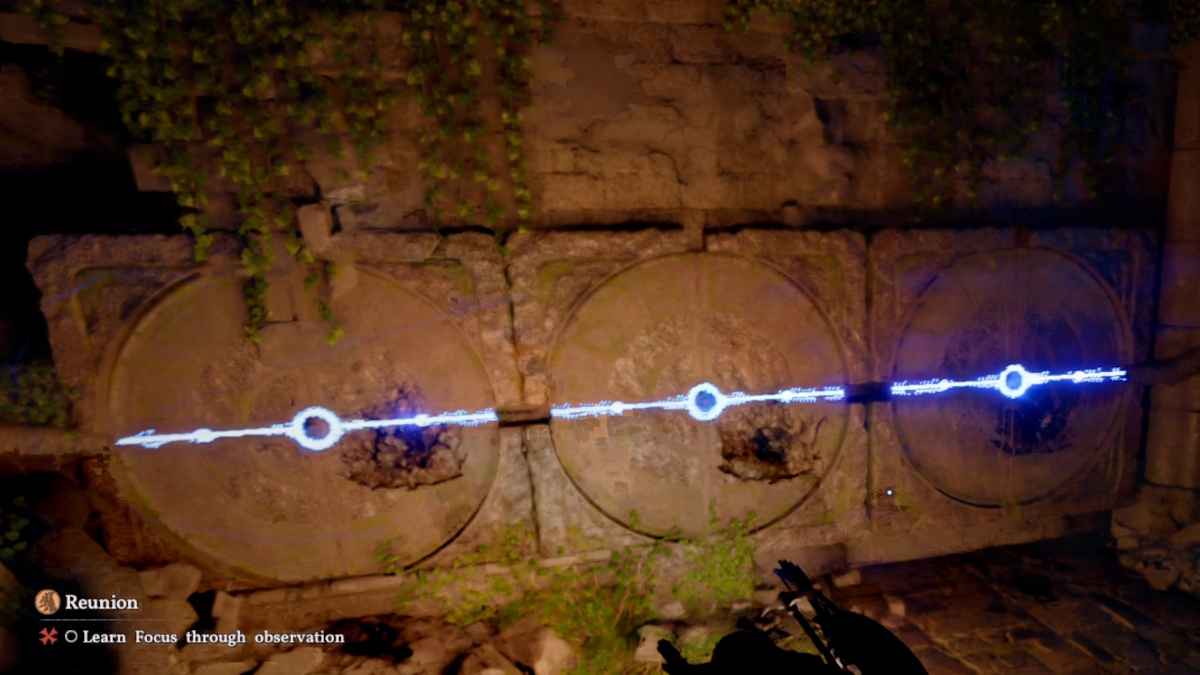
But that’s not all; Kliff can observe his surroundings to learn new skills. Oftentimes you will run into combat where your enemy will execute a move that is unknown to you, and Kliff will instantly learn it. Sometimes you can find martial arts NPCs practicing moves that you can learn. Other times, you can pick up abilities like fishing or brooming.
The Mounts Deserve Their Own Game
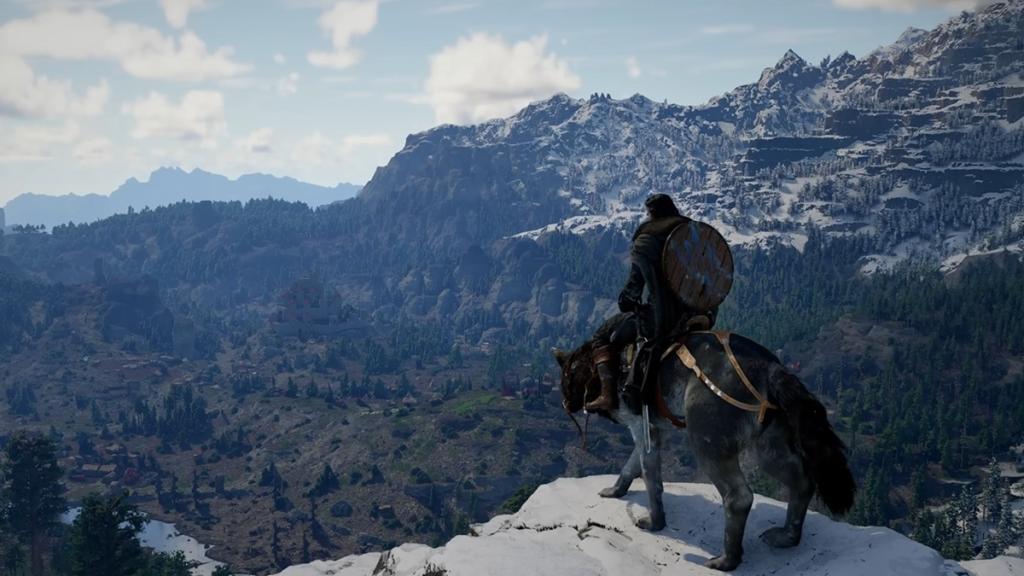
When it comes to exploration, it would be criminal not to have a separate section for the mounts in Crimson Desert. This is a mechanic I absolutely adore, but fail to see properly executed in most games thus far. It has only been the MMORPGs that have perfected the mounts formulae, and I appreciate Pearl Abyss for bringing it to Crimson Desert.
There is an incredible variety of mounts in Crimson Desert. You can not only ride horses, but also tame Bears, Dinosaurs, Raptors, and even Dragons. There are Mechs in the game that shoot missiles, Dragons can burn entire outposts alone, and Bears will tear down every bandit that comes across you. With the recent patch, the game also added wolves as mounts that can fight alongside players, which was well-appreciated in the community.
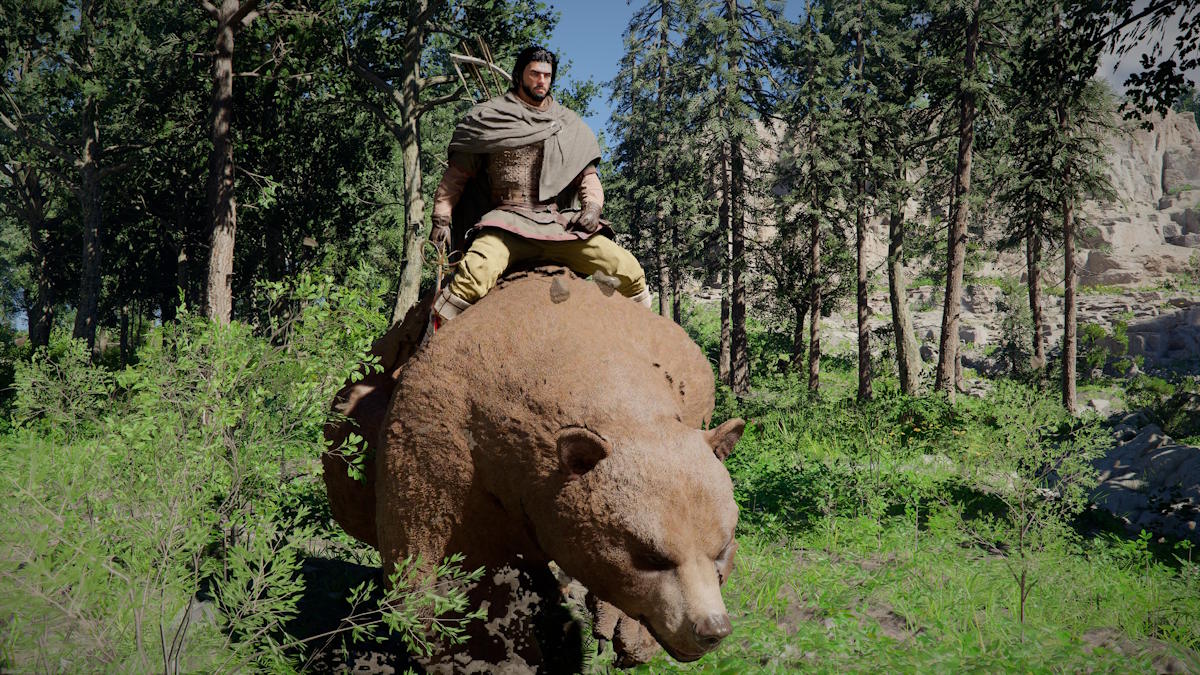
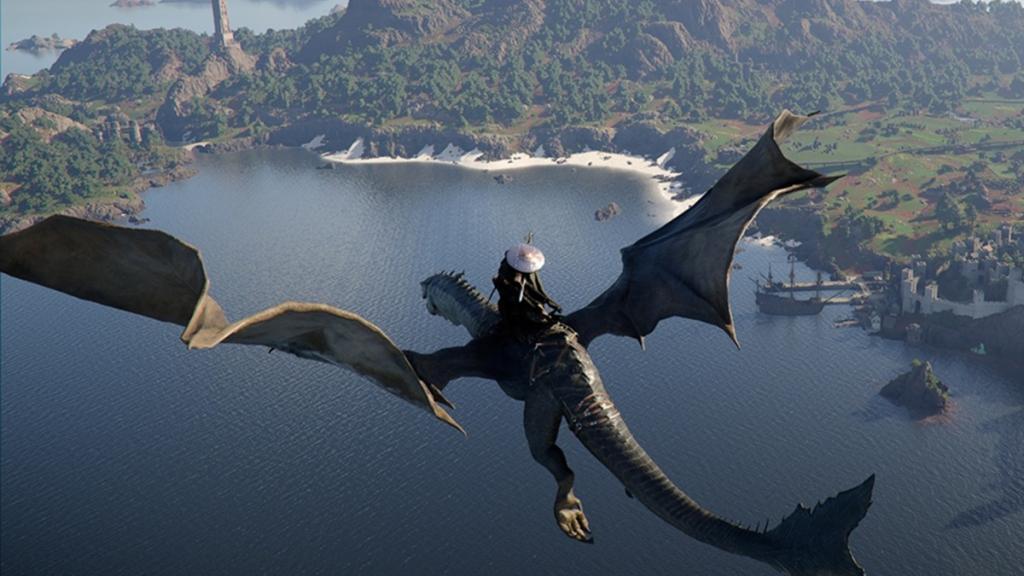
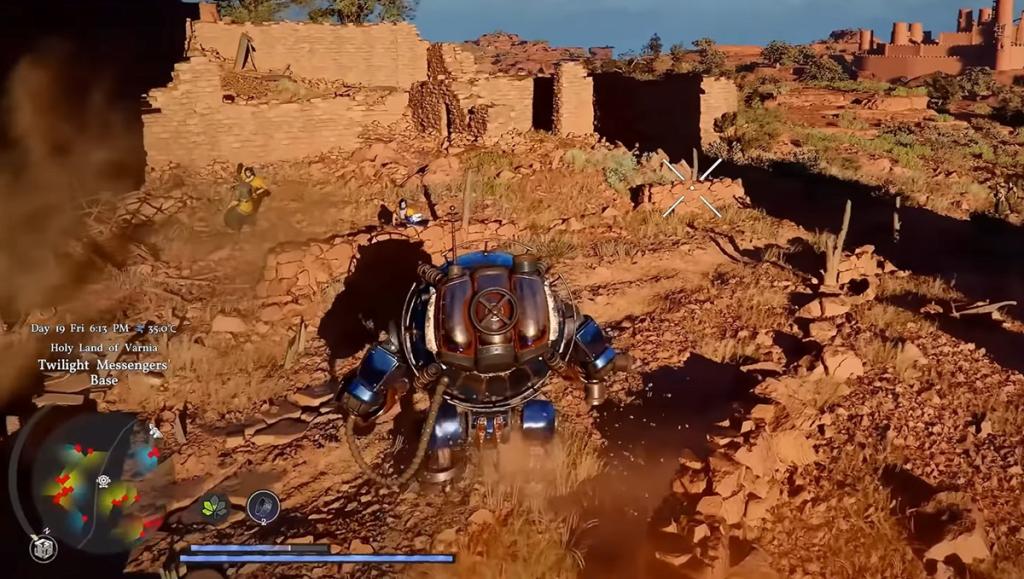
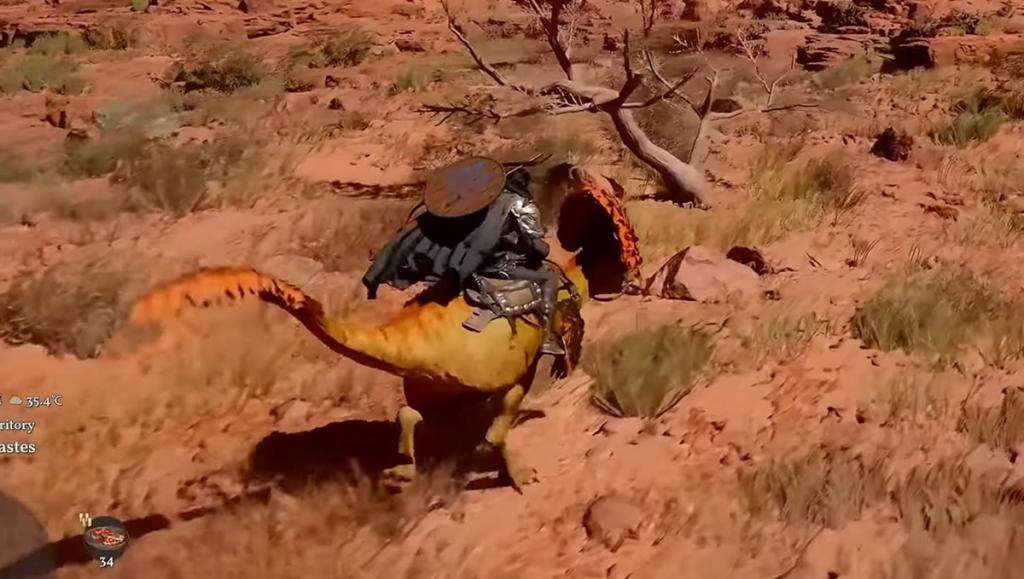

The only thing that’s quite a drawback is that most mounts in Crimson Desert are temporary. This might change in the near future, but you cannot fully tame mounts like the Bear in the game. For such an essential mechanic and the fact that it is extremely cool to be able to ride a Bear at any moment, I do not understand why they were made temporary in the game.
Thankfully, the Dragon mount in Crimson Desert is permanent and can be summoned at any moment once unlocked by progressing the main storyline.
A Combat System That Carries Crimson Desert Like a Champion
Crimson Desert has one of the best combat systems in any action-adventure or RPG I have ever played. The combat is highly reminiscent of Dragon’s Dogma at the core, but Pearl Abyss made sure to add every ridiculous ability they could conceive in the game. From wrestling moves to mystical abilities, Crimson Desert has a healthy mix of both.
My personal favorites are the wrestling moves, and I cannot stop myself from doing RKOs against enemies whenever I get the chance. The wrestling moves even feel better than a dedicated WWE game, like the recent WWE 2K26.
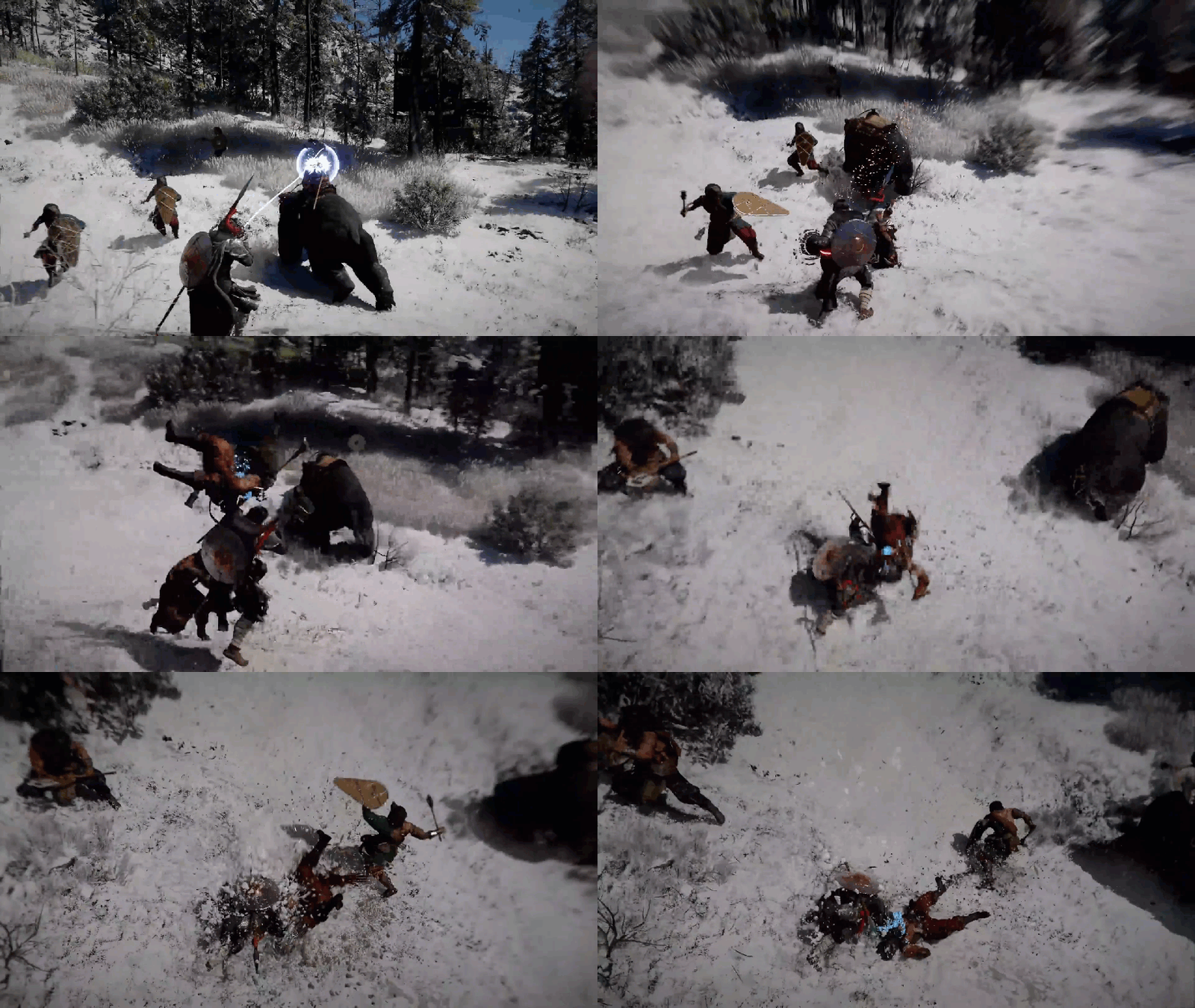

There is an incredible amount of depth to Crimson Desert’s combat, even though it may appear as button-mashing at the surface level. Once you come across more challenging encounters, you will realize that simply mashing buttons won’t get the job done.
Instead, players have to rely on specific combos and abilities they have unlocked to have a breakthrough in fights. And the game provides enough paths for players to choose their own playstyle. It’s the mix of skills you learn as you progress through the game that defines how fast you will be able to get through the challenging aspects.
Interestingly, combat against normal bandits and other casual enemies is starkly different from boss fights. I realized it when facing the first big boss in the game, Kailok the Hornsplitter.
Each Boss Fight Is Either Legendary… or Liability
Crimson Desert has an incredible number of bosses to fight, and most of them are distinctly unique. Even after weeks of playing the game, I have not even come close to fighting all of them. But bosses in Crimson Desert have a big problem. First, boss combat encounters are drastically different from normal fighting encounters.
The very concept of fighting a boss is different. You cannot simply spam attacks; instead, every move you make has to be deliberate. This is a major difference from the normal combat encounters, where you are essentially a natural calamity mowing through enemies.
I won’t say I disliked this aspect, but it was definitely different from what I have experienced in other games. For example, in Elden Ring, even though each boss has unique abilities and movesets, the essential mechanics to defeat them are the same: dodge attacks and deal damage. That’s not the case for Crimson Desert.

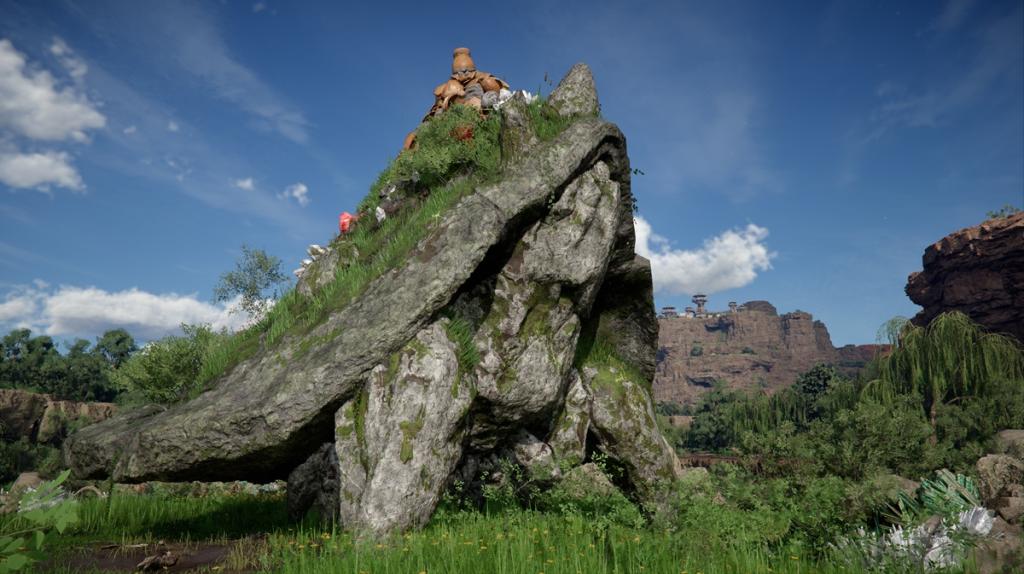
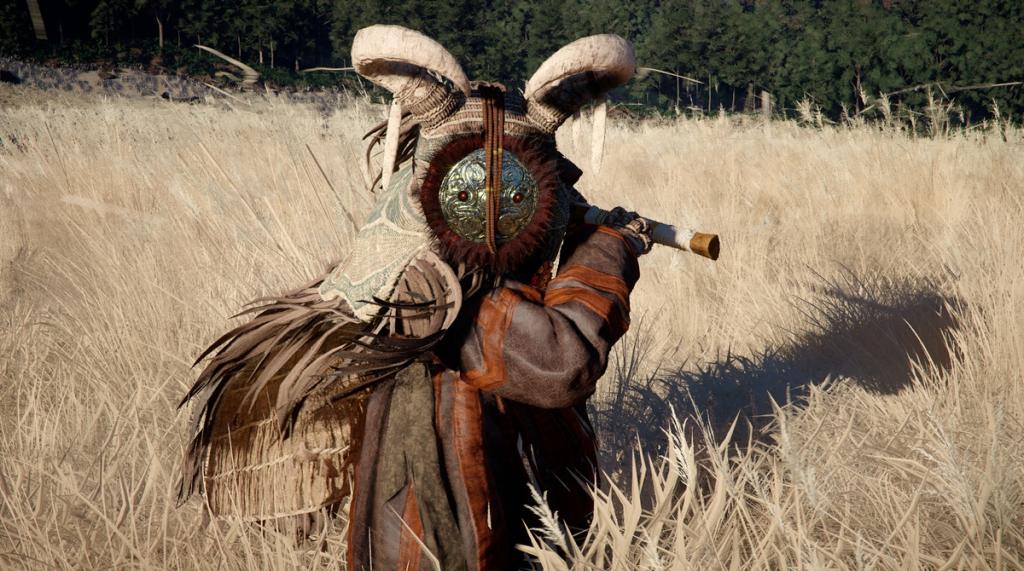
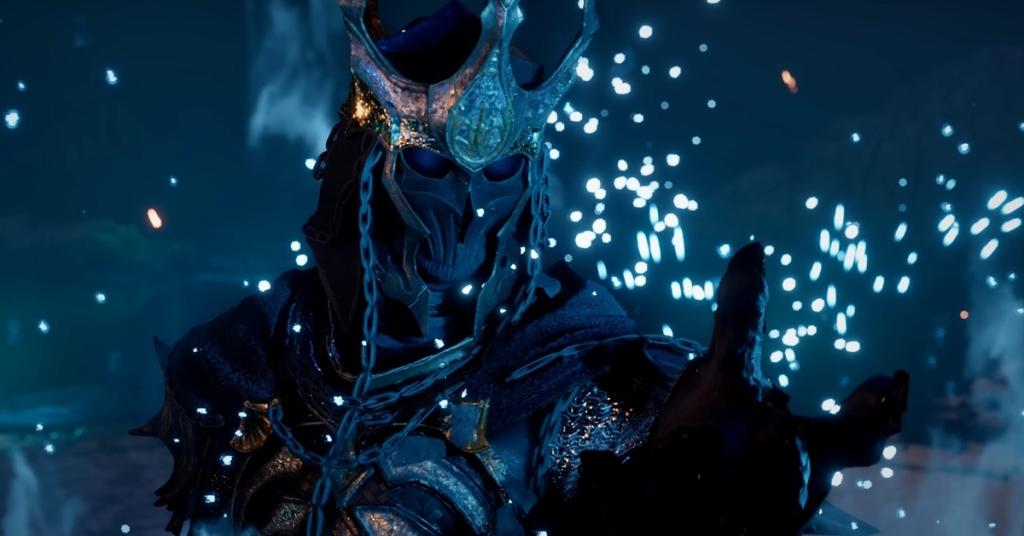
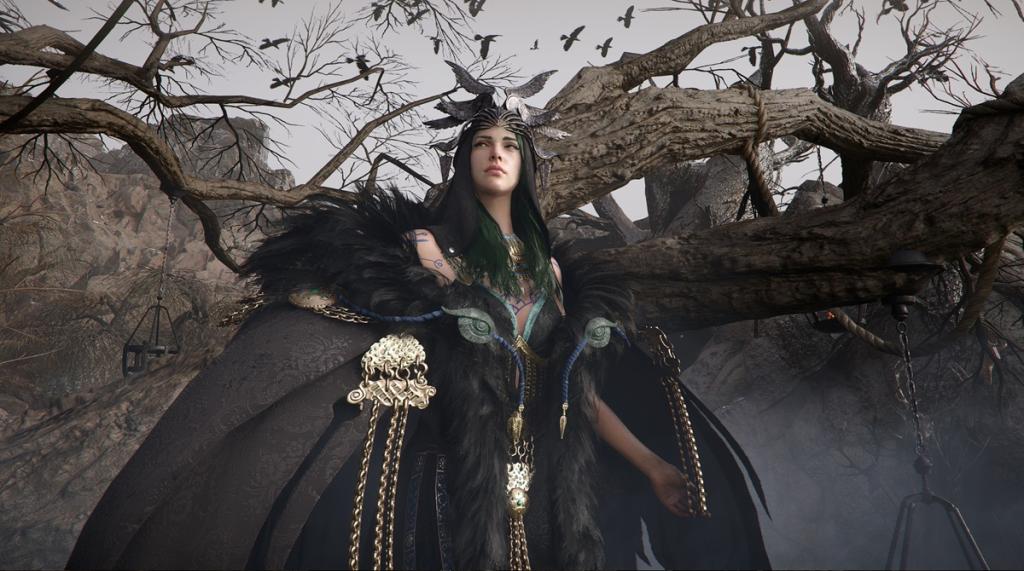


Now, some of the bosses in the game are incredibly well done. The Reed Devil, Golden Star, and Gigantified Titan are some of the amazing bosses I loved, but there are so many more that I have yet to fight. However, bosses like the Crimson Nightmare or the Tenebrum were a dumpster fire and the least enjoyable fights I had experienced since fighting the horrible three-headed dragon in Dragon Age Veilguard last year.
But what makes these bosses terrible or good? It is mainly based on their gimmicks. Every Crimson Desert boss has a gimmick. This can be an overly aggressive nature, like ‘Kearush the Slayer’, who makes dodging terribly ineffective, or it can be as redundant as chasing a mystical cloud and using Palm Strike to damage it, like the Tenebrum.
The contrast between the two boss types is drastic, making you visibly annoyed during some fights, while grasping for breath out of excitement for the other.
One thing that is common in most Crimson Desert bosses is that the fights are really long. Most bosses have multiple phases and take place in multiple locations. Normally, this is an immersive experience, but with a slight catch. Retrying the bosses with such long, drawn-out fights can be quite unpleasant, and that is mainly due to the unskippable cutscenes in Crimson Desert.
Jank That Breaks More Than Just Immersion
Crimson Desert has an incredible number of issues that it failed to address before launch. First, the game’s controls are among the most unintuitive I have experienced in gaming. Some of the controls make absolutely zero sense, and the fact that you couldn’t change controller settings in the game, it only amplified that problem.
Next, the game doesn’t allow you to skip cutscenes. Even the ones you have already seen. This is a major issue during the long-drawn boss fights when you are defeated. Sitting through the same dragged-out fight and having to rewatch the same cutscenes over and over is a terrible experience to have. I would prefer the long run-backs in Dark Souls 2 over unskippable cutscenes any day.
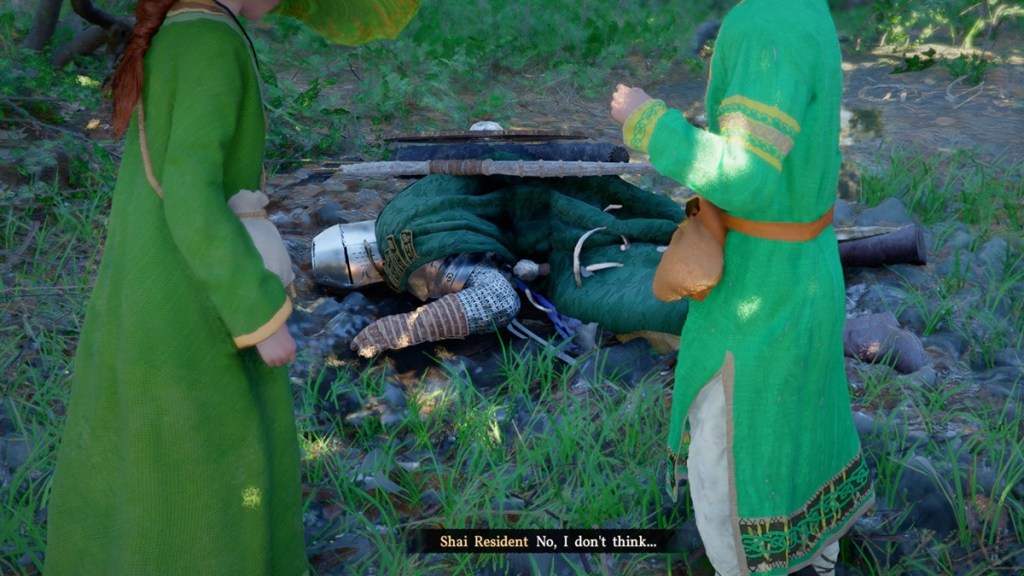
Pair that with the terrible camera system, and some boss fights can be incredibly annoying, cool ones included. I have not seen a worse camera system than Crimson Desert when it comes to fighting bosses. It feels like the camera has a mind of its own, and half the time, your job is to move the camera to have it fixed on the enemy. Why the game even allows you to lock on enemies if the camera won’t be fixed on them is beyond my comprehension.
Alongside all of this, the game essentially has a ton of jankiness in even the most basic things. Sometimes it takes multiple minutes to even have an interact button appear on an NPC, while other times you lash out attacks at empty air instead of the enemy you were aiming at.
The dodging in the game also lacks I-frames, or it is small enough to be insignificant. This would not be an issue if the enemies didn’t spam attacks at you, forcing you to dodge or parry at all times. Many times, your action won’t get registered during fights, even when your character is not locked into a previous action.
Thankfully, Pearl Abyss has fixed some of these issues with patches right after the launch. The combat controls were made better, and now it takes considerably less stamina to fly in the game, which felt terrible before.
But there are a lot more that need to be fixed, and most of these issues appear in the early game and can ruin the player’s experience. Thankfully, PC players can at least use Crimson Desert mods to fix some of it.
Performance: Crimson Desert’s Visuals Swing Like a Pendulum
At first glance, Crimson Desert is gorgeous and often breathtaking. The draw distance in the game is truly magnificent, and it heightens the visuals to another level. But that’s only the first impression. Deep down, the visuals of Crimson Desert have a ton of issues.


The game’s graphics are carried by its lighting. When the sun is out, you won’t find many better-looking games than Crimson Desert. However, once the sun is down, whether that be in the dark or rainy weather, the game often looks borderline terrible.
My Setup: CPU: AMD Ryzen 9 7900x
CPU Cooler: CORSAIR H150 RGB
Motherboard: GIGABYTE B650M Gaming X AX
GPU: MSI Nvidia GeForce RTX 5060 Ti 16 GB
RAM: 32GB (32GB x 1) ADATA XPG DDR5 5600FSB LANCER
SSD: 1TB AORUS Gen 4 5000E NVMe storage
Monitor: 1080p @165hz
The noise in the game is terrible, and it only appears when the sun is taken out of the equation. Even at the highest settings, the game continues to look the same. There were a few times I stopped playing because it looked absolutely terrible as it rained.
Now, when it comes to performance, Crimson Desert does an exceptional job. Even at the highest settings, I was consistently getting over 240 FPS with DLSS set to quality and Frame Generation turned on at 4x DLSS. After disabling DLSS and Frame Gen, I was still getting around 70 FPS at the highest settings.
Interestingly, lowering the graphics did not have a massive impact on the game’s performance. This means that the game would run well enough at lower end devices, and Crimson Desert’s system requirements did hint that to us. Overall, I was more than satisfied with the game’s performance, and other than some visual bugs, I didn’t come across many of them.
Verdict: An Early Access Game Disguised As A Finished Product
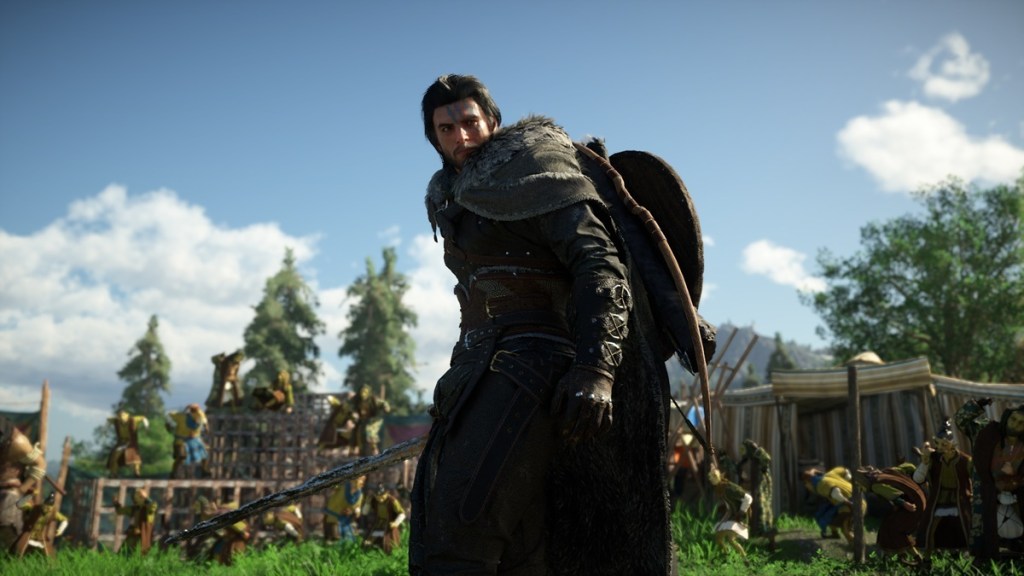
Crimson Desert is very much an unfinished product. The game’s scale is so massive with an incredible number of features that it might feel like it is a finished game, but the disjointed storyline and quest progression say otherwise. The game also continues to have an incredible number of issues, and seeing how Pearl Abyss continues to address them in each patch, it feels that the game’s true potential is yet to be discovered.
The first 40 hours of the game are extremely miserable, and anyone who has little time to play games, like a couple of hours, should stay far away from this game. It’s not like I don’t like playing long RPGs. I have spent over 300 hours in Elden Ring and 400 hours in Kingdom Come: Deliverance (parts 1 and 2 combined), exploring every nook and completing all quests and bosses.
The same is true for games like the RDR2 and GTA V, or other Rockstar Games that are large in scale. But all of those games hooked me from the first hour. I didn’t have to tolerate them for 40+ hours to start enjoying. This is a major criticism I have of Crimson Desert, and it is a big reason I cannot recommend it to others.
How can I recommend someone a game that will take at least 40+ hours to become good while promising them a miserable time at the start?
Most people only have a couple of hours daily to play games. Asking them to play a game that they will essentially never get to enjoy because of the lack of time investment at their hands is something I cannot do. If I had to rate the game just based on the first 40 or so hours, I wouldn’t have given it a score above five.
But the content after that is so exceptionally good that it has pulled its overall score up by a great margin. If you can last through the first 40 hours of the game and actually explore instead of playing the main quest, the experience gets infinitely better.
The game also has the potential to reach a higher score if only Pearl Abyss decides to fix the early gameplay, merge the quests to have a cohesive meaning, and fix the terrible camera and jank. If they do it, it will be one of the biggest comeback stories in gaming. But till then, I personally cannot recommend anyone to slog through an insane amount of hours to reach good content, even though I am starting to really enjoy the game after breaking through the early threshold.