Beebom Score
Souls-like is a genre that has lately been getting some amazing games, and more are yet to be released this year. Out of all the big names, one game that many Souls veterans would remember is Mortal Shell. A game that was released eons ago and, although it was rough around the edges, it held great promise.
Now, the developers have made a sequel, Mortal Shell II, and it is a complete reimagining of the gameplay while keeping the same philosophies intact. After spending well over 20 hours, here is my review of Mortal Shell 2.
A Gorgeous Overworld That Keeps You Intrigued, but Gets Repetitive
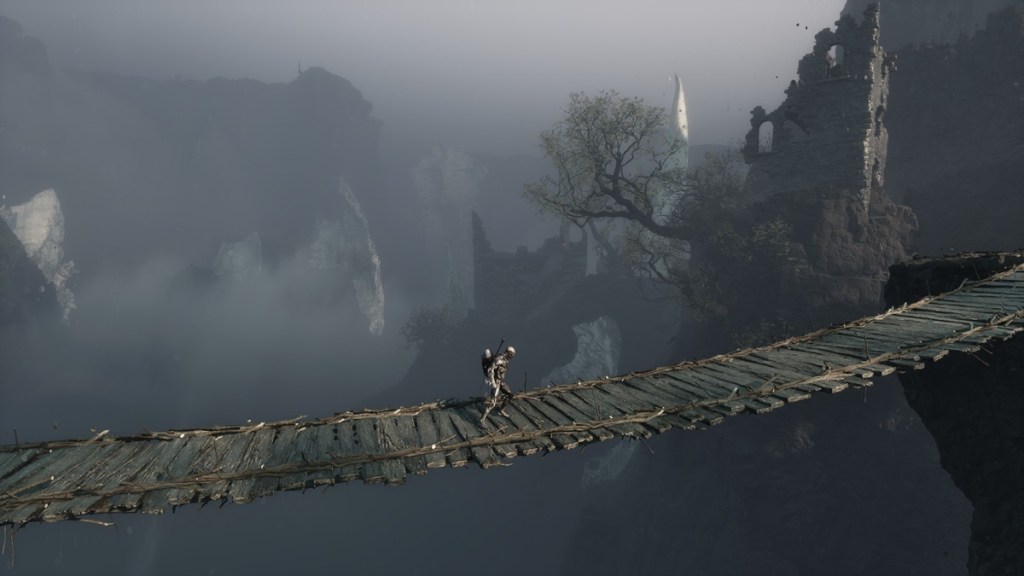
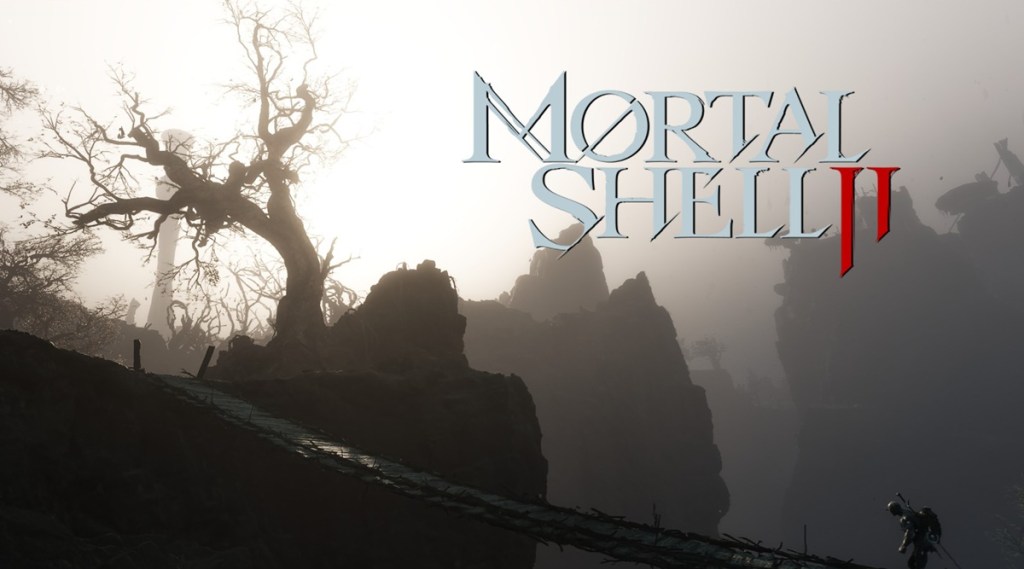
Mortal Shell 2’s greatest strength is how gorgeous the game’s overworld looks. From the very moment you jump into the game, the visual design of the world, lighting, and character designs keep you in awe. Even the monster designs are on point visually, with very distinct looks.
When compared to the old Mortal Shell, this visual upgrade leaves anyone who played the first version completely stunned. It has me excited for the upcoming games from Cold Symmetry. However, it’s not just the graphics that keep you hooked. The world of Mortal Shell II has a lot to offer.
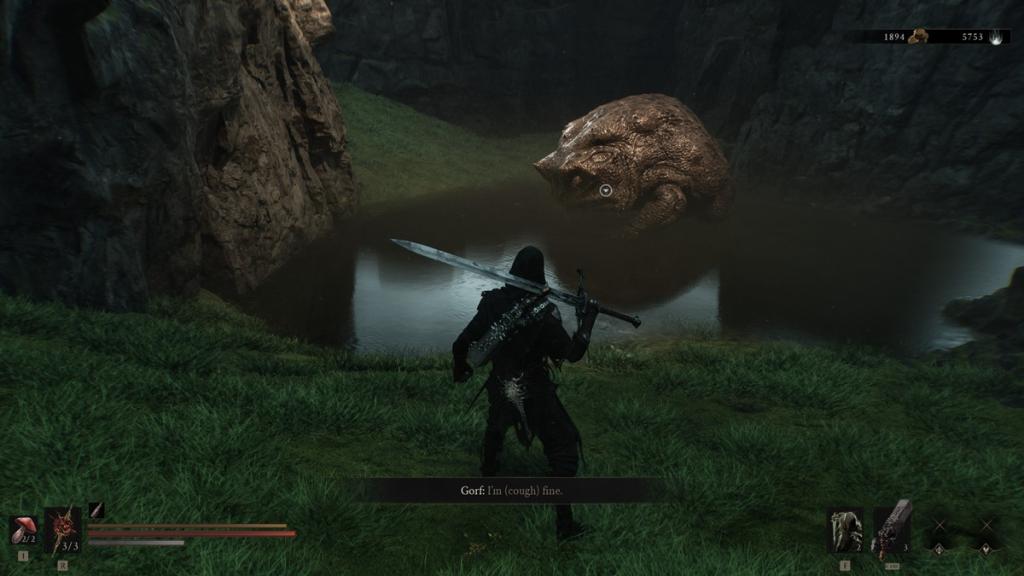
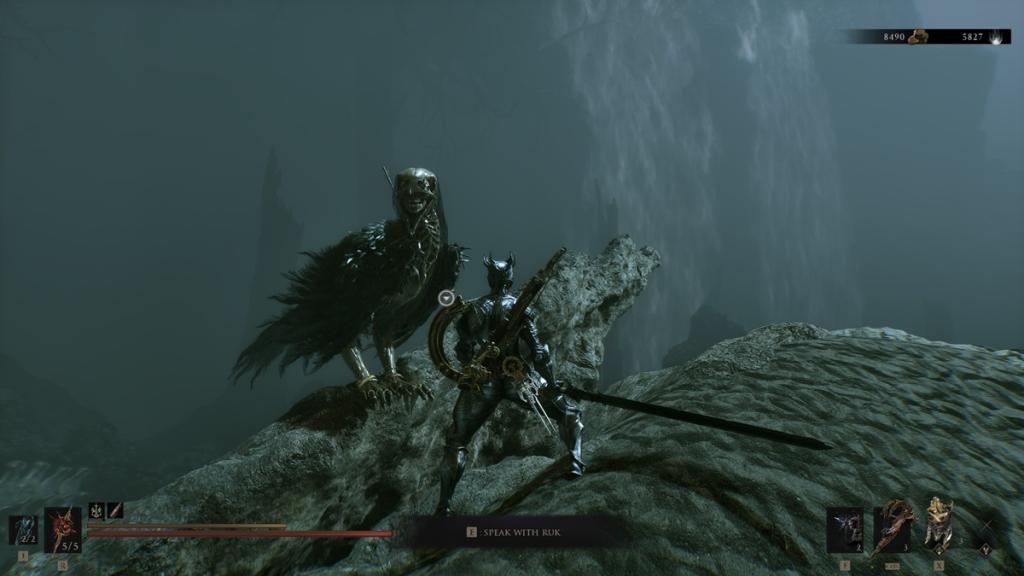
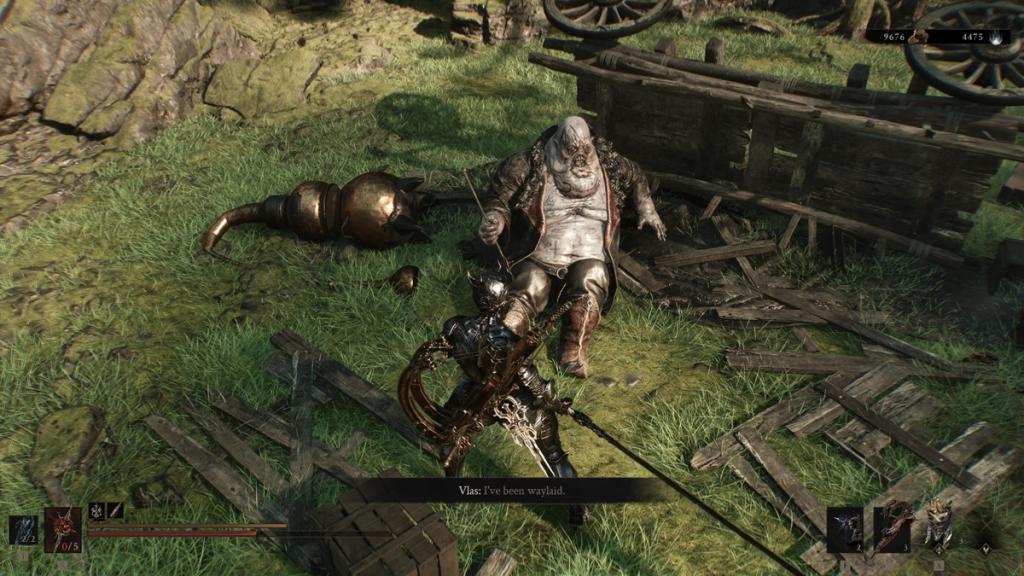

Although the game is not an open world, the maps are fairly open and easy to explore. The game also keeps the exploration open-ended, making it feel more like an open-world game. Players are not tied to a set direction and are freely given the reins to explore anywhere they want.
What’s more is that every nook and cranny in Mortal Shell 2 has something to explore. From dungeons to hidden shells, weapons, and bosses, there is a lot to explore in the game. However, the reward for exploring does become repetitive after a while. Most of the dungeons only reward weapon upgrade materials or coins.
Very few places actually have unique weapons and sidearms. The dungeon designs also become repetitive after a while, although many still have very unique patterns. For example, one of the dungeons had a potion at the end, which, after drinking, would change the player’s direction key for some time.
While in that state, they would have to fight a boss and defeat it. Similarly, there was another dungeon that was filled with illusions, and players would have to figure out the secret paths to continue forward.
Such unique patterns definitely kept the ball rolling; however, the overbearing majority of the dungeons almost looked and felt the same after the first 5 hours. This was quite disheartening because the overworld areas looked drastically different based on where you were standing.
An Excellent Mix of Parrying, Dodging, and Shell Abilities
Mortal Shell II’s combat is truly unique. Like the first part, the game’s combat is heavily dependent on Shells, which are preset characters with unique abilities. Each Shell comes with a distinct characteristic, and you can also classify them into different classes. The Shells also have their personal story, similar to Elden Ring Nightreign‘s characters.
Proxima became my favorite pretty early on, as she is the female reinvention of the ‘Chad’ meme. There was an odd sense of pleasure I found in stomping enemies with my massive and perfectly toned figure. Her ability allowed her to dart into enemies or pull them to her, depending on their weight, and apply big lightning damage.
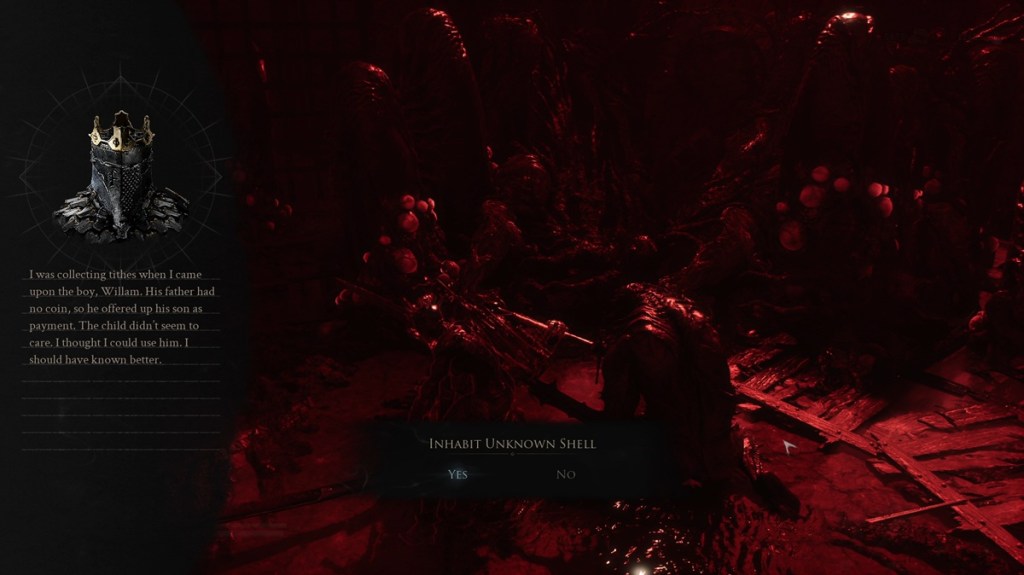

Similarly, other Shells had other abilities, like some that were very agile, while others dealt more break damage. Along with Shells, Mortal Shell 2’s combat also perfectly mixed both parrying and dodging into its combat. They probably did it on the same level as Lies of P, which is quite a compliment.
What I liked most was Seals, which had different parrying abilities. Some allowed guarding, while others could mitigate damage. Other than them, players could also equip Tarstones, which were passive abilities that could be used in combat. One Tarstone imbued the Lightning property permanently on the weapon after leveling it to max.
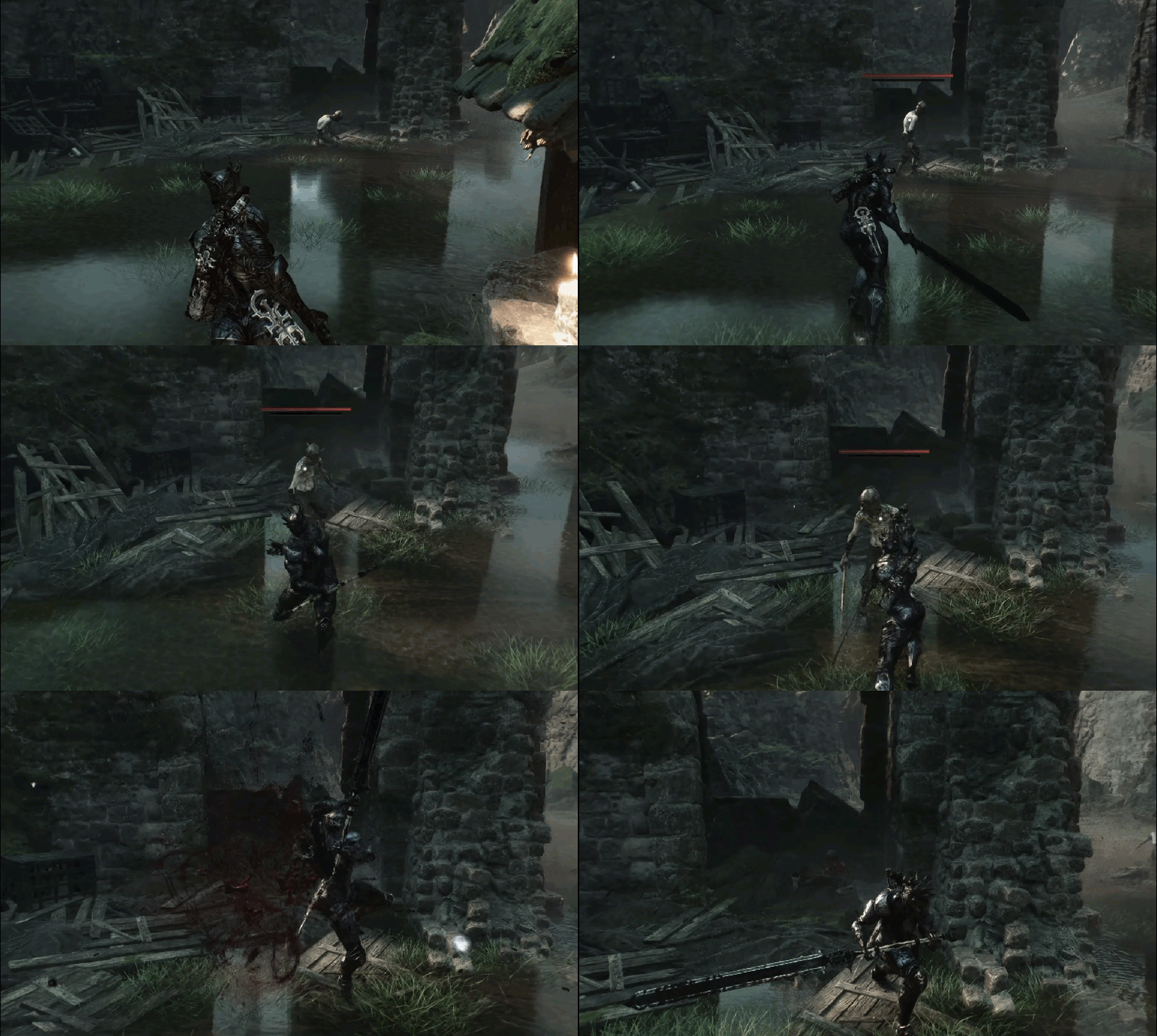

Similarly, other Tarstones would also give very unique combat prowess, like allowing double attacks. Mixing that with the main weapon and sidearm players have, the combat becomes quite versatile.
The only qualms I had with the combat were how few Seals and weapons were in the game. I would have loved to see more options.
Bosses Are a Mixed Bag of Brilliant and Forgettable Fights
Mortal Shell II’s bosses are a topic that I still cannot make up my mind about entirely. While the game does have some outstanding boss designs, it also suffers greatly from reskinning normal enemies as bosses. Reskinned bosses were also common in Elden Ring, but Mortal Shell II does it a bit too shamelessly for my taste.
There are two types of bosses in Mortal Shell II. One is Ovum Thieves, found inside massive gates, and these are the main story bosses. Each of these bosses is unique, and they have some of the best fights in the game. On the other hand, the other type of bosses is found in dungeons or in the overworld. These bosses are reskinned versions of normal enemies.
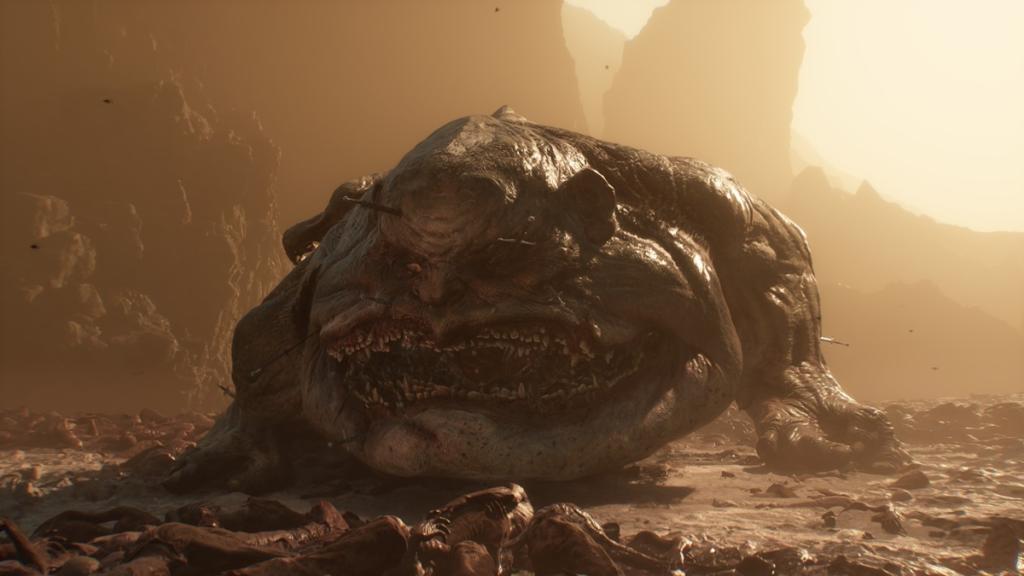
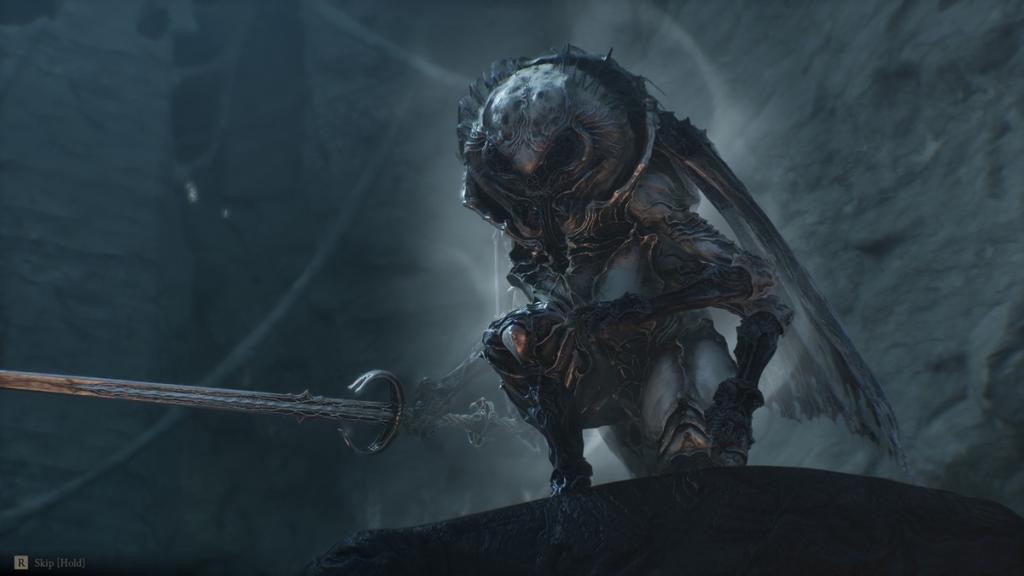
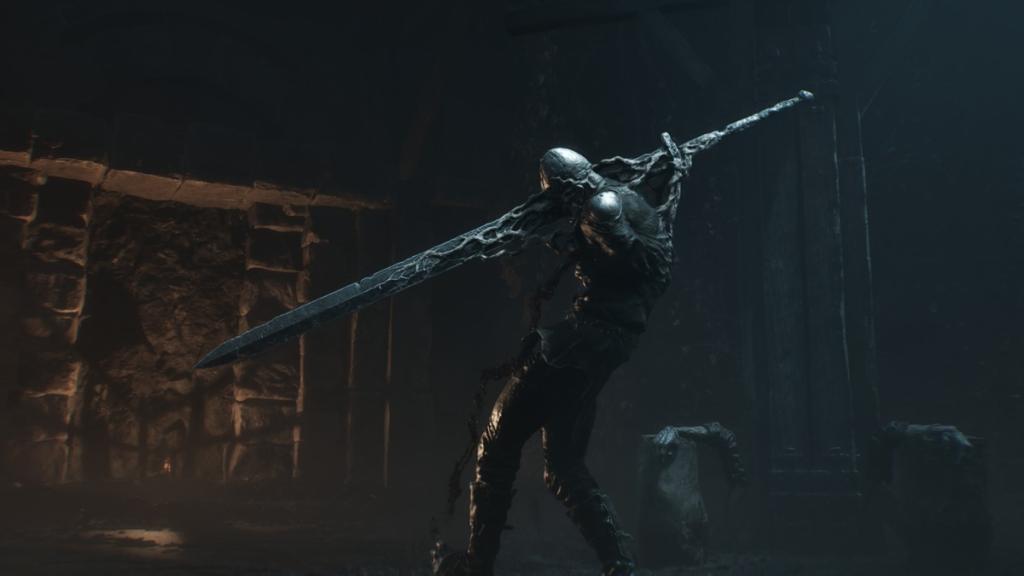
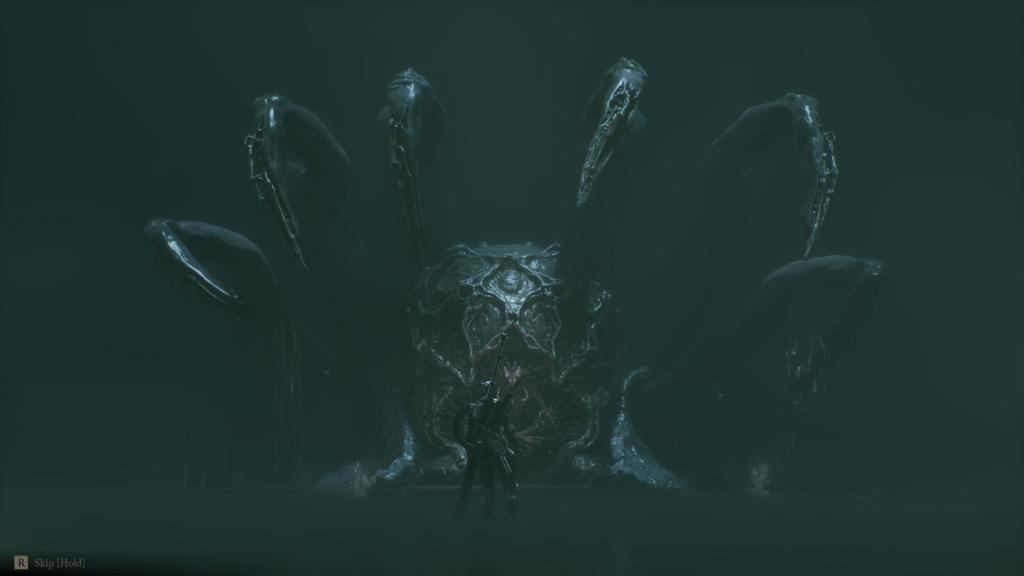
Some of these bosses are a complete reimagining of the base enemy type, but the overwhelming number of them are just pure reskins. A huge reason for the repetitive feeling of Mortal Shell 2 is these reskinned bosses. Although I understand that making unique bosses requires a bigger budget, from a gameplay point of view, I personally cannot give it a free pass.
Still, the main story bosses are genuinely cool in the game. However, one more thing you should note is that the bosses can be a bit floaty. This is a problem for most enemy encounters in Mortal Shell II, but it is fairly easy to get used to.
Performance: Mostly Seamless, with a Few Noticeable Hiccups
I wanted to give Mortal Shell 2 a clean slate for performance because of how beautifully it runs for most of the game. However, I cannot do that, as the game often stutters greatly when entering a new area, or sometimes when fighting multiple enemies at the same time.
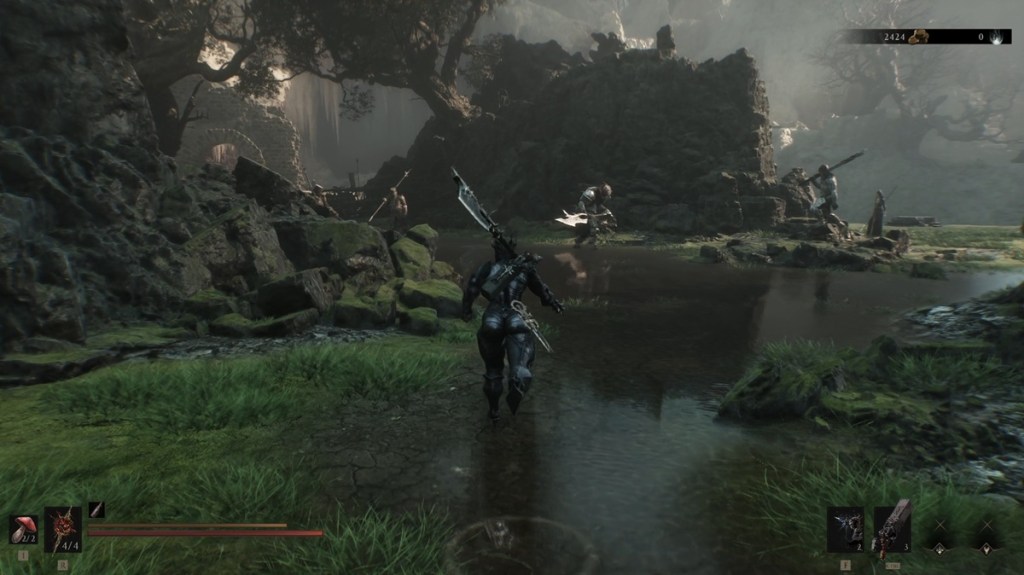
I have also had a couple of crashes, which were definitely not fun. Although the performance was fairly stable throughout most combat encounters, when the stutters do happen, it completely ruins the experience.
My Setup: CPU: AMD Ryzen 9 7900x
CPU Cooler: CORSAIR H150 RGB
Motherboard: GIGABYTE B650M Gaming X AX
GPU: MSI Nvidia GeForce RTX 5060 Ti 16 GB
RAM: 32GB (32GB x 1) ADATA XPG DDR5 5600FSB LANCER
SSD: 1TB AORUS Gen 4 5000E NVMe storage
Monitor: 1080p @165hz
When it comes to stats, I was getting over 200 FPS on average with DLSS and Frame Generation ON at Medium settings. The game is really good even at Medium settings, and cranking up the graphics didn’t improve the visuals in any significant way. What it did, however, was cause more frequent stutters, which is why I had to tone it down.
After turning off DLSS and Frame Gen, I was still getting well over 140 FPS on average, so the game’s performance was pretty good and stable. Hopefully, the crashes and other performance issues get fixed in upcoming patches.
Verdict: Mortal Shell 2 Is a Beautiful Promise That Falls Just Short of Greatness
Mortal Shell 2 is an outstanding upgrade to its first part, and one of the standout games in the Souls-like genre. It looks absolutely gorgeous, the sound design is amazing, and the combat is really unique while mixing the same things Souls players are familiar with.

However, the game suffers from repetitiveness, whether it be reskinned enemies, the same enemy types in multiple locations, or less variety in weapons. Stutters and crashes are another major issue holding back the full potential of the game.
Overall, I consider Mortal Shell II a great step forward in enhancing the Souls-like genre to the next level. With such massive improvement seen in the game’s sequel, I cannot wait to see what more the developers have planned with the game’s third installment, if there is one in consideration.