The Marvel Rivals roster is massive and varied, providing players with a bevy of heroes to pick from. While every character brings some utility to the table, some are naturally more effective than others. Knowing which heroes are in the ascendancy and which ones are behind the power curve is essential for remaining competitive. With this in mind, we’ve put together a detailed Marvel Rivals tier list revealing the best heroes in the current meta.
Note: This Marvel Rivals tier list was last updated with the Season 7 release.
What is the Ongoing Meta in Marvel Rivals Season 7?

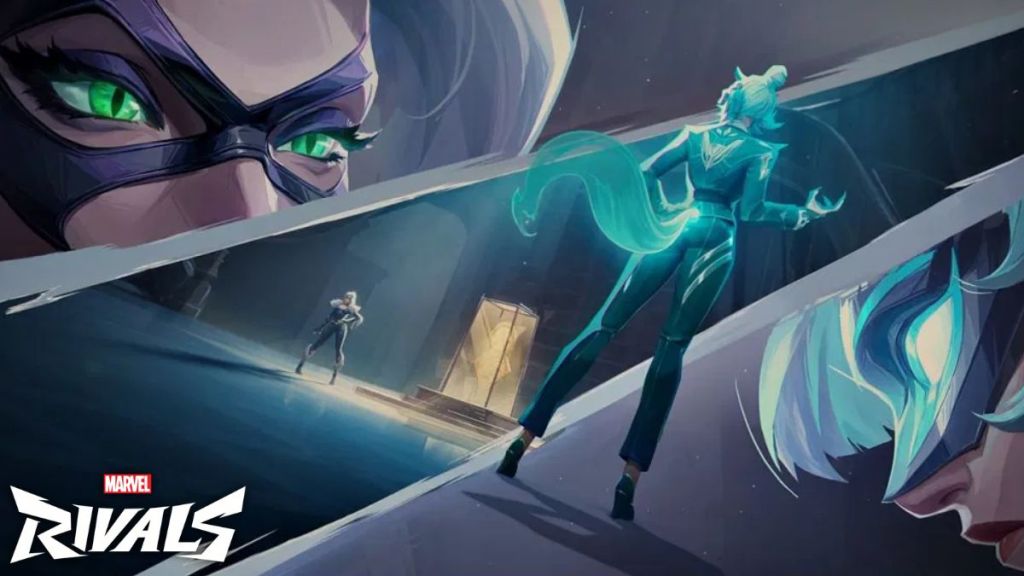
Despite Zhiyong’s reassurances, the triple support meta reigns supreme in Marvel Rivals Season 7. We all saw the lineup win rates graphic, which confirmed that 2/2/2 is still the dominant composition. But competitive players will know just how easy it is to endlessly sustain with three healers in a team, closing out potential weaknesses in the process. The Ultimate nerfs have also had little effect on this meta.
Moving on to heroes, Groot is arguably the best Vanguard/Tank due to his incredible crowd control. Hela and Gambit take the cake as far as Duelists are concerned. The former’s evergreen status is preserved as her hitscan projectiles still produce insane TTK, while Gambit is basically the “Poke King” capable of dealing high burst damage from medium ranges. Lastly, the best Strategist can differ based on player preference, but overall, you can’t go wrong with Invisible Woman’s resolute shields.
The best team comp in Marvel Rivals Season 7, with team-ups and synergies in mind, is made up of Invisible Woman, Cloak & Dagger, Magneto, Gambit, and Luna Snow. The first two heroes are self-explanatory, and given Magneto and Gambit’s meta-breaking team-up, they simply have to be there. Lastly, Luna Snow is an excellent anti-dive healer as she can freeze incoming attacks from the likes of Venom or Spider-Man.
Marvel Rivals Character Tier List in Season 7
The Marvel Rivals meta changes frequently through balance adjustment patches. While major shifts are typically reserved for seasonal updates, smaller changes are regularly introduced to keep up with player feedback. Of course, the meta is also affected by the addition of new characters to the Marvel Rivals roster.
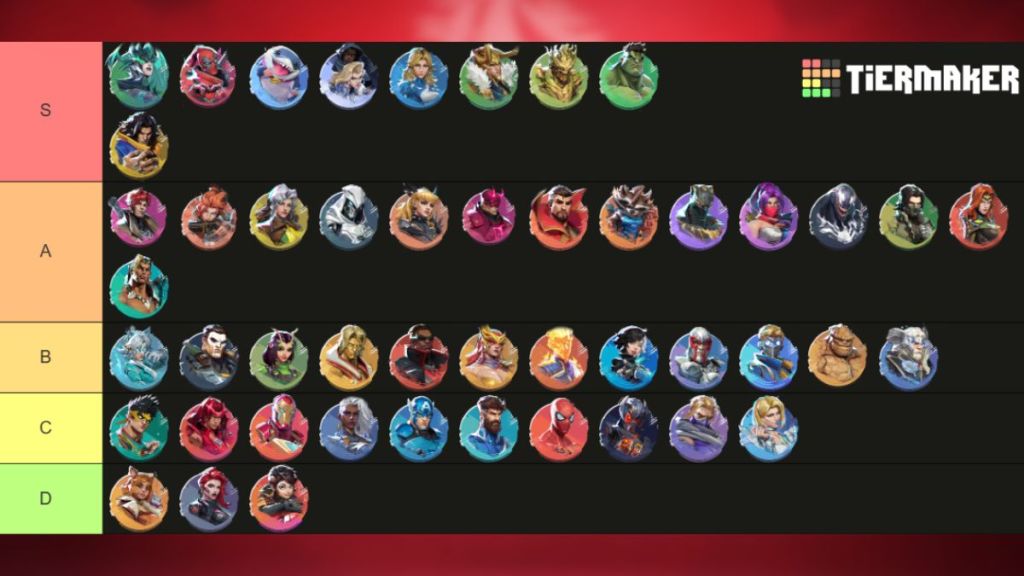
With all that being said, you can check out our definitive Marvel Rivals tier list below, rating all characters from meta (S-tier) to practically useless (D-tier).
Tier Heroes S Hela, Deadpool, Jeff the Land Shark, Cloak & Dagger, Invisible Woman, Loki, Groot, Hulk, Wolverine A Gambit, Elsa Bloodstone, Rogue, Moon Knight, Magik, Daredevil, Doctor Strange, Rocket Raccoon, Black Panther, Psylocke, Venom, Winter Soldier, Phoenix, Namor B White Fox, The Punisher, Mantis, Adam Warlock, Blade, Angela, Human Torch, Luna Snow, Magneto, Star-Lord, The Thing, Thor C Iron Fist, Scarlet Witch, Iron Man, Storm, Captain America, Mr. Fantastic, Spider-Man, Ultron, Hawkeye, Emma Frost D Squirrel Girl, Black Widow, Peni Parker
S-Tier Marvel Rivals Characters
The S-tier is for characters who feel overpowered to play with or against. Moreover, they either have massive damage output for little to no effort gameplay, or they can get in and out of fights due to their broken mechanics. Here’s how the S-tier stacks up in our Marvel Rivals tier list:
Hela


NetEase has always been nerf-shy as far as Hela is concerned. It’s why the Duelist sat at the top of the meta all the way back in Season 0, and she continues to assert her dominance to this very day. Balances patches have come and gone, some even targeted the Goddess of Death along the way, but none managed to diminish her S-tier status. She also remains one of the most picked heroes in the game as well.
In Season 7, her hitscan projectiles are just as precise and lethal as you remember them. Her Astral Flock is still great for repositioning, while the Soul Drainer can easily set up enemies for quick eliminations. If Hela has been your primary until this point, there really is no reason to switch things up.
| Pros | Cons |
|---|---|
| Extreme hitscan damage through strong primary fire | Requires precise aim |
| Ultimate is great at deterring dive heroes | Long ability cooldowns with Astral Flock requiring a 15-second charge, while Soul Drainer needs 12 seconds |
| The Duelist can easily poke enemies from range, which becomes all the more important after the Ultimate nerf | Damage output can be countered by shield-based Vanguards |
Deadpool
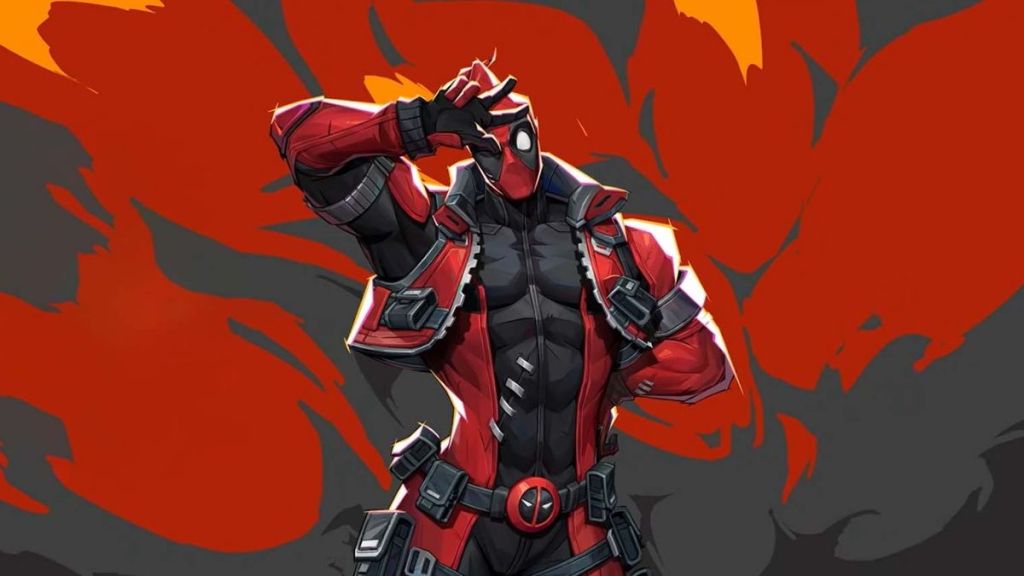
After multiple teases and lore mentions, the Merc with a Mouth finally made his Marvel Rivals debut in Season 6. And believe it or not, the wait was worth it. Deadpool immediately shook up the Marvel Rivals meta upon arrival, all thanks to his triple-role speciality. His kit is far too varied and complex to explain in brief, so we highly recommend checking out our Deadpool kit guide.
As for his status in the meta tier list in Marvel Rivals, Vanguard Deadpool is easily his best role. The self-sustained passives in his kit pair exceptionally well with the increased HP pool, meaning he can stay in the fight longer while having the same lethal edge. Duelist and Strategist Deadpool are less impressive, but can still be effective in the right comp.
Pros Cons Excellent at 1v1 duels and can even hold his own against beefy Tanks Highly susceptible to CC Unique upgrade system ensures that he gets progressively more powerful Wade can feel pretty tame at the start of matches due to the lack of upgrades The Selfie ability provides a window of complete invulnerability to bait out and waste enemy Ultimates. Requires a high level of aggressive play and mechanical skill to generate value compared to easier tanks.
Jeff the Land Shark

Jeff the Land Shark remains one of the best Strategists in Marvel Rivals due to his unmatched ability to provide massive burst healing and unique utility. He excels in Death Ball comps where his team stays tightly packed, allowing his Aqua Burst and Healing Bubbles to keep multiple allies at full health simultaneously. His small hit box and ability to swim through the ground make him difficult to pin down, often frustrating even the most skilled dive heroes.
That being said, the Ultimate nerf hit Jeff harder than most. His Ultimate has long been heralded as a game-changer, regardless of the match’s skill level. While “It’s Jeff” now takes longer to get going, the ability to swallow the entire enemy team and spit them off a map ledge is still far too powerful to turn down. Given this, the Land Shark still enjoys high pick rates and therefore earns a spot in the S-tier in the Marvel Rivals tier list.
Pros Cons Provides some of the highest burst AoE healing in the game Has limited effective range and must stay close to the danger to heal allies Ultimate can single-handedly win matches Offers almost zero offensive pressure and relies entirely on his teammates to secure eliminations Extremely easy to learn and master Highly vulnerable to aerial Duelists, who can easily target him from the sky
Cloak & Dagger

In Season 7, Cloak and Dagger have risen to the absolute top of the Strategist class as the primary engine for the Triple Support meta. Their unique dual-form mechanic allows them to switch between Cloak’s high-sustain and Dagger’s potent ranged damage on the fly. This flexibility makes them a nightmare for dive heroes to kill because they can effectively heal themselves while simultaneously counter-attacking with light daggers.
| Pros | Cons |
|---|---|
| The automatic AoE healing for teammates is pretty overpowered | Lacks an instant burst heal ability for clutch saves |
| Life-Link ability negates the effectiveness of 1v1 Duelists | High skill ceiling required to effectively alternate between Cloak and Dagger |
| Offers great balance between defence and offence | Can be overpowered by heavy dive comps |
Invisible Woman

It’s been incredible watching Invisible Woman go from a decent Strategist to an insta-ban character in Ranked games. Unlike traditional Strategists who react to damage, she prevents it entirely through her Hard-Light Shields. This means that she can prevent more damage than a traditional healer could hope to recover within the same timeframe.
When you factor in her health pool as well as offensive abilities, her value is easy to see. Invisible Woman’s stocks have also skyrocketed following the Ultimate nerfs, since her most effective abilities were always tied to her primary attacks. Sue Storm is basically the go-to hero for Triple Strategist comps, which cements her spot at the top of the Marvel Rivals tier list.
Pros Cons Her shields bypass the healing-reduction effects and anti-heal mechanics that counter other Strategists Effectiveness drops significantly if her shields are broken early by high-fire-rate heroes like Star-Lord. She also has crowd control abilities that can trap and isolate enemies when required Lacks self-sustain if isolated Invisibility mechanic allows for quick repositioning Doesn’t offer a ton of offensive output and relies on teammates to secure eliminations
Loki

Loki earns his S-tier spot with his tricky mobility, clone illusions, and burst potential, while having the ability to heal. His power to disorient teams with deception makes him deadly in chaotic battles, especially if you can master the Doppelganger. He’s a strong pick for players who can make chaos work in their favor. Just know that his main role is that of a Strategist, so playing aggressively will get you some criticism.
There’s a chance the God of Mischief gets even more powerful in Season 7.5 tier list, as he’ll receive a dedicated game mode as part of the Marvel Rivals x Avengers collaboration.
Pros Cons Has higher survivability than other Strategists thanks to clone-swapping and invisibility mechanics Needs skill and a lot of practice to use effectively A game-changing Ultimate that can steal any opponent’s ability Lacks any form of vertical mobility to escape from aerial threats Clones can bait out powerful enemy attacks through a bit of deception Clones can be destroyed easily through AoE damage
Groot

To keep it short and sweet, a good Groot can hard-carry a team. His Ironwood Wall buff, released all the way back in Marvel Rivals Season 5, continues to hold strong. Groot’s basic ability to dictate where and when a fight happens makes him invaluable for protecting backlines.
While he lacks the long-range shielding of Magneto, his ability to CC multiple enemies simultaneously with the Strangle Vine or his Ult makes Groot a nightmare to dive. All this and more make Groot the definitive anchor hero that can hold down the objective with unrivaled resilience. Even if the opposing team can get past the wooden barriers, they’ll still have to chip away at his massive health pool, making him a top hero in the Marvel Rivals tier list.
Pros Cons Provides the best physical battlefield control in the game Groot has near-zero mobility, making him weak against aerial duelists Strangle Vine ability is a top-tier counter to dive heroes Walls can accidentally block teammates, so constant communication is necessary Ultimate serves as a game-changing AoE stun that can shut down entire team pushes instantly Lack of self-sustain means he’ll need support from Strategists to keep him topped off
Hulk

Season 7 buffs and nerfs have been extremely kind to Bruce Banner, improving both his Indestructible Guard and increasing Gamma Burst charges. These changes have elevated Hulk to S-tier since he’s better at absorbing damage and doing what he does best – smashing.
By forcing enemies to deal with his massive health pool and constant crowd control, Hulk prevents them from focusing on his own Duelists. He’s still got solid mobility, as well as decent poke damage, and in the hands of a veteran, he’s nothing less than unstoppable in this Marvel Rivals tier list.
Pros Cons Top-tier vertical mobility Bruce Banner transformation has very little utility Gamma Burst and Thunderclap provide consistent CC Requires a very aggressive playstyle that can often lead to him being isolated and killed without support. Excels at contesting high-ground positions that other tanks like Magneto or Groot struggle to reach Massive hit box makes him an easy target for ranged Duelists
Wolverine

Wolverine continues to be an effective Vanguard/Duelist hybrid that can shred through the high-health Vanguards and sustain-heavy Strategists. He is particularly effective at breaking the Triple Strategist loop by focusing down a single target with his high-damage combos before their healing can kick in.
However, he is a pure melee hero, meaning he provides zero value if he cannot get within arm’s reach of his enemies. This makes him a high-risk pick on maps with long, open sightlines.
| Pros | Cons |
|---|---|
| Possesses better self-sustain than any other Duelist | Complete lack of ranged offense |
| Insane damage output once the passive kicks in | Can be CC’ed by the likes of Groot or Luna Snow |
| Leap ability allows him to rapidly close the distance or clear vertical gaps | Playing aggressively is a must – Wolverine lives and dies by the sword |
A-Tier Marvel Rivals Characters
While many A-tier characters feel really strong, you will slowly realize they are not as overpowered as the S-tier. Despite that, you can easily grab wins if you master the following characters on our Marvel Rivals tier list:
Gambit
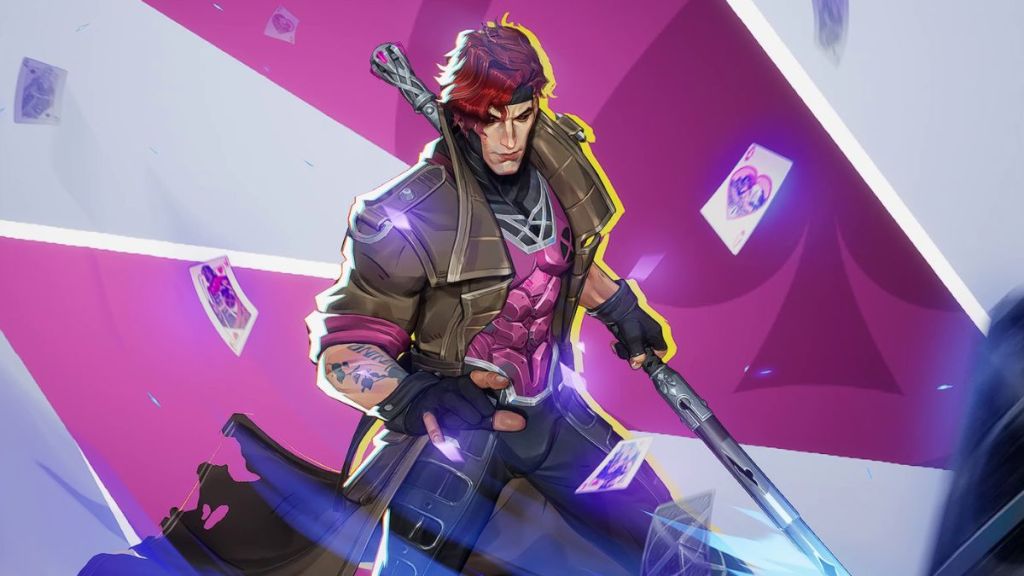
Before you get mad, think of our Gambit placement as more of an observational thing. His Ultimate saw a notable nerf in Season 7, and we’re still assessing how much of an effect this has on potency. Even with the nerf, Gambit is still the “Poke King” for a reason. He’s widely considered the most versatile and safe damage dealer in the game, with mid-range damage verging on overpowered.
When teamed up with Magneto (which he often is), his cards are overcharged for more explosive results. And despite getting nerfed, his Ult can still force every opponent off the objective.
Pros Cons Offers elite mid-range poke damage Low health pool means he’s a bit squishy Great vertical mobility that opens up new vantage points Lacks self-sustain and needs Strategists who are on the same page Team up with Mageto is arguably the best in the game High-flying heroes can dodge his projectiles due to their travel times
Elsa Bloodstone
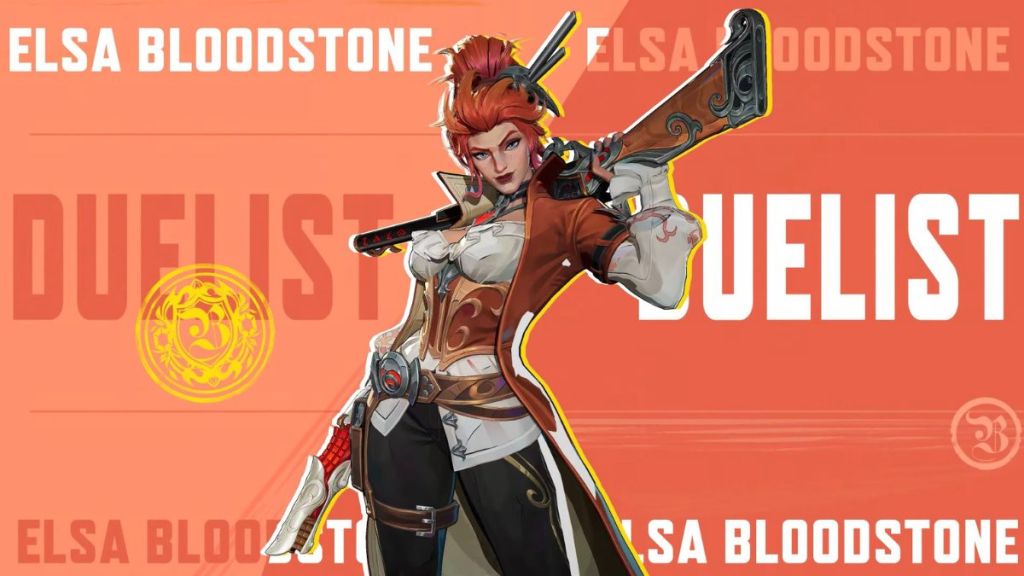
Season 6.5 debutant, Elsa Bloodstone, is really fun to play. She’s got big guns, beefy combos, and great passives. If you know how the character works, you can easily go on a rampage, lighting up her Hunter’s Instinct and stringing together dashes. True to her profession, Elsa is a proper “hunter” in the Marvel Rivals Season 7 meta.
Unfortunately, NetEase clearly felt the same way and decided to slam the brakes. The Duelist was already pretty squishy, but the March 26 buffs and nerfs took things a step further by reducing her base health. As a result, Elsa’s now in the high-risk, high-reward territory.
| Pros | Cons |
|---|---|
| Incredible burst damage at close-to-mid ranges | Small health pool means she’ll always struggle against 1v1 Duelists |
| Passive ability allows her to see low-health enemies through walls to finish off retreating targets | Extremely vulnerable if she misses her initial dive and fails to trigger her cooldown resets |
| Bonkers Ultimate that can instantly disrupt enemy formations | Doesn’t have the same long-range poke potency as compared to heroes like Hela |
Rogue
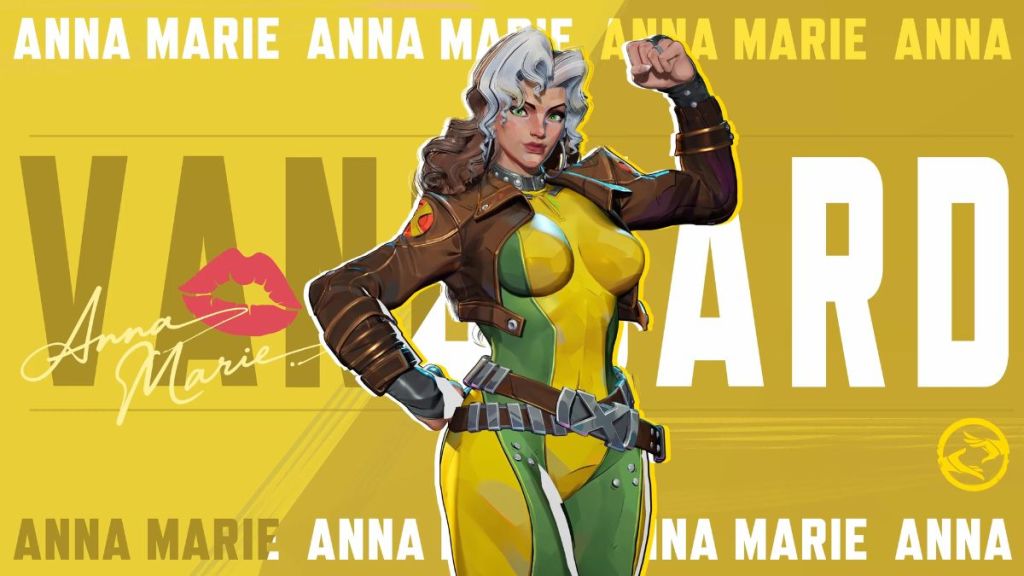
Anne Marie, better known as Rogue, is basically the wildcard of the Vanguard class. Her power-stealing mechanic allows her to absorb abilities from both allies and enemies, effectively turning her into a hybrid hero who can tank, heal, or deal massive burst damage depending on the situation. Naturally, this makes Rogue incredibly versatile, especially in the hands of an experienced player.
Unfortunately, this also reflects one of her biggest shortcomings. The player using her must be well-versed with not only Anne’s kit, but also the abilities of enemy comp. Moreover, her power-stealing mechanic can only kick in at melee ranges, and she doesn’t exactly have a ton of resistance.
Pros Cons Top-tier versatility thanks to power-stealing ability Extremely difficult to master, as players will require deep knowledge of every other hero’s kit Can effectively switch between hybrid roles to meet the team’s needs Very low damage floor if she cannot secure a strong offensive ability from a Duelist Can dive forward into enemy lines and retreat quickly Reliant on a favorable enemy team comp for maximum effectiveness
Moon Knight

Moon Knight remains a formidable A-tier Duelist in the Marvel Rivals tier list, serving as the premier anti-grouping specialist in his class. His Crescent Darts bounce between nearby enemies, punishing teams that huddle together for healing or cower under Invisible Woman’s shields. His cleave damage is also on the higher side, making Moon Knight a considerable threat in every scenario.
His primary weakness lies in his lack of reliable self-sustain and his projectile-heavy nature. Moon Knight has been around for a while, and most players have wisened up to his kit. As such, opponents will often spread out or opt for dive comps to negate Moon Knight’s strengths.
Pros Cons Bouncing projectiles that can deal massive damage to clustered enemies Primary attack has a noticeable travel time that makes him less effective against enemies at range Great against triple Strategist lineups He loses a significant portion of his damage potential if the enemy team stays spread out Ultimate provides a huge AoE damage boost that can clear an entire objective in seconds Lacks any form of self-healing and is heavily dependent on his Strategists
Magik

Magik slices through dimensions and enemies alike, using her Stepping Discs for unpredictable teleports, followed by potent Soulsword combos like Eldritch Whirl or summoning demons.
Her Umbral Incursion dash provides engage, while her Limbo’s Might passive grants bonus health on dealing damage, making her surprisingly durable. This blend of mobility and melee power keeps her in the meta, not as high as her X-Men buddies like Wolverine, though.
Pros Cons Passive armor generation allows her to effectively tank while attacking Extremely high skill requirement, will feel clunky in the hands of inexperienced players Can effectively one-shot squishy support heroes with a well-timed sword combo and knock-up Struggles significantly against flying heroes who can stay out of her sword’s reach indefinitely Excels in close-range duels Ultimate can be hit or miss
Daredevil
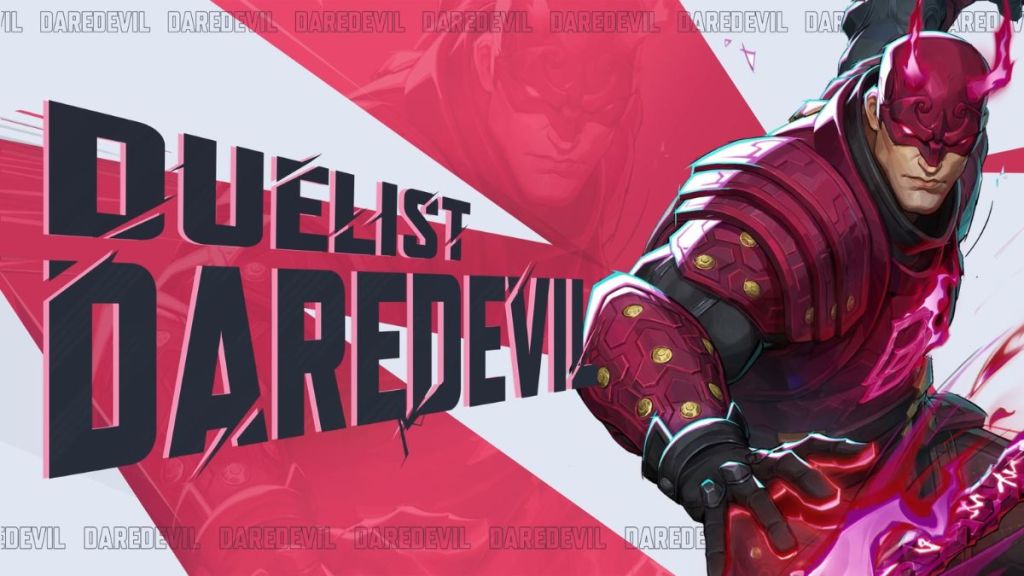
Thanks to his sharpened senses, Daredevil is arguably the best anti-flanker in the Marvel Rivals Season 7 meta tier list. His unique Radar Sense allows him to detect enemies through walls and obstacles, making him the perfect counter to oncoming divers. He also excels in 1v1 duels, where he can chain his Justice Jab and Devil’s Latch into brutal melee combos that can delete a fragile enemy before they can receive healing from their team.
With all that being said, Daredevil’s small health pool makes him difficult to master. And unlike safer options like Gambit, Daredevil must put himself in immediate danger to generate value, where a single mistimed dive can result in instant elimination.
Pros Cons Possesses elite mobility with the ability to climb walls and dash through the air Strictly a melee-focused hero and lacks any form of reliable long-range damage or poke His Radar Sense grants his team vital enemy positioning info Weak against CC Ultimate provides a powerful blinding effect that can disorient the entire enemy team Very low base health pool that makes it vulnerable against beefy Tanks
Doctor Strange

Doctor Strange brings unique utility as a Vanguard, deploying large Shields of the Seraphim to block damage and control space. His Pentagram of Farallah portals enable unprecedented team rotations and surprise attacks, while his Eye of Agamotto ultimate displaces enemy souls, disrupting crucial plays.
This strategic depth warrants his A-tier consideration in the Marvel Rivals tier list. To be fair, there are better picks you can go for, but if you have a Scarlet Witch in your team, she can get a great buff from your addition.
| Pros | Cons |
|---|---|
| Reliable shields that can absorb a ton of damage | Provides low offensive pressure compared to aggressive Vanguards |
| Portals open up creative offensive strategies | Shield can be bypassed by high-mobility heroes |
| Daggers of Denak provide consistent, long-range poke damage to help his Duelists pressure the backline | Requires high-level team coordination to ensure his portals and shields are utilized effectively |
Rocket Raccoon

Rocket Raccoon has evaded major nerfs for a while now, which is why he’s still a hybrid healer/DPS hero trusted by many players. His primary fire, Bouncing Spheres, not only damages enemies but also heals allies for 60 HP per second, making him invaluable in sustaining team fights.
Additionally, his deployable Healing Turret provides a consistent area buff, while his Sticky Mine offers area denial, controlling enemy movement. In the current Marvel Rivals tier list, Rocket’s versatility and healing prowess solidify his position as a top-tier Strategist.
Pros Cons Possesses the smallest hitbox of any Strategist, making him a difficult target Pretty squishy for a Strategist, needs protection to stay in the fight Battle Beacon offers a powerful, team-wide damage and healing buff that can win static objective fights Healing projectiles have a travel time that makes it difficult to heal highly mobile allies Ultimate grants his entire team massive damage resistance and increased firepower for a decisive push Lacks crowd control in his kit
Black Panther

The King of Wakanda came out as one of the biggest winners of the Season 7 balance update. His mobility received some impressive upgrades, while his offensive arsenal was also reinforced. These changes have turned him into an apex predator that is difficult to lockdown.
T’Challa can toss spears to mark targets and follow up with a Panther Slash to secure the kill while resetting his cooldowns. It’s an effective loop that can deliver consistent results throughout a match.
However, if Black Panther fails to land his initial spear or misses a reset, he’s left with no mobility and very low health in the middle of the enemy team. So, you’ll really need to commit to his aggressive playstyle and put in the hours to master it.
| Pros | Cons |
|---|---|
| Cooldown reset ability facilitates lethal combos | If you miss, you get eviscerated |
| Arguably, the best mobility of a non-flying hero | Provides zero value to his team from a distance |
| The best executioner for isolated Strategists | Requires hours and hours of practice to master |
Psylocke

If you are good with close-range burst damage duelists, then Psylocke is a perfect pick for you. She weaves together Psionic Crossbow shots, Wing Shurikens, and the Psi-Blade Dash to quickly dispatch targets. Her Psychic Stealth allows for flanking maneuvers or escapes.
And her ultimate, Dance of the Butterfly, makes her invulnerable and attacks enemies within an area, creating chaos in team fights. Her downsides are the same as they always have been: high skill requirement and low HP. Also, if you miss the initial burst, Psylocke lacks the mobility to manufacture an escape route.
Pros Cons Packs some of the fastest burst damage in the game Very difficult to play and master Ultimate makes her invulnerable, which is priceless Low health pool that doesn’t bode well for her close-range playstyle Gains a significant power spike when paired with Iron Fist Offers no value at long-ranges
Venom
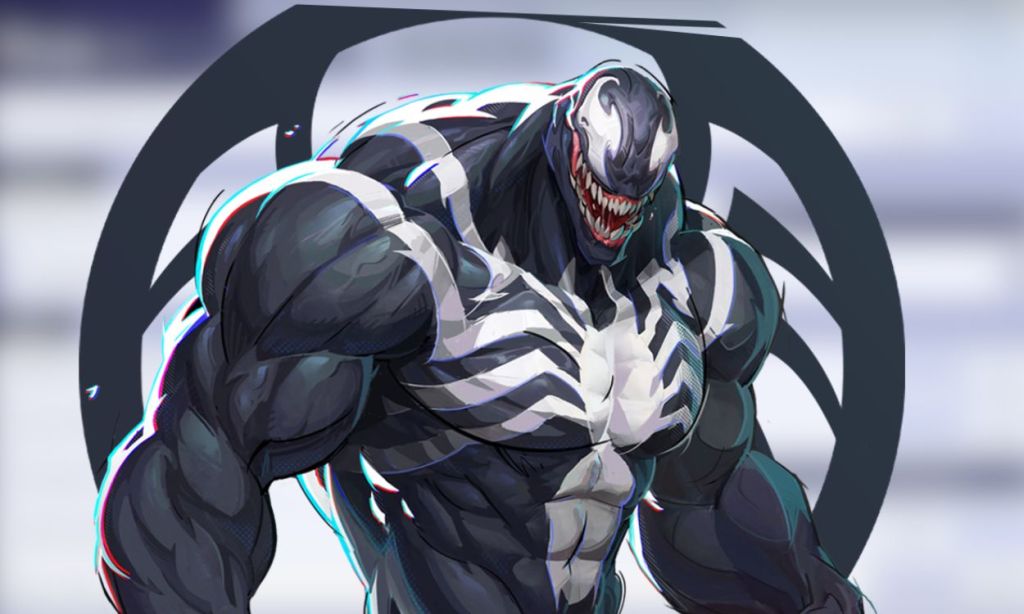
Venom’s aggressive Vanguard playstyle, focused on diving backlines using the Frenzied Arrival and Venom Swing combo, disrupts enemy formations effectively. His Symbiotic Resilience grants impressive durability by generating bonus health, allowing him to sustain pressure and absorb damage for his team.
This potent mix of disruption and survivability cements his A-tier status in our Marvel Rivals tier list. Frankly, the Venom’s Twerk emote alone is pro in and of itself.
Pros Cons Massive health pool that can take ages to whittle down Reliant on the dive playstyle and can be countered by the likes of Groot and Luna Snow Web-Swing grants him elite mobility to engage or disengage Highly susceptible to anti-heal effects or crowd control Easy to play and accessible to even beginners Easily kited by highly mobile Duelists like Gambit
Winter Soldier

Winter Soldier will forever remain one of the best Duelists in Marvel Rivals. Barring an event where Zhiyong decides to go scorched earth on Bucky, his reliable revolver, coupled with the cybernetic arm that can displace enemies, makes for a well-rounded kit. His Ultimate also makes for quite the spectacle in a meta that is not kind to dive heroes.
Suffice it to say, Winter Soldier is a top-tier 1v1 Duelist. So, what gives? For starters, his burst damage was reduced by a recent nerf, which naturally affects his ranged capabilities. On top of this, Bucky has always lacked the natural tankiness of a Vanguard, so he’ll always struggle against Triple Strategist lineups.
Pros Cons Hitscan primary that can delete squishy targets from medium to long range Extremely aim-dependent Hook-shot grants him excellent vertical and horizontal mobility Lacks any form of self-healing and is heavily dependent on his Strategists Ultimate provides massive AoE damage that can clear an objective or finish off retreating foes Highly susceptible to crowd control effects
Phoenix
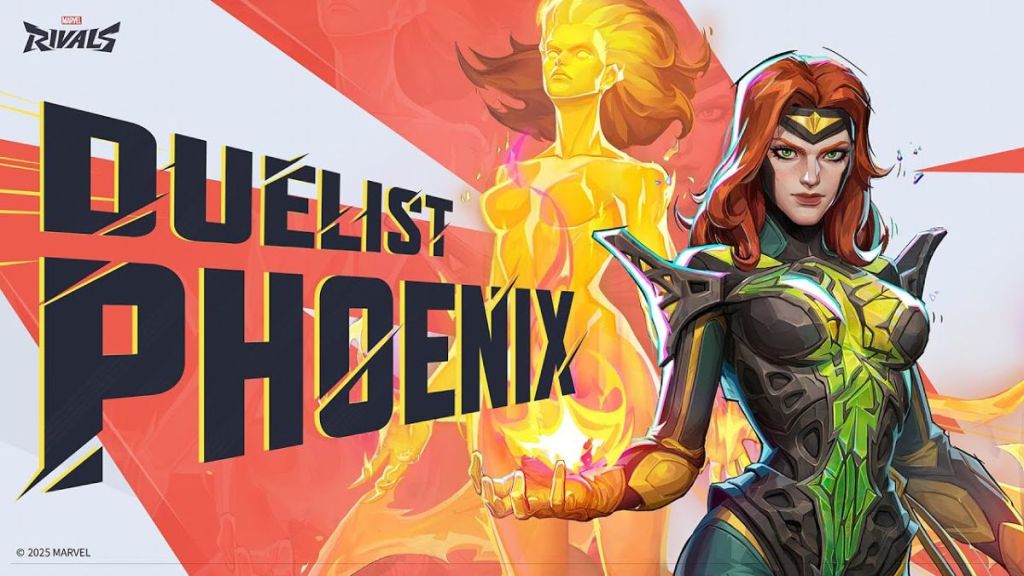
Upon arrival, Phoenix immediately soared into the A-tier in Marvel Rivals tier list as a rare hybrid who can dish out immense damage while having self-sustain. Her abilities are based around burst damage and AoE attacks, coupled with mobility skills that let her reposition quickly.
Her flame-based attacks can also be linked together to cause chain reactions that can wipe out health bars in the blink of an eye. As for weaknesses, Jean Grey’s utility depends on how good you are at stacking her Sparks. Mismanage this resource, and your attacks will get significantly tamer. Her mobility is also pretty lacking compared to other flight-based heroes.
Pros Cons Primary attacks provide consistent, high-velocity damage Vulnerable against executioners such as Winter Soldier and Black Panther Ultimate is basically a nuke that can devastate enemies Very low base mobility outside of her ultimate Excels at long-range battles where her self-sustain allows her to outlast other traditional Duelists Struggles on maps with extra verticality
Namor

After a brief stint in the bowels of B-tier, Namor is back to being an effective Duelist. His Monstro Spawns make for an annoying wall of turrets that can chip away at enemies at surprising ranges. Furthermore, his ability to briefly become invulnerable and reposition vertically with Blessing of the Deep adds survivability, while his Horn of Proteus ultimate devastates choke points.
Unfortunately, Namor has always been held back by his lack of mobility, as well as his reliance on the turrets. In fact, once the Monstro Spawns are destroyed, Namor’s end follows shortly after.
| Pros | Cons |
|---|---|
| Monstr Spawns provided constant damage | Severe lack of mobility |
| Ultimate serves as a game-changing crowd control tool | Highly dependent on his summons and provides very little value if they are destroyed early |
| Turrets can also distract enemies and serve as a makeshift shield | Easily kited by long-range snipers |
B-Tier Marvel Rivals Characters
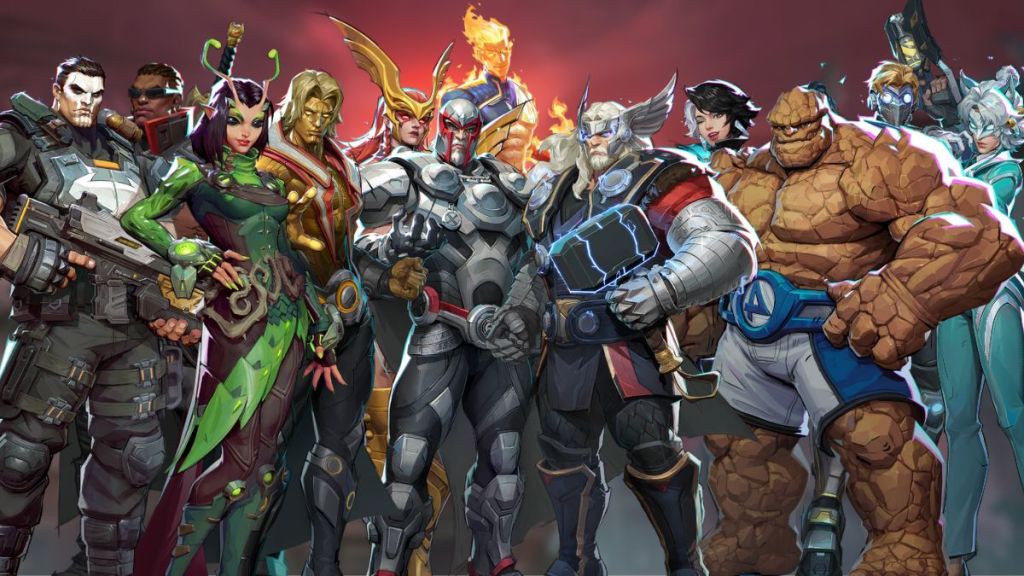
All B-tier characters are good in low Elo lobbies and ideal heroes for beginners. However, after a certain point in the game, these characters start to feel weak on their promise, which is why they are in the B Tier in our Marvel Rivals tier list.
White Fox
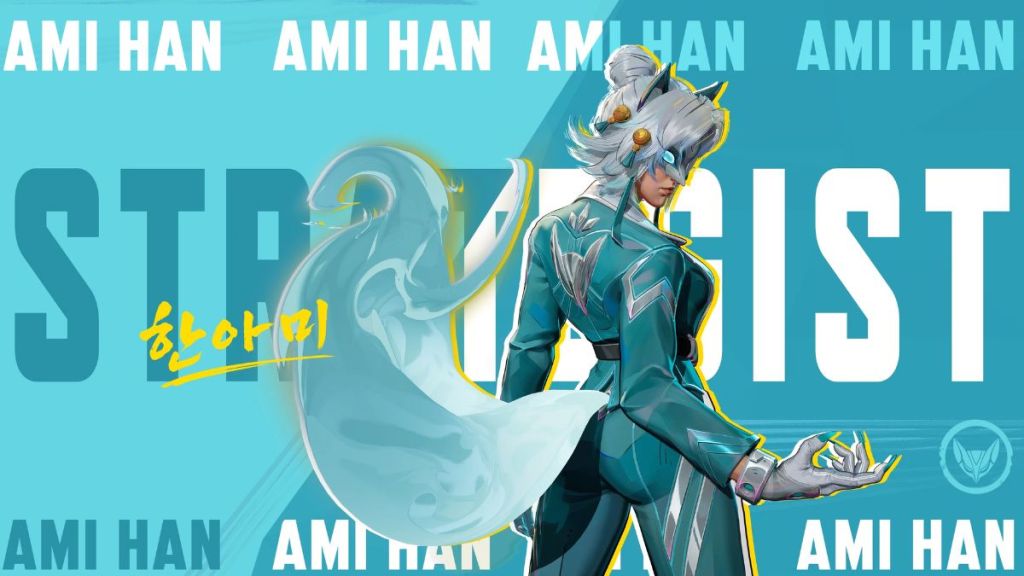
Welcome to Marvel Rivals, White Fox. Now, hold this B-tier rating. In all seriousness, Ami Han is a solid Strategist/Duelist hybrid that can shield enemies, execute emergency heals, and fling powerful projectiles. She’s also got a melee edge to her, which culminates in a powerful three-part combo by chaining together the Predatory Pounce ability.
What holds her back, as per our assessment so far, is an awkward fit in the current meta. She’s not as good a healer as top-tier Strategists, and her damage output isn’t near the likes of Gambit or Elsa Bloodstone. Sure, she’s surprisingly good at CC for her role, but is that really a game-changer? Perhaps time will change her placement.
Pros Cons Dash provides excellent horizontal mobility to reposition or kick-start combos Lacks raw healing output Charm ability can force enemies to move towards her team for an easy pick-off Has no vertical mobility to reach high-ground allies or escape from aerial threats A major threat when teamed up with Luna Snow Countered by characters that can see through the “Charm”
The Punisher

The Punisher is a powerhouse of raw, sustained damage who excels at shredding through enemy Vanguards and holding down chokepoints. He is exceptionally strong at medium range, where his Adrenaline Rush allows him to ignore reload times and melt anyone caught in his sights.
However, he is held back by his complete lack of vertical mobility and a massive “hit-me” hitbox that makes him a prime target for snipers. If he is dived by a mobile hero like Venom, he has very few defensive options and can be quickly overwhelmed.
| Pros | Cons |
|---|---|
| Excellent hitscan damage that can beam enemies across all ranges | Offers zero vertical mobility and is easily trapped by enemies |
| Excels at holding narrow corridors and chokepoints | Lacks any form of self-healing or defensive utility to survive a coordinated attack |
Mantis

Mantis has always hovered around the best Strategist conversation thanks to her healing output and CC. In particular, she provides crucial healing with Healing Flower and potent damage boosts for herself (Natural Anger) or allies (Allied Inspiration) via Life Orbs. Her Spore Slumber offers valuable crowd control by sedating key targets, disrupting enemy plays significantly.
The primary reason for her B-tier placement on our Marvel Rivals tier list is her fragile health pool. If Mantis is caught without her sleep ability on cooldown, she has almost no way to defend herself and can be deleted by a single high-damage combo.
Pros Cons Excels at long-range support, where her projectile healing can keep allies topped off safely Extremely squishy Sleep ability is a solid counter to high-mobility dive heroes Highly dependent on landing her skill-shot sleep to generate any meaningful self-peel
Adam Warlock

Adam Warlock offers crucial support with potent healing abilities like the bouncing Avatar Life Stream and the damage-sharing Soul Bond. His passive Regenerative Cocoon gives him self-revival, while his Karmic Revival ultimate can completely turn the tide by resurrecting fallen allies. However, this does not make up for his complete lack of CC, as well as an Ultimate that’s useless in most scenarios.
Pros Cons Some of the highest burst healing for a Strategist No CC or self peel When it works, Ultimate is a game-changer Ult is hard to execute when pressured directly
Blade
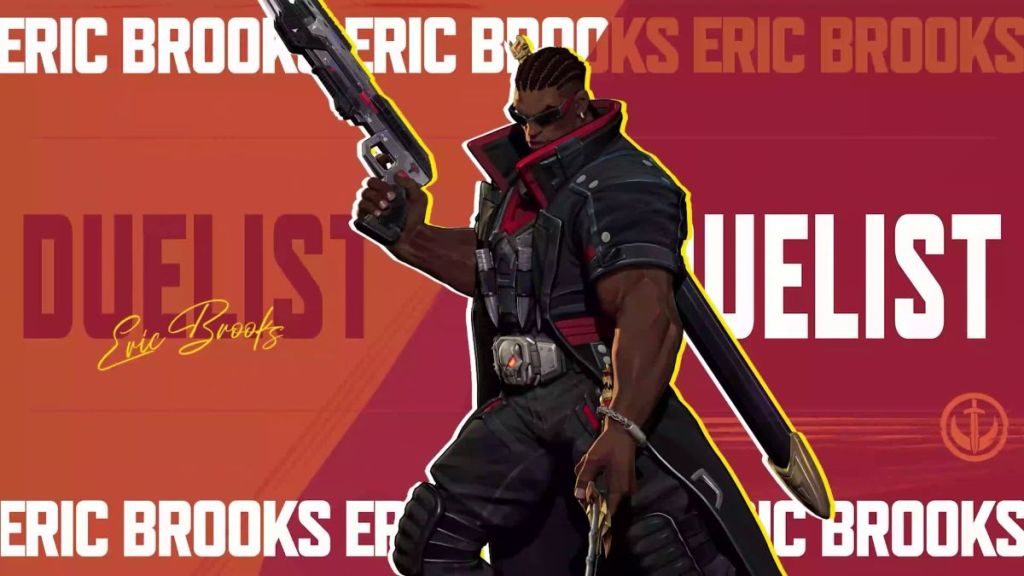
Meet potential man! Ha, just kidding. But no, seriously, that transformative Blade buff is never coming. The Daywalker has always seemed broken on paper thanks to his slashing combos and Lifesteal mechanic.
Unfortunately, he’s never been able to achieve that promise due to severe crowd control, while also being highly susceptible to CC. He can be great in the hands of a capable player, but even a Marvel Rivals Season 7 rework has failed to establish Blade in the broader meta in our tier list.
| Pros | Cons |
|---|---|
| Bloodlust ability grants him a massive burst of attack speed | Highly susceptible to crowd control effects that can halt his momentum |
| Excels at melting through high-health Vanguards | Easily kited by mobile heroes like Gambit, who damage him from a distance |
Angela
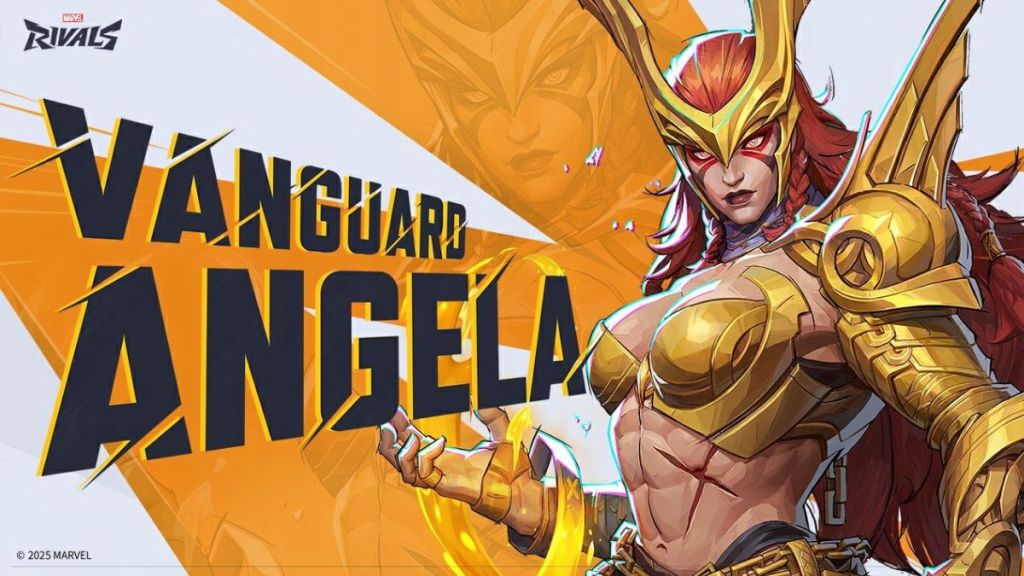
Introduced back in Season 4, Angela was Marvel Rivals’ first flying Vanguard. She’s big on mobility and single-target lockdown, thanks to a primary attack that is effectively a dash, and her Dual Axes that can carve into enemies. Her kit also has some dive utility through Wingblade Ascent and her powerful Ultimate.
However, the pull-and-dash nature of her combos has always held Angela back from climbing any higher. If she misses her initial engagement or is interrupted by CC, she lacks the tankiness to survive a proper counter. This downside sees her slot into the B-tier.
Pros Cons Aerial dashing and flight capabilities grant her elite vertical mobility Can be dealt with easily by hitscan heroes Great at diving into the backlines and finishing off low-health enemies Not enough “tankiness” to survive longer in battle
Human Torch

Johnny Storm was once overpowered due to his fire-linked attacks. His Fire Cluster launches a scattershot of fireballs, dealing significant damage to enemies, while Blazing Blast creates a persistent flame field, serving as an effective area denial tool. Unfortunately, this offensive utility cannot make up for his lacklustre health pool.
Human Torch is an easy target for long-range snipers and hitscan specialists, especially since his flight mechanic has a really predictable path in Marvel Rivals.
Pros Cons Burn mechanic provides consistent damage that prevents enemies from regenerating health Very low health pool Strong area denial and AoE damage Can be hard countered by shield Vanguards like Magneto
Luna Snow

Luna Snow offers a unique dual-role capability as a Strategist, seamlessly switching between damage and healing modes. Her primary fire, Light & Dark Ice, shoots frost shards that damage enemies and heal allies, providing flexibility in combat. Additionally, her Absolute Zero ability launches a large block of ice that freezes enemies, offering crowd control.
With that being said, Luna doesn’t have any self-peel outside of her stun. Moreover, her playstyle is very easy to predict, which is why most opponents will be prepared to counter it once they see your pick.
Pros Cons Excellent single-target healing Low health pool paired with a lack of self-peel leaves her vulnerable against direct pressure Freeze ability is among the best dive counters Easily telegraphed playstyle that simplifies playing against her
Magneto

Magneto is a versatile Vanguard; unlike Groot, he manipulates magnetic fields to control the battlefield. His Iron Volley and Mag-Canon allow him to deal decent damage, while the bulwark abilities let him create armor around him or his allies.
With the Metallic Curtain, he provides further protection that blocks projectiles, absorbing incoming damage. Magneto’s defensive adaptability makes him a standout choice for players aiming to dominate the field.
Pros Cons Outstanding projectile-blocking shield Very, very, very slow Massive offensive power spike when utilizing his Team-Up with Gambit Extremely vulnerable to melee-based dive heroes who can bypass his shields
Star-Lord
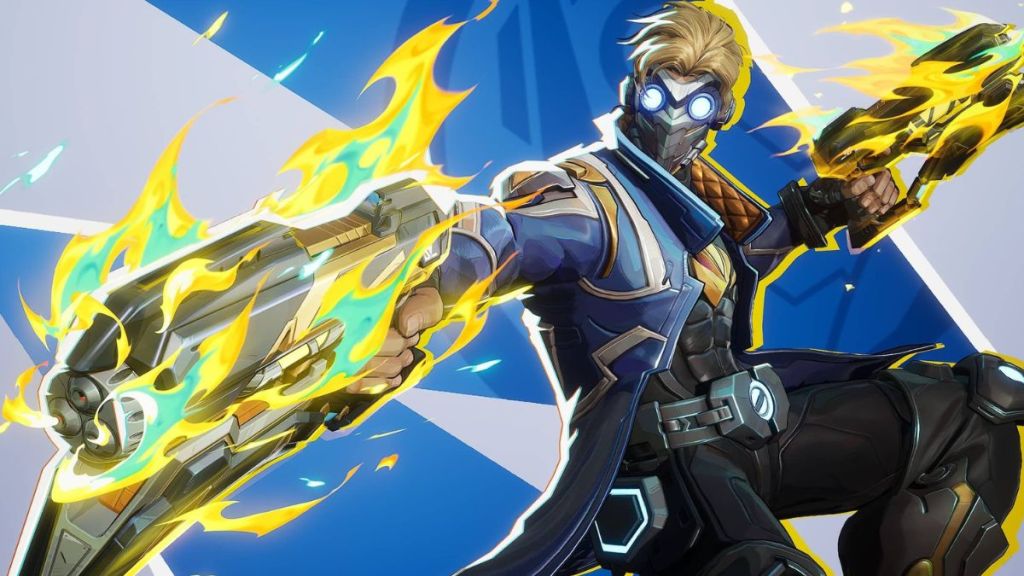
I like Star-Lord. His agility and consistent damage output from his dual Element Guns make him a formidable Duelist. Abilities like Rocket Propulsion for flight and the evasive Stellar Shift (which also reloads) grant exceptional mobility for flanking or escaping. That being said, his damage output isn’t all that exceptional.
This is especially the case at longer ranges where his guns suffer from a damage fall-off. And when that happens, his small health pool, coupled with the lack of self-sustain, leaves him vulnerable to the ensuing counterattacks.
| Pros | Cons |
|---|---|
| Lethal damage at close ranges | Suffers from massive damage falloff that makes him almost entirely ineffective at long distances |
| Jet Boots grant him elite horizontal and vertical mobility | Low base health pool |
The Thing

The Thing is a formidable B-tier Vanguard in our Marvel Rivals tier list who functions as a pure, frontline brawler specializing in absorbing massive amounts of punishment. He is exceptionally strong at holding a fixed position on the objective, using his Rocky Shield and high base health to outlast enemy Duelists in a battle of attrition.
However, he is held back by his complete lack of vertical mobility and a very limited offensive range. If he is kited by a flying hero like Iron Man or a long-range sniper like Hela, he provides almost zero value to his team and can be slowly chipped away without ever landing a return blow.
Pros Cons Hard counters dive heroes Zero vertical mobility, and is easily trapped or kited by enemies on high ground Can effectively tank multiple enemy Ultimates by cycling his shields and defensive cooldown Look at the size of that hitbox, it’s not healthy
Thor

Thor is exceptionally strong at crashing into enemy backlines, using his Mjolnir throws and lightning strikes to disrupt fragile Strategists and force them off the objective. He’s also great for isolating targets and dishing out tons of burst damage. If you learn the ropes, Thor can be a strong Vanguard.
However, combat flow feels cumbersome due to the Thorforce resource management and the vulnerability window while waiting for Mjolnir to return after a Hammer Throw. His Storm Surge dash is also predictable, and the significant charge time for his God of Thunder ultimate makes it relatively easy to avoid. These limitations often make him less effective than other Vanguards.
Pros Cons Lightning strikes provide massive AoE burst damage Offers no traditional barrier or shield to protect his teammates Solid vertical mobility lets him engage or escape from high-ground positions with ease High skill floor, mainly due to the need for Thorforce management
C-Tier Marvel Rivals Characters
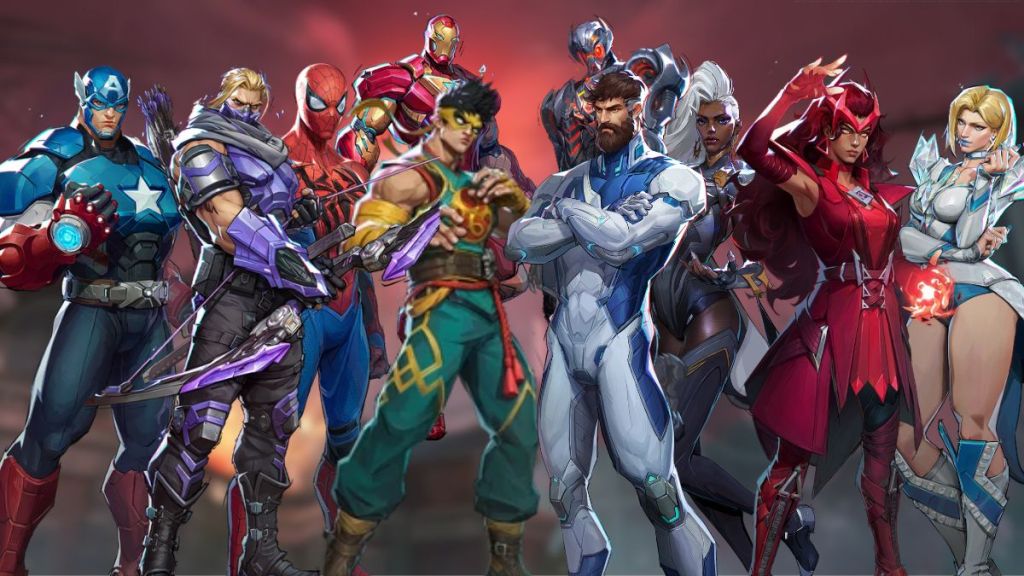
C-tier Marvel Rivals characters are extremely situational. They can yield decent results in favourable comps, and most of them can be fun to use. However, it’s best to avoid them when queuing up for Ranked games.
Spider-Man and Iron Fist represent the high-skill ceiling of this tier. While they can dismantle a backline in the right hands, their low health pools and reliance on perfect combo execution make them high-risk picks.
Similarly, Mr. Fantastic and Captain America struggle as Vanguards because they lack the massive, consistent team-wide shielding found in higher tiers. Iron Man and Storm can provide solid pressure from the skies, yet they have become target practice for the elite hitscan snipers dominating the S-Tier.
Without a dedicated pocket healer, they are forced to spend more time retreating than attacking. Hawkeye faces a similar dilemma, as his lack of mobility makes him an easy mark for aggressive dive heroes.
The remaining heroes in C-tier suffer from kits that feel slightly out of sync with the high-sustain meta. Scarlet Witch and Ultron offer impressive area denial, but their raw DPS often falls short of breaking through the layered shields. Lastly, Emma Frost’s situational utility makes it hard for the Vanguard to slot naturally in most comps.
D-Tier Marvel Rivals Characters
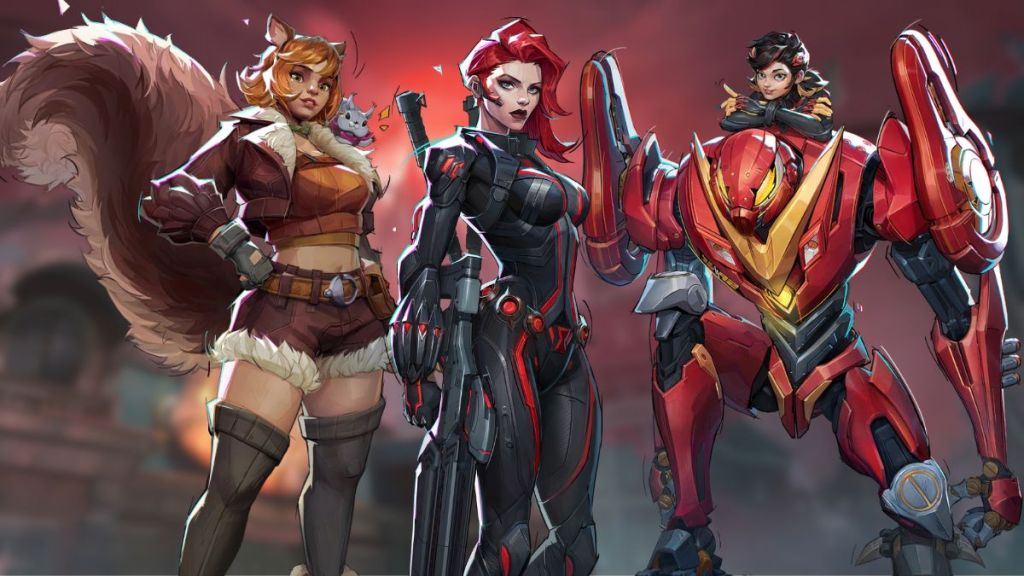
Here we are, folks – the bottom of the barrel. If you’ve been playing the game since Season 0, none of these heroes will surprise you. In fact, the D-Tier on our Marvel Rivals tier list has remained relatively unchanged for ages, and for good reason, too.
Black Widow, for starters, remains a poor man’s Hanzo. How can you be a dedicated sniper, with a slow fire rate to boot, and still not offer one-shot kills? As for Peni Parker, her trap-centric kit is easily bypassed by high-flying heroes or shredded by AoE damage.
This leaves her as a Vanguard who provides almost no frontline presence once her setups are cleared. Squirrel Girl rounds out the bottom of the list as a Duelist who’s severely lacking on the DPS front. The only condition under which we’d recommend using these characters is if you’re trying out a newly earned free skin in Marvel Rivals.
What did you think about our Marvel Rivals tier list? Which Marvel Rivals character would you rank higher and why? Tell us in the comments below.
The current Marvel Rivals meta revolves around Triple Strategist comps, with dominant heroes being Cloak & Dagger, Hela, Invisible Woman, and Deadpool.
In Marvel Rivals Season 7, S-tier heroes include Hela, Deadpool, Jeff, Cloak & Dagger, Invisible Woman, Groot, Wolverine, Hulk, and Loki.
The worst heroes in Marvel Rivals are the usual suspects: Black Widow, Scarlet Witch, and Peni Parker.