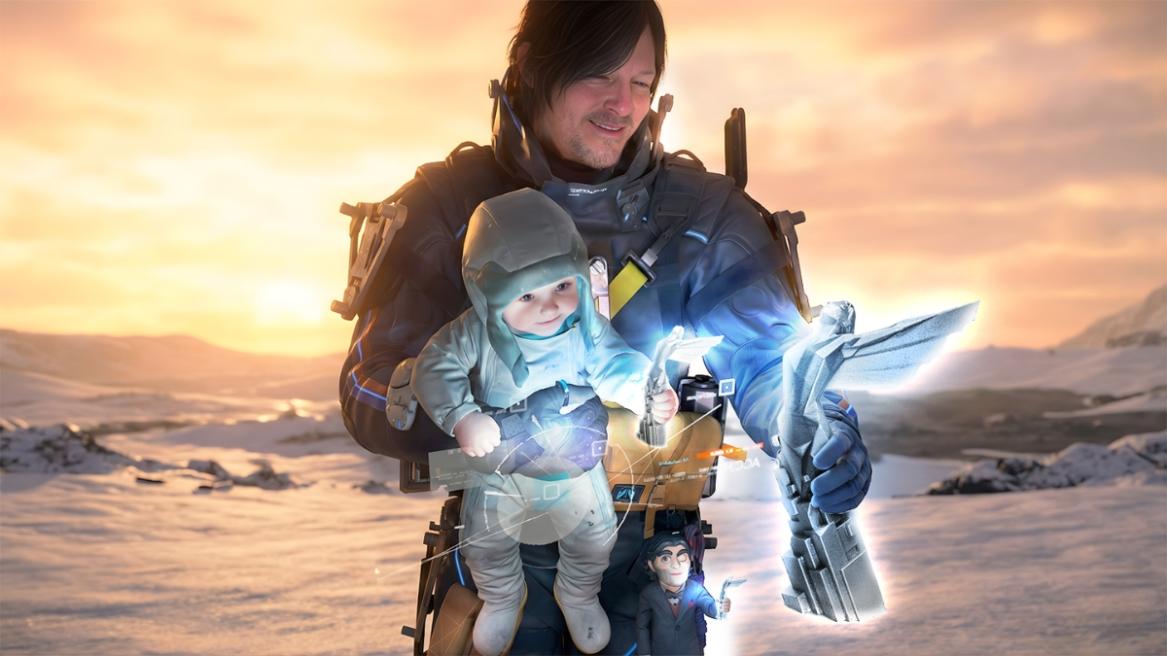
Every generation of gaming gets that one sequel game that isn’t in the cards for a development studio, that fans expect the least out of, and something that bends its own genre on its own. Death Stranding 2 is that very game that, while carving its own identity, surpasses the road taken by its predecessor. From the moment the game loads up on the PS5, it hits with a sense of scale, confidence, and visual identity that only Hideo Kojima seems capable of pulling off.
The original Death Stranding was released during a moment when the world genuinely needed a story about rebuilding bonds. Now, years later, Death Stranding 2: On the Beach arrived at a time when those restored bonds were being tested. The world was reconnecting socially, emotionally, and physically, but many connections carried fractures, and the sequel leaned heavily into those hard questions about trust, about what we choose to hold on to, and about the weight of repairing relationships that once meant everything.
I mean, sure, this year’s GOTY nominees all had their own emotional gravitas that pulled fans of storytelling games in huge numbers. Death Stranding 2 (read our review here) was actually the one that had me invested in its emotional core, while its somber, peaceful gameplay turned a walking simulator into a community quest, one for personal reflection.
Beneath its world-ending stakes lies a deeply human story that made me think about my own relationships, the people I’ve lost touch with, and the quiet hope that some strands, even the damaged ones, can still be repaired.
The Kojima-isms Of It All: The Weirdness, The Cinema, and The Strands That Pulled Me In

Kojima’s distinctive fingerprints are all over this game: the surreal imagery, the cryptic symbolism, the cinematic flair, and the movie references that somehow feel both subtle and outrageous. This time, however, the “Strand” philosophy had evolved. We weren’t just working for the United Cities of America anymore. We were operating under the banner of “Drawbridge,” a civilian outfit founded by Fragile. The motto shifted from just “Ropes” to “Both Stick and Rope”, acknowledging that to protect what you love, sometimes you need to fight.
This time, I didn’t feel like I was merely exploring a strange world and delivering packages like a FedEx deliveryman. I felt like the world was actively responding to me. Every journey, every encounter, every choice Sam makes feels like another layer peeled away from this narrative.
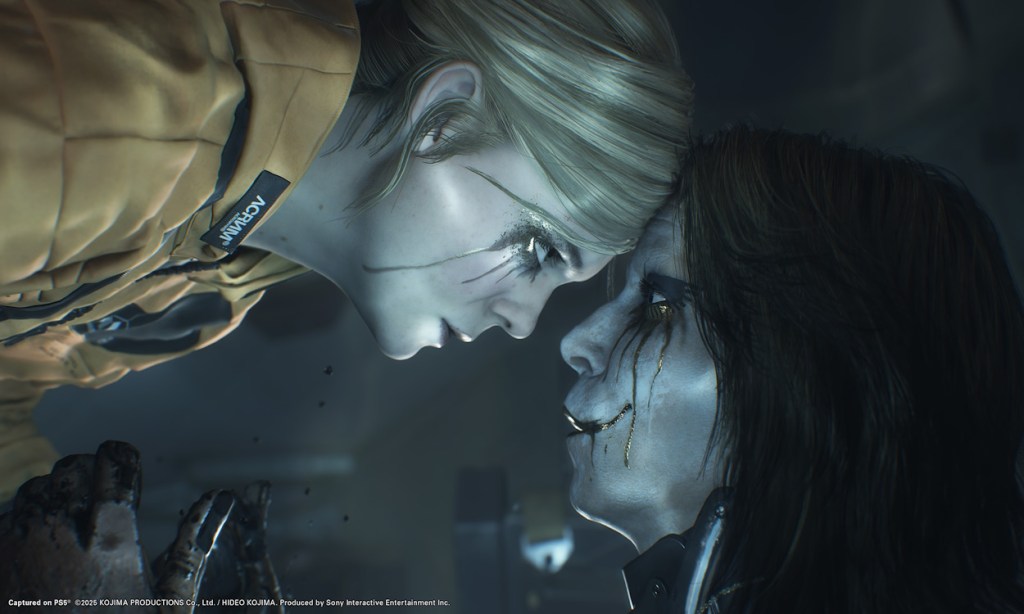

And then came back Higgs: a “Joker-esque” agent of chaos, wielding an electric guitar that weaponizes sound, bringing a theatricality to the violence that contrasts sharply with Sam’s stoicism. He felt like he was trying to dismantle something inside Sam, not just the world around him. But Sam wasn’t alone this time. He had his own crew of the DHV Magellan, a mobile base of operations that patrols the tar currents.
The crew was a unique blend of personalities with conflicting motives, including a ship captain who bore the likeness of George Miller and a living puppet named Dollman who hung from your belt, offering combat support and bickering commentary. They challenged Sam, surprised him, and pushed him into choices that forced me to think about what I valued.


The biggest shift came from how the game pulled me with the new and improved “Strand” systems. I liked other players when I found a well-placed ladder, and I felt a deeper connection to them. I wasn’t just placing structures because the game told me to. Instead, I was doing it because I wanted another player to have a time moving through the brutal Australian forests.
I built stretches of road, I constructed monorail tracks with the care of an engineer, and even used my PCC to leave shelters that I hoped someone would discover right at the moment when they were needed the most. I felt a deep sense of comfort when I thought that a stranger somewhere out there might be quietly thanking me. Those small, quiet acts reminded me that in a post-apocalyptic world, people can still help each other without expecting anything in return.
In a year of action-heavy blockbusters, the game slowed me down and made me think, while grounding me. And with Woodkid’s industrial-orchestral music echoing through scenes that feel crafted like short films, it often hit emotional heights that reminded me of films by Guillermo del Toro: poetic, eerie, heartfelt.
Year Full of RPGs and Souls, Yet We Got Absolute Cinema with DS2
Well, you may be wondering why I’m still talking about the game and not why it deserves to be GOTY over heavy hitters like Expedition 33 or Silksong, right? Well, let’s just say DS2 had it all. It had the tough boss fights as Expedition and Silksong did, it made you explore the world and find out its secrets just like Silksong did, and it had a brilliant score that is now its own concert tour, just like Expedition did.
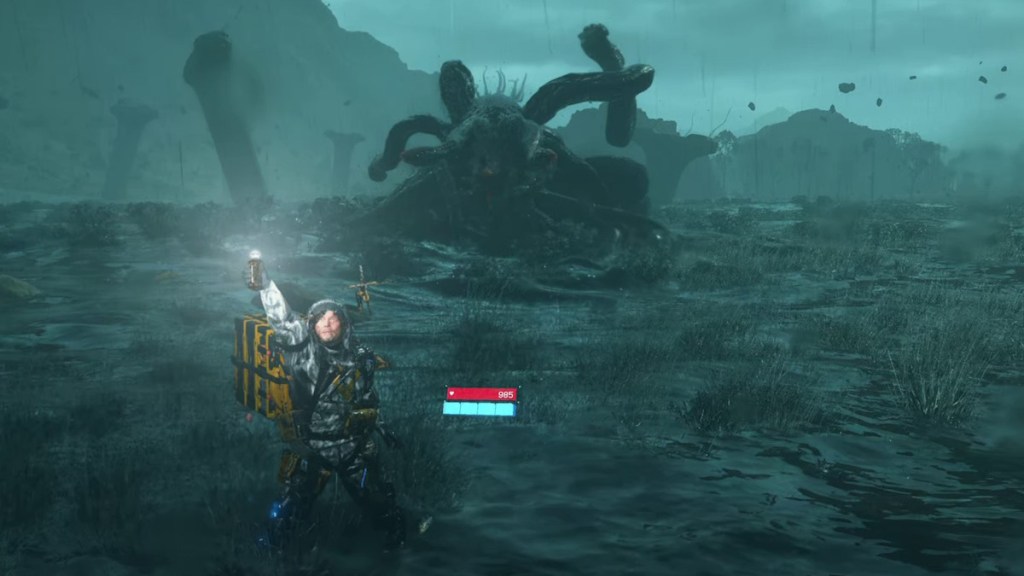
While it may not win the GOTY 2025, given Kojima is hardly recognized by the critics ever since he left Konami, I still respect the man with his Kojima-isms that he imbues on everything he touches. Be it a game he went incredibly famous for that Konami remade for the “next gen”, be it a book he wrote about “memes and genes”, or be it a sequel of a “walking simulator” he perfected into an open world adventure that can rival the best optimized games on console with its engine, stunning graphics, and engaging storyline.
As much as the story carried emotional weight, the world itself became its own form of storytelling. The shift from the UCA to a fractured version of Australia (and parts of Mexico) offered a new palette of hazards. DS2’s environments felt handcrafted. Oceans that stretched into a cold horizon, deserts trembling with seismic energy, floodplains where the water levels changed in real-time, and auroras so vivid it’s hard to believe they were running on my base PS5 console.
The game seamlessly moved back and forth in time and kept not just Sam’s story, but Neil Vana’s story extremely engaging as well. It was what I call a “Memento moment” for me when I saw glimpses of who Sam was and where his “BB” came from. The emotional bond between Sam and Lou, the fatherhood, and the grief Sam went through are what drove me to tears and made me grab a box of tissues. The cinematic storytelling that Kojima wove into the sequel gave me really deep nostalgia for the first game, and that, too, hits like a heavy emotional punch in the gut.
I remember when I first finished the game, I just wanted to keep exploring the world and complete those side missions to find out more about what had happened to the people before the first Death Stranding took place. Now that I was on my way to prevent one, I wanted to ensure that I hadn’t left any loose ties behind that could even 1% trigger a large BT near me.
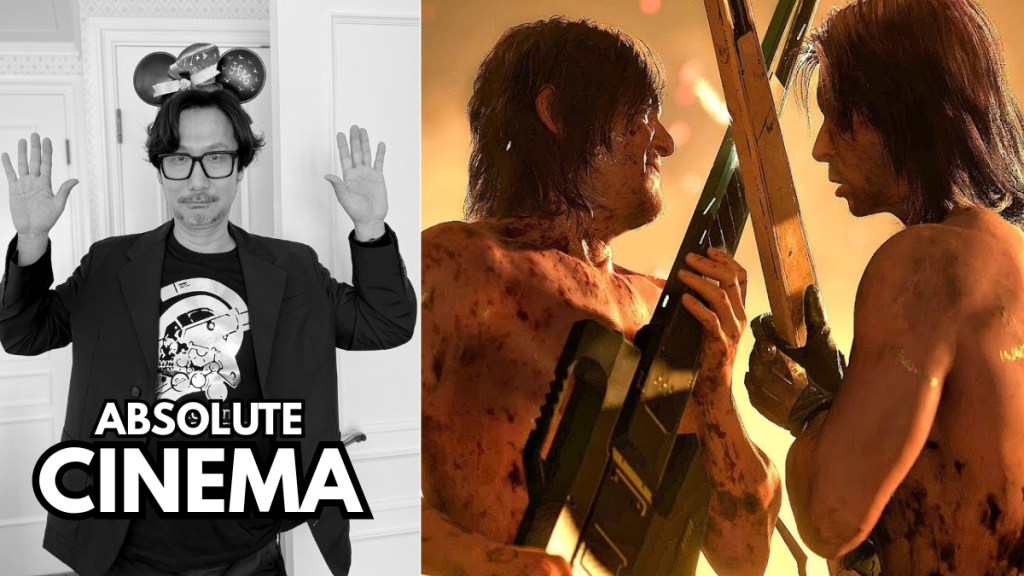
Call it what you may, but it made me feel connected to strangers I will never meet. It made me reflect on the bonds in my own life. It made me slow down and appreciate the quiet moments. It made me build, explore, and care. And above all, it reminded me that games can still be deeply personal works of art.
This is Kojima at his most daring and most human. This is a story that will be remembered. This is a world I will return to over and over again. This is a game that deserves the stage, the applause, and the crown.