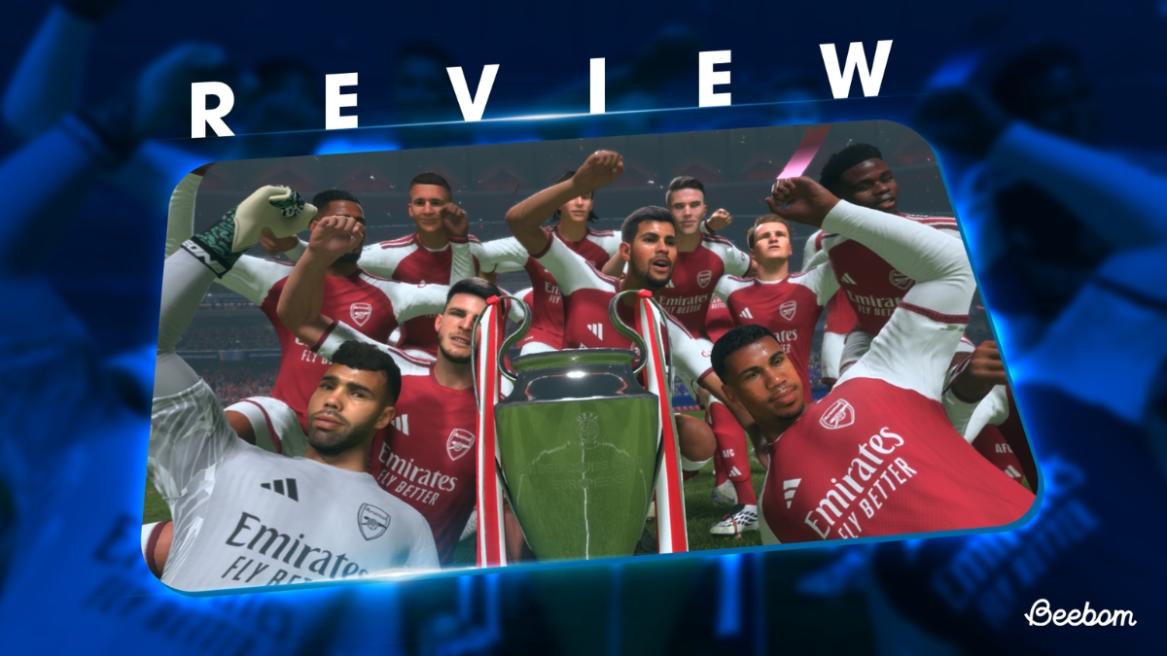
Beebom Score
Every September, EA Sports sets out to promise that their latest football simulation game is the best of the bunch. EA FC 27 is no different, as the series brings with it a flair of realism alongside new modes, improved physics, and for the ever-so-busy UT fanatics, newer ways to grind out their perfect squad. After almost a week of early access, I’ve compiled my thoughts to help you decide whether or not you should get your copy of the game in this EA FC 27 review.
The Pitch Itself: Physics, Lighting and Feel
Gameplay is the focal point of any EA FC game, and this year’s on-field product doesn’t disappoint. For every pass or shot, the ball has a real weight off the boot, collisions are resolved more realistically, and the overall physics feels even more grounded than it was on FC 26.


One of the first things I noticed is how the game handles lights and reflections. The new lighting system makes Tuesday-night matches considerably better than last year’s. This is the kind of upgrade you won’t consciously notice until you switch between FC 27 and FC 26, which is exactly what I did.
The oddity is where the stutter shows up. During the few days I played it, the actual gameplay and online connections were entirely stable, but the pause menus and idle screens hitched in a way earlier versions never did. Online match loading too felt a bit slower at times, though not to the point of being a dealbreaker.
It’s worth watching whether EA patches it out in the coming weeks, but at the time of writing this, which is after the v1.0.1 update, these problems persist.
Defending: The Biggest Swing This Year
A headline change in this year’s release is definitely defending, and it’s real. In a move to aid your own gaming skills, EA has deliberately gutted AI-assisted defending even further than in FC 26. This means auto-tackles are far less reliable, forcing you to defend manually. Defensive players instead hold their shape and support rather than diving in for you every time an attacker closes in.
So, the burden shifts to you to switch to the right defender, read the dribbler, and time your tackle. Miss your window or misjudge a tackle, you’ll get properly punished, and the AI won’t bail you out. On the bright side, however, the range of manual tackles and jockey speed have both been enhanced to compensate for the lack of AI defending.

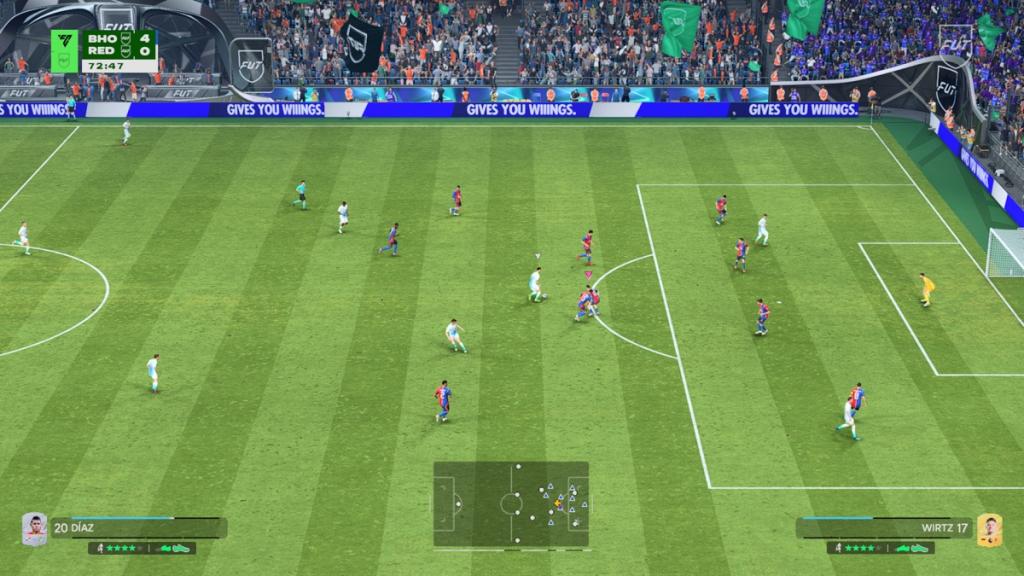
This sense of realism also carries forward when defending set pieces. Since non-controlled players don’t automatically position themselves inside the box like they previously used to, it’s now your job to actively switch bodies when you’re playing without the ball.
It’s a genuinely skill-rewarding system, and it’s the difference that will define this year’s meta more than anything else we talk about here. It’s also going to be brutal for anyone who’s coming back to the series after FC 25 or for new players who have never had to defend “for real” in a FIFA game before.
Set Pieces Are Deeper, But You Might Fumble First
Set pieces themselves have had a makeover as both free kicks and corners now run on a two-stage system. You deliver the set-piece by choosing the curve and power, and then take manual control of the attacker inside the box by positioning them and timing your jump. It’s not completely new, as FC 26 did allow manual control during set pieces, but it would activate only if you choose an attacker to control.
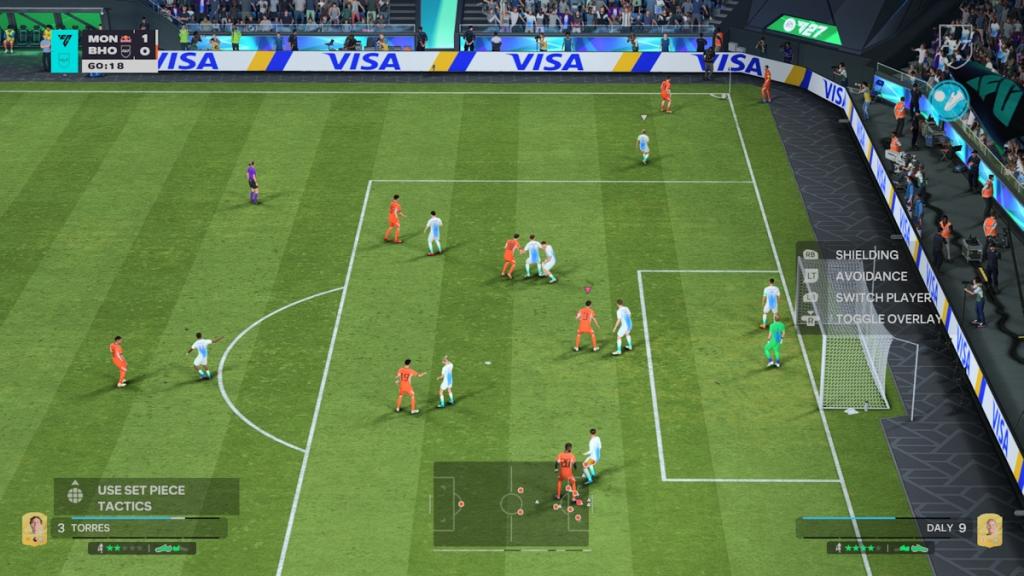
On paper, it’s a better idea than just lobbing the ball in and hoping, as it rewards you for engineering a phase of play. In practice, it’s a confusing mess right now, and I don’t think that’s just me adjusting. The directive system asks for a lot of inputs at once, and you’ll need to spend some time figuring out what you’re supposed to do during a corner you used to fire and forget.
Attacking: Build-Up Play Over Route One
While AI doesn’t provide much help at the back, it can actually reward you if you can properly build through the thirds. You can no longer win possessions by overloading runners forward or mashing through-balls, as you’ll get shut down by the same defensive discipline that makes the new manual defending so tough.
Slow the game, use more of the ball and pass it around to open spaces, and that’s when the attacking AI will kick in. And this was clearly visible during games, as the improved system resulted in smarter positioning, curved runs, and better recognition of space.
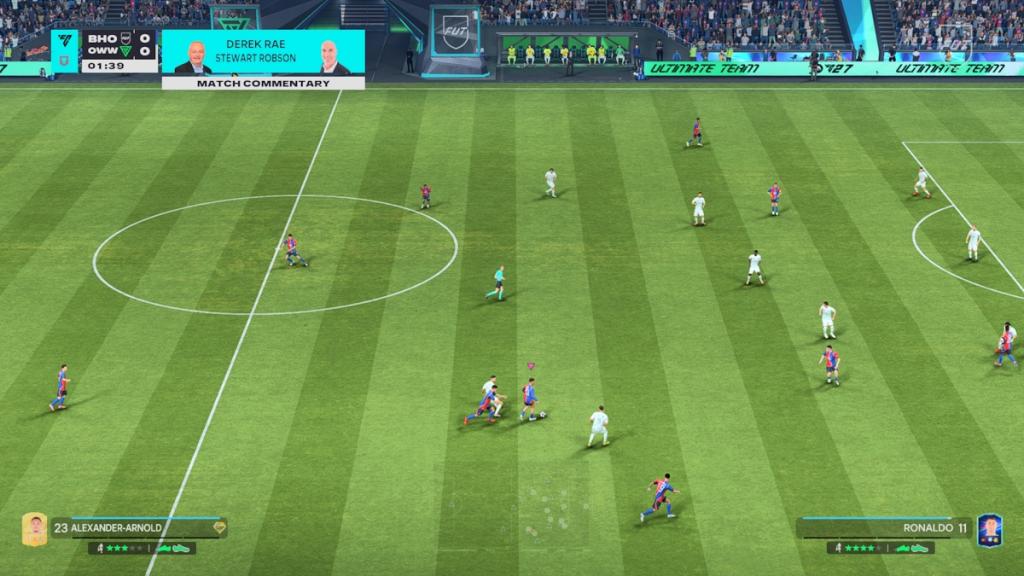
It’s a welcome shift from the “sprint, cut-back and cross” meta of recent years, even if it means redeveloping habits that have worked for you since FC 24.
One thing worth mentioning here is that the attacking and defending overhaul are scoped explicitly for the Competitive gameplay. With Authentic Gameplay 2.0, offline matches deliberately introduce mistakes and imperfect touches when players are receiving the ball under pressure. This is pretty evident inside Career Mode as the game chases a less “showman”, more raw feel. It’s a clever bit of separation from the Competitive mode that EA hasn’t bothered with in the past.
Career Mode Is Worth a Long-Term Save Again
Now, here’s a tale of two modes. On one hand, Player Career hasn’t moved an inch. It runs around the same loop, with similar pacing and lack of ambition it’s had for a few years now. If you were hoping to see EA give its single-player side some real love, this isn’t the time.
Manager Career, on the other hand, does get some substantial rework in the form of ratings and the transfer market in FC 27. Player ratings no longer sit static across the season; they’re dynamic, shifting week to week based on form, fitness and morale.


The transfer market has been rebuilt around real player valuations, and negotiations now run through multiple stages instead of one cinematic conversation. Clubs will take their own sweet time to respond to your offer or use it as a chip to get a better deal elsewhere. That means rival clubs can hijack your deals mid-negotiation or walk away entirely if you don’t move fast.
Beyond release and sell-on clauses, you can also add buy-back clauses or request loaning back an outgoing player. This level of intensity and detailing makes signing a player feel like an actual football business, and it’s definitely the most improved system in this release.
Celebrations: Pure Aura Farming
This is relatively a small thing but a nice touch nonetheless. Celebrations are noticeably more lively, and they’re built around the current generation of players rather than years-old animations.
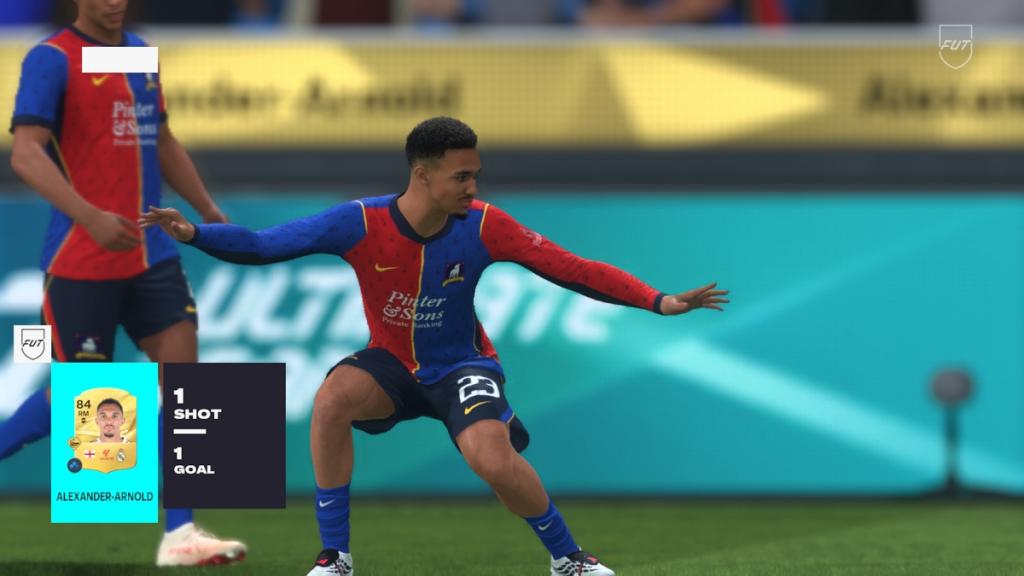
Arsenal’s Gabriel has a signature Gyokeres-like hands-covering-face move, while you can invoke Matheus Cunha’s infectious surfing celebration using any player in the game. There are also a number of new regular celebrations that kick in without input, and older moves have been patched to look more realistic than before.
Yes, it’s purely cosmetic, but it’s the kind of detail that makes the game’s biggest cards feel like the players they’re based on.
The Grounds: An Ambitious But Unproven Journey to Open-World
This is the mode that is likely going to define how people will remember FC 27. The Grounds is EA’s answer to NBA 2K’s “The City”; it’s an open-world social hub that can host up to 100 players at once, split into three districts — Montclair, Parkside and Zeiza (styled after France, England and Argentina).


You can create a custom avatar, pick an Archetype, bump into strangers, and get straight into action, from 1v1s and mini-games to Rush and full-team matches. Throughout various stages, you’ll be guided by mentors like Kylian Mbappe and Alex Hunter from “The Journey,” who returns for the first time after FIFA 19.


“The Grounds” builds on top of the existing “Clubs” system, meaning you’ll have to move around the open world to get your usual taste of Pro Clubs, whether you like the social element or not. It’s early days and still too soon to judge an entirely new mode; so, I’d call it a much-needed jolt of variety from EA. On that note, it is currently thin on content, and it needs a real post-launch investment to justify its existence.


It’s worth noting that The Grounds remains exclusive to PC and current-gen consoles. So, if you’re on older hardware like the PS4 or Xbox One, it won’t show up for you, even if you purchased the Ultimate Plus bundle ($149.99).
Ultimate Team: Same Skeleton, Tighter Grip
Strip away the new coat of paint and FUT in FC 27 is almost identical to its previous iteration. It’s got the same menu, same structure, same objective flow, same chemistry, playstyles, and consumables system, and same team tactics. What’s changed this time is the pacing of the grind, and don’t get your hopes up — it’s harsher.


Even the transfer market, something that you could poke around on day one before, is now gated behind a series of early objectives before it unlocks. That’s a huge shift in the way this year’s UT onboards you, and it’s designed to keep you inside EA’s guided progression rather than letting you shop freely from the get-go.
On the topic of changes, SBCs have now been split into two systems. The traditional squad-building format is still there — build an eligible XI, hit a rating, and submit. But there’s also a new streamlined SBC format in EA FC 27 where you can throw up to 30 individual players, each worth a score based on rating and rarity, until you hit a target total score.


This new system removes a lot of the busywork from fodder management and puts those duplicate cards that you’ll eventually have sitting around to good use. My honest take: streamlined SBCs are easier to grind, but the rewards feel proportionally lighter for the effort.
EA has essentially traded challenge-solving depth for volume, and the payout doesn’t really make up the difference.
FUT Gallery and the New Currency Problem
If “The Grounds” sets apart FC 27, the new FUT Gallery mode is what stands out in this year’s Ultimate Team. It’s a permanent archive of every card that has passed through your club, organized into theme sets (leagues, teams, promos) that you can grade and submit for Gallery points. It’s a clever idea on paper, as the cards you sell or sacrifice in an SBC still count towards your Gallery collection.


The catch is that it introduces a new currency that you need to track, and it’s yet another progression layered on top of the existing coins, FC points, season passes, and (streamlined) SBC scores.
You’ll now have to juggle between five different resources just to move your club forward, and it’s hard to read that as anything other than another monetization lever. That’s because FC points remain purchasable and now feed into more systems than before. All of this makes the whole economy feel more complicated than it needs to be for what is still a card collecting mode.
Verdict: Final Whistle Marks The Most Rewarding FC Yet
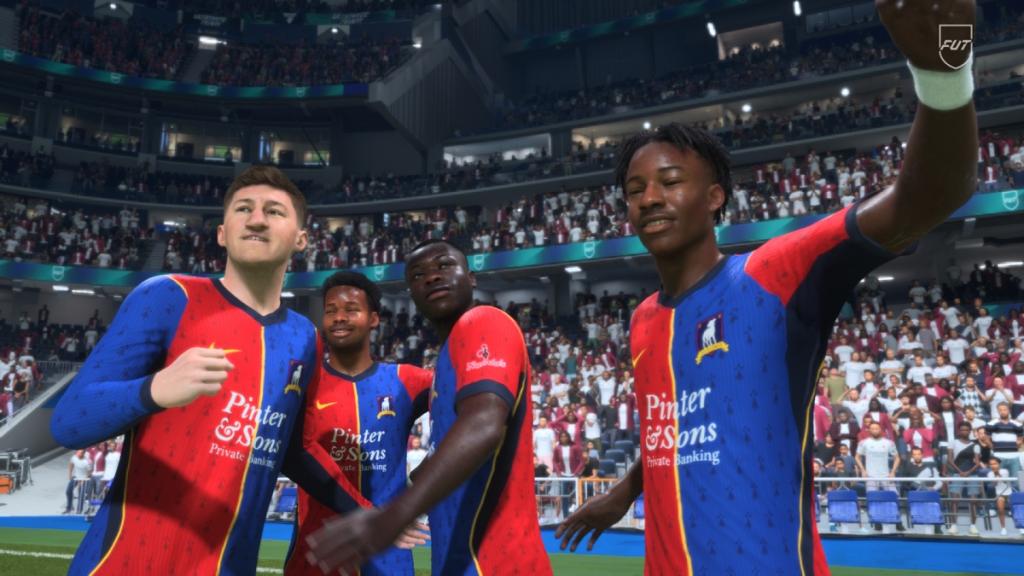
Having watched this franchise go long-ball, tiki-taka, and everything in between, FC 27 is the most rewarding EA Sports FC I’ve played since the FIFA days. It’s the first version in years where defending actually feels like defending, not hacking AI to do the job for you. The game brings back real skill to 1v1 duels, and attacking will punish impatience if you’re not smart enough.
The Grounds is a bold swing that could define the series for the next decade, provided EA keeps building and supporting it. However, EA hasn’t broken the habit of layering complexity and monetization on top of every good idea with more currencies and a harsher grind, to not get your hopes up about Ultimate Team.
If you play Career Mode or care a lot about on-pitch skill, this is the best FC has felt in years. If you live inside Ultimate Team, you must temper your expectations, as the core loop hasn’t changed much; it has only gotten longer with more currencies to manage.